- S
- S
- J
Bentley’s kidney transplant journey
0% complete
$7,042 raised of
51 donations
Bentley’s Story
Everything started out perfect. We had a healthy pregnancy, no complications, and a normal birth. Bentley was born on July 10, 2012 — a healthy 7-pound, 2-ounce bundle of joy with great Apgar scores. He was the perfect baby. He only cried when he needed his diaper changed, was hungry, or ready for bed. He nursed well and gained weight quickly.
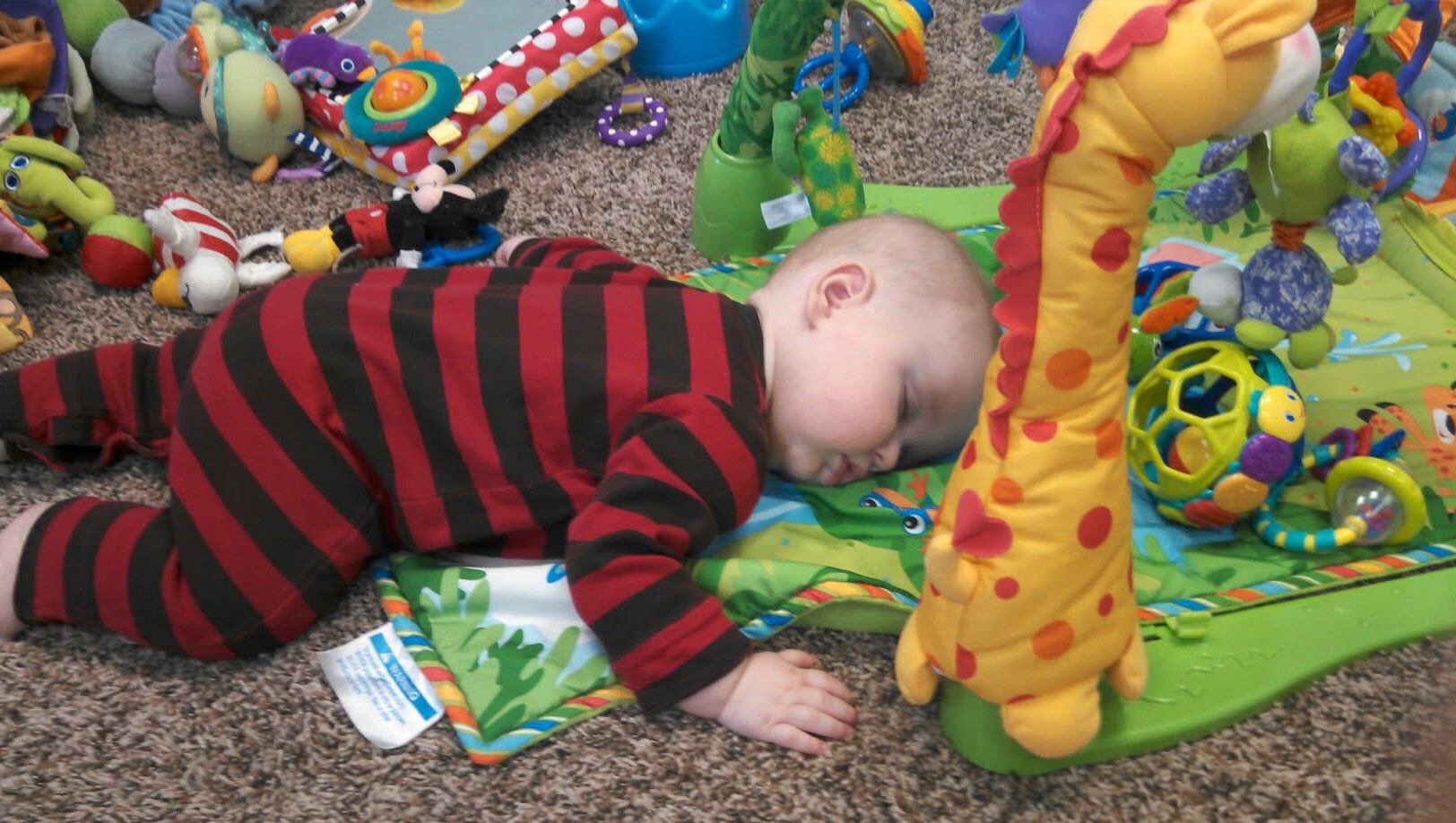
Bentley loved tummy time, though he usually turned it into nap time! By six months old, we started introducing solid foods. He was a great eater and surprisingly loved vegetables more than fruits. He had rolls on his rolls — our chunky, happy boy.
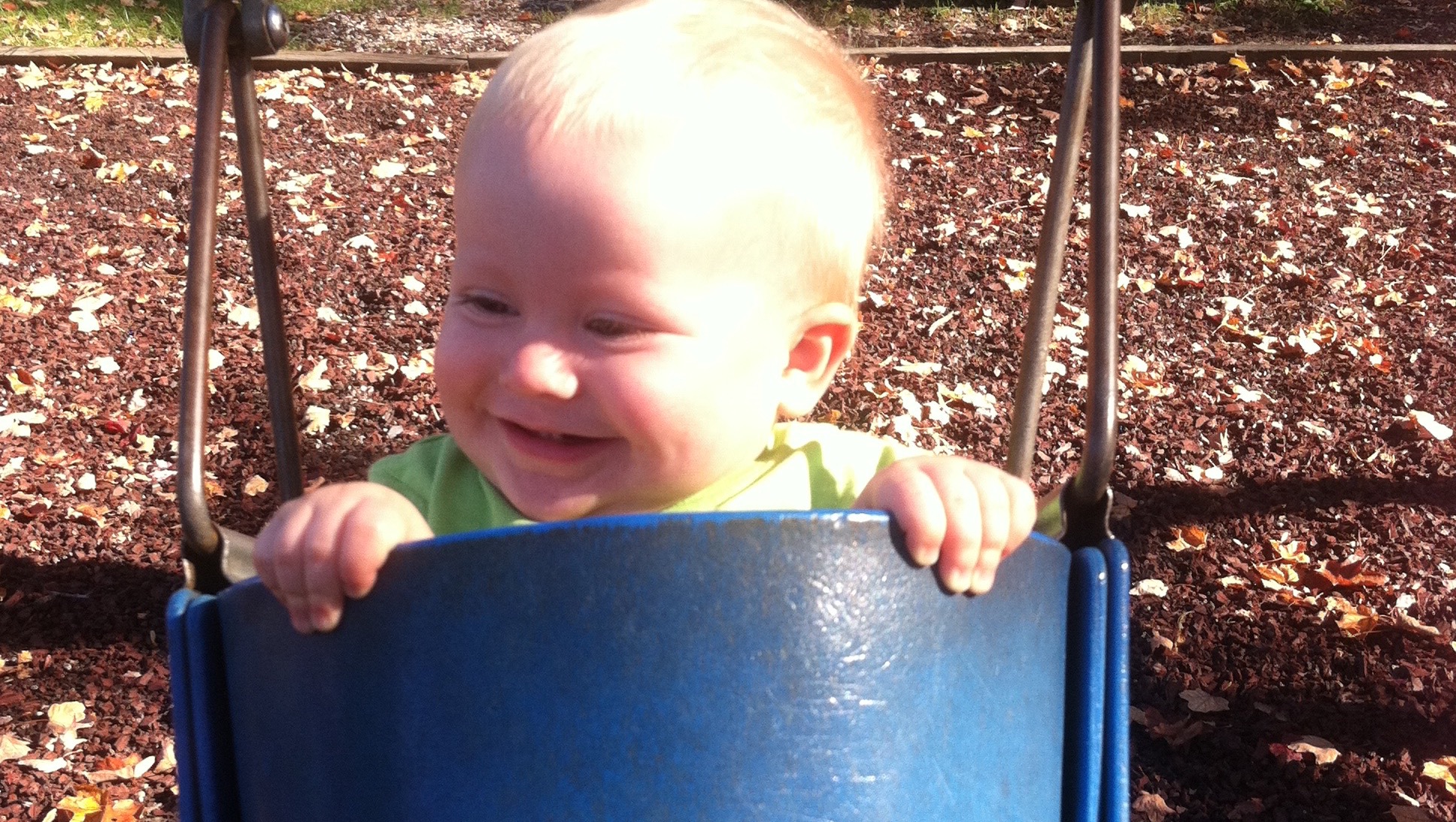
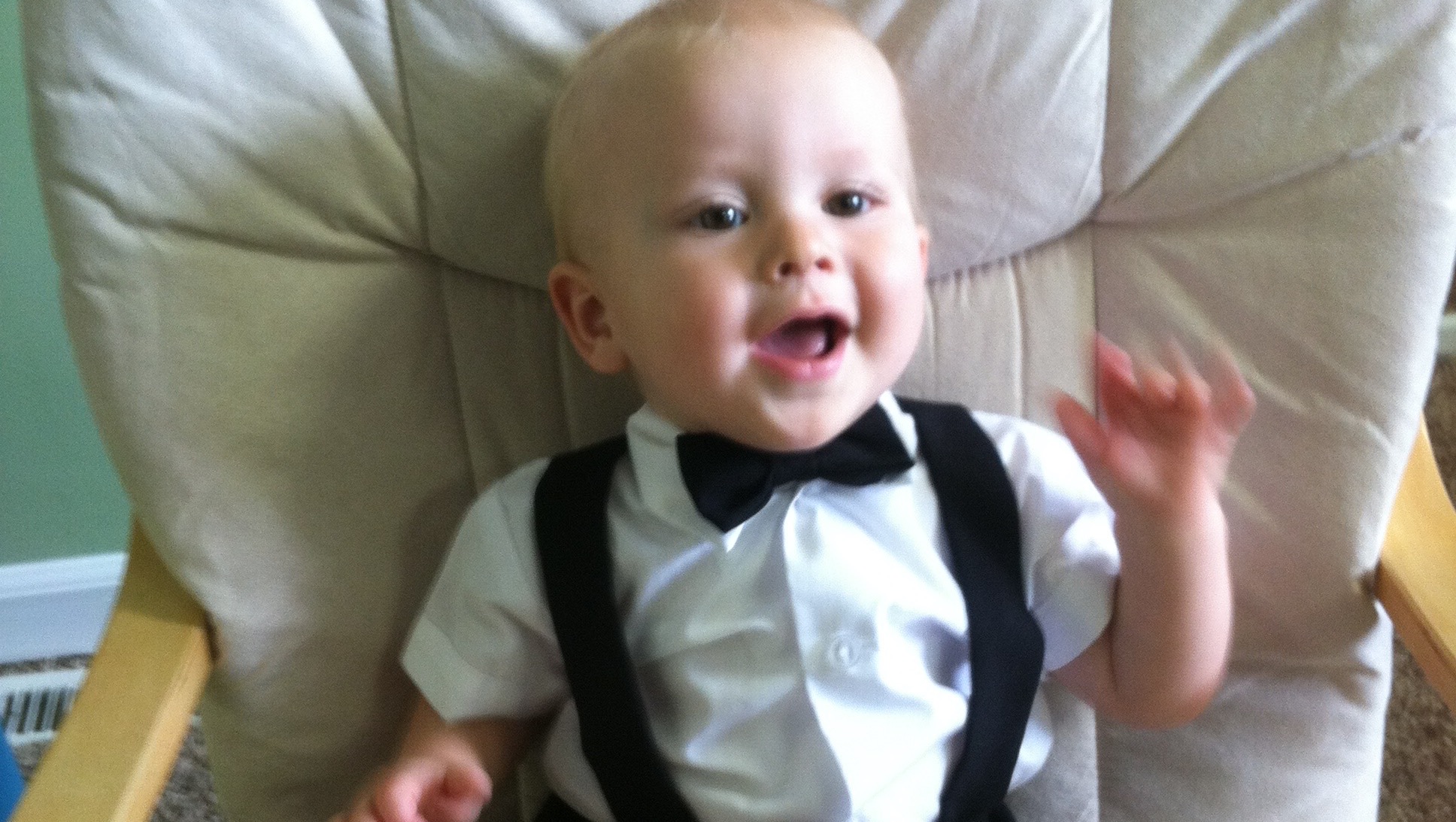
Shortly after Bentley turned six months old, we began noticing changes that worried us. He seemed to be getting sick all the time — but not with anything contagious, since no one else at home was ever sick. He started vomiting frequently and running extremely high fevers, sometimes up to 105°F. We were in the pediatrician’s office two or three times a week for months, but they always told us he’d “get over it.” We knew something wasn’t right.
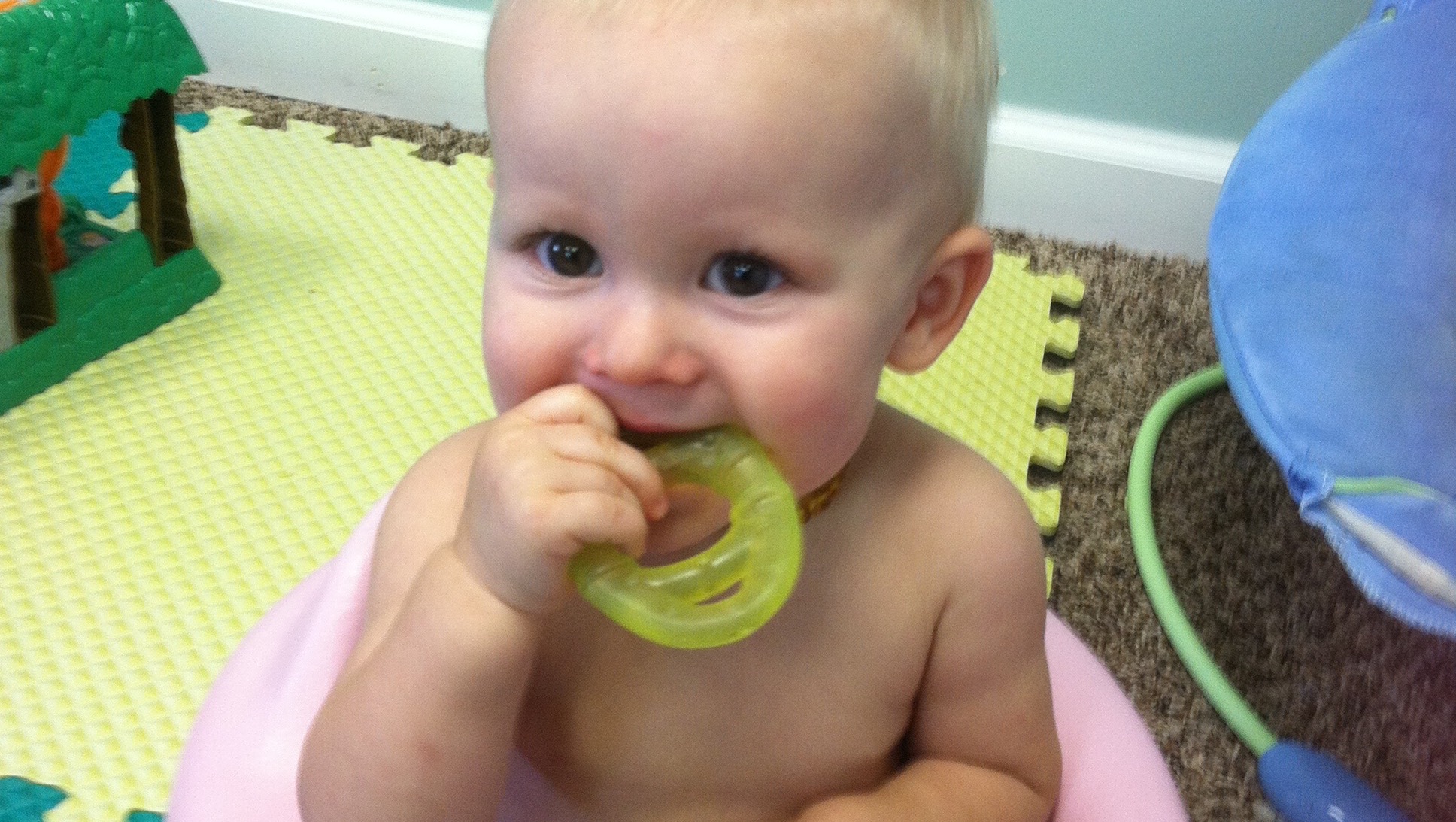
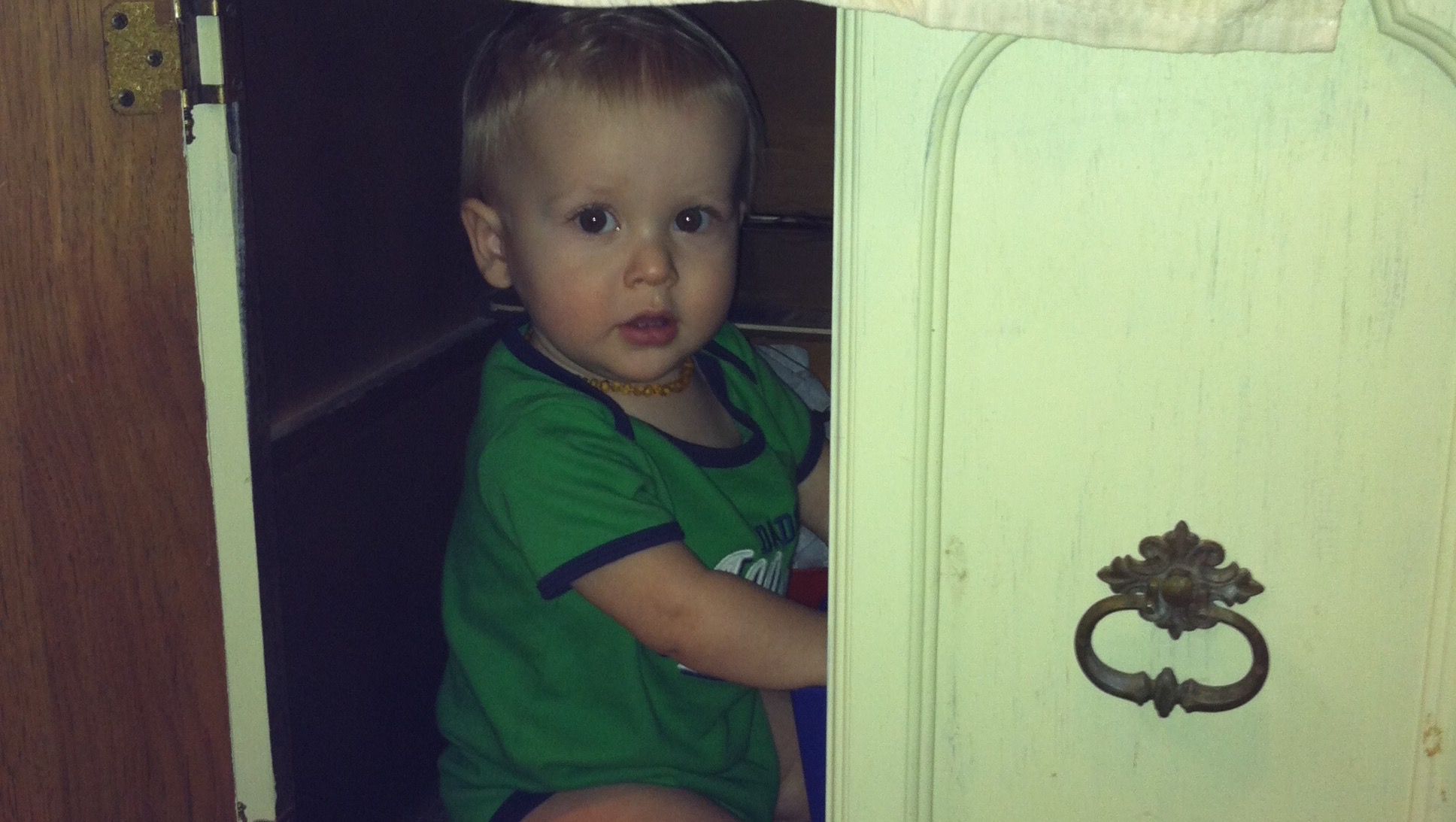
When Bentley was about nine months old, I was giving him a bath with his brother. He bumped his head gently on the side of the tub — not hard at all — but he started screaming. We immediately pulled him out and noticed a soft spot on his skull, like a newborn’s. We rushed him to the ER, but doctors brushed it off and sent us home, saying it “happens more often than you think.” We felt dismissed and helpless.
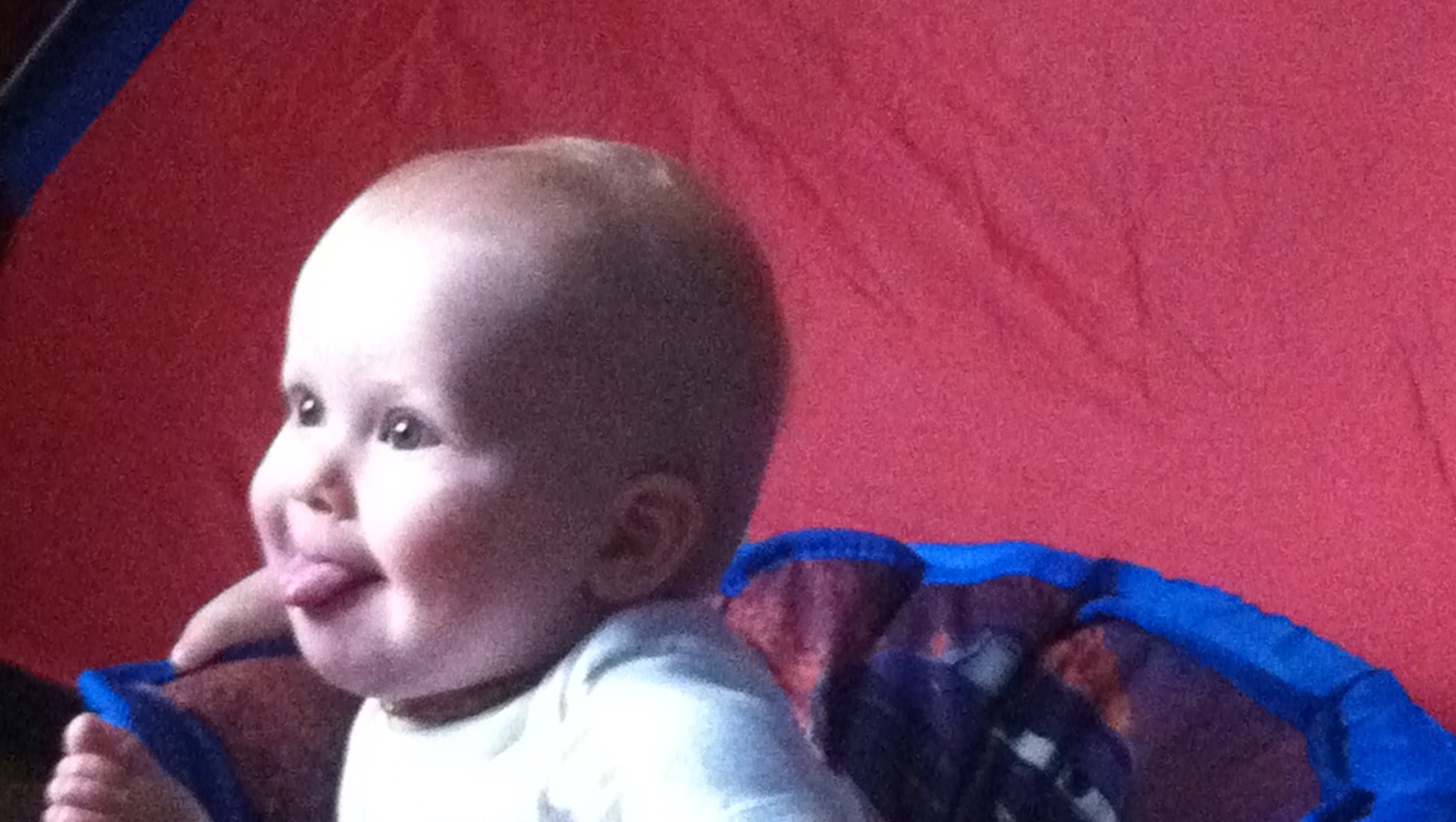
Soon after, Bentley stopped meeting developmental milestones. He wasn’t pulling himself up, crawling, or walking. He began eating less and nursing and sleeping like a newborn again — every two hours. He lost the precious baby weight he once had. Finally, we convinced the doctors to refer him for evaluation. He began physical, occupational, and speech therapy after qualifying for all three due to his developmental delays.
At 16 months old, Bentley developed an ear infection that wouldn’t go away. The pediatrician sent us to an ENT, and in November 2013, he had his first surgery — bilateral ear tubes.
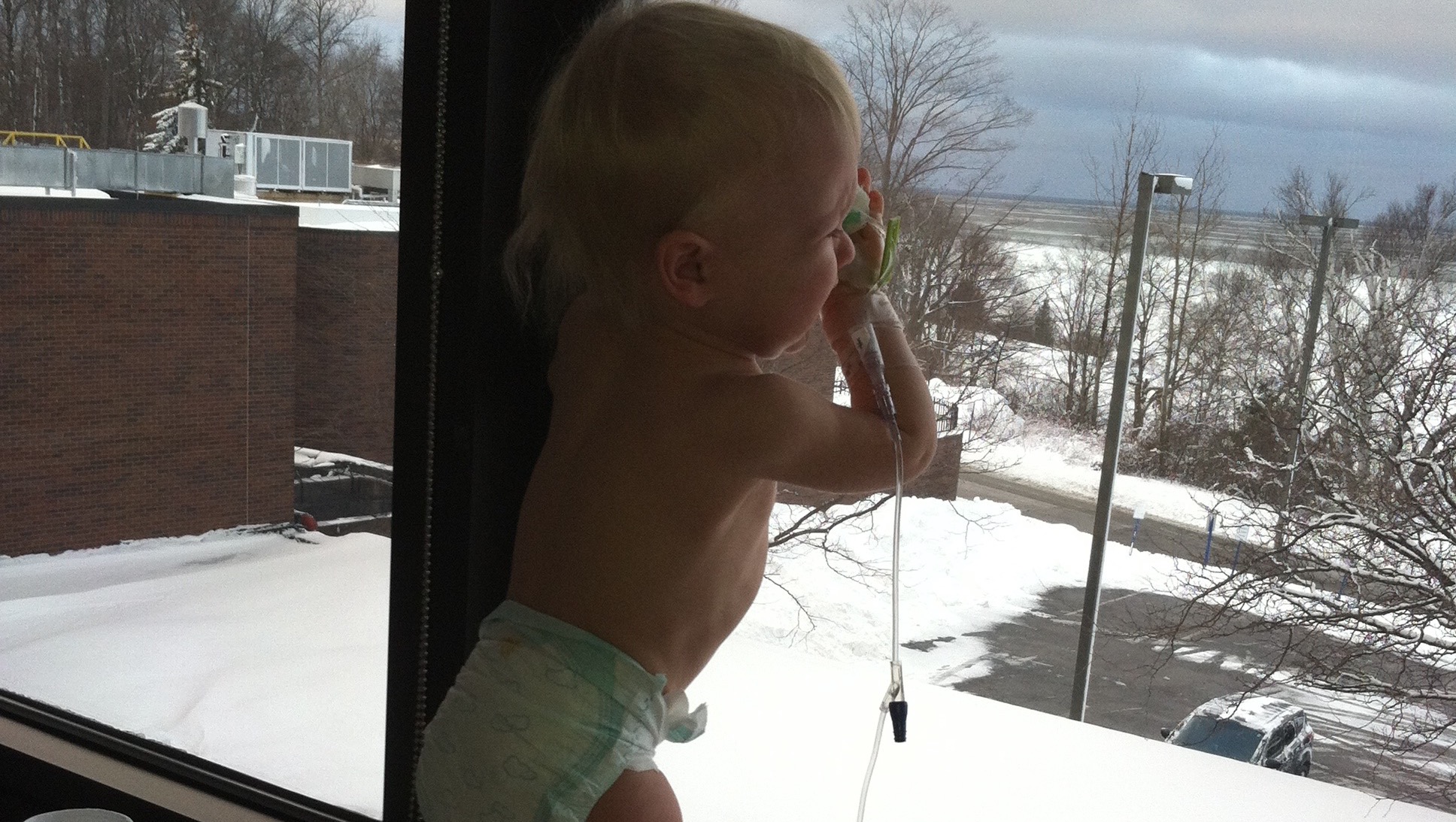
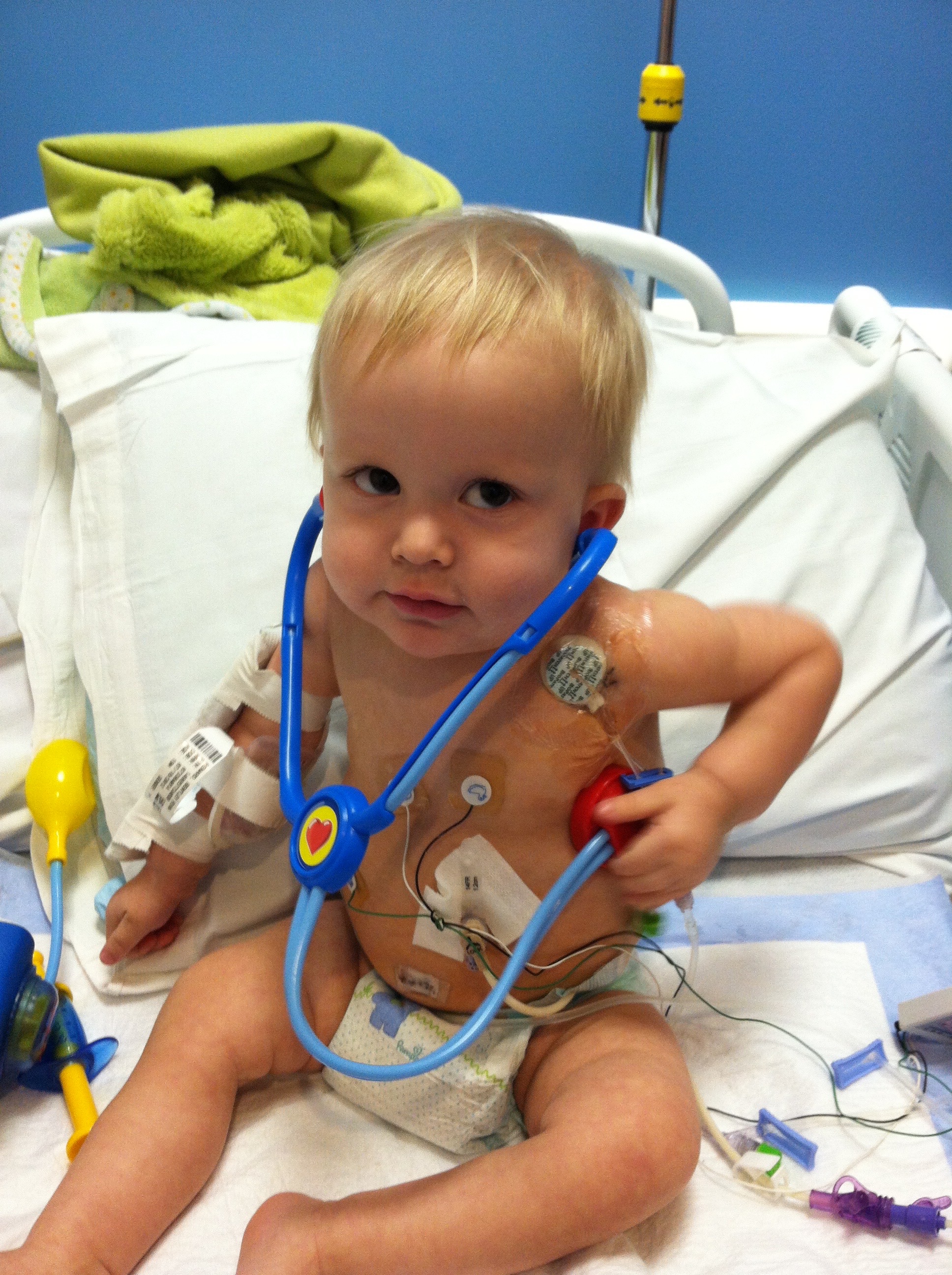
In January 2014, Bentley caught a stomach bug that landed him in the hospital. We had no idea that this was the beginning of a much larger journey. After running labs, doctors noticed his hemoglobin and potassium were low. He was admitted, put on IV fluids, and hooked up to monitors. That night, I woke to a room full of doctors and nurses hovering over him — his heart rhythm was abnormal. It was terrifying.
After a few days, they released us, but the next morning I got a call from the hospital doctor. She told me Bentley had rickets, a disease that weakens bones, and that he might never walk because of how brittle his bones were. She scheduled an appointment with a nephrologist at the children’s hospital four hours away.
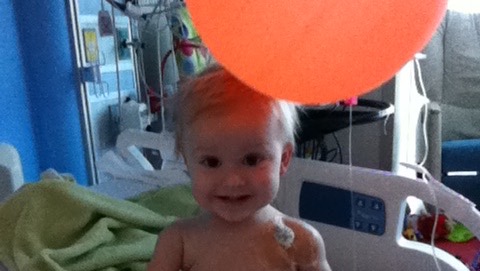
On February 4, 2014, we made that trip. After several tests, the doctor told us Bentley had Fanconi syndrome, meaning his kidneys were not working properly — they were flushing out vital electrolytes faster than his body could use them. More testing revealed that Fanconi syndrome was actually secondary to another condition. The doctor suspected Dent’s disease or Cystinosis.
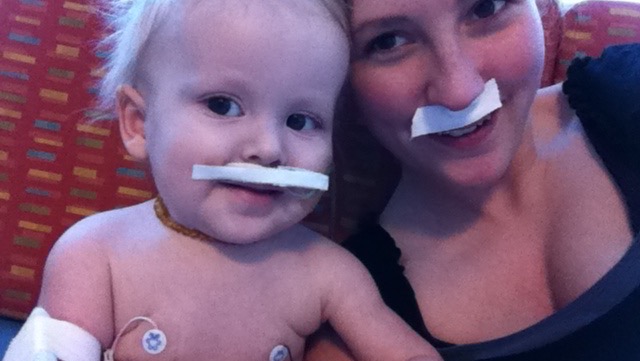
He told us Bentley’s rickets was the worst case he had ever seen and asked to photograph his wrists and ankles for medical documentation. Bentley was admitted again immediately to stabilize his dangerously low levels. What was supposed to be a short trip turned into a month-long hospital stay.
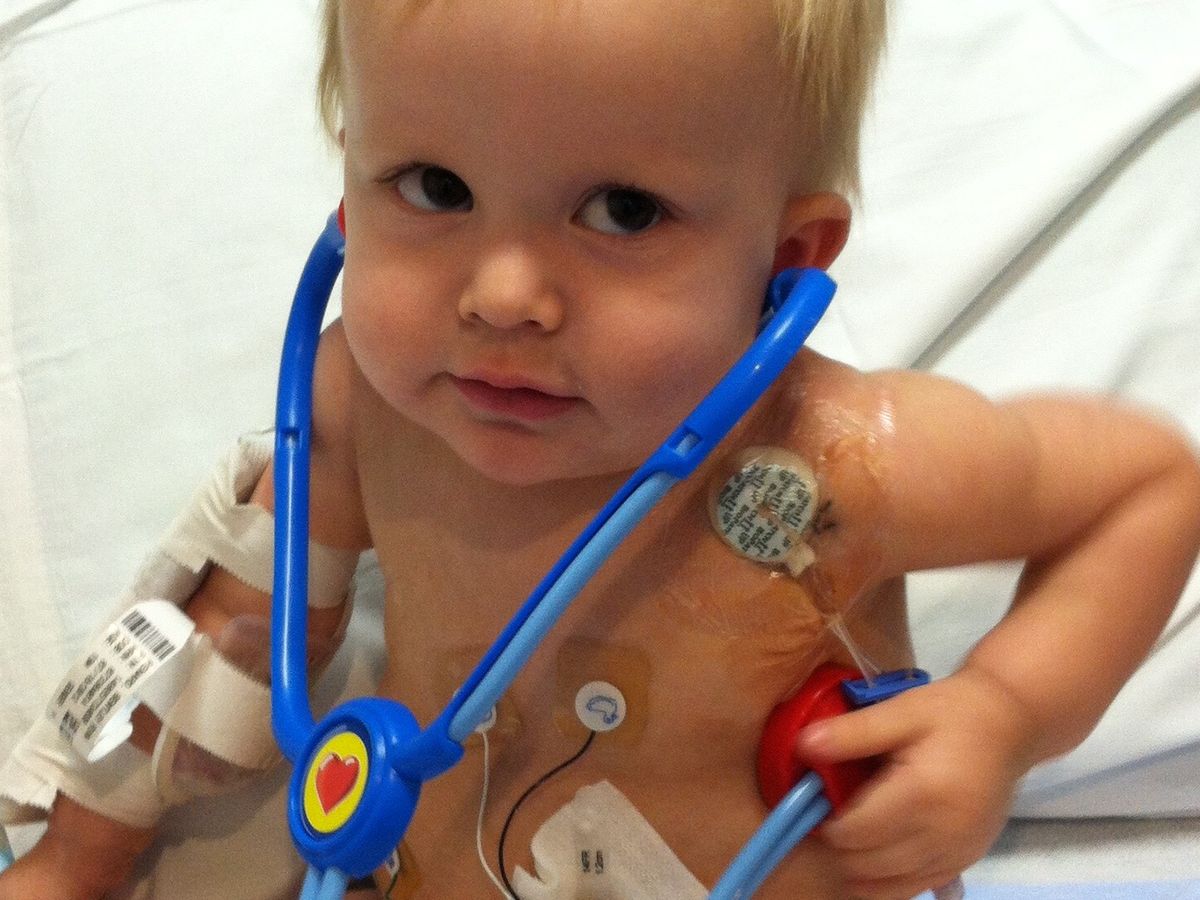
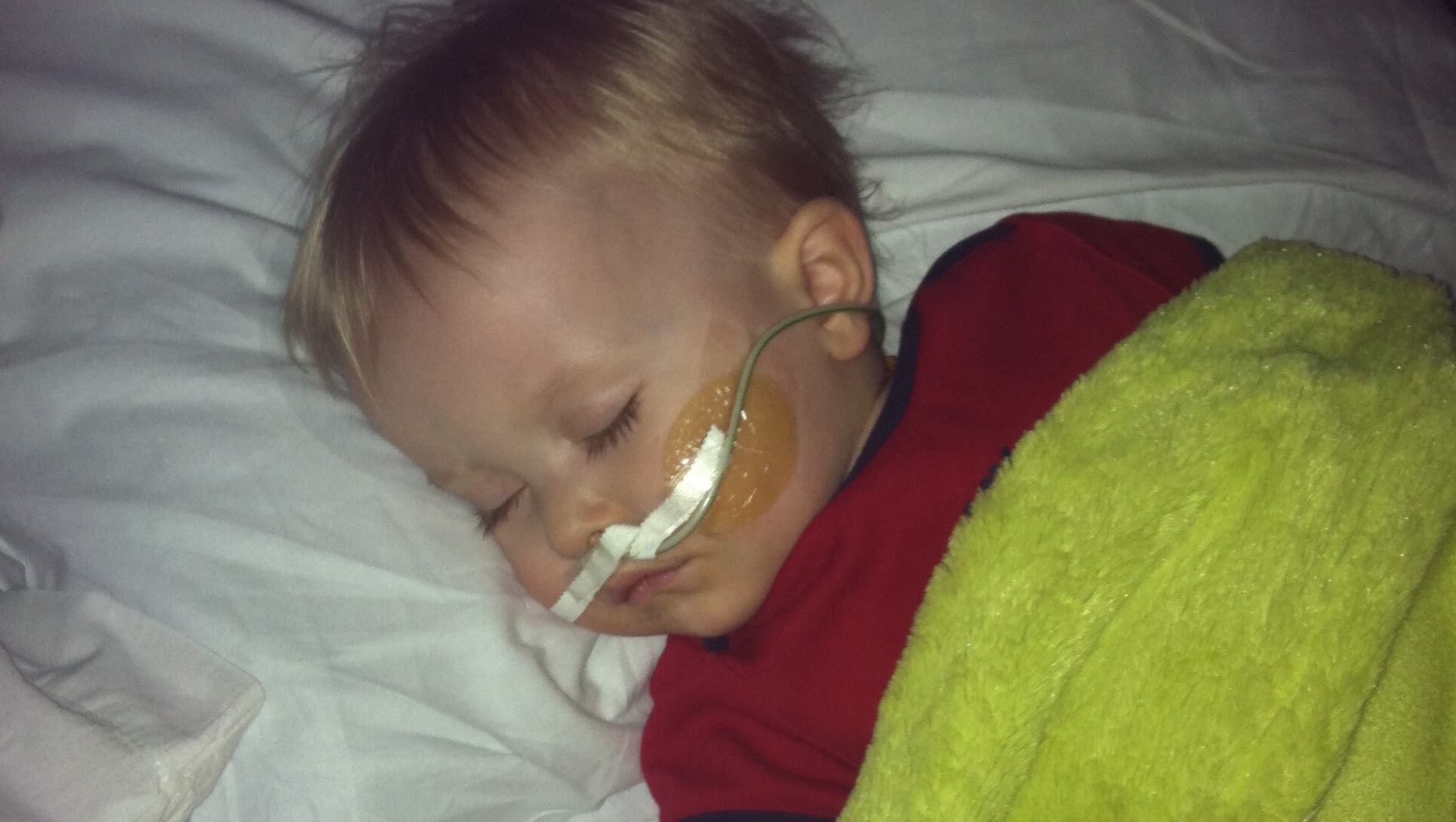
During that time, Bentley had a feeding tube (NG
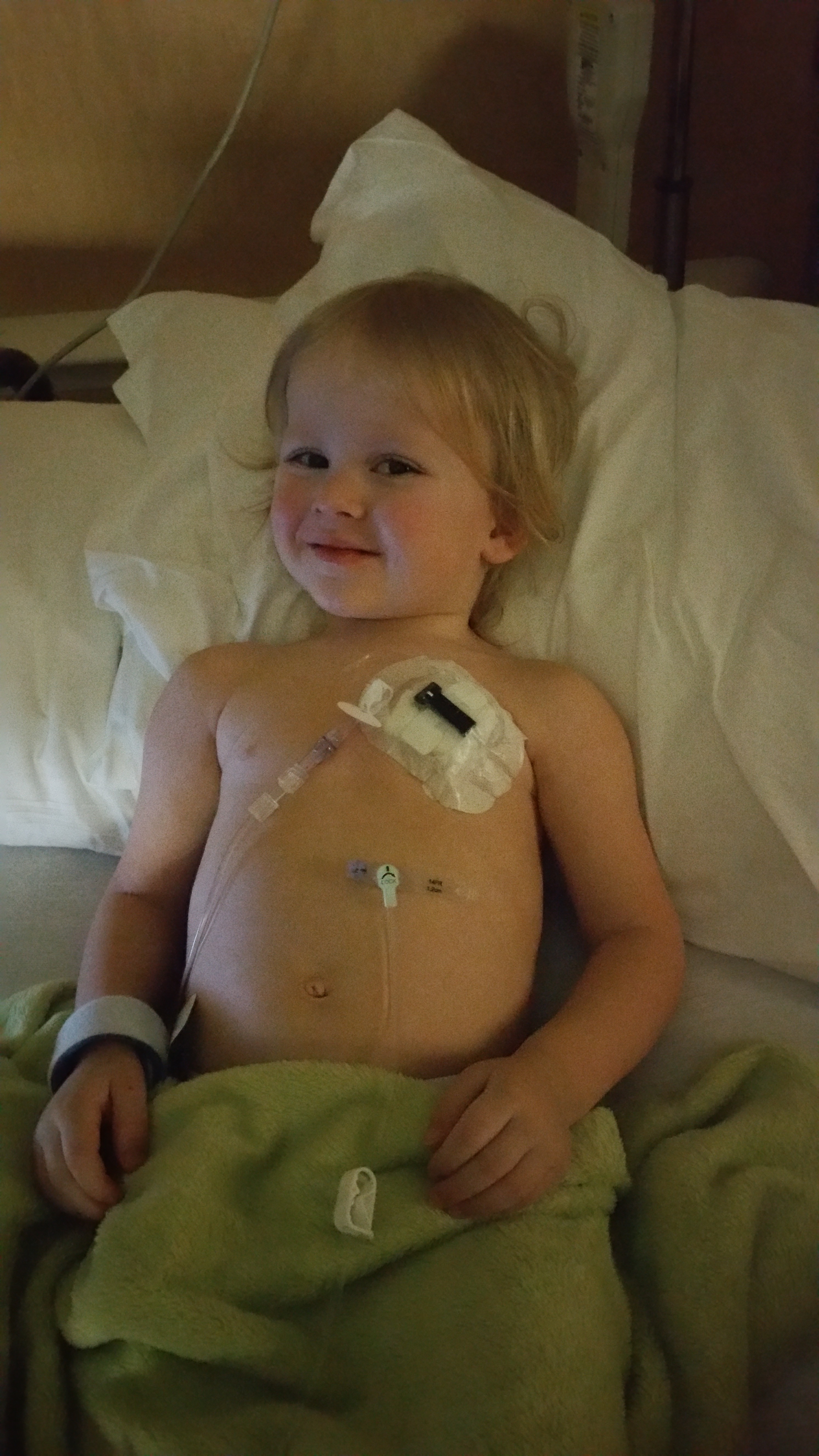
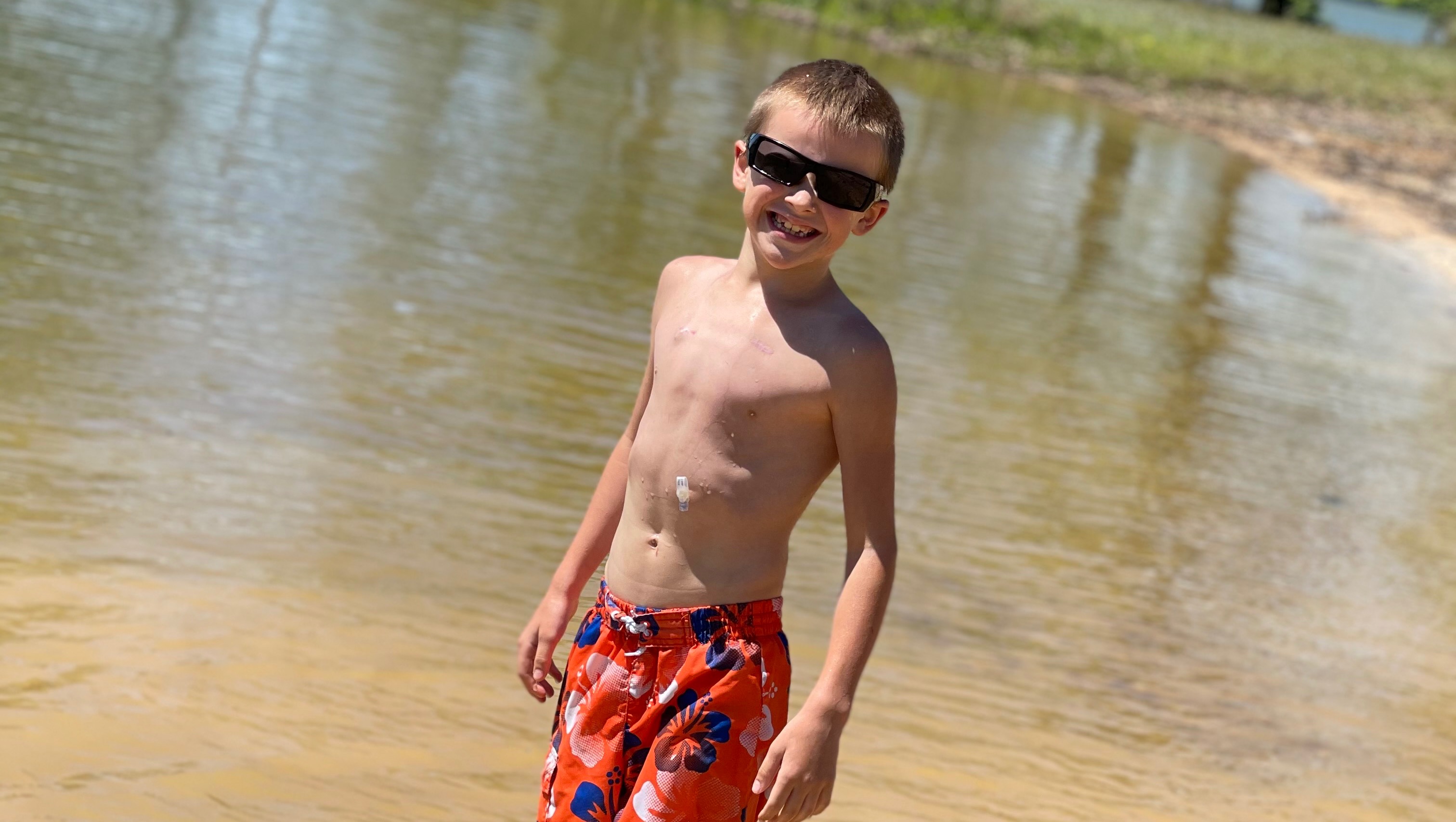
tube) placed because he couldn’t keep his medications or food down. When that became too difficult, we made the decision to have a G-tube placed surgically, as well as a central line for IV medications. Later, we chose to have a mediport placed so his frequent lab draws would be easier.
Once home, Bentley required 13 medications multiple times a day, along with continuous tube feeds. We traveled 4 hours several times a week for appointments and labs. Living in northern Michigan made it even harder during the winter.
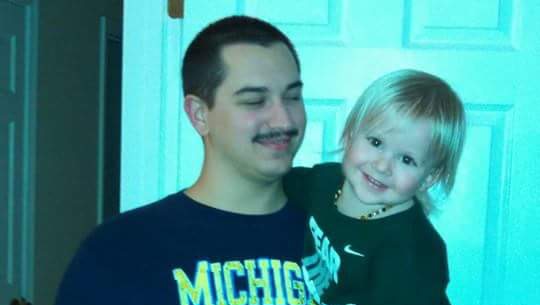
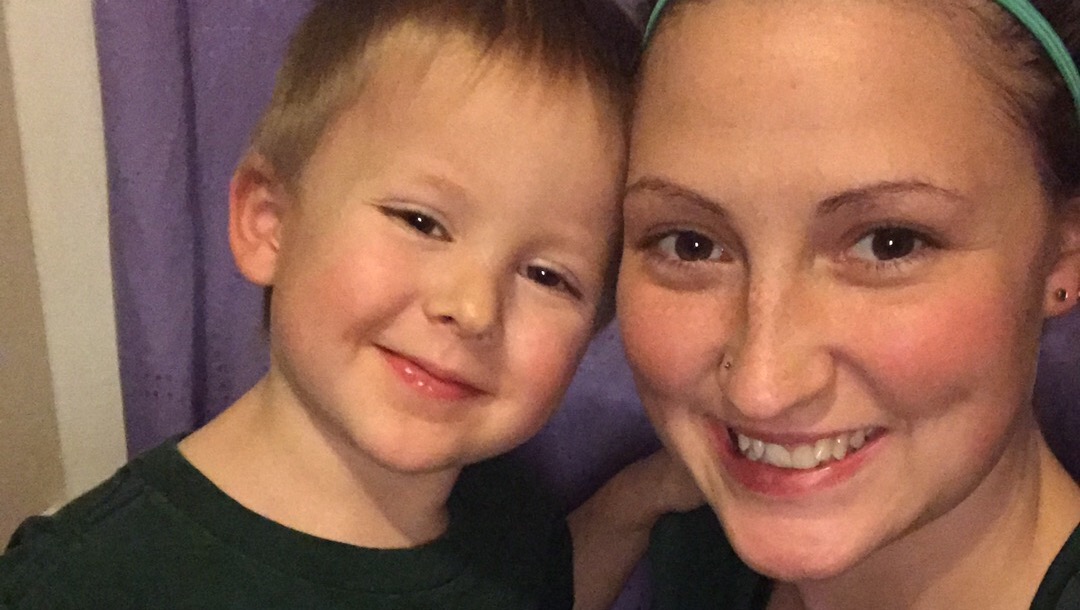
In July of 2014, we decided to move to Tennessee, where we had family, and the children’s hospital was just an hour away.
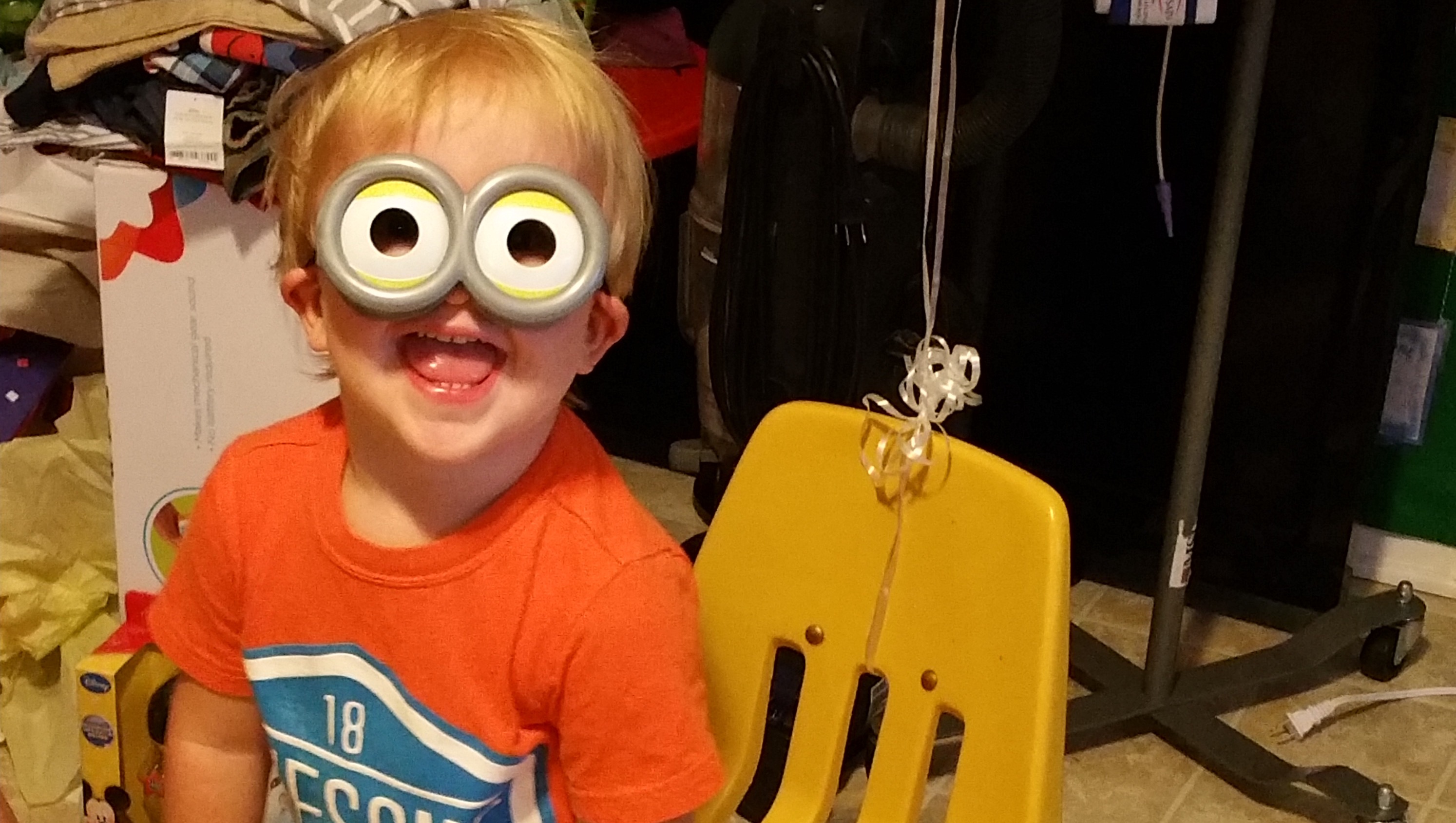
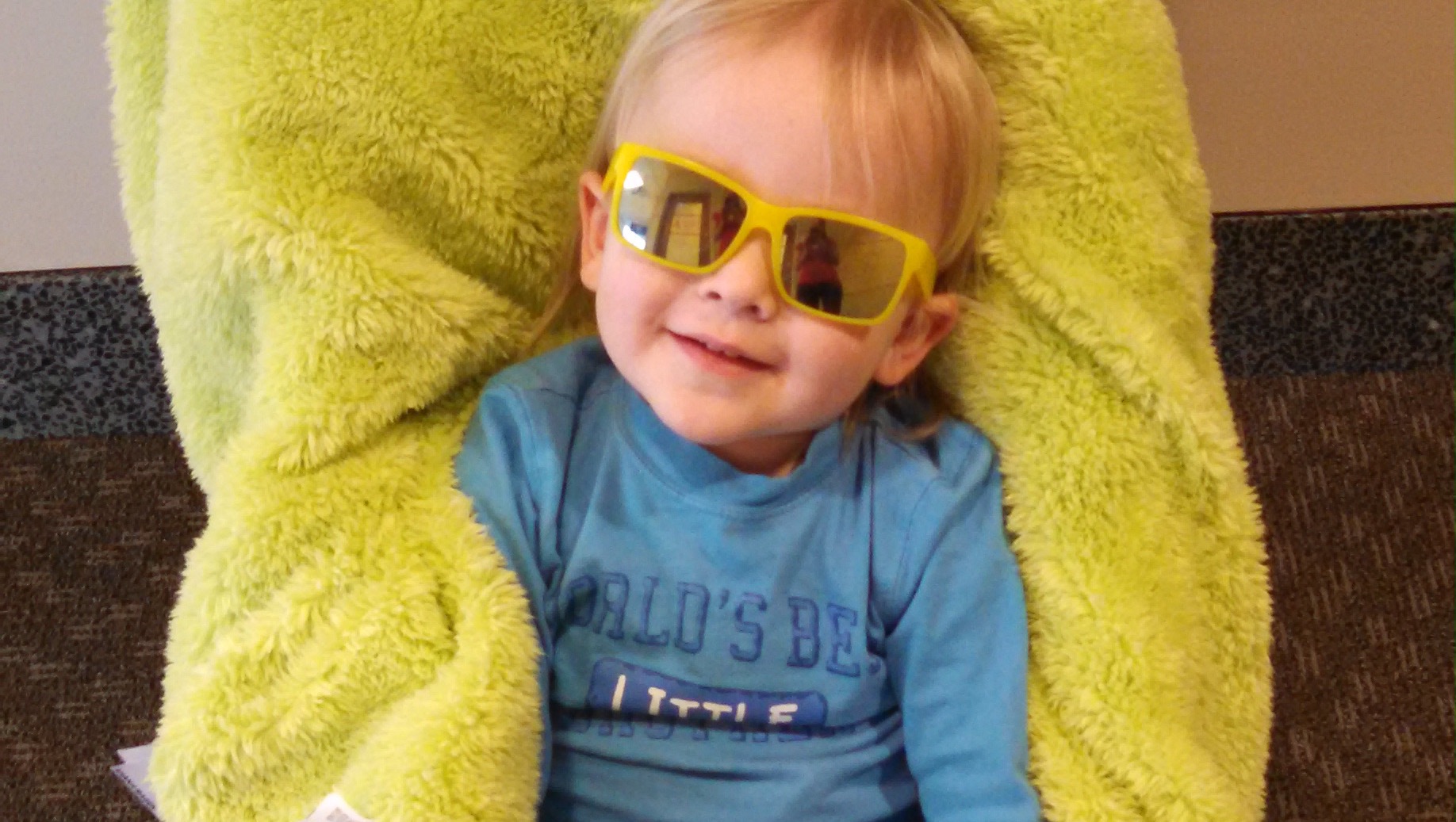
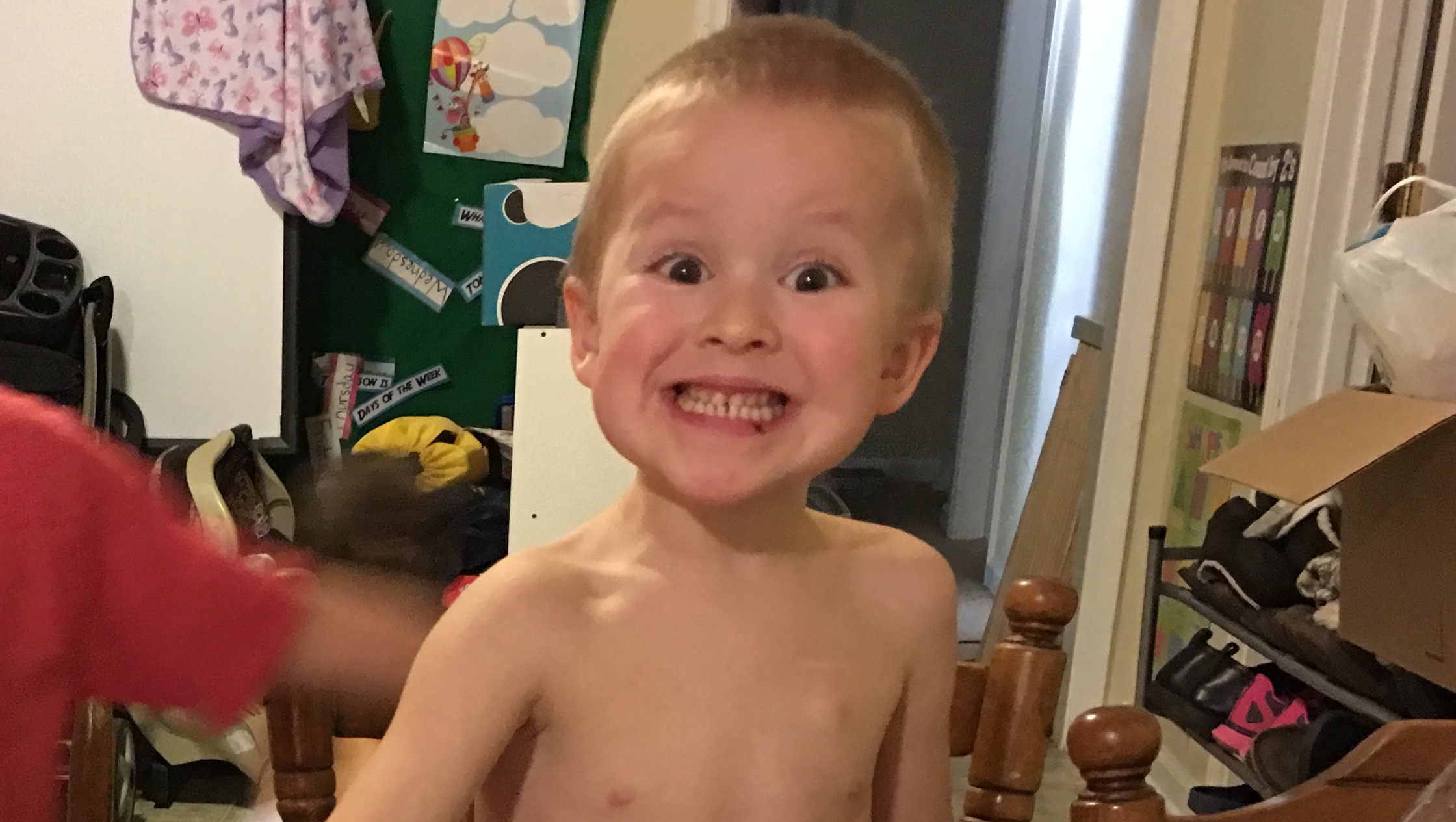
In October 2014, after further genetic testing, we finally received a diagnosis: Cystinosis. It was both heartbreaking and a relief to finally have an answer. Bentley’s nephrologist enrolled him in a clinical trial for Procysbi, one of only two treatments for Cystinosis. This meant traveling to Chicago every other week for a year. Bentley was actually the last participant needed for the trial to help get the drug FDA-approved for children as young as two.
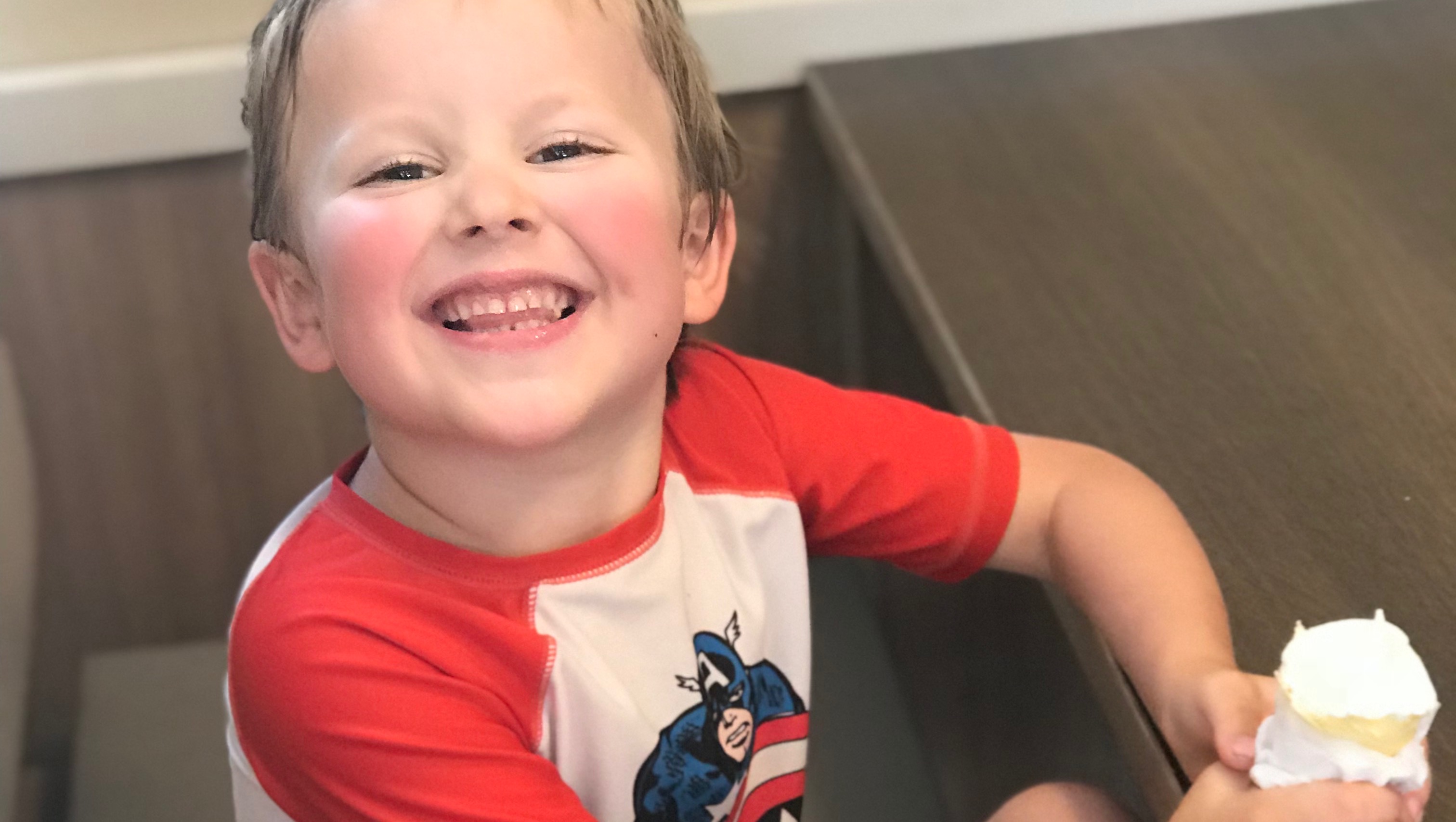
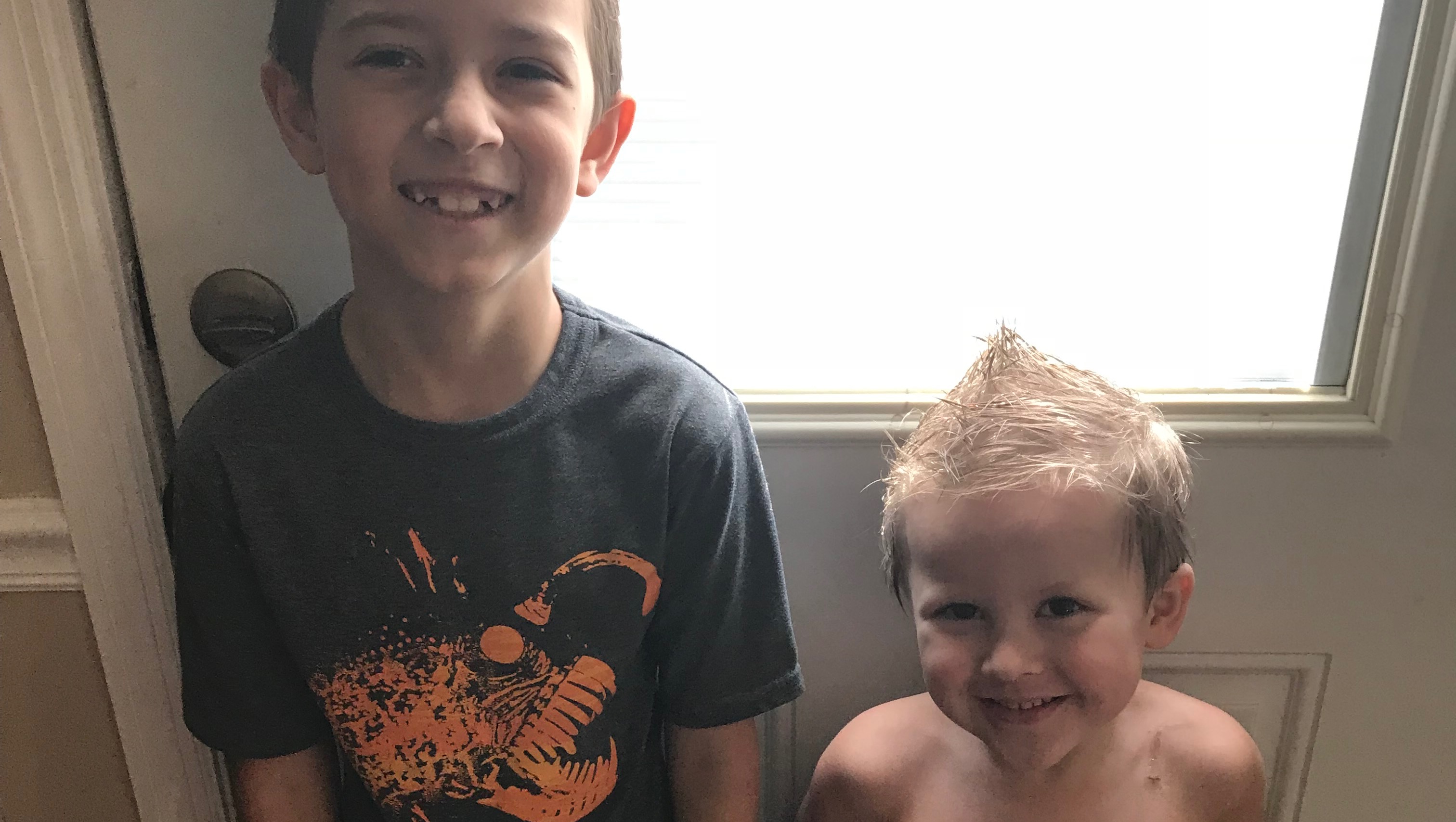
Over the years, Bentley has had multiple hospital stays, often triggered by stomach bugs that made it impossible for him to keep down his medications. He’s undergone several surgeries — including port replacements, and in October 2019, surgery to place plates and screws in his knees to correct severe bowing from rickets. Those were removed in 2021, along with another port replacement.
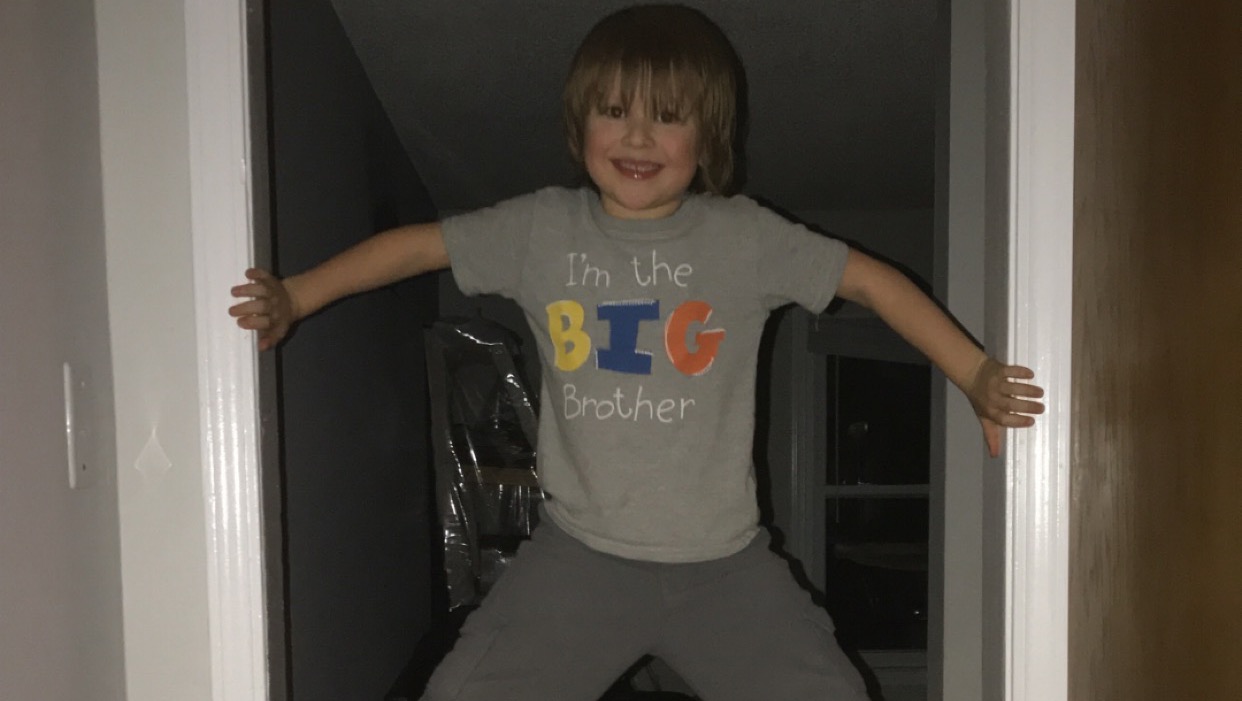
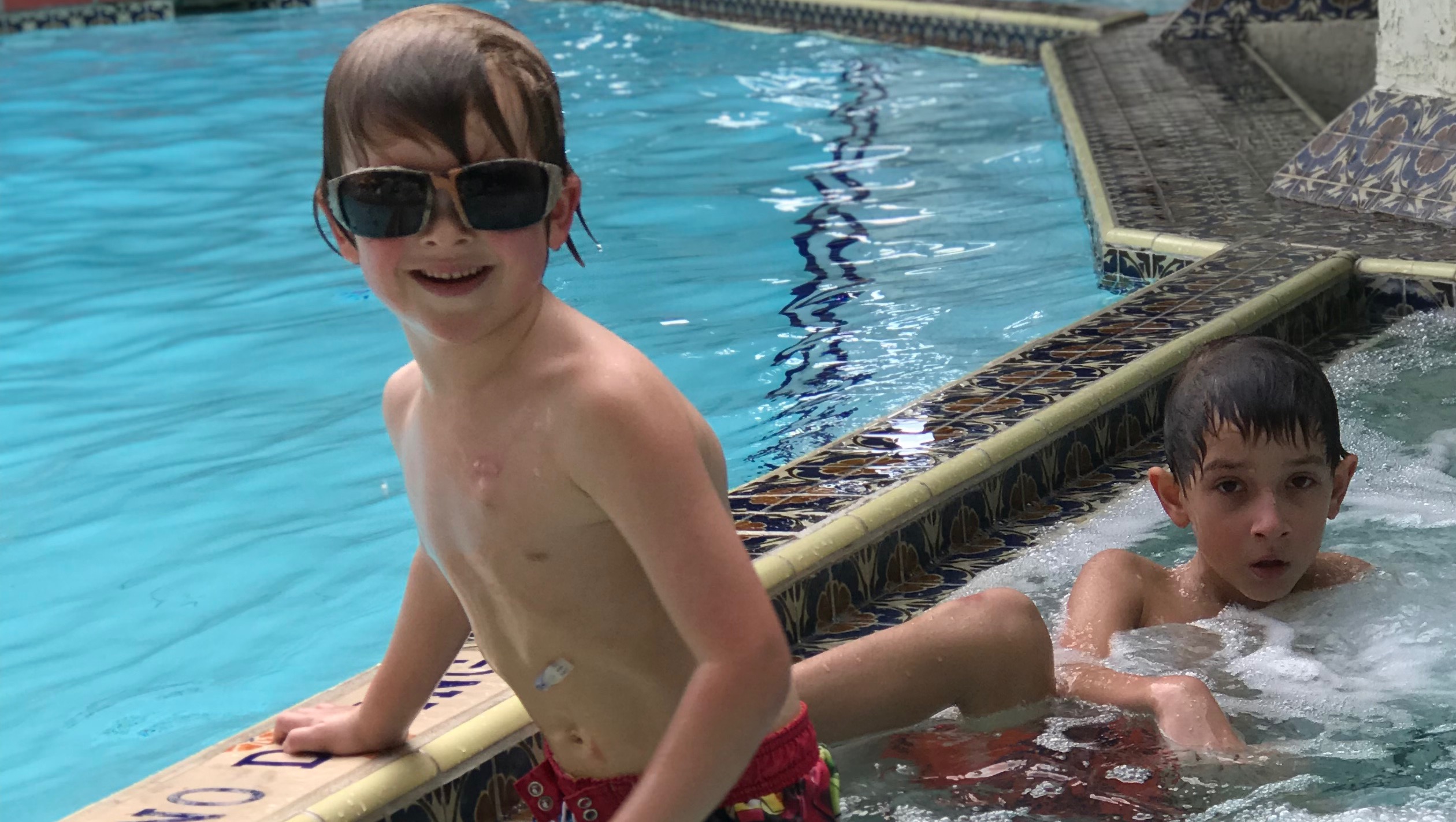
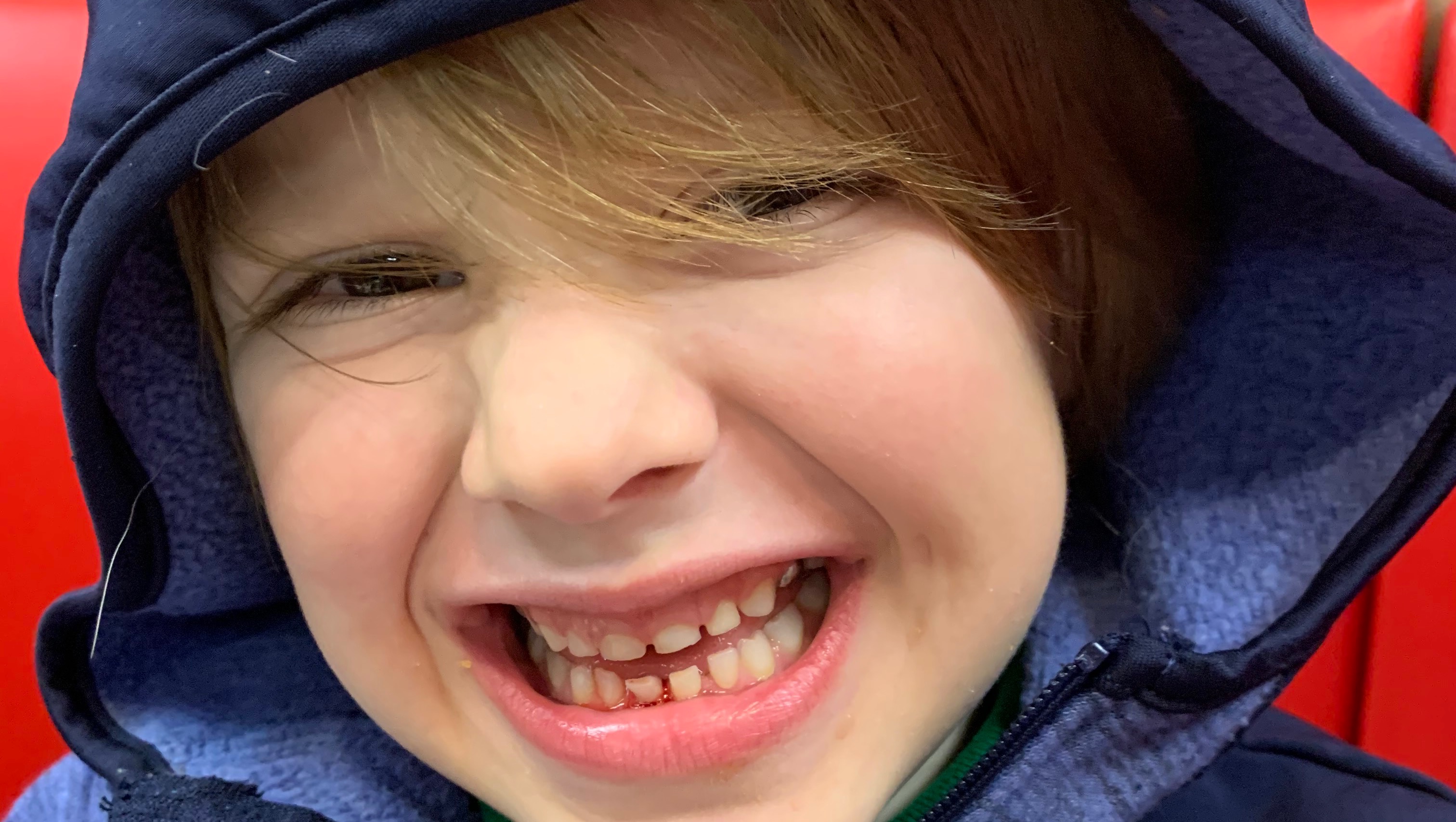
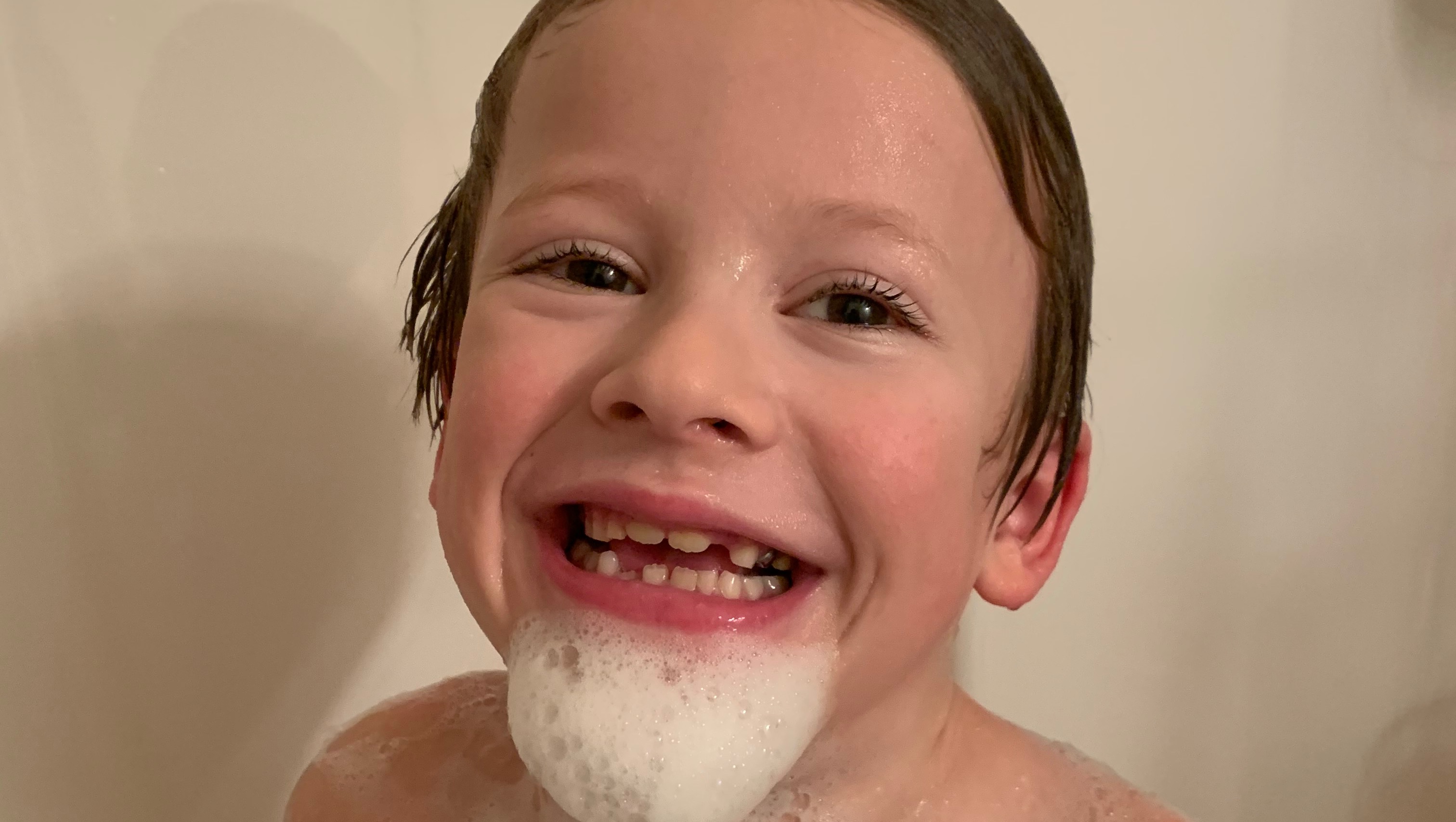
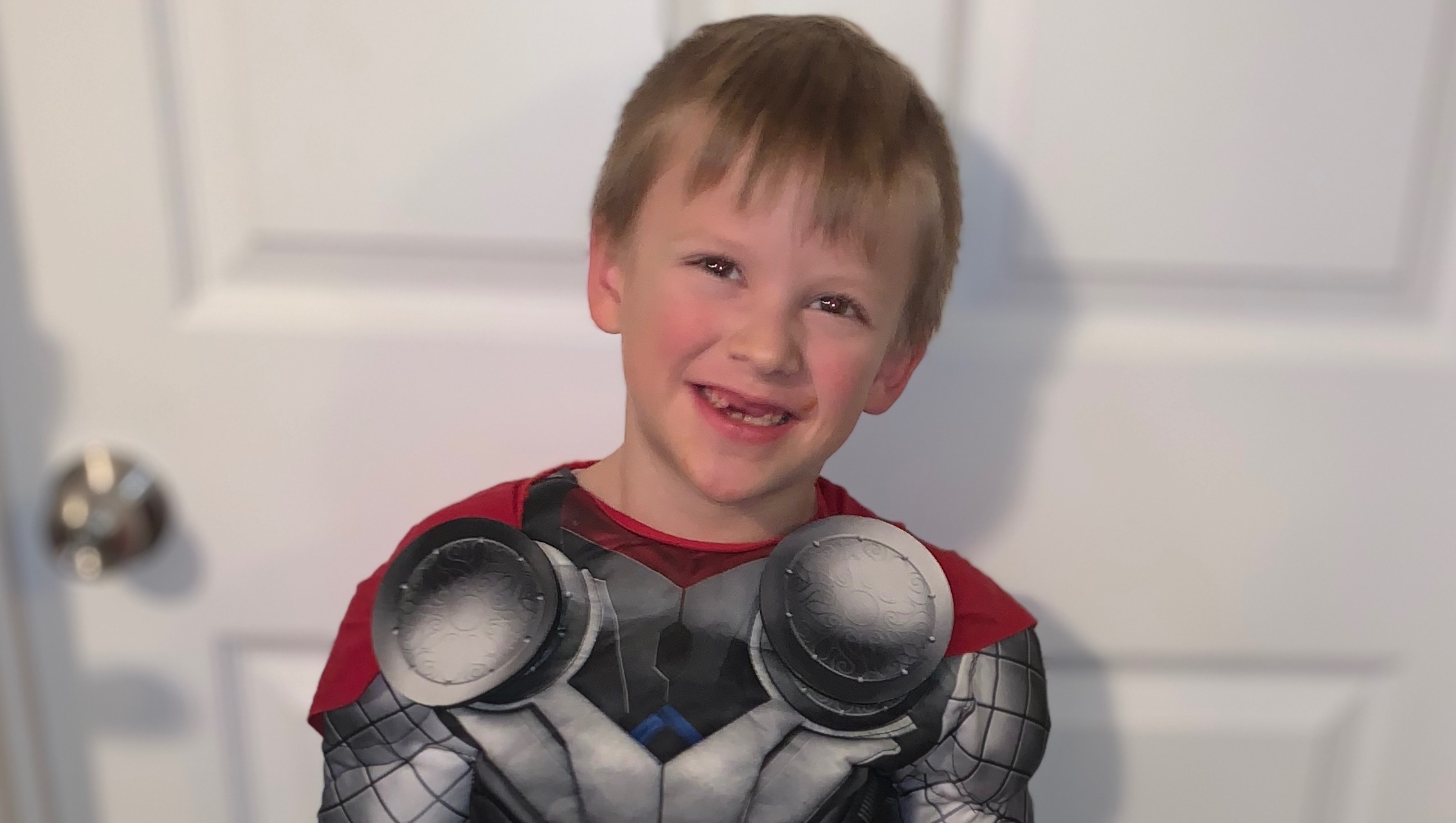
Fast forward to November 2024 — Bentley began sleeping excessively, sometimes 20–22 hours a day. His labs showed his kidney function had dropped to 27%, and his body wasn’t producing enough blood. His nephrologist initially dismissed it as possible depression, but our amazing pediatrician wasn’t convinced. He advocated for Bentley to receive weekly shots for his anemia, and soon Bentley began improving — he was awake, joking, eating, and feeling like himself again.
I asked the nephrologist for a referral to the kidney transplant team, but she refused, saying he wouldn’t qualify until his function dropped below 20%. Our pediatrician disagreed and encouraged us to seek a second opinion.
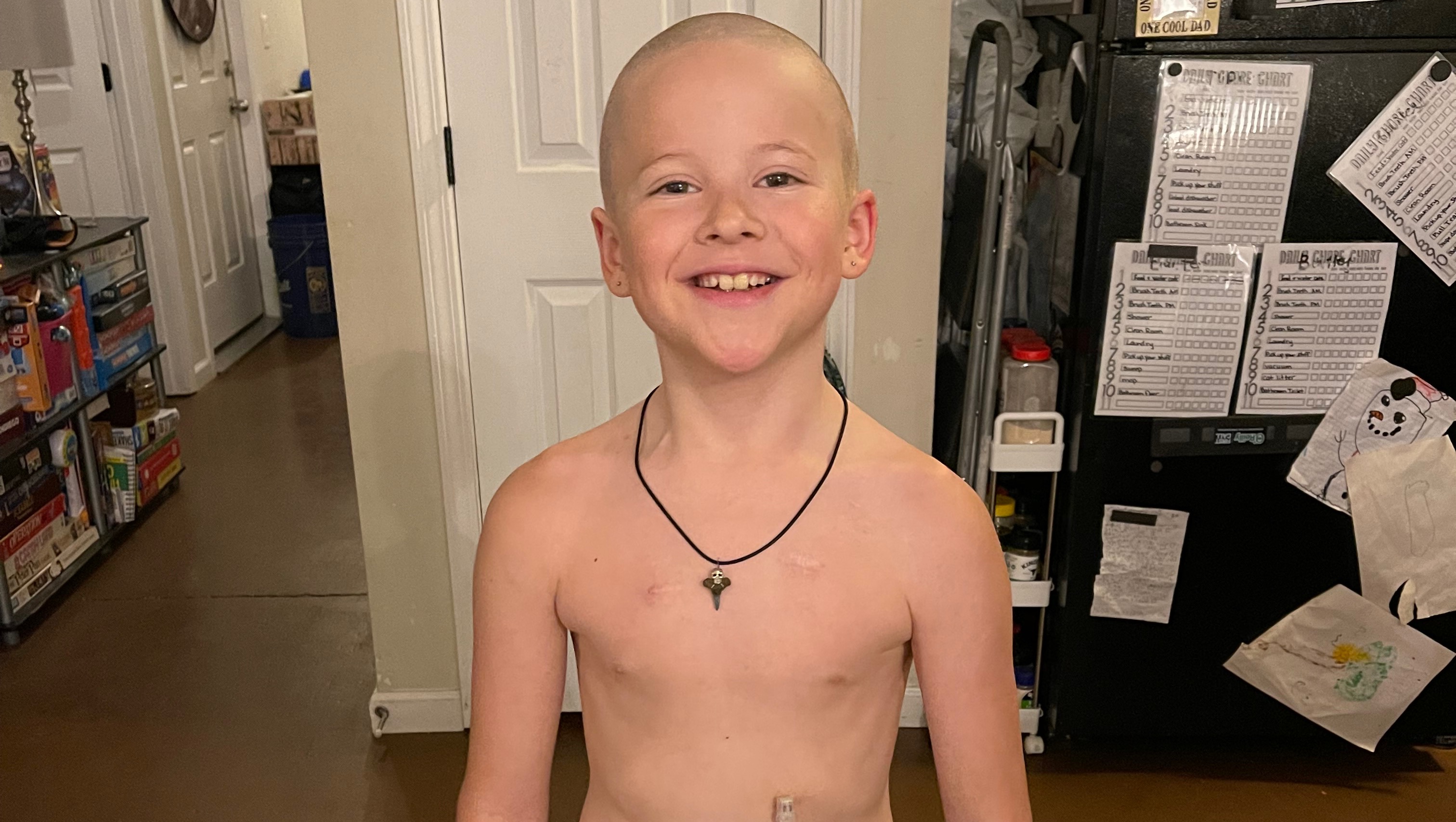
In August 2025, Bentley and I flew to California to meet with a Cystinosis specialist. After reviewing years of data, the doctor told us that Bentley’s kidney function would likely fall to 10% by Christmas. He strongly believed Cystinosis patients should be listed for transplant early, since lab numbers don’t always reflect their true kidney function.
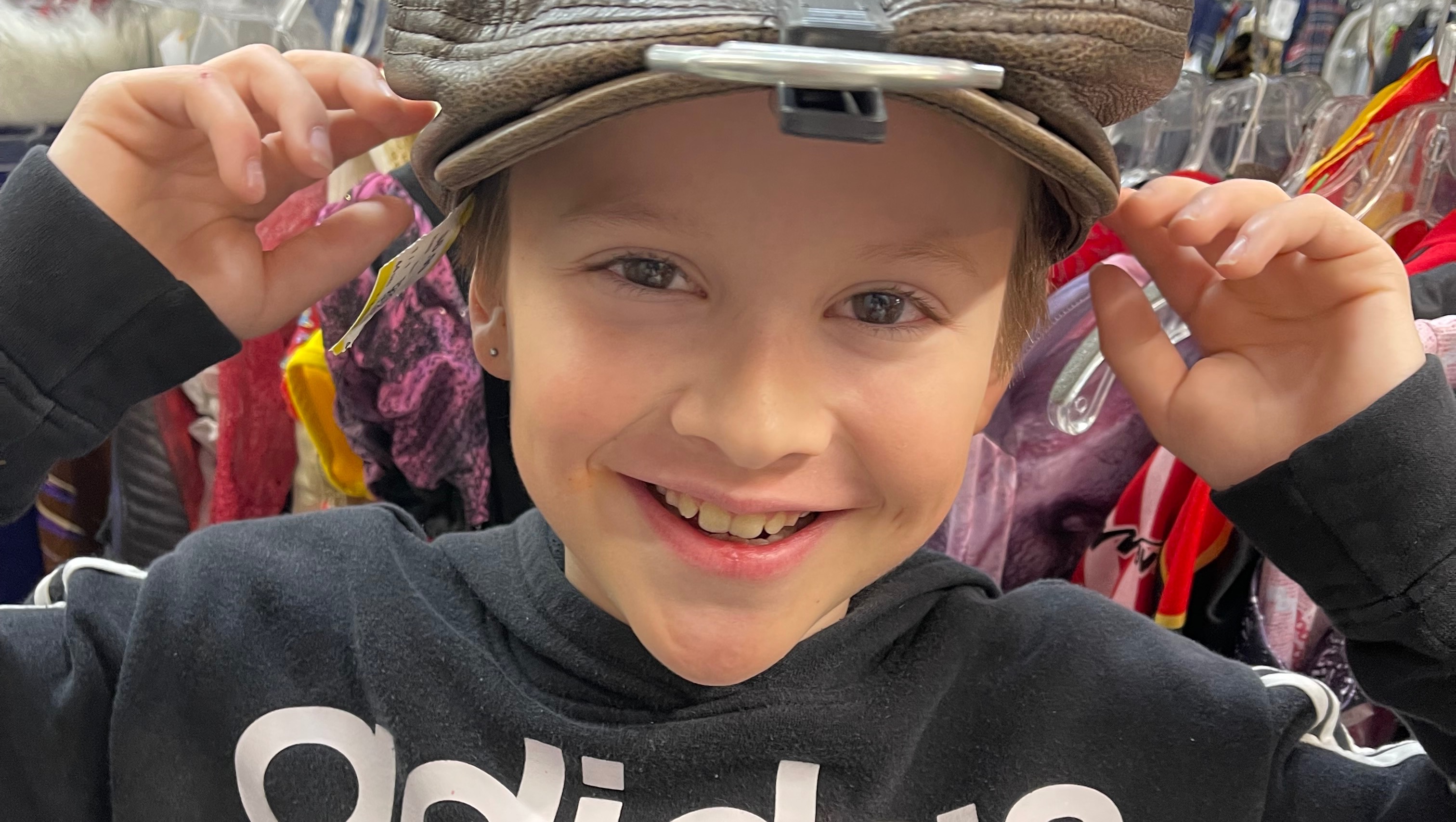
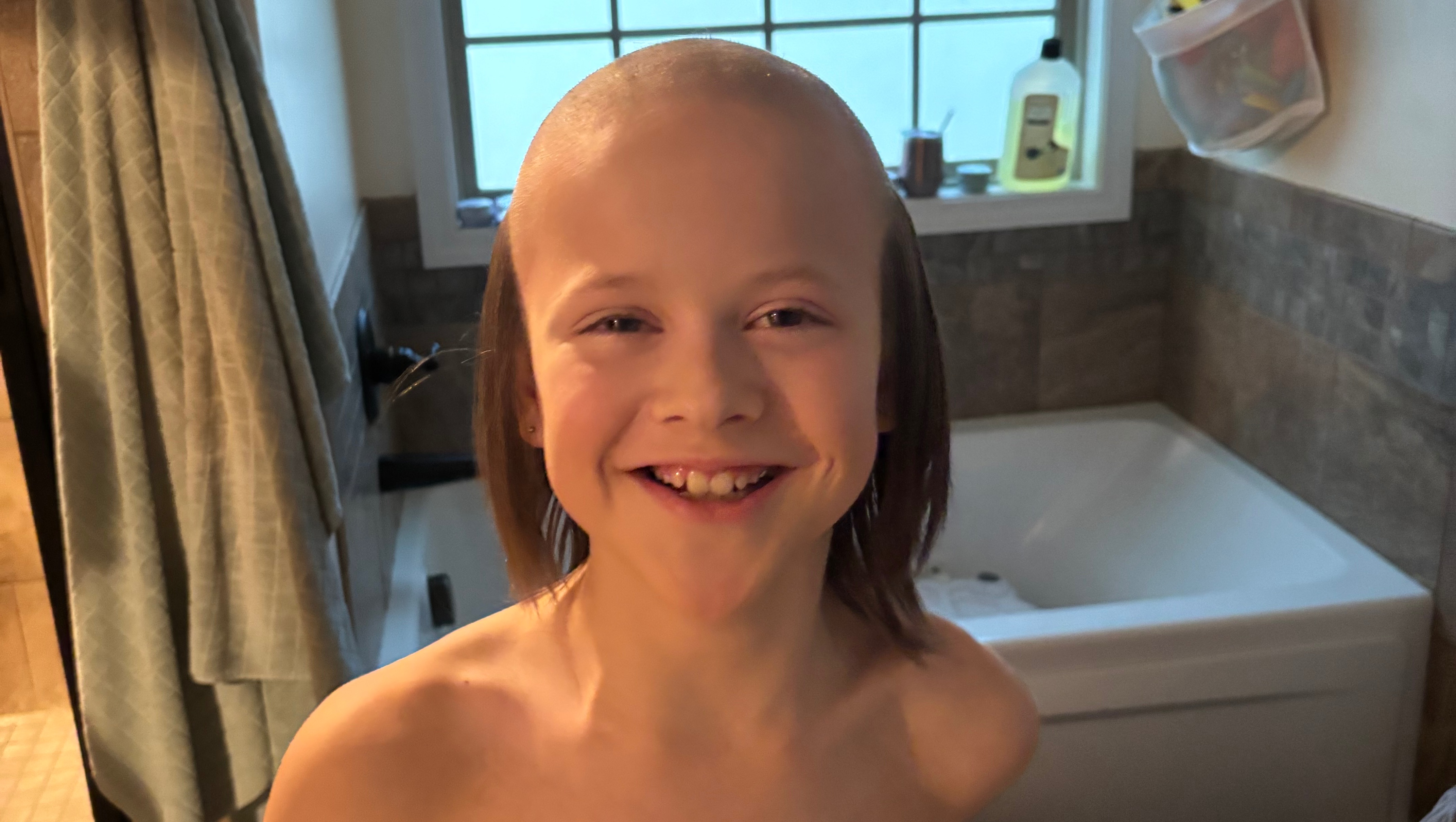
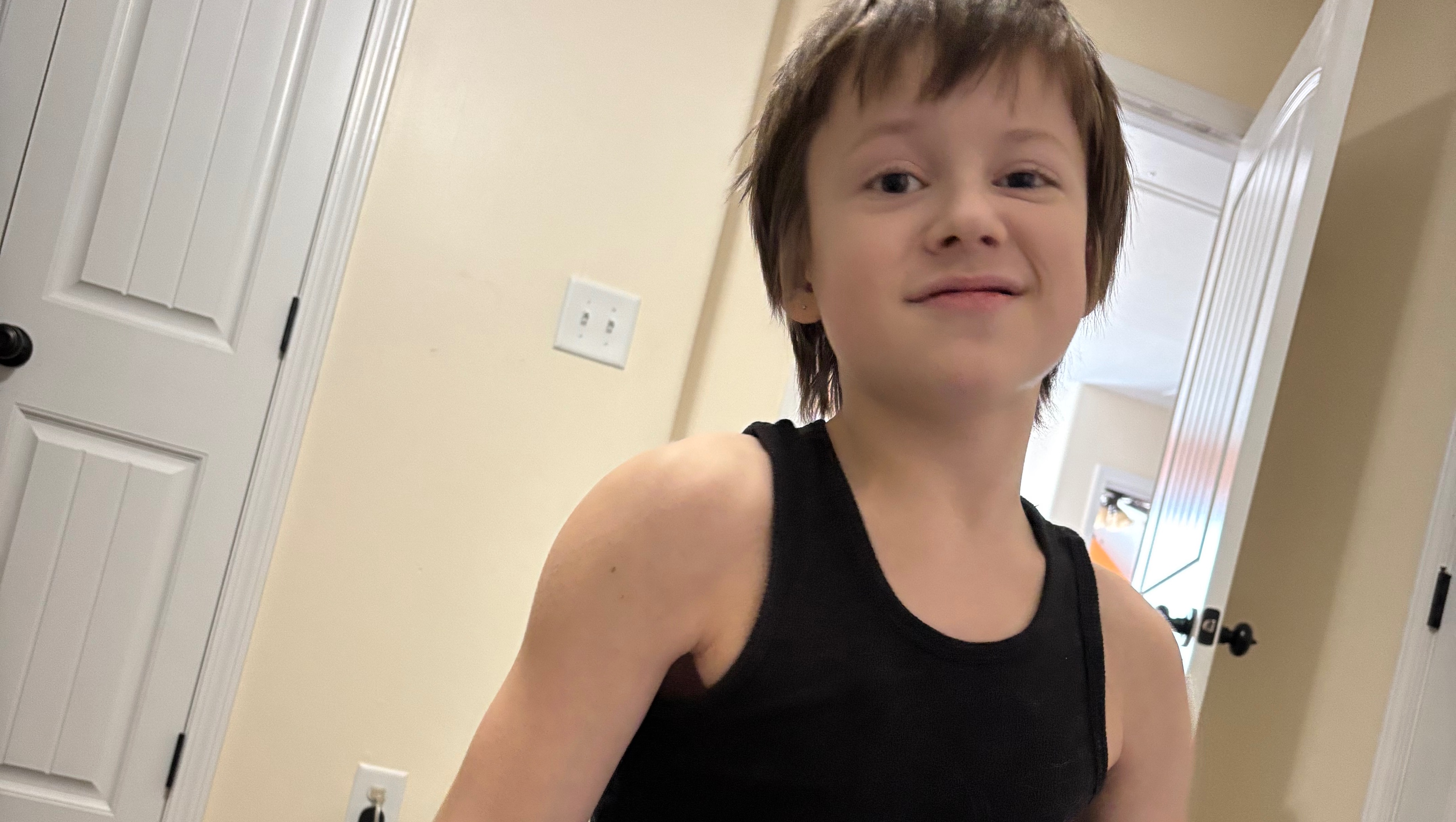
Thanks to that visit, Bentley was finally referred for his first appointment with the transplant team on 10/8/2025 and we are now beginning the process. Dad has already been medically disqualified to be his donor. On the day of his appointment I will begin testing to see if I’m a match to donate.
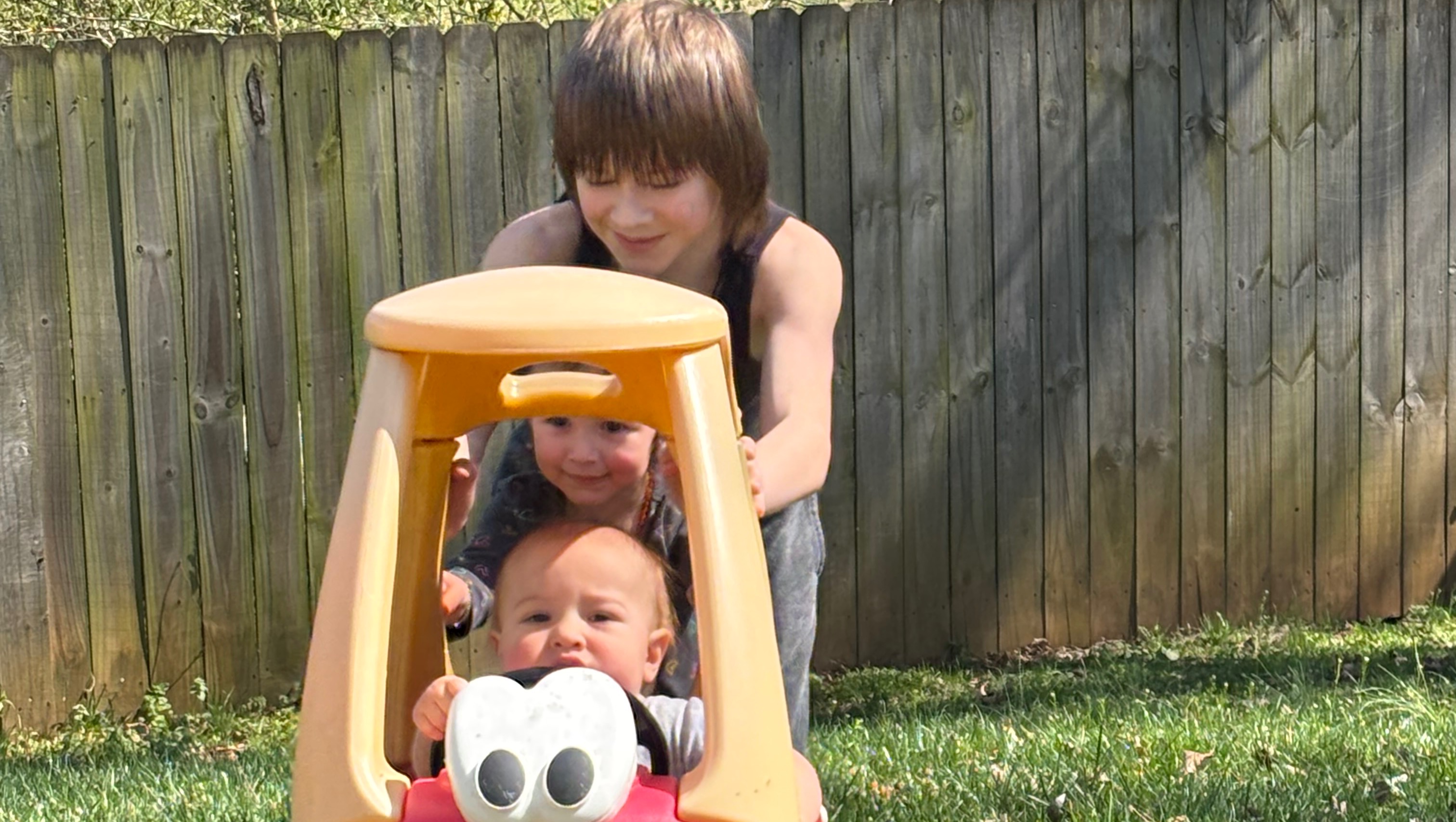
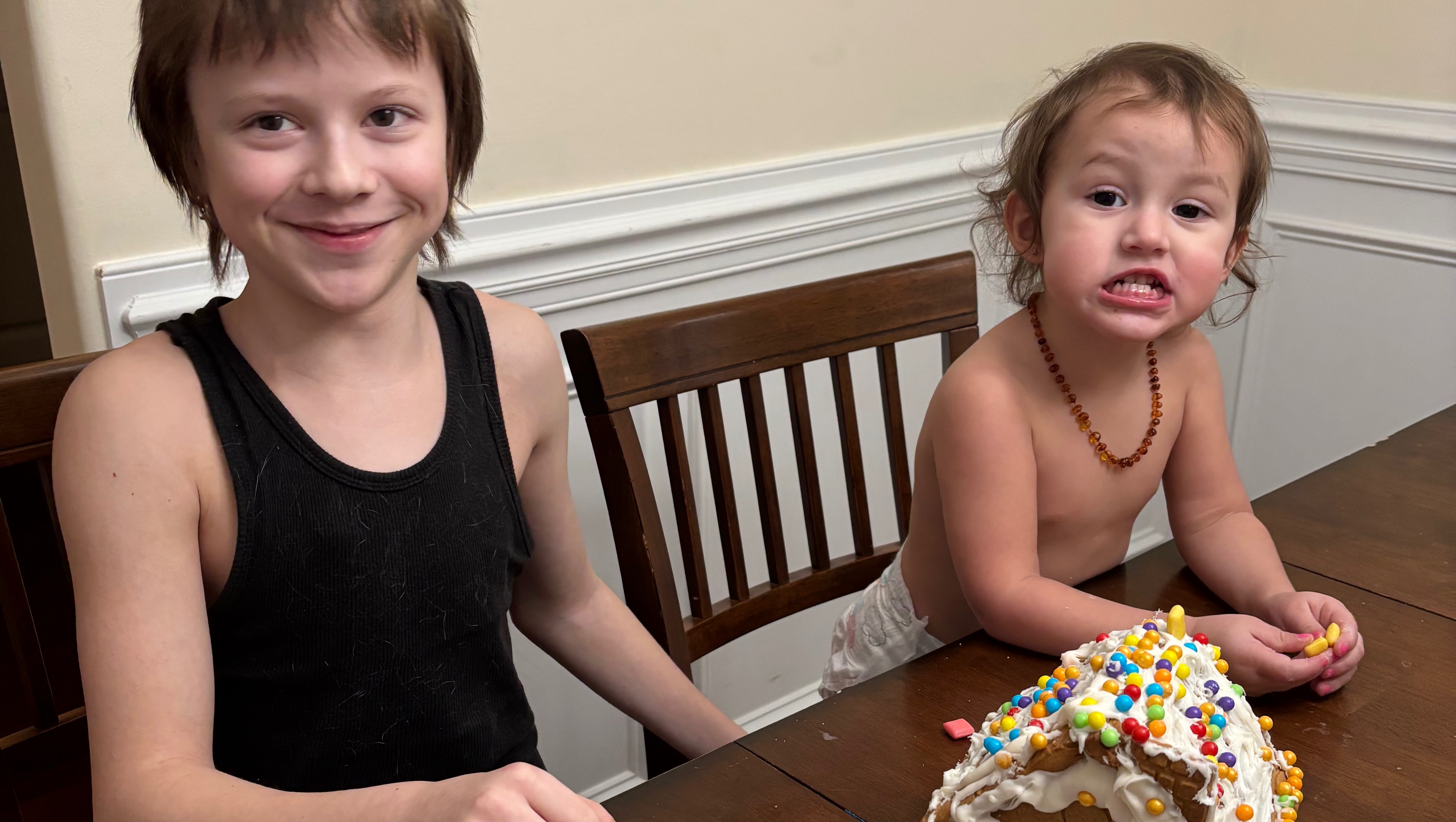
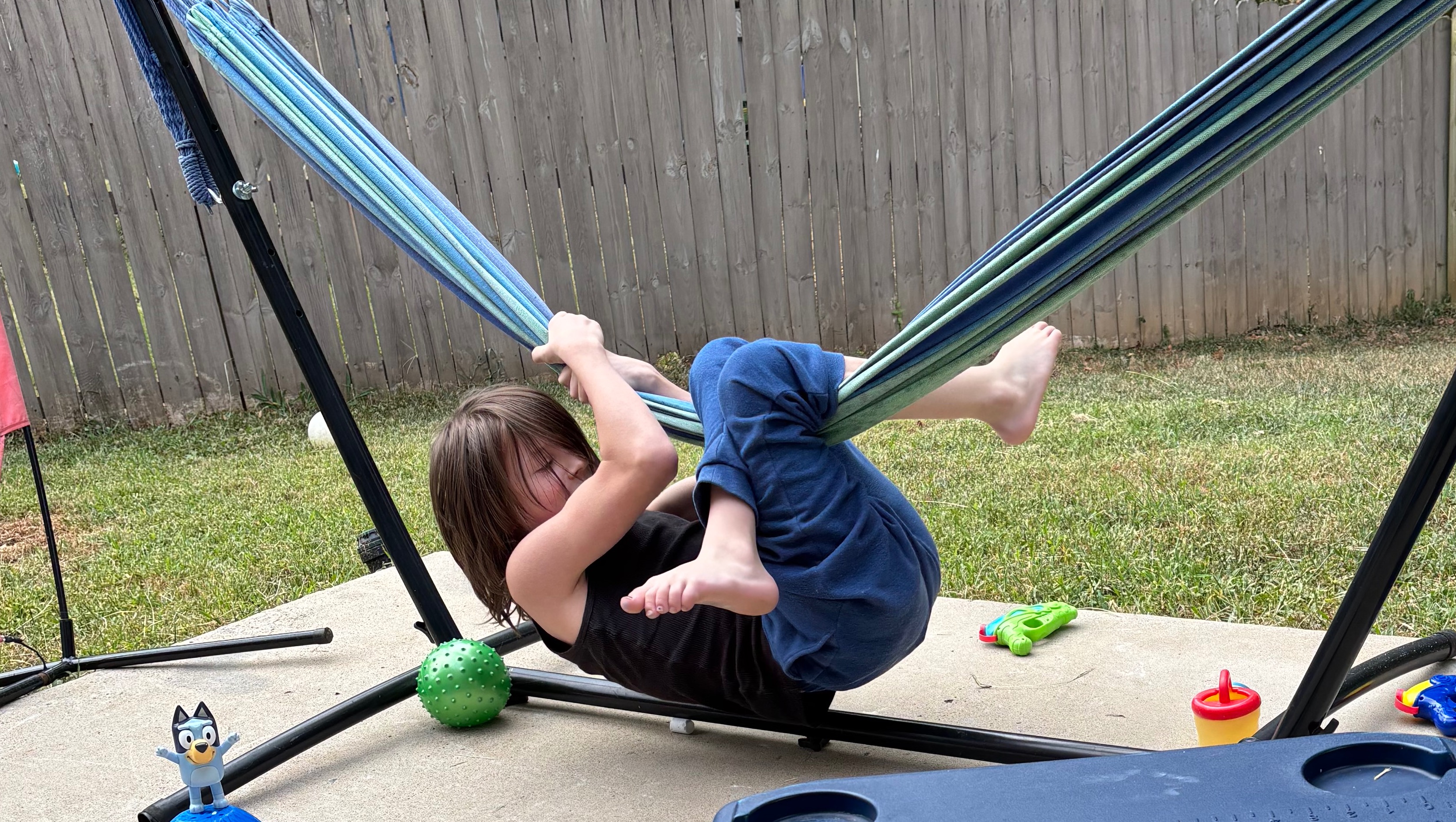
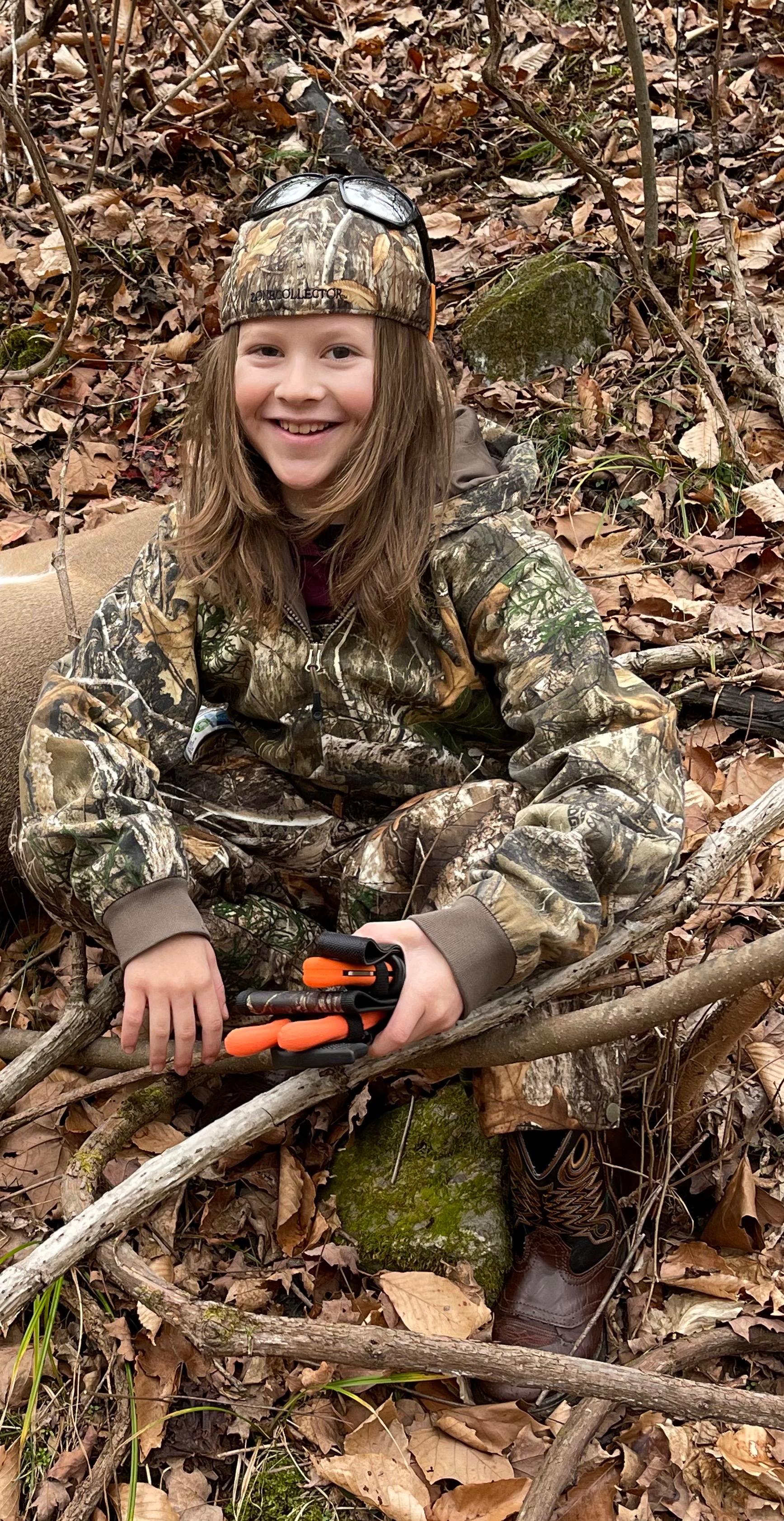
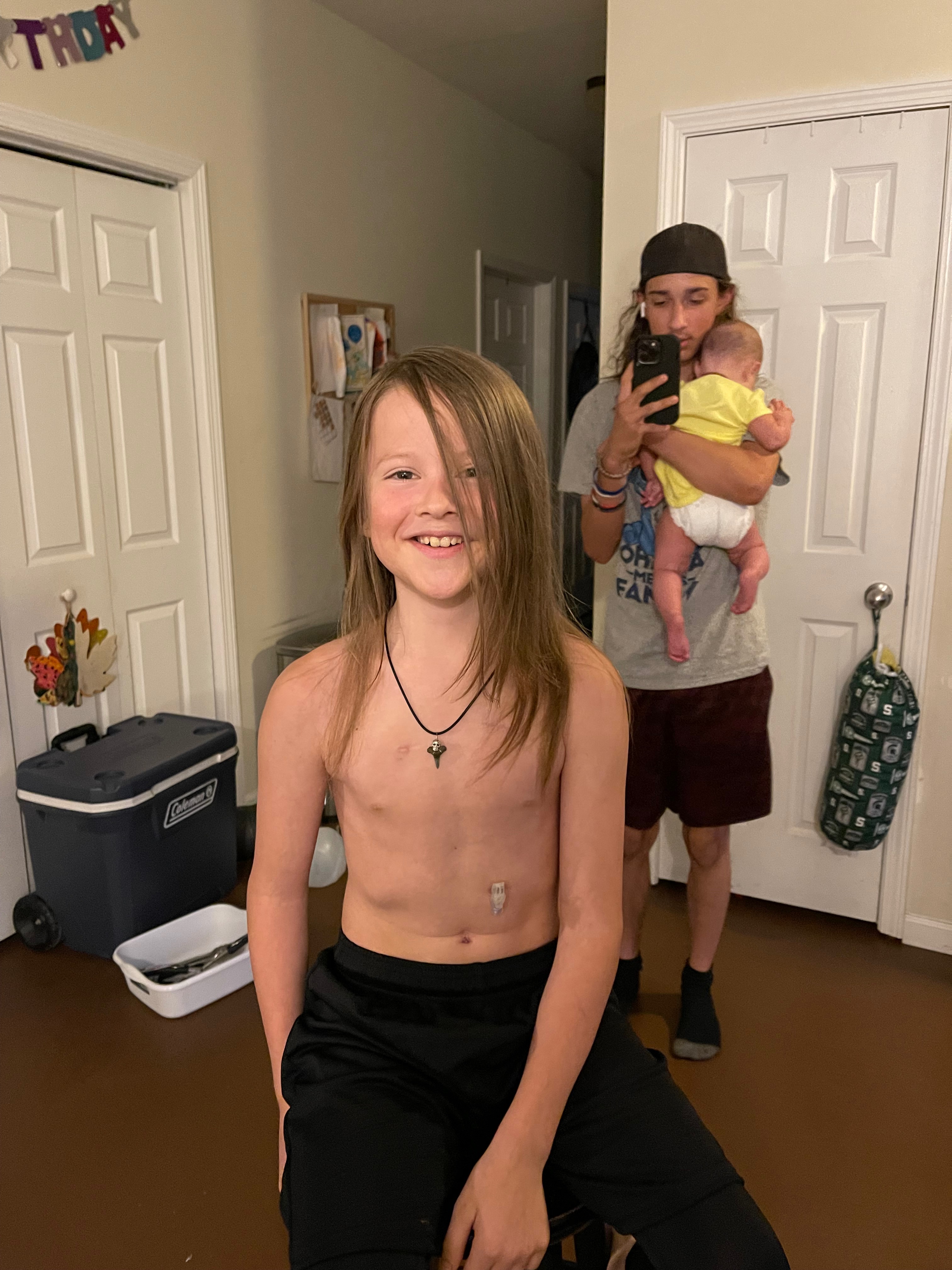
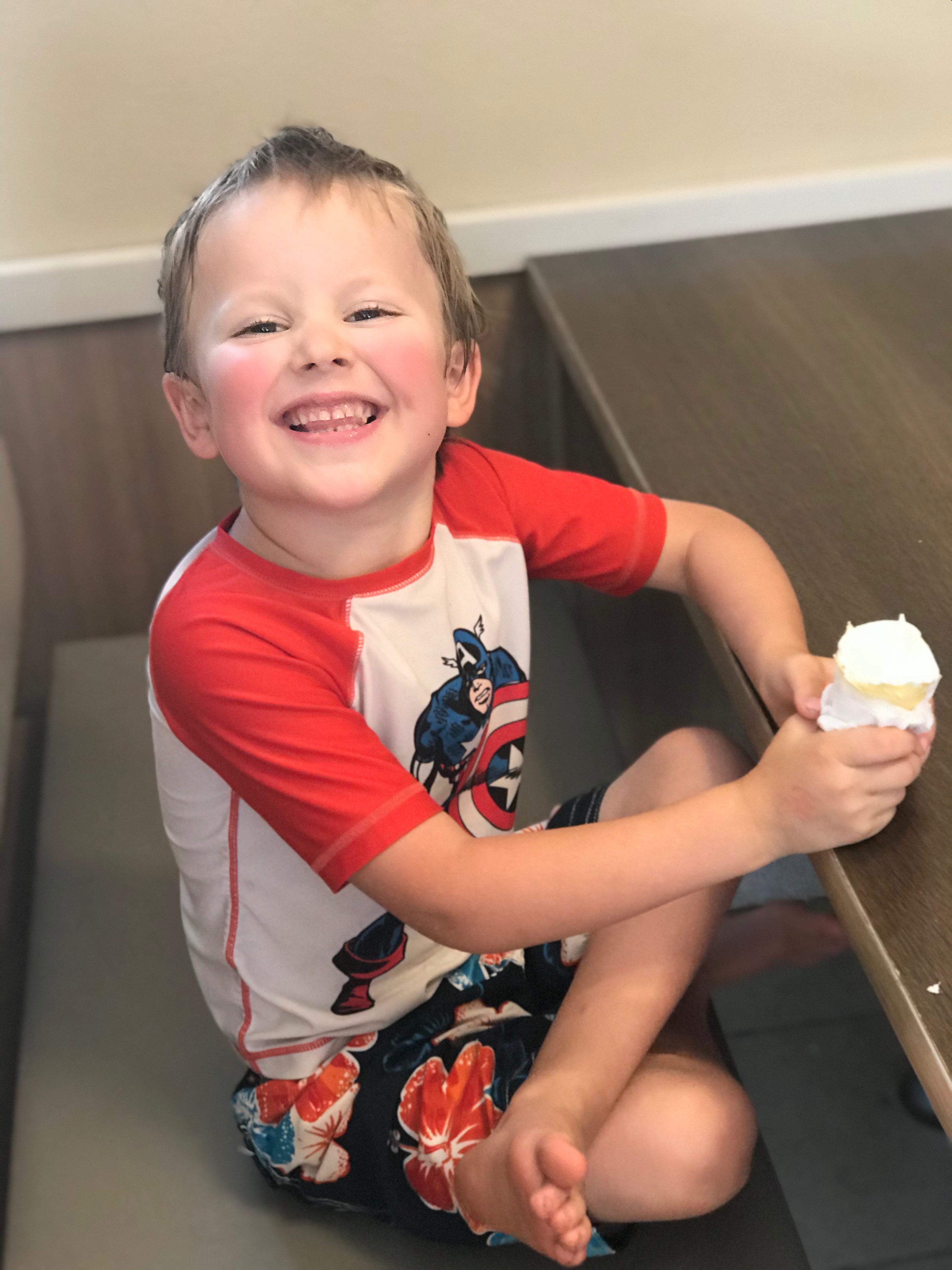
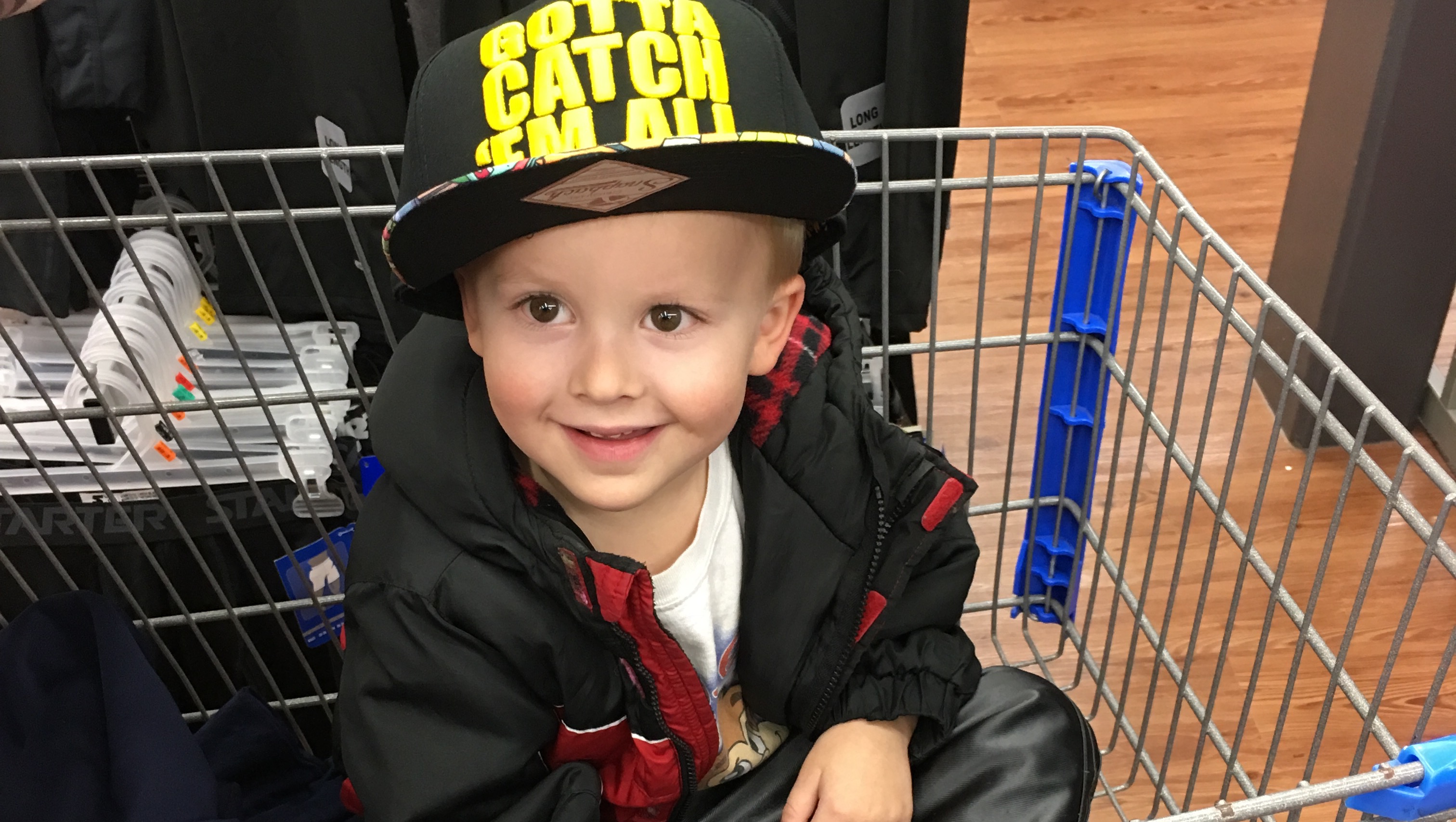
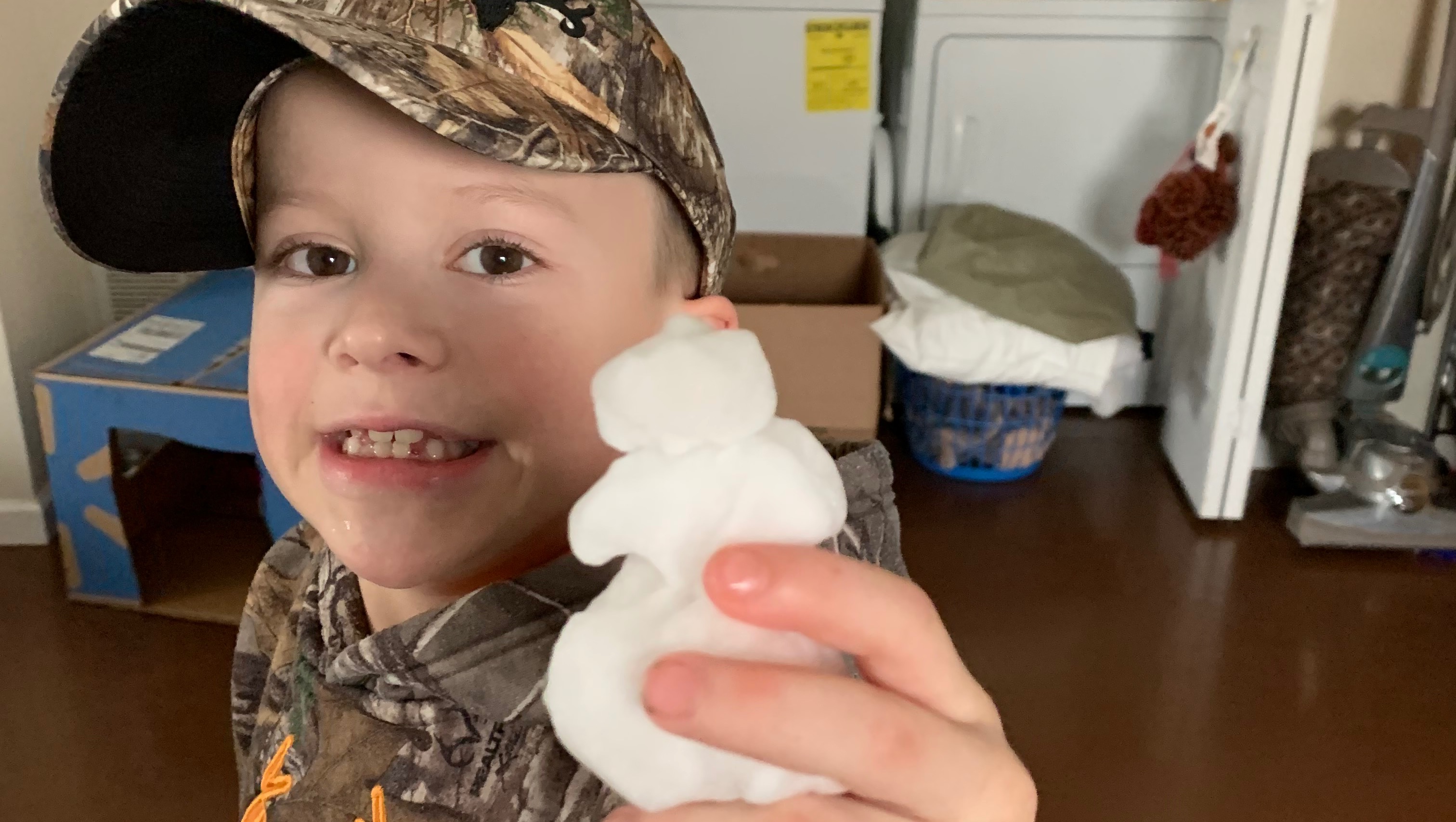
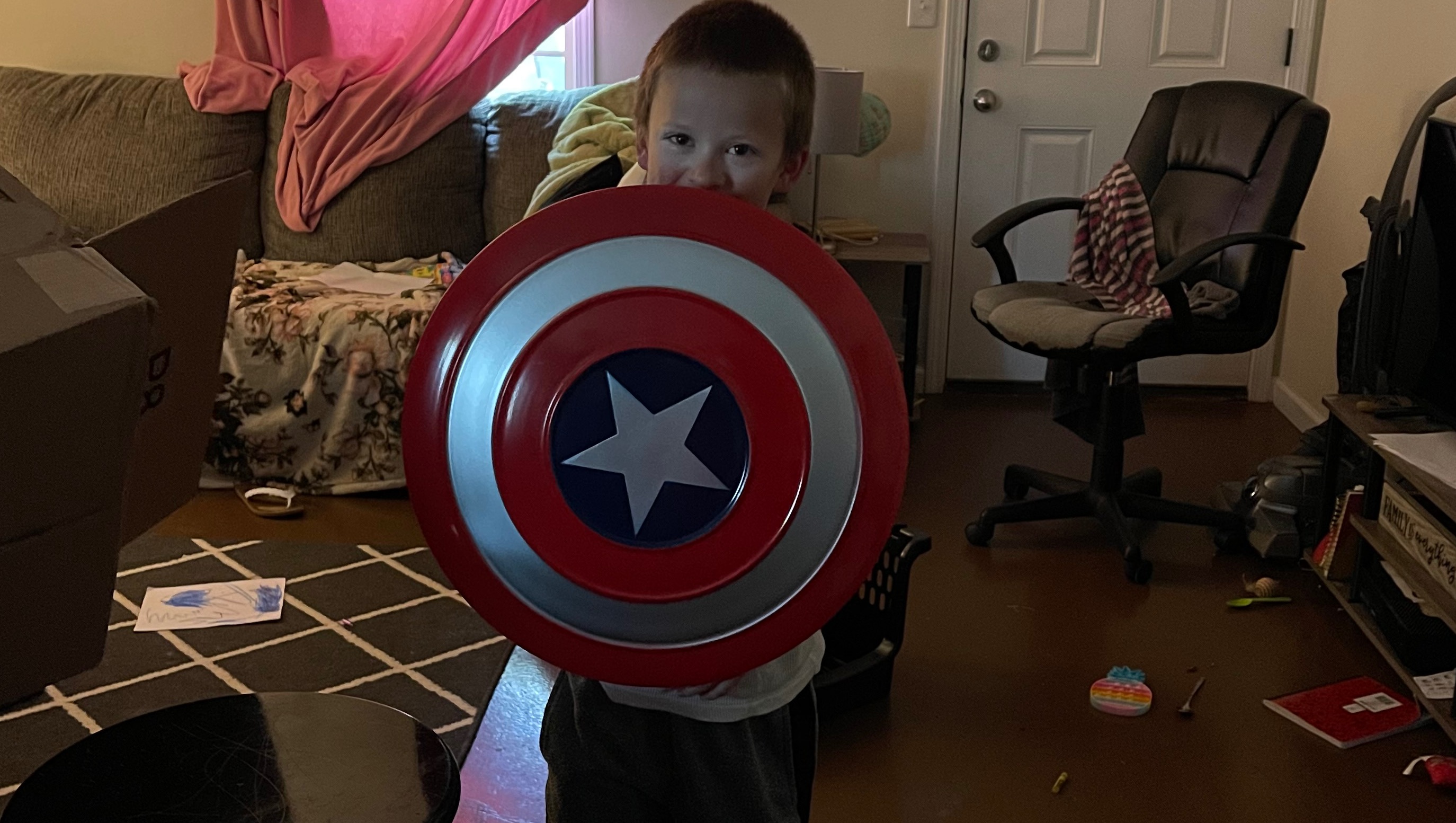
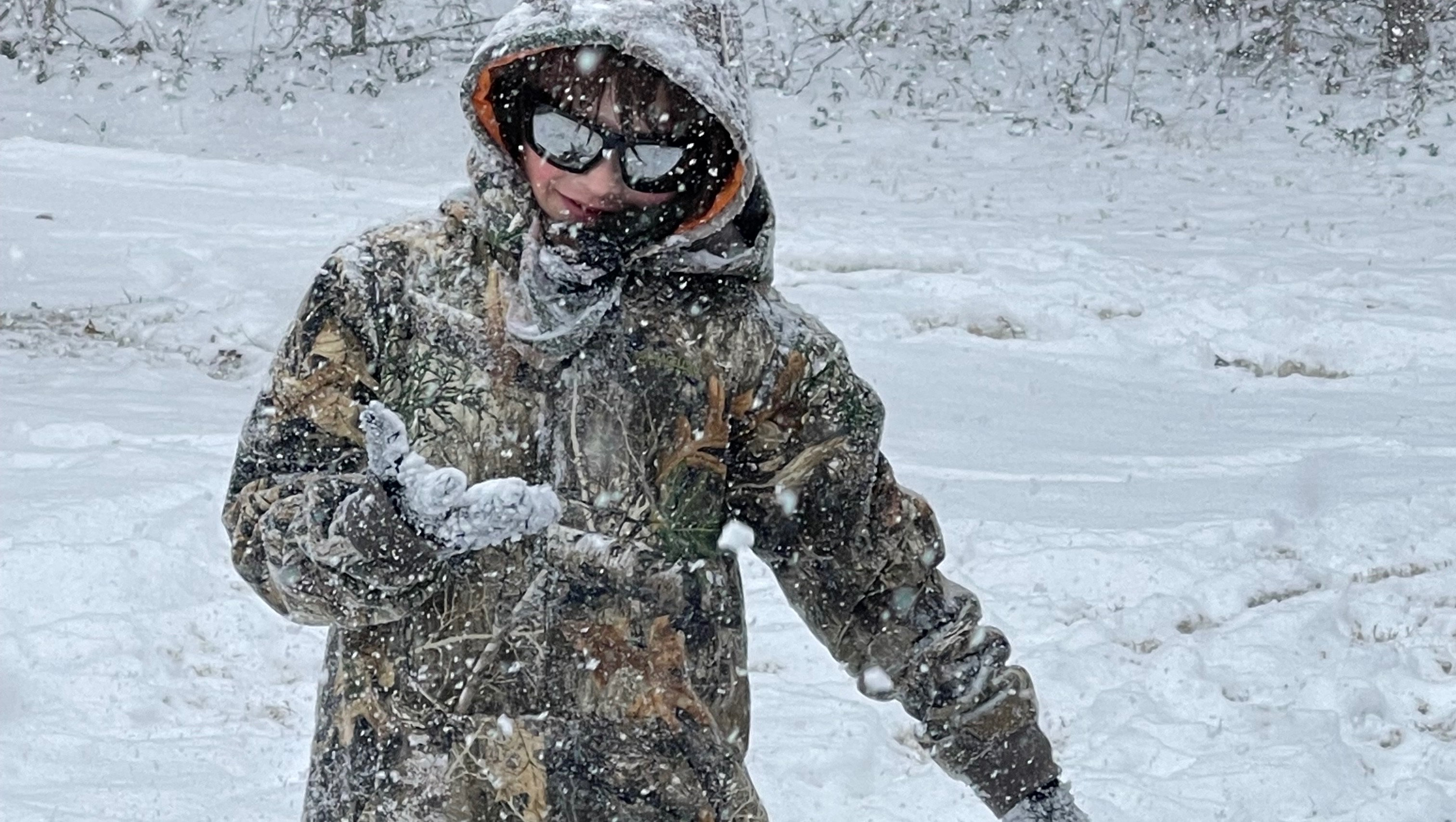
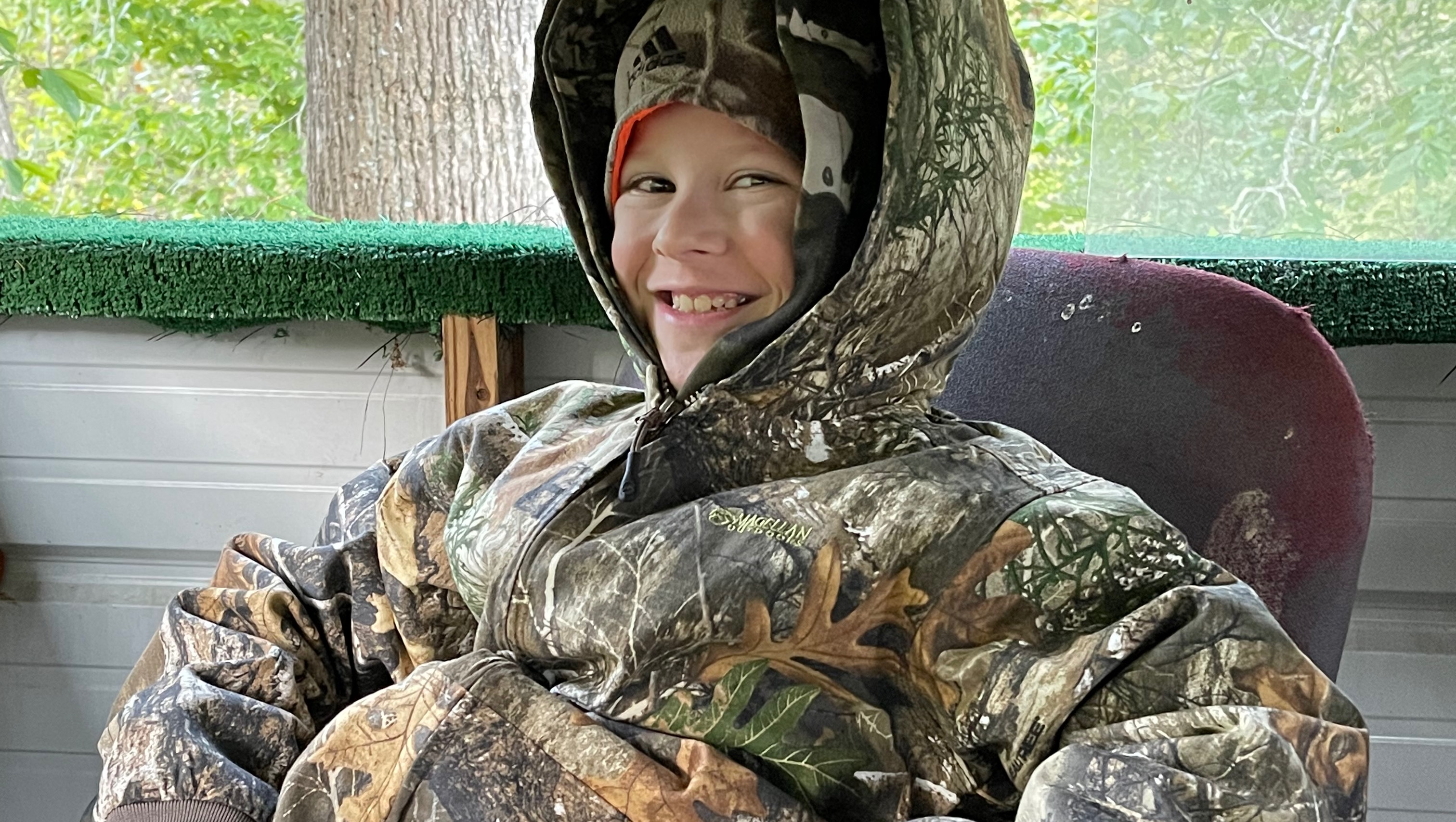
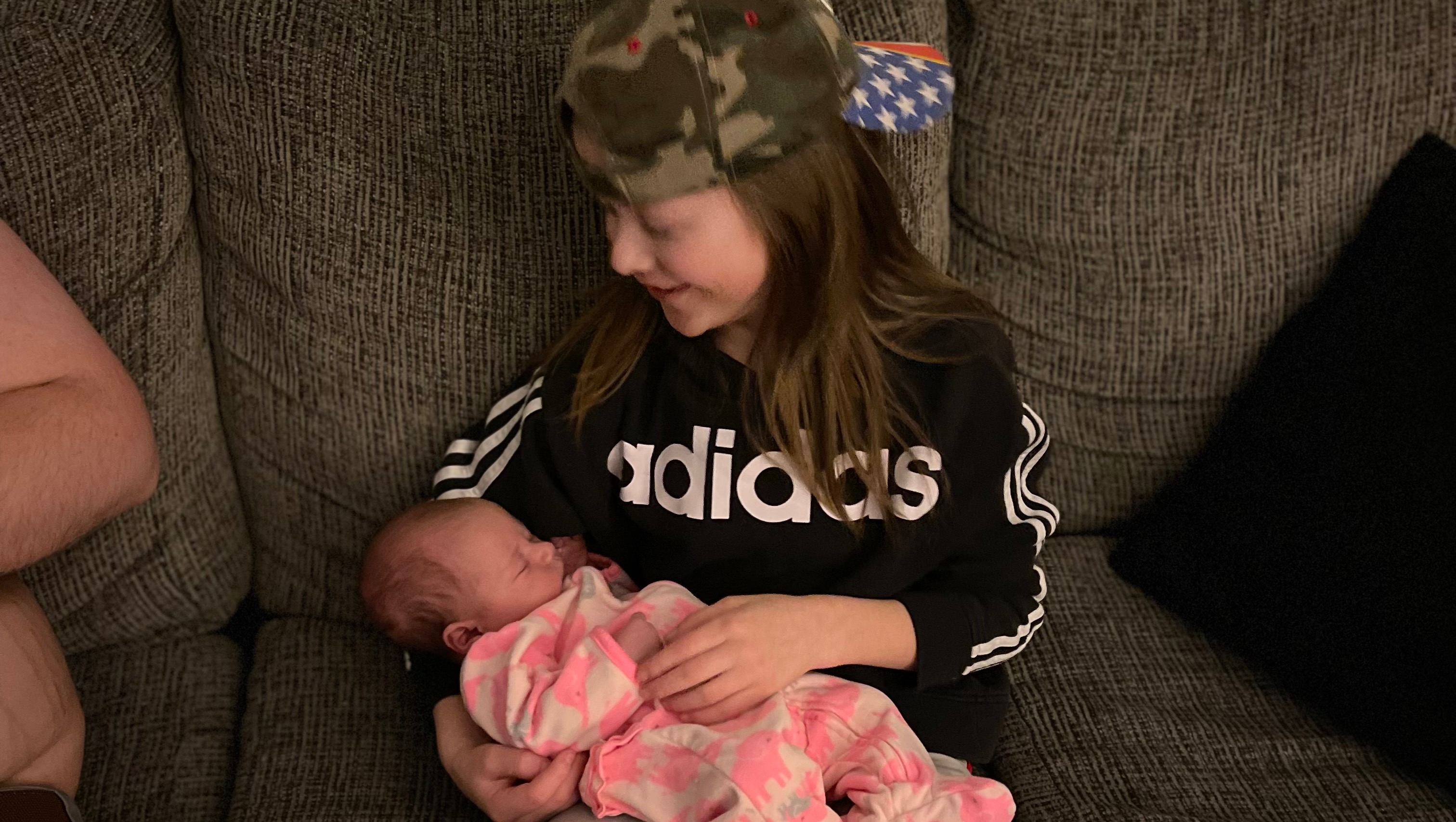
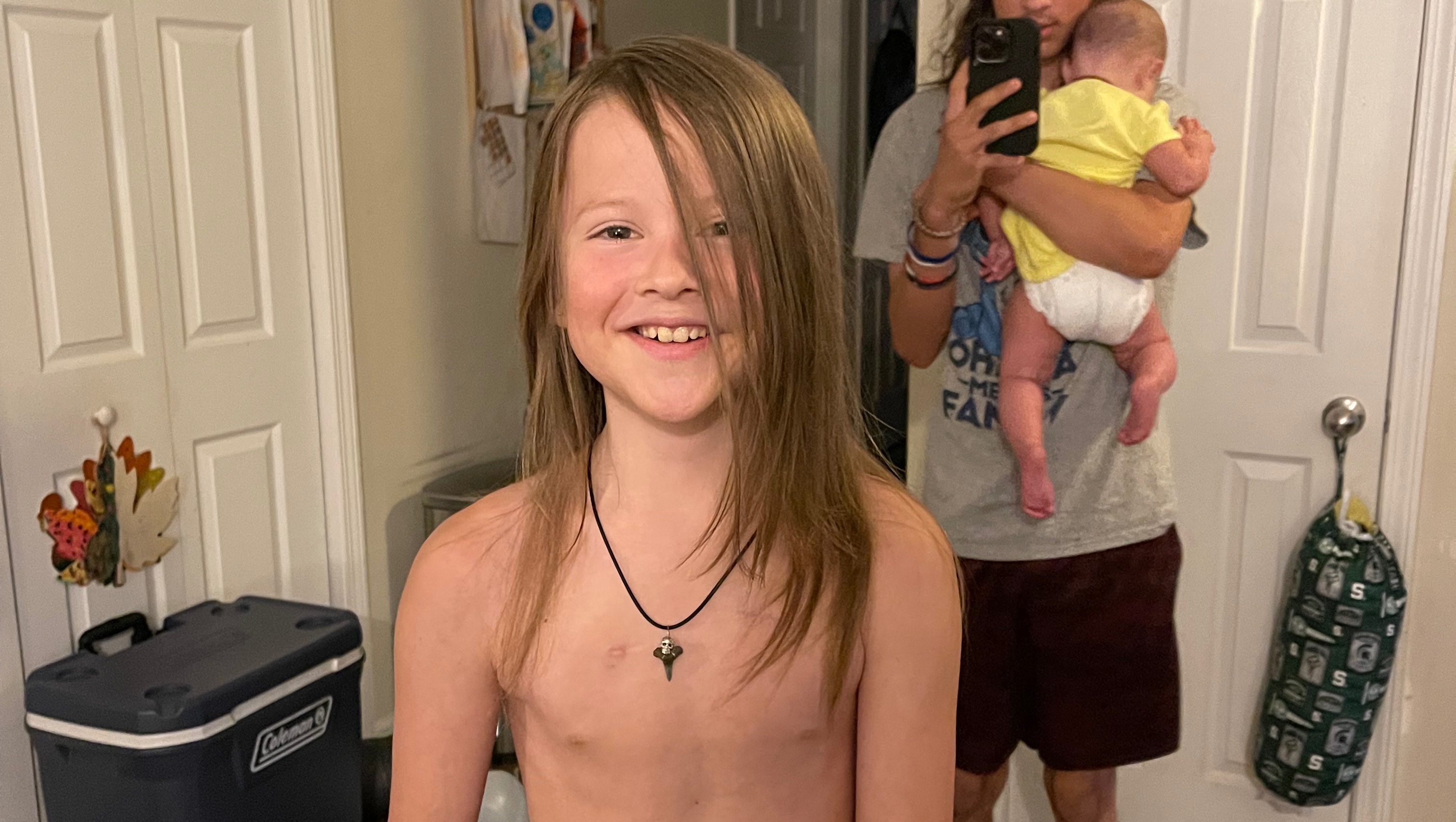
Despite everything he has been through, Bentley continues to amaze us with his strength and spirit. Bentley is the second oldest child out of six. He’s an awesome brother to his siblings Hunter (15), piper (11), Bailey (9), Spencer (2), and Buckley (1). He likes playing his VR, and playing video games with his older brother. He loves spending time outdoors — hunting with his dad, camping — even if it’s just in the backyard with his sisters, and practicing his survival skills. He’s happiest in the woods, exploring, laughing, and playing with his siblings. They all love to go back and splash in the creek together behind the house even though it’s only ankle deep!
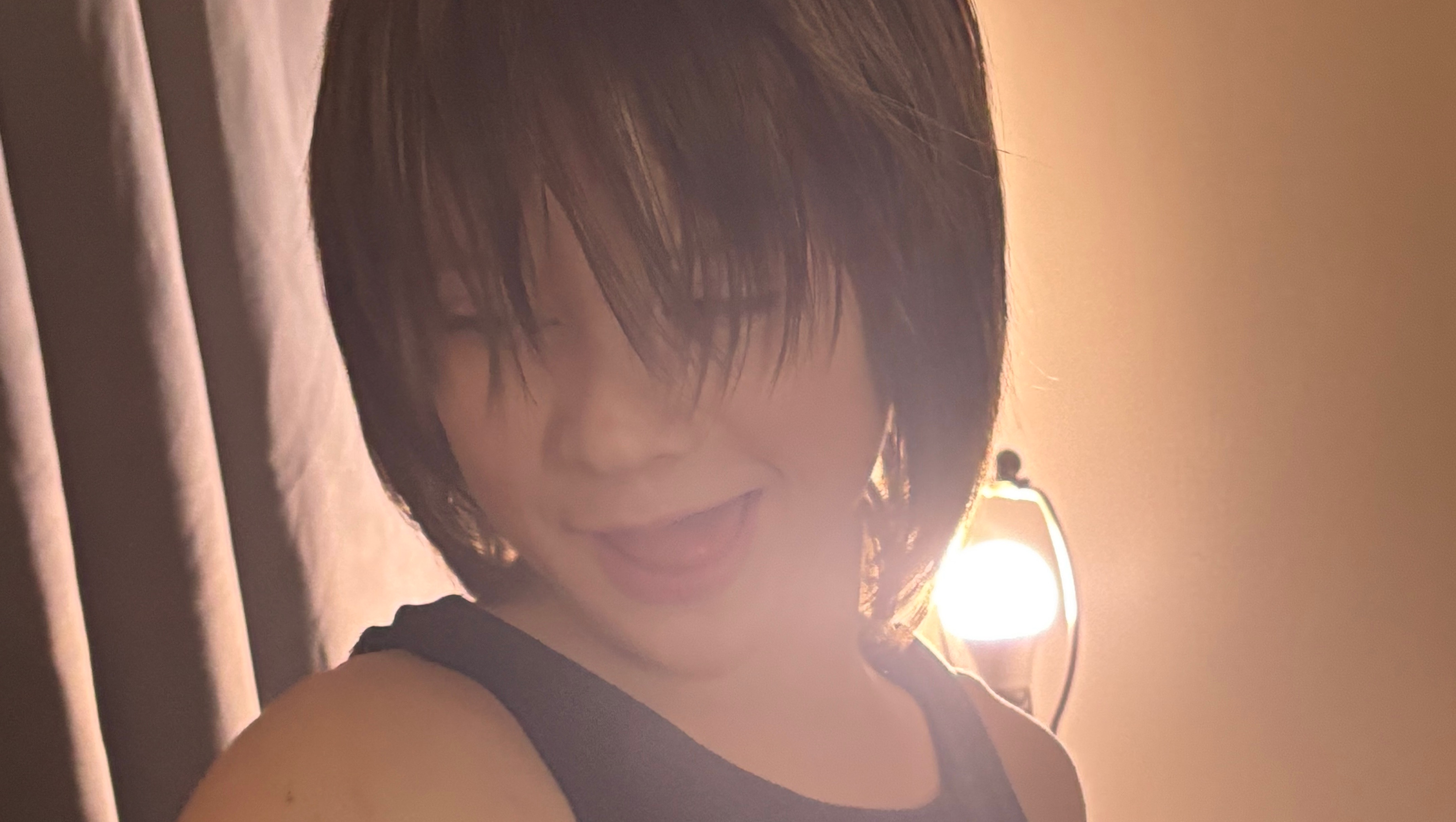
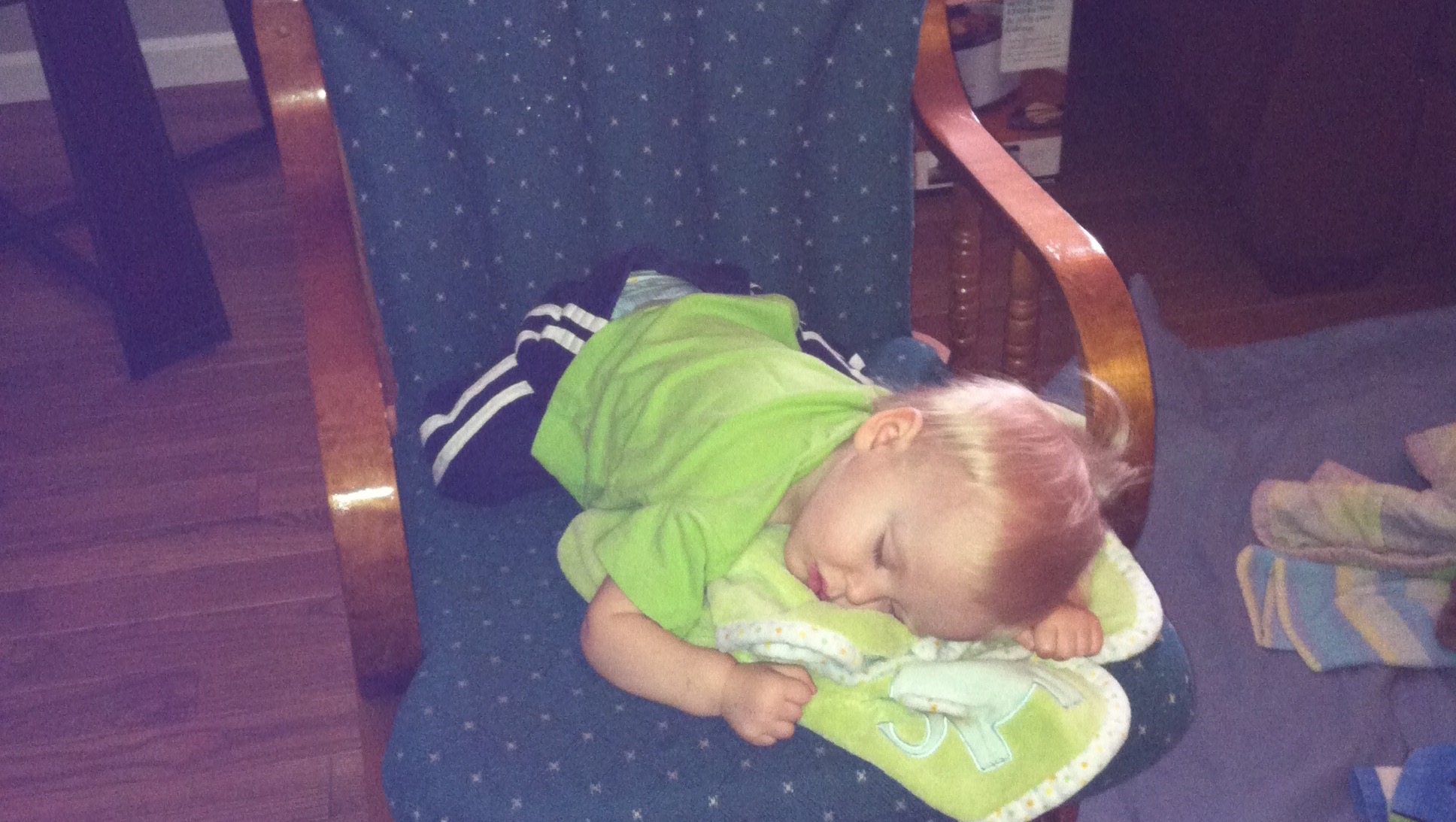
If you know Bentley, you know he has always had a special attachment to his green blankets. Even as a baby, he refused any blanket that wasn’t green! Now, he’s almost always wrapped in one and never forgets to bring it whenever he spends the night anywhere besides home. No matter how worn they get, he refuses to let me replace them. When it came time for surgeries, they even let him be wheeled back wrapped in them. It’s his comfort that has been with him through everything
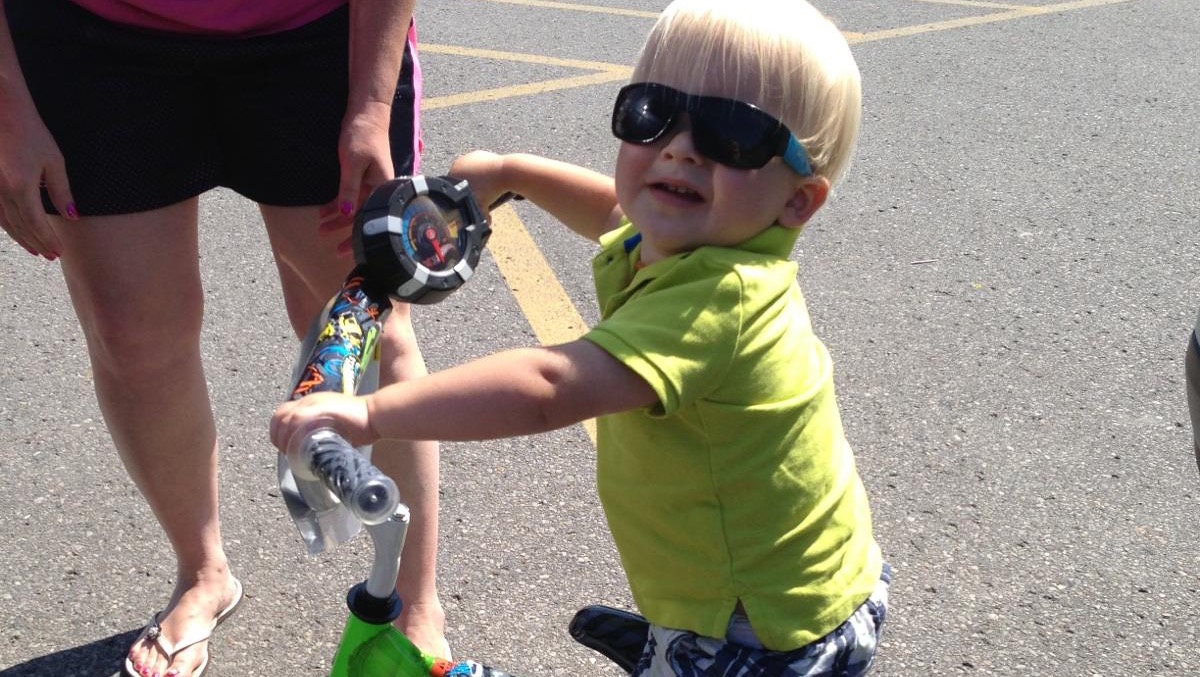
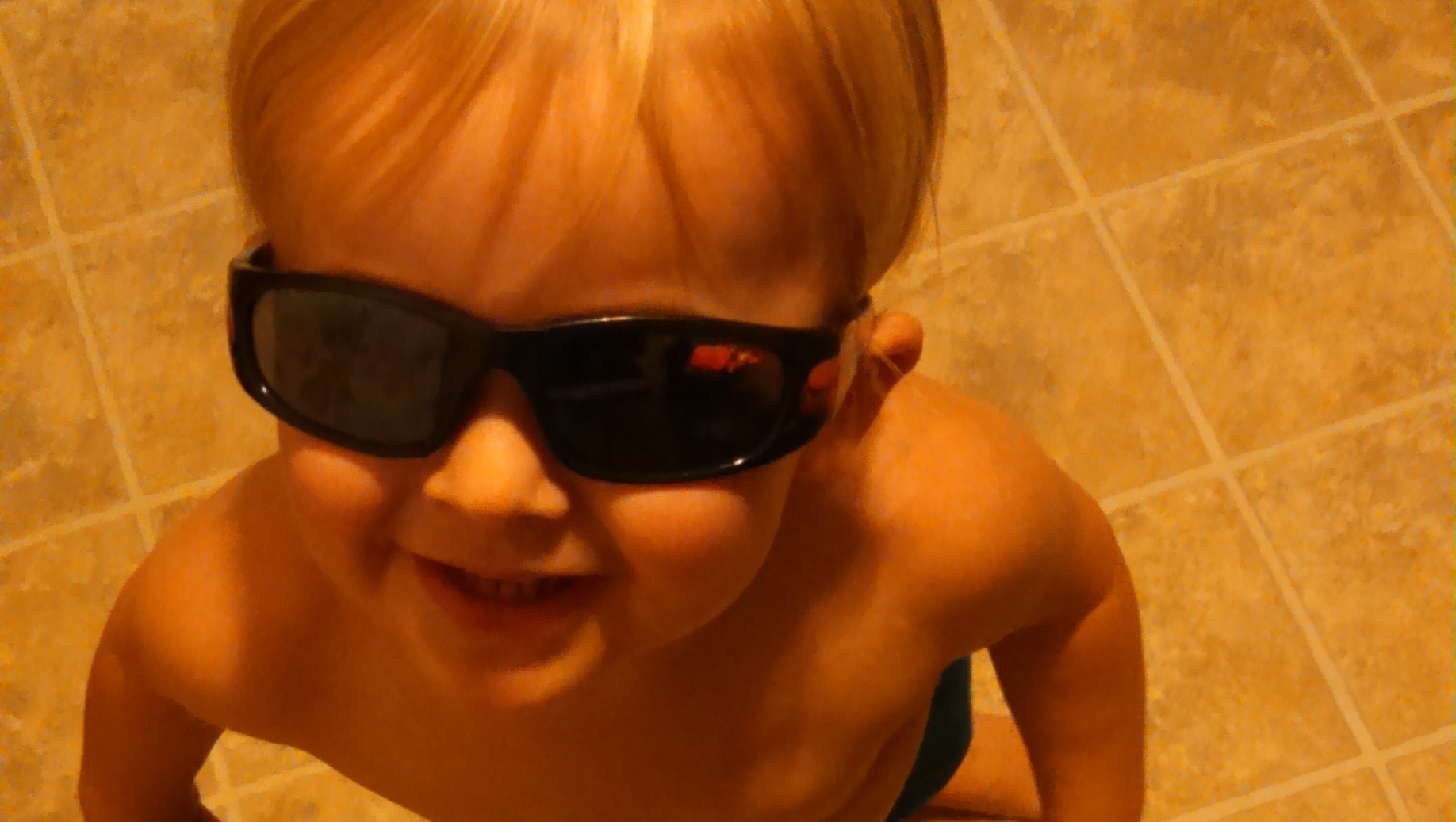
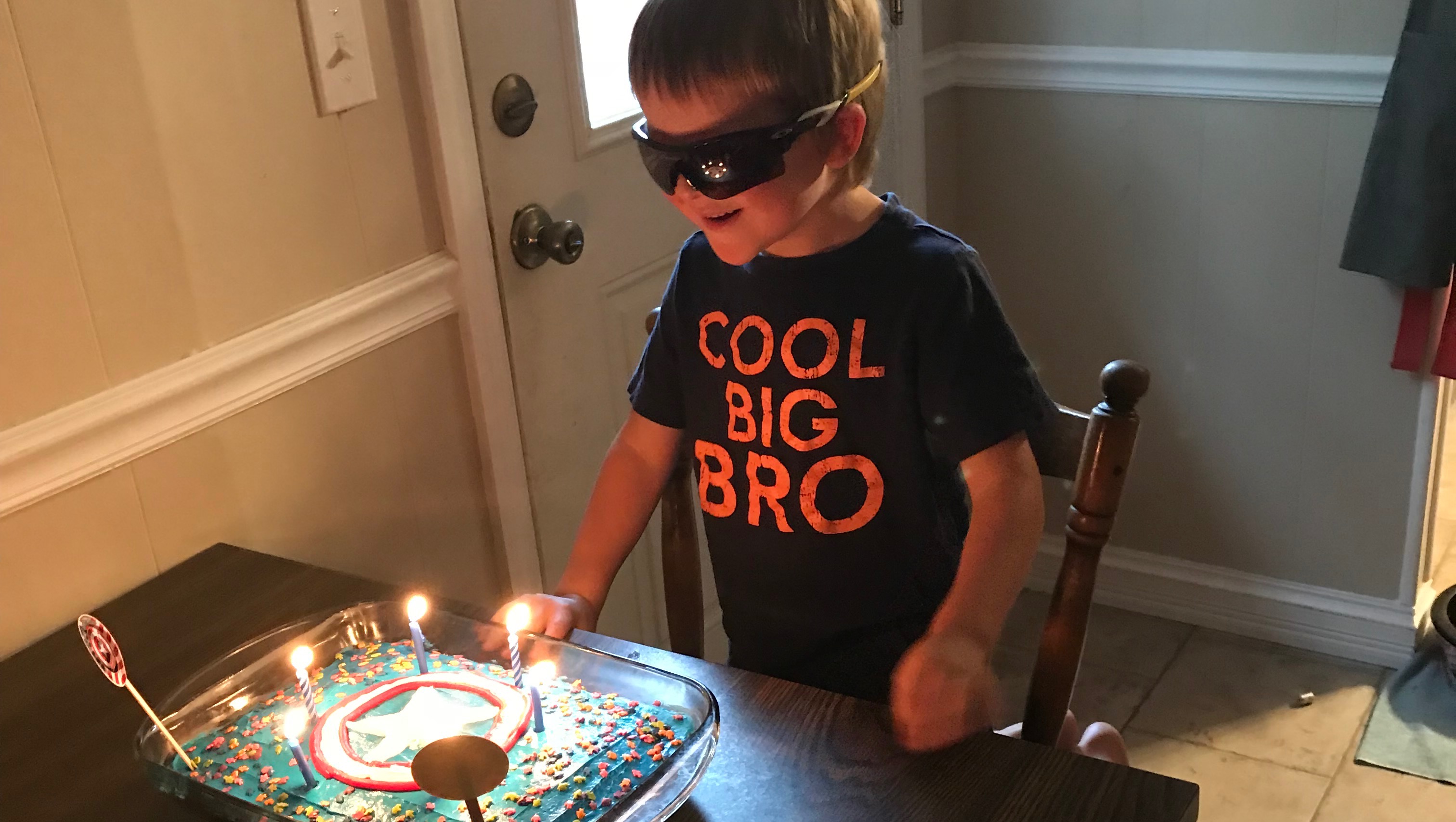
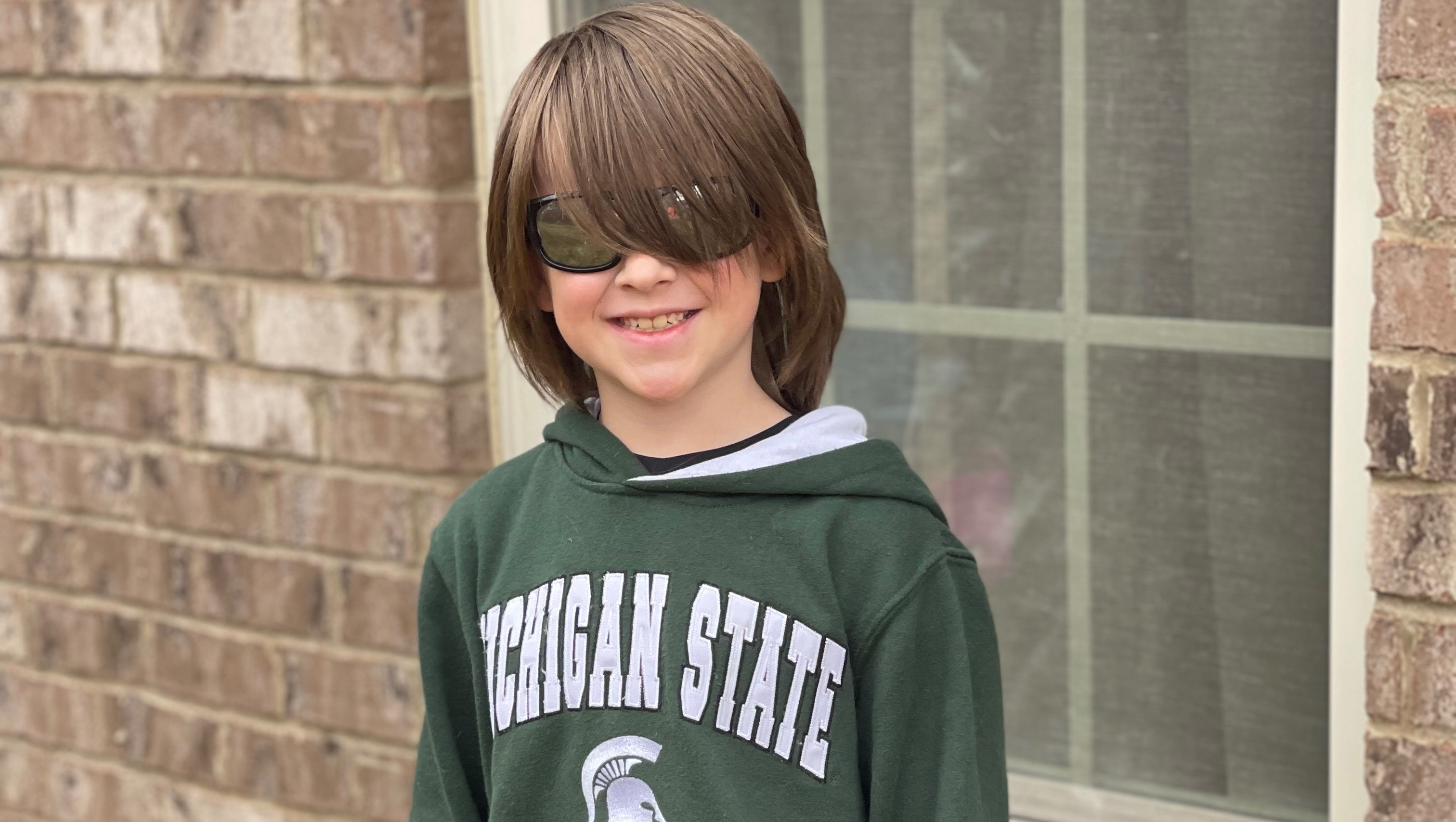
Cystinosis is a rare genetic disease affecting roughly 500 people in the United States and about 2,000 worldwide. Cystine is an amino acid that everyone has, but in people with Cystinosis, it builds up in all of the body’s organs. It first affects the kidneys, leading to Fanconi syndrome, which inevitably leads to kidney transplant or dialysis. In the eyes, cystine crystals form, which may cause blindness unless treated with special prescription eye drops. It also causes severe light sensitivity — even in very dim environments — so you’ll often see Cystinosis patients, like Bentley, wearing sunglasses to protect their eyes. There is currently no cure, but early diagnosis and lifelong treatment with medications like Procysbi and Cysta drops can help slow the buildup of cystine and protect organs as long as possible.
Please keep Bentley in your prayers as we take this next step in his journey. Thank you for reading and for sharing his story — together, we can spread awareness for Cystinosis and support children like Bentley who continue to fight with such incredible courage and determination.