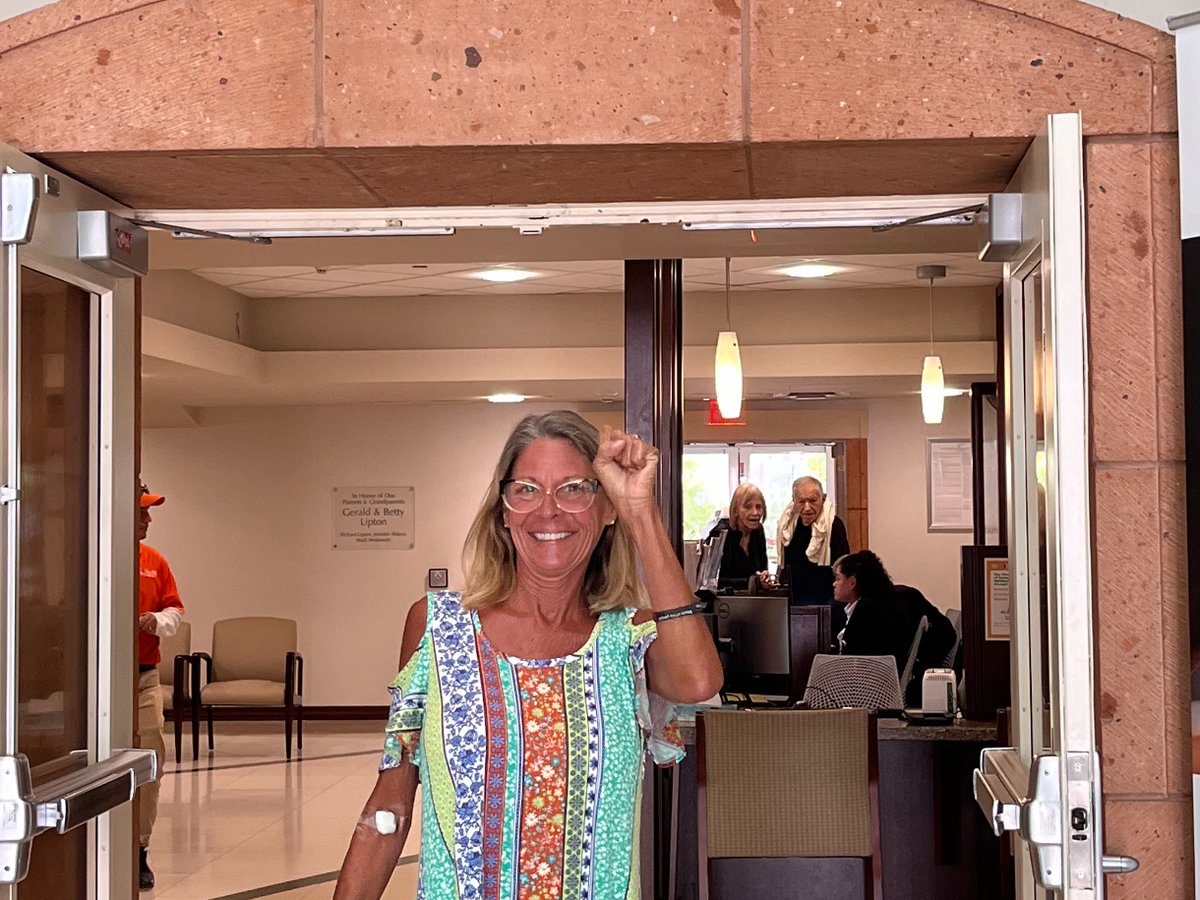
My name is Tina, and for over seven years, I have battled one medical challenge after another, remaining steadfast in faith and hope. Since 2017, I have had to become my own advocate to receive treatment.
That same year, I was diagnosed with a massive hernia mesh repair failure involving both inguinal and femoral hernias—a rare and extremely painful condition. Due to ongoing litigation, only two surgeons in the country would even consider consulting with me. There were days when my body was so contorted with pain that I couldn’t function. Yet I kept pushing forward, hoping for a resolution.
I ultimately chose a doctor in Maryland who reviewed my imaging and test results. These revealed the failed mesh implant, numerous screws, and a single liver hemangioma. As a warrior, I knew I had to prioritize my battles, so I focused on addressing the hernia implant failure before the hemangioma. This doctor performed two surgeries, two years apart, successfully removing what the surgeon described as a "meshoma" along with 25 helical titanium tacks.
Post-surgery follow-up scans revealed I had developed four additional hemangiomas. After multiple trips to Maryland (over 14 hours each way), my resources were depleted. Since I was experiencing some relief from the prior surgeries, I chose to delay addressing the hemangiomas.
In 2020, I was referred to a hepatologist who agreed to perform a biopsy. However, while I was prepped and ready in the operating room, the interventional radiologist refused to proceed, warning I could bleed to death if they attempted the procedure. My primary care doctor recommended I "watch and wait."
Determined to survive, I took a full-time minimum wage job despite my ongoing pain to rebuild my retirement savings. My primary care doctor offered follow-up scans for my liver but provided no financial guidance, leaving me unable to afford the tests. By the fall of 2023, my pain had escalated to the point where I could no longer ignore it. A CT scan revealed innumerable hemangiomas in both lobes of my liver.
While awaiting approval to see another hepatologist, I ended up in the emergency room. After 13 hours in the waiting room, vomiting foam and crying for help, I was told they had lost both my urine sample and my CT scan. The cocktail of morphine and other drugs they administered was their only attempt at assistance. Feeling frustrated and betrayed, I chose to go home rather than remain in a place where I felt I couldn’t trust my care.
The next day, I visited my primary doctor. For four consecutive days, I returned to his office to monitor my deteriorating condition. Finally, the ER physician called while I was in my doctor's office, informing me they had found my CT scan. "You need immediate care," they said. "You have liver cancer."
Shocked by then sudden diagnoses, I was left questioning how this was possible without a biopsy. I watched as my primary doctor hand me a post-it note with the words "Life Link," instructing me to call them. Confused and overwhelmed, I Googled Life Link, called, and left a voicemail—jokingly comparing it to ordering a pizza. Several days later, Life Link returned my call, referring me to a hepatologist.
In January 2024, I met with the hepatologist, who ordered a biopsy to confirm whether the growths were cancerous or just hemangiomas. Despite my fear of bleeding out during the procedure, I knew I had no choice but to proceed. The biopsy, performed in early March 2024, revealed I had been diagnosed with EHE—Epitheliod Hemangioendothelioma.
What in tarnation is EHE? EHE is an ultra-rare, soft tissue vascular sarcoma that affects one in a million people. It originates from cells lining blood vessels and has no standard treatment protocol, no defined stages, and no known remission guidelines. I was the first person diagnosed with EHE at the facility where my biopsy was performed.
The hepatologist who ordered the biopsy admitted he had never heard of this malignant disease and could only suggest I undergo a liver transplant. Six days later, a transplant coordinator called me, referring to me as "Miss Fancy Pants" and acknowledging the rarity of my diagnosis. She informed me that she had already initiated the protocol for me to proceed with their facility's care.
A quick search online led me to the EHE Foundation, where I found valuable resources and a provider directory that included two specialists in Miami. Seeking a second opinion, I consulted with a Miami-based oncologist specializing in sarcoma malignancies. This oncologist informed me that a liver transplant was unnecessary—90% of my liver was still healthy. While my condition was incurable, it was treatable. I underwent extensive testing, including genetic screening, which revealed my gene mutation to be that of one in two million people—an orphan status malignancy.
After tumor board discussions, I was offered TACE (Transarterial Chemoembolization), the only available treatment. The first round targeted three of the largest malignant tumors in my right lobe. Two tumors responded successfully, but the largest required a second round of TACE three months later. https://youtu.be/CrEKOCDJ4bo?si=HvpOB1TmXr7oTMYq
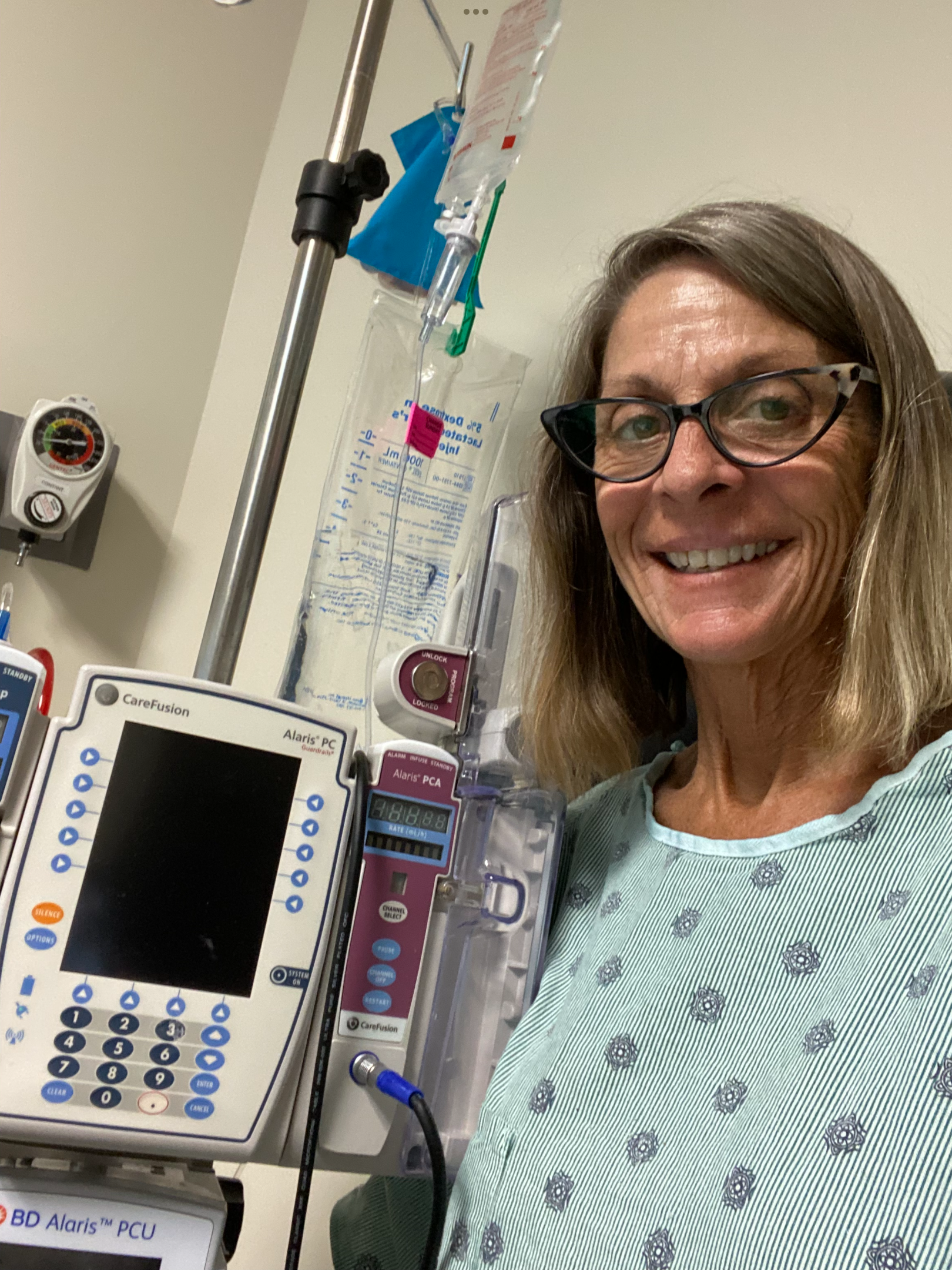
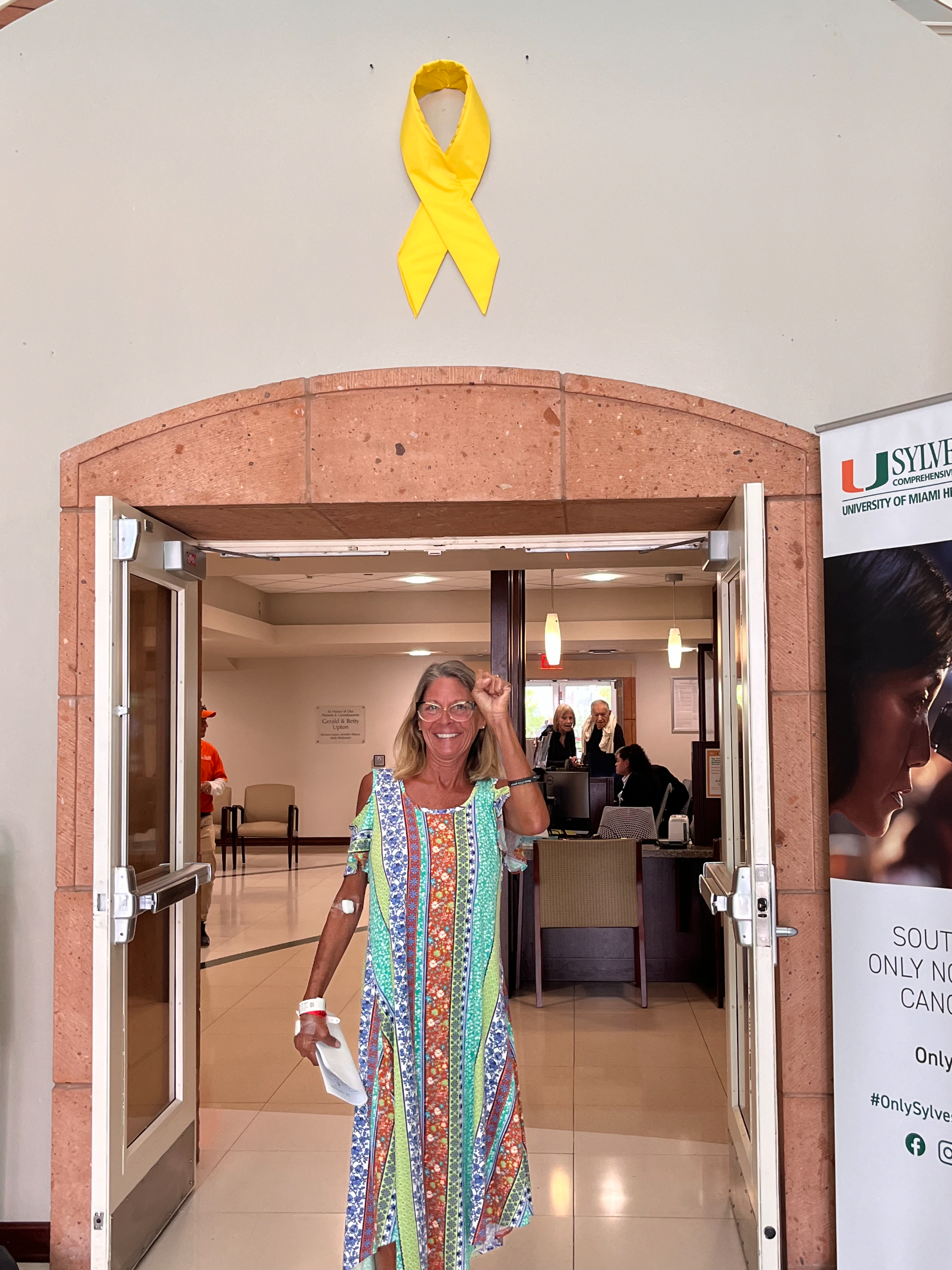
Following these treatments, I regained my appetite for the first time in years. Unfortunately, this improvement was short-lived. I developed acute diverticulitis, requiring strong antibiotics. Unbeknownst to me, chemotherapy had weakened my immune system, rendering the antibiotics ineffective. This led to a severe infection that resulted in two fistulas, penetrating my bladder and vaginal wall. An emergency sigmoid colon resection, a loop ileostomy, and fistula repair followed. I endured a 13-day hospital stay in Miami in February 2025, with continued follow-up care required.
Now, additional outpatient tests and future procedures are necessary, which must be paid for upfront. Between hospital bills, travel expenses, hotel stays, and ongoing care, the financial burden has become overwhelming.
I humbly ask for your support. Your generosity, compassion, kindness, and prayers will make a life-changing difference in my battle against this rare disease. Any contribution, no matter how small, will help me continue my fight. Thank you from the bottom of my heart. Your kindness means the world to me.
God bless.