- C
- M
- C
Background
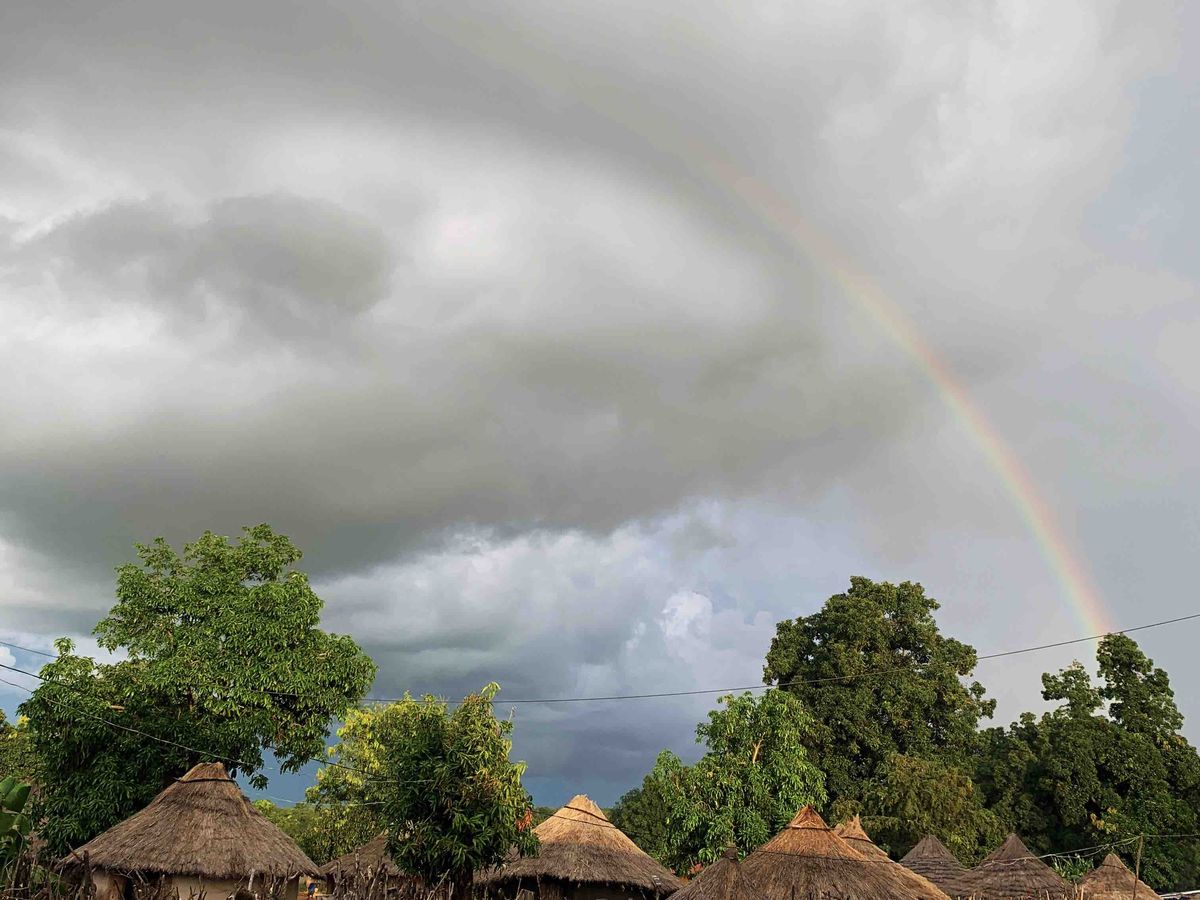
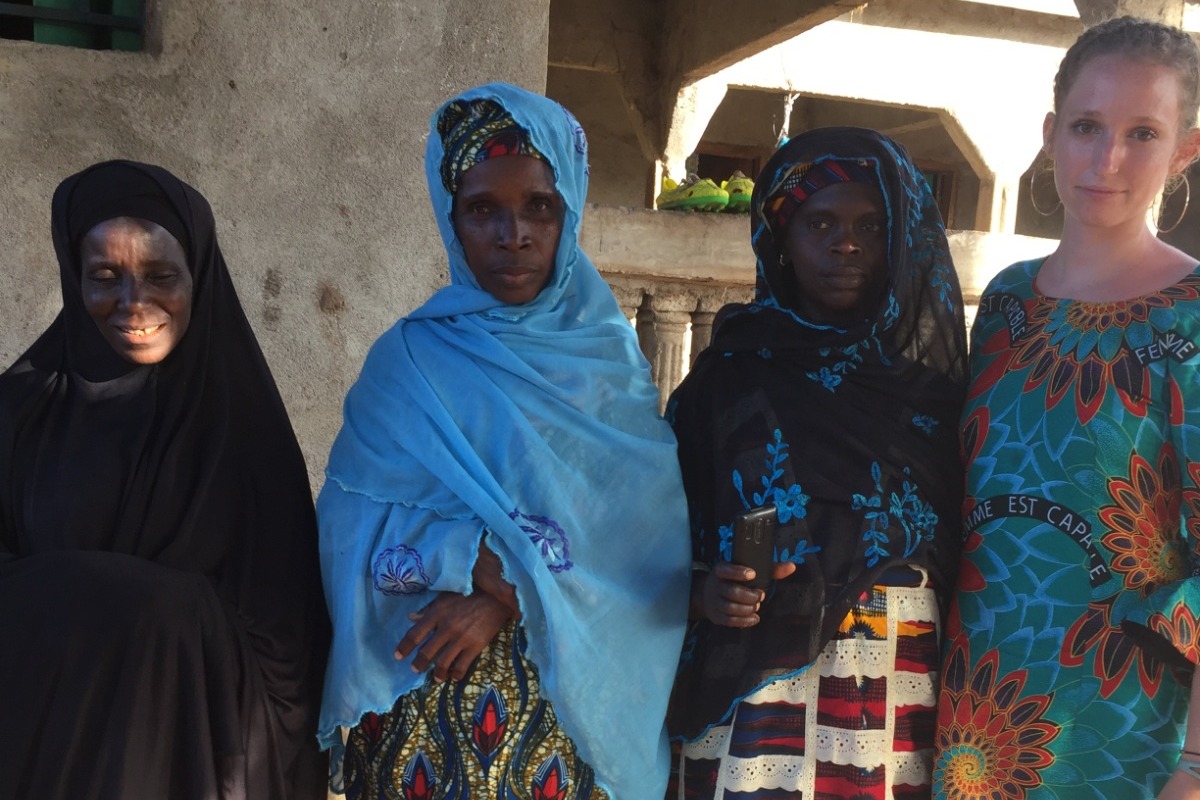
In 2018, I began my tenure as a Peace Corps volunteer in Guinea. After two months of intensive language and technical training, I was placed in Bate Koba. Bate Koba is a small village located in the Haute Region of Guinea, a region with annual seasons of heavy rains followed by droughts. The task I was given was to improve the village's maternal, child and community health care system. I spent the first few months learning the local language, Malinke, by spending my days with the local townspeople. I spent time at the health post where I bonded with the staff and learned about the Guinean approach to healthcare. It was during these first three months in the village where the need for an additional village pump was brought to my attention, not only by health center staff, but by local officials as well.
An estimated 80% of the Bate Koba community (population: 5000) visit the Bate Kobe Health Post for all their health concerns. Women from a multitude of surrounding villages also travel up to fifteen kilometers to give birth in the Bate Kobe Health Post. These women return to the Health Post monthly to vaccinate their newborns.
The source of water used by the health post is an uncovered, shallow well, also located a great distance away. Every day, the female nurses trek to the well to gather water for all drinking, cooking, and washing purposes. Currently, there are three foot-pumps in the village, but they are all over 1 kilometer away from the health post. Research has shown that there are various health risks from drinking and using contaminated well water. Some of these risks include exposure to microorganisms, including bacteria, viruses, and parasites, and other chemicals (Environmental Protection Agency; epa.gov). As opposed to the current system, ground water is a safe alternative when properly managed and tested.
The current well water is not only contaminated by water borne illnesses and floating debris, but it is physically difficult to collect. The women who get the water for the health post do not have the time or energy to collect the amount of water the clinic needs. Therefore, both staff and patients are subjected to dirty water, which prevents the clinic from being properly cleaned on a regular basis.
The responsibility of gathering water the health post uses falls on the shoulders of one or two female nurses employed by the health post. Without the necessary manpower for the job, countless hours are wasted every day as these nurses fetch water instead of spending that time serving their community. These wasted hours could be spent seeing patients, educating the community on malnutrition prevention tactics, hanging anti-malaria mosquito nets, etc. To make matters worse, during the dry season the well dries up, forcing the women to walk even further distances to ensure that their clinics have clean water.
The community recognizes the problems proposed by the well. The local elders agree that there is an urgent need for a solar powered groundwater pump to be constructed at the health post. In fact, during my time in Bate Koba, fifteen important community members gathered at the health post to discuss pump logistics. They determined that a solar-powered pump is required, rather than a manual hand or foot pump, to eliminate the physical burden of gathering water.
While the Bate Koba community was able to amass part of the money needed for the construction of a pump, they were not able to raise a sufficient amount of money. My community asked that I help them to complete their fundraising goal. During my time in Guinea, I worked with local community members to write a grant to submit to the Peace Corps for a solar powered water pump. I also worked with various pump-building NGO’s in the area to discuss the technical work behind construction and potential costs. The grant was submitted and under review when the novel Coronavirus ended my Peace Corps program. I was evacuated, leaving my project unfinished and unfunded. Now, I am on a mission to help Bate Koba complete this project because I am aware of the potential positive impact it can have on the Bate Koba community.
Project Summary & Activities
The most important aspect of this project is to provide clean pump water to the local health post and the patients who visit the post. The most effective way to accomplish this goal is by working with the local community and outside donors to fund the construction of a new solar pump at the Bate Koba Health Post. I felt that it necessary that the community contribute financially to the pump because I believe that if they have a financial investment in the pump, then it will create an incentive to continue necessary upkeep or repairs in the future.
Pump construction will lead to more accessible health care in Bate Koba for many reasons. The immediate benefit is that the women who gather water can spend more time serving the community in other ways (sensibilizations, spending more time with patients, etc.).
The long-term benefit of the pump will be realized through instituting health practices through proper use of the pump. Therefore, the second aspect of this project is to work with health center staff to encourage the following health practices:
· Clinic sanitation: I will initially perform sensibilizations to the clinic staff on the importance of cleaning the clinic thoroughly with soap and water on a regular basis (for example; after each birth).
· Hand washing: I will work with the community health agents to spread proper sanitation and hygiene practices to community members who come into the clinic. Currently, there is a hand washing station in the clinic, but community members do not use sufficient water, sometimes forgoing the use of soap, as it is difficult to fill the washing bucket. With an accessible pump just outside the clinic doors, the likelihood of poor handwashing practices will decrease. I plan to work with the staff, community members, midwives, and especially new mothers to utilize proper hand washing techniques.
· Clean drinking water: It is quite common for the staff to prescribe medication that must be mixed with water; around fifty Oral Rehydration Salts (ORS) are prescribed per week. While the staff recommends using pump water, patients often revert to using well water out of convenience. The easy access of the health post pump will allow the nurses and doctors to ensure their patients are using clean water for these medications. The nurses will also be able to model to the community the proper form of mixing ORS’s with water, right in their own clinic.
The final step of this project is long-term upkeep and water quality testing. I worked with community members to establish a team of Guineans who work at the health center and live in the village that are excited about the potential pump installation and the good it will offer the community. They want to be part of this project, and they have agreed to take over pump management once I have left. I have described this team below in the Key Personnel section.
Project Goals and Objectives
Goal 1: A well-functioning and sanitary solar paneled water pump is built and used daily at Bate Koba Health Post.
Objective 1: The Koba community, along with SNAPE (a Kankan based organization) will work together to build a pump at the local health post.
Goal 2: Health post staff will adopt proper sanitation practices within the health post, reducing the spread of preventable illness and infections.
Objective 2: With easier access to clean water, the clinic can be properly cleaned more often, especially in the birthing room. Additionally, proper hand washing techniques can be more easily practiced. Finally, cooking and drinking water will always come from the pump.
Goal 3: Community members and mothers pre/post labor stop drinking well water and switch to pump water, especially when receiving ORS and other water-based medications from the health post.
Objective 3: Community members are aware of the risks of drinking well water and begin to use the additional community pump for drinking water.
Goal 4: Women from the community and the health center staff will have more time and energy, allowing them to focus on other (potentially income-generating) activities.
Objective 4: A solar powered pump does not require physical activity to retrieve water, like the other three working pumps in the village do. Therefore, women can be relieved of the physical burden of gathering water every day.
Goal 5: The water quality is tested on a regular basis and the pump is working far after volunteer leaves the village.
Objective 5: I have created a team of Guineans who will be responsible for monitoring proper use, upkeep, and water quality once I have left the village. They are excited and passionate about the pump.
Project Schedule, Monitoring and Evaluation Plan
I have a one-way ticket to Guinea in February 2021. I used personal funds to buy this ticket, and will do the same on my way back. I intend to have all funds for the pump construction in hand by then.
While in Guinea previously, I met with SNAPE, Guinea’s National Water Point Management Service (Service National des Points d'Eau) on multiple occasions. I met with other pump building agencies as well, but SNAPE was the most reliable, timeliest, and cost-effective. Additionally, members of my village recommended I work with SNAPE because they have built other pumps in my village. It will be beneficial that SNAPE already has a relationship with Bate Koba.
I am confident, based on their past history of pump construction in Bate Koba, of SNAPE’s ability to construct a pump in a month. I will personally oversee the construction and be the liaison between SNAPE and Bate Koba. It is my mission to get this pump constructed in an efficient, effective manner. SNAPE knows construction is due to begin in February just after my arrival, and they are already gathering supplies. SNAPE agreed that the pump will then be constructed within a month.
Once the pump is constructed I will work with a team of Guineans to oversee the use of the pump, including testing the water before use. Once the pump is in use I can then begin sensibilizations. I plan to begin carrying out sensibilization during the month of March 2021. I will alter lessons according to how well people understand the content. I will stay in my village until I am confident the pump is being used properly and effectively. I plan to be there through the end of 2021.
During my Peace Corps service I became connected with the community in Guinea, so much so that I am flying back to Guinea, and spending thousands of personal savings to see this project through. I am determined to finish what I started and to help this community. My personal stake in the success of this project, combined with the will of the Bate Koba community, will ensure the success of this project.
Sustainability
As explained above, I generated interest in the pump during my time in Bate Koba. Together, motivated community members and I began to understand and agree how a solar pump will dramatically improve the quality of life in Bate Koba. Out of all the projects I worked on while I was there, the Bate Koba community members were the most interested in this project – a solar powered pump at the Bate Koba Health Post. In fact, elders and other important village members invested about 2,000 USD, or 20,000,000 Guinean Francs, in order to see this project through. Their hefty financial investment in this project is a testament to the necessity of this project.
I have a core team of Guineans, The Bate Koba Health Workers, who work at the health post and are enthusiastic about this project. This team will help with every step of the project, from coordinating construction to sensibilizing the community on the health benefits of the pump. I describe this team in detail in the Key Personnel section below.
The team will also be responsible for proper use, upkeep, and water quality testing of the pump after I have left the village, which will happen once I feel confident in the team’s ability to upkeep the pump and teach others of its benefits. Their specific jobs, as we have previously agreed upon, are listed below.
Key Personnel
1. Bate Koba Health Workers / Water Team– After various meetings with the team listed below, we outlined a plan on how and who will construct the pump, promote proper use of the pump, and teach proper hygiene practices. We also created a sort of checks and balances system to ensure the water quality is tested on a quarterly basis:
1A. Project Chief – The head of the health post, Kabine Condé, will act as project leader and will ensure that the pump is properly maintained and tested. Kabine is responsible for working with Hydrologie de Kankan (a water testing company in a nearby city) to come to Bate Koba to test the water on a quarterly basis. He is also responsible for using health center funds to pay for these tests and any repairs that arise.
1B. Project Team Members –
i. Mohammed Sidibe – Village representative responsible for working as liaison between myself and SNAPE to ensure the pump is properly constructed on a timely basis. He is also responsible for working with Yacoub and Kabine to test water on a quarterly basis.
ii. Yacoub Sidibe – Health post worker responsible for working with the project chief to ensure the water is tested on a quarterly basis.
iii. Condet Sangare – Female health post worker and Community Health Agent who is responsible checking the color and odor of the pump daily.
iv. Mariam Conde - Female health post nurse who is responsible for checking the color and odor of the pump daily.
v. Billi Djalo – Community Health Agent who is responsible for working with me to preform sensibilizations on the importance of sanitation inside the health post and in the village. Responsibilities also include talking to the community about the importance of drinking and cooking with clean pump water, especially those more vulnerable to illness.
vi. Kabine Sidibe – Head of the village, who is responsible for community organizing and gathering community funds.
vii. Fatimata Konate – Trained and licensed midwife, who is responsible for ensuring the birthing room is properly cleaned after each use and that laboring women and new mothers are drinking and using clean pump water while at the health post and at the home.
2. Peace Corps Staff - I continue to have a close work-relationship with the Guinean Peace Corps staff members, located in Conakry and Kankan. I have been in contact with them and they are excited at my enthusiasm to continue my project despite being evacuated from the Peace Corps. These professionals have continued to support my endeavors, helping with everything from translation questions to logistical issues. If any issues arise, I have a team of Guinean professionals willing and ready to help out.
3. SNAPE - Service National des Points d'Eau or Guinea’s National Water Point Management Service. They will be responsible for building the pump and repairing damages.
4. Hydrologie de Kankan – Water quality testing plant in a nearby city. They will complete baseline water tests to detect arsenic and total coliform levels on a quarterly basis. The health center has agreed to pay for these tests.
In sum, clean water is a necessity and a human right. Join Bate Koba's effort to bring clean water to their local health post by donating.