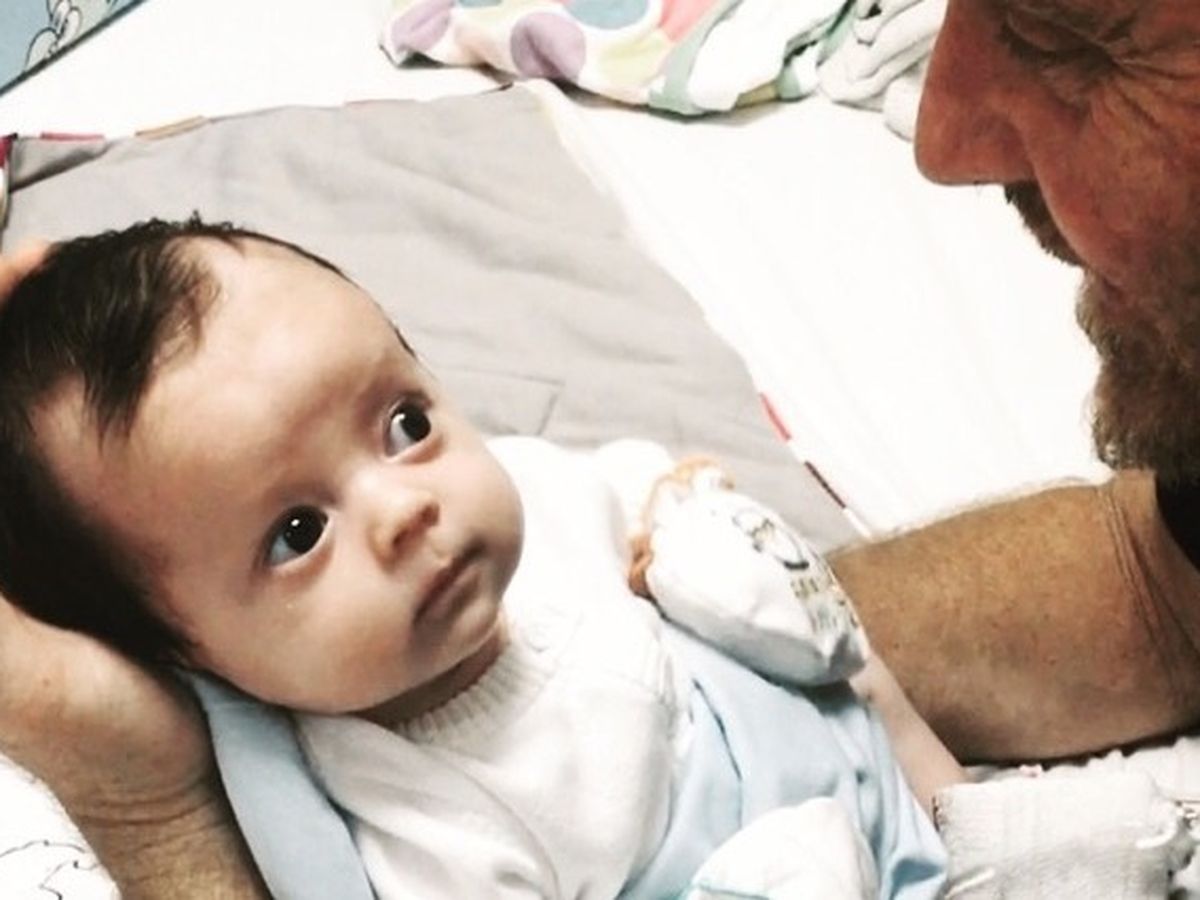
- B
- K
When Nick and his wife Tika welcomed baby Alicia into the world in Bali on 27th March they soon realised all was not right with their beautiful baby girl (please click Read More + below)...
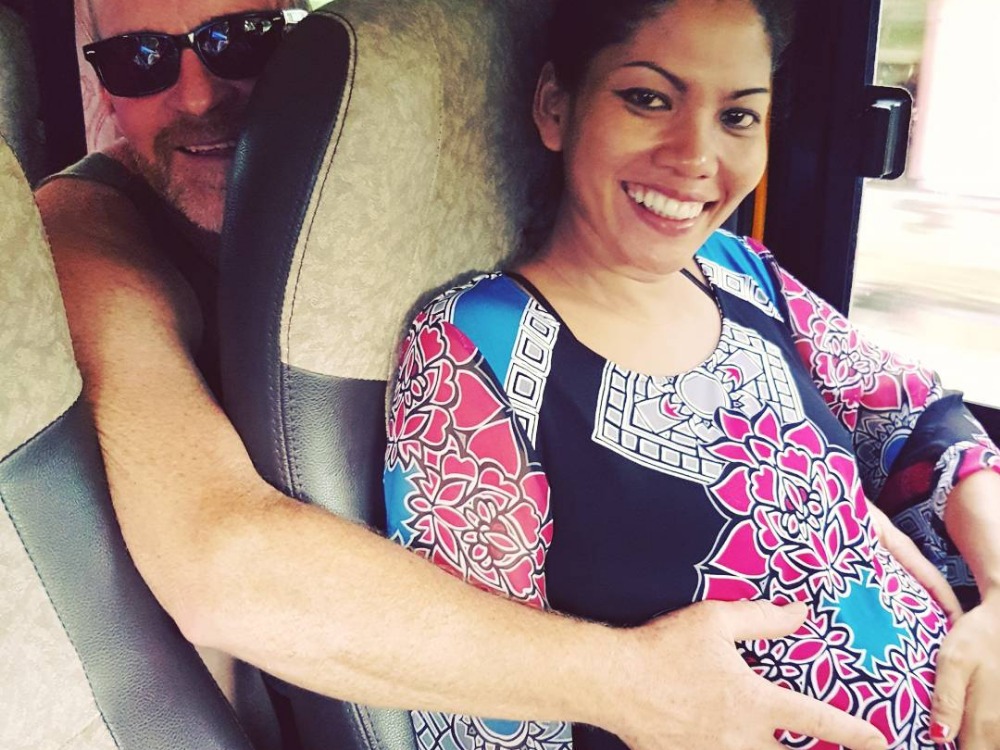 Excited parents to be Nick and Tika
Alicia was rushed to the Neonatal Intensive Care Unit (NICU) of Sanglah Hospital where she was diagnosed with Bladder Exstrophy (BE), a rare and severe congenital abnormality that affects only one in 50,000 births. The condition means the abdominal wall hasn’t developed properly, resulting in the bladder protruding outside the body, and other complications to the urinary system, reproductive system and pelvis development.
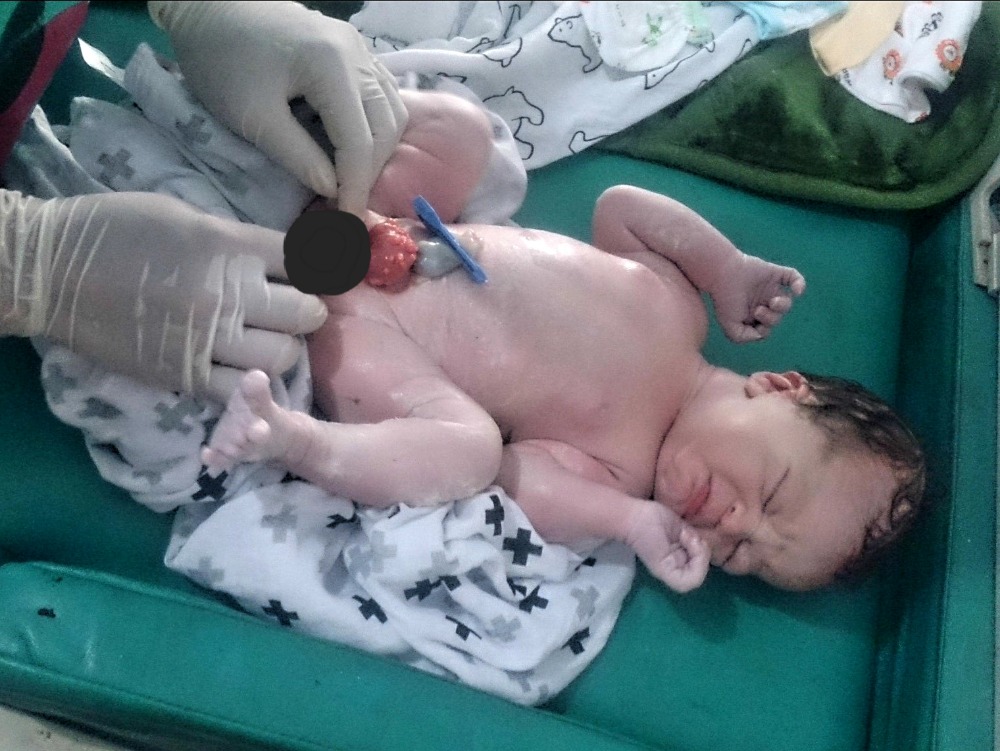 Alicia moments after birth, her inside-out bladder protruding through her abdominal wall
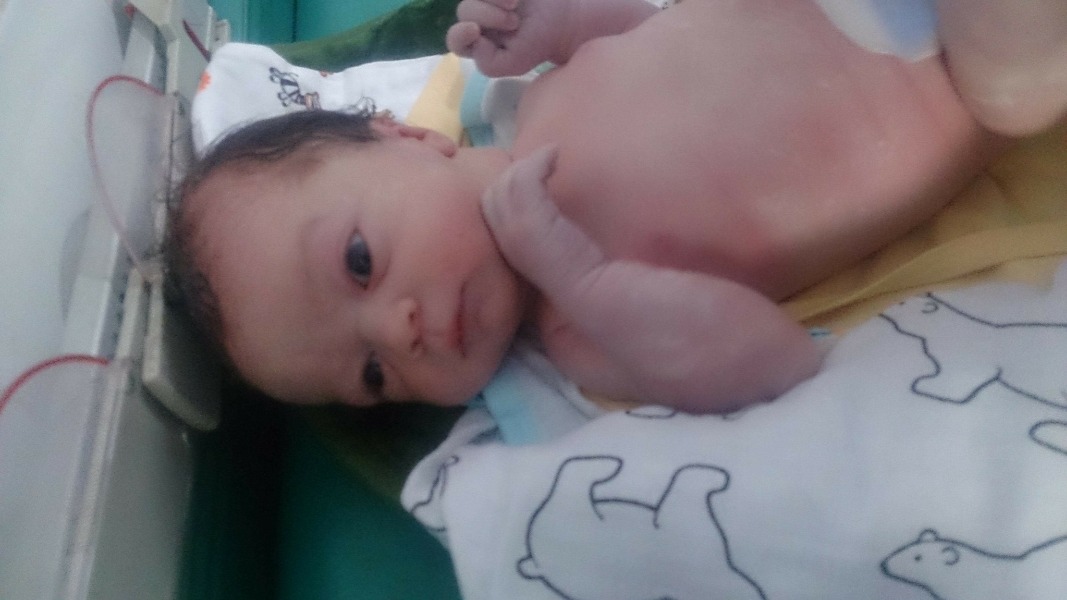 Baby Alicia just an hour after birth, her exposed bladder dressed with abrasive gauze.
Alicia has a long road ahead of her, facing years of some of the most complex corrective, reconstructive and cosmetic surgeries a baby can have, but in her first few weeks she has already shown that she’s a fighter.
Alicia’s time at Sanglah was traumatic. She suffered from infection due to poor hygiene standards, dehydration and bleeding from the bladder due to incorrect dressing of the exposed delicate tissue. With no chair provided, mum Tika endured up to 14 hours a day standing to watch over her and be available to breastfeed; no easy feat for a new mother who had yet to recover from birth. Dad Nick was provided no access to the unit, missing out on Alicia's first 10 days of life. Thankfully the staff at Sanglah Hospital recognised they were not experienced in treating this rare and complex congenital condition. They also acknowledged that Alicia would have a far better chance of avoiding further infection and complications if she was cared for at home once stabilised.
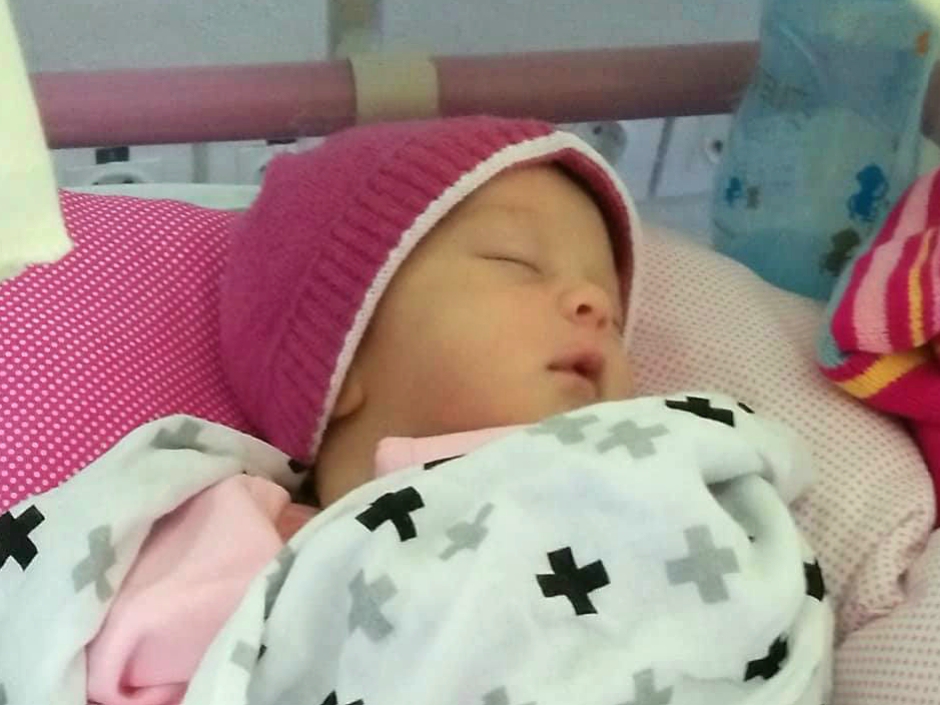 Alicia in the Sanglah Hospital NICU
Babies born with BE do need specialist care, but it is considered a chronic diagnosis, not a critical one. This means BE babies can be cared for at home with close monitoring and the right knowledge of how to clean and protect the exposed bladder. This can continue until they are ready for the first of multiple surgeries.
Alicia was finally able to go home with her parents nearly two weeks after birth. Since then we have sourced internationally trained and amazingly helpful midwives to provide after-care and support to mum and bub while we work to have Alicia transferred to Australia for expert treatment.
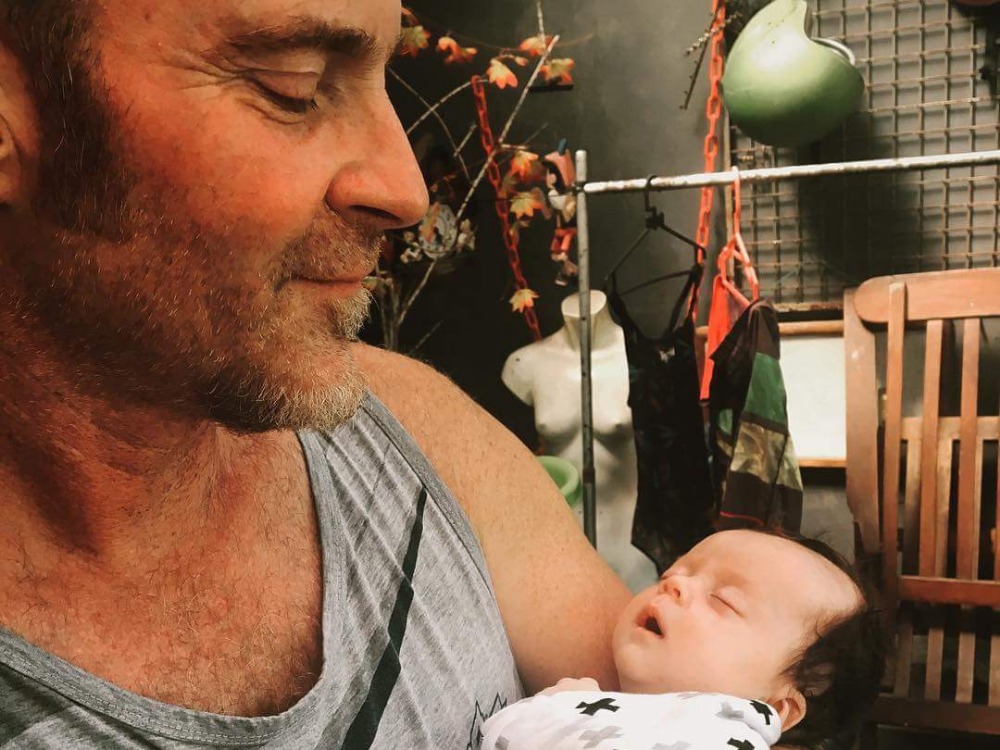 Proud dad Nick caring for Alicia at home
The family is also looking at ways to ensure Tika and Joyce, Tika's older daughter, can be with Alicia in Australia. Nick's sister also recently travelled to Bali to deliver expensive or hard to source medical supplies, assist with consular and immigration processes, and hopefully bring more detailed medical records / scans back to Australia so we can start planning for her treatment.
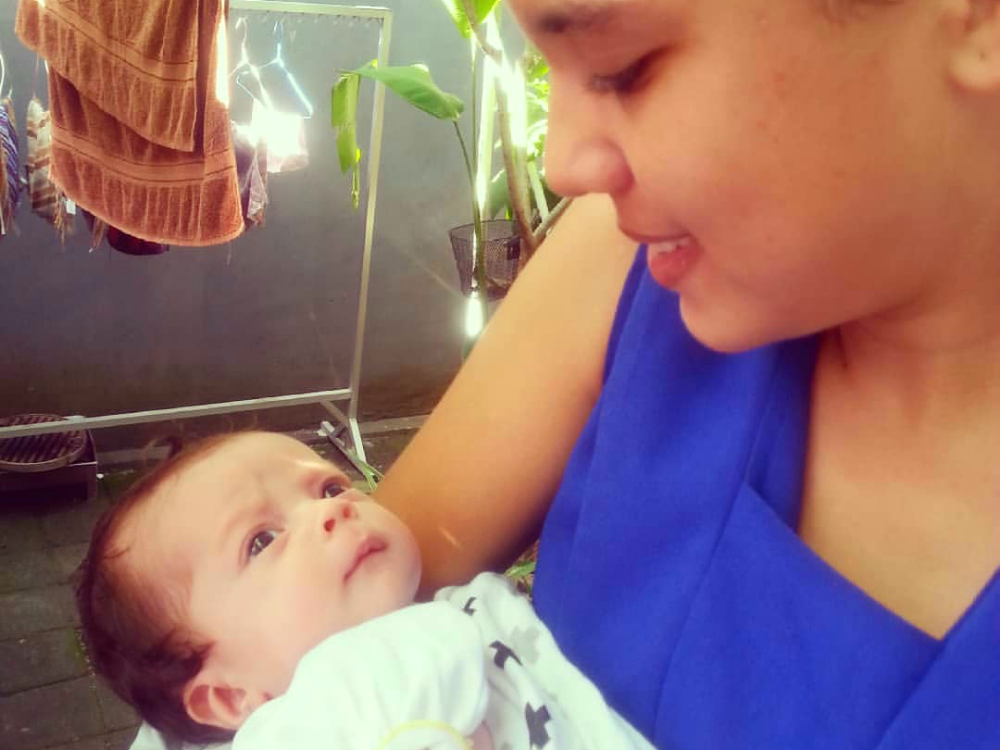 Alicia at home enjoying cuddles from big sis Joyce
Unfortunately little Alicia is very susceptible to infection and heart-breakingly was admitted to the NICU at Siloam Private Hospital on ANZAC Day eve. She will remain there until once again stabilised and well enough for home care.
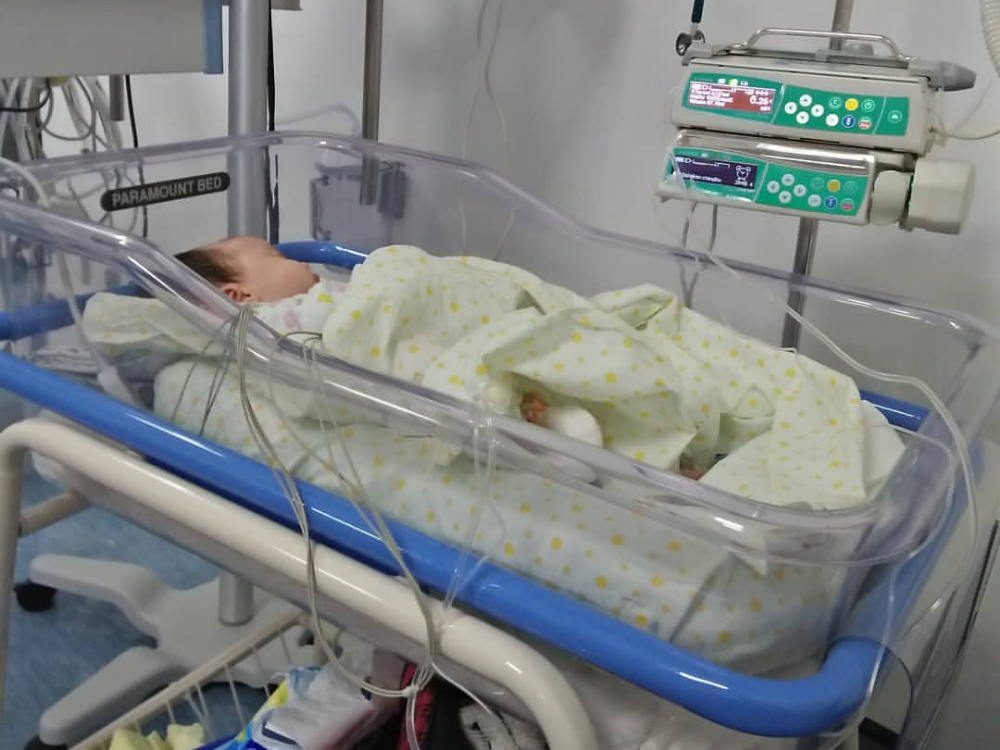 Alicia being treated for infection at Siloam Private Hospital
Nick, from South Australia, and Tika, originally from Java, are loving parents dedicated to ensuring their daughter gets the best possible medical care in Australia. They and their extended family have been working tirelessly to determine the best course of treatment, liaising with paediatric urologists, Bladder Exstrophy support groups globally, hospital staff, consular officers both in Australia and in Indonesia and migration agents. This has been an incredibly difficult process involving a minefield of confusing, contradictory bureaucratic and medical information, often in a foreign language, at an already overwhelming time for the new parents. However, all agree Indonesia is not an option for surgery given the lack of 'BE' experience of available paediatric urologists. Allowing a surgeon with little knowledge of BE will almost certainly result in life-long detrimental impacts to Alicia including incontinence, persistent urinary tract and kidney infections and compromised sexual function. It would also mean additonal corrective surgeries.
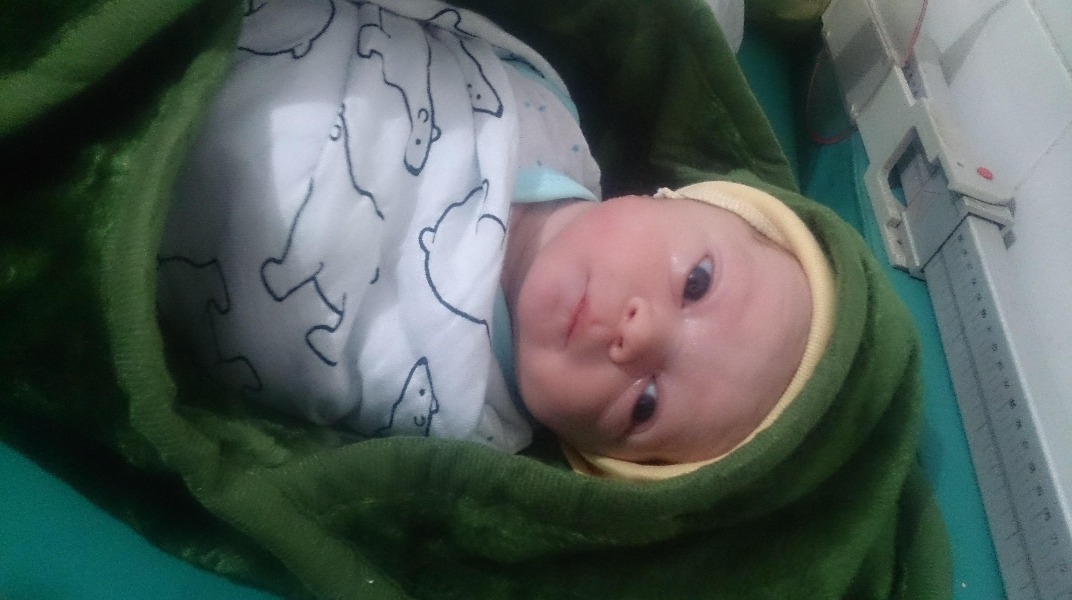
We are doing everything we can to contribute and get the newest member of the Sifis clan the best possible medical care. Currently it has cost over $13,000 for hospital and medical expenses, flights and living expenses in just 5 weeks. We are asking for some extra support to pay for Alicia’s continued private NICU and paediatric care in Bali, midwifery support, transport to Australia and living expenses (her parents are unable to earn an income as the lengthy process to get Alicia Australian Citizenship by Descent is underway). There will be further financial impacts as she commences medical treatment in Australia.
Any extra financial support through donations would be extremely helpful, hugely appreciated and a great comfort at this distressing time.
We would like to take this opportunity to give a special thanks to the BEECH Australian Community, and the numerous paediatric urologists and medical practitioners we have spoken with, offering us advice and guidance with incredibly limited medical information on this specific case. It has meant the world to us and helped us understand how complex and delicate the surgery is that our little Alicia needs, provided much needed reassurance, and without question lead us to a plan that will result in improved long-term outcomes for our little girl.
Thank you and much love from the extended families.
Please note that we will donate any unused funds to the following charities:
* Solemen (www.soleman.org), a not for profit charity organisation helping the disadvantaged in Bali
* BEECH Australian Community (http://www.beechac.com/) an Australian support and advocacy group for people living with a Rare Disease (in particular, Bladder Exstrophy)
* Bumi Sehat Foundation International (www.bumisehatfoundation.org), a not for profit charity whose mission is to provide access to quality healthcare and to kind, hygienic and culturally appropriate birthing facilities and support to women and their families
* Children First Foundation (http://childrenfirstfoundation.org.au/about/), a Melbourne based not-for-profit charity whose mission is to enable life-changing surgery and care in Australia for disadvantaged overseas children
Excited parents to be Nick and TikaAlicia was rushed to the Neonatal Intensive Care Unit (NICU) of Sanglah Hospital where she was diagnosed with Bladder Exstrophy (BE), a rare and severe congenital abnormality that affects only one in 50,000 births. The condition means the abdominal wall hasn’t developed properly, resulting in the bladder protruding outside the body, and other complications to the urinary system, reproductive system and pelvis development.
Alicia moments after birth, her inside-out bladder protruding through her abdominal wallBaby Alicia just an hour after birth, her exposed bladder dressed with abrasive gauze.Alicia has a long road ahead of her, facing years of some of the most complex corrective, reconstructive and cosmetic surgeries a baby can have, but in her first few weeks she has already shown that she’s a fighter.
Alicia’s time at Sanglah was traumatic. She suffered from infection due to poor hygiene standards, dehydration and bleeding from the bladder due to incorrect dressing of the exposed delicate tissue. With no chair provided, mum Tika endured up to 14 hours a day standing to watch over her and be available to breastfeed; no easy feat for a new mother who had yet to recover from birth. Dad Nick was provided no access to the unit, missing out on Alicia's first 10 days of life. Thankfully the staff at Sanglah Hospital recognised they were not experienced in treating this rare and complex congenital condition. They also acknowledged that Alicia would have a far better chance of avoiding further infection and complications if she was cared for at home once stabilised.
Alicia in the Sanglah Hospital NICUBabies born with BE do need specialist care, but it is considered a chronic diagnosis, not a critical one. This means BE babies can be cared for at home with close monitoring and the right knowledge of how to clean and protect the exposed bladder. This can continue until they are ready for the first of multiple surgeries.
Alicia was finally able to go home with her parents nearly two weeks after birth. Since then we have sourced internationally trained and amazingly helpful midwives to provide after-care and support to mum and bub while we work to have Alicia transferred to Australia for expert treatment.
Proud dad Nick caring for Alicia at homeThe family is also looking at ways to ensure Tika and Joyce, Tika's older daughter, can be with Alicia in Australia. Nick's sister also recently travelled to Bali to deliver expensive or hard to source medical supplies, assist with consular and immigration processes, and hopefully bring more detailed medical records / scans back to Australia so we can start planning for her treatment.
Alicia at home enjoying cuddles from big sis JoyceUnfortunately little Alicia is very susceptible to infection and heart-breakingly was admitted to the NICU at Siloam Private Hospital on ANZAC Day eve. She will remain there until once again stabilised and well enough for home care.
Alicia being treated for infection at Siloam Private HospitalNick, from South Australia, and Tika, originally from Java, are loving parents dedicated to ensuring their daughter gets the best possible medical care in Australia. They and their extended family have been working tirelessly to determine the best course of treatment, liaising with paediatric urologists, Bladder Exstrophy support groups globally, hospital staff, consular officers both in Australia and in Indonesia and migration agents. This has been an incredibly difficult process involving a minefield of confusing, contradictory bureaucratic and medical information, often in a foreign language, at an already overwhelming time for the new parents. However, all agree Indonesia is not an option for surgery given the lack of 'BE' experience of available paediatric urologists. Allowing a surgeon with little knowledge of BE will almost certainly result in life-long detrimental impacts to Alicia including incontinence, persistent urinary tract and kidney infections and compromised sexual function. It would also mean additonal corrective surgeries.
We are doing everything we can to contribute and get the newest member of the Sifis clan the best possible medical care. Currently it has cost over $13,000 for hospital and medical expenses, flights and living expenses in just 5 weeks. We are asking for some extra support to pay for Alicia’s continued private NICU and paediatric care in Bali, midwifery support, transport to Australia and living expenses (her parents are unable to earn an income as the lengthy process to get Alicia Australian Citizenship by Descent is underway). There will be further financial impacts as she commences medical treatment in Australia.
Any extra financial support through donations would be extremely helpful, hugely appreciated and a great comfort at this distressing time.
We would like to take this opportunity to give a special thanks to the BEECH Australian Community, and the numerous paediatric urologists and medical practitioners we have spoken with, offering us advice and guidance with incredibly limited medical information on this specific case. It has meant the world to us and helped us understand how complex and delicate the surgery is that our little Alicia needs, provided much needed reassurance, and without question lead us to a plan that will result in improved long-term outcomes for our little girl.
Thank you and much love from the extended families.
Please note that we will donate any unused funds to the following charities:
* Solemen (www.soleman.org), a not for profit charity organisation helping the disadvantaged in Bali
* BEECH Australian Community (http://www.beechac.com/) an Australian support and advocacy group for people living with a Rare Disease (in particular, Bladder Exstrophy)
* Bumi Sehat Foundation International (www.bumisehatfoundation.org), a not for profit charity whose mission is to provide access to quality healthcare and to kind, hygienic and culturally appropriate birthing facilities and support to women and their families
* Children First Foundation (http://childrenfirstfoundation.org.au/about/), a Melbourne based not-for-profit charity whose mission is to enable life-changing surgery and care in Australia for disadvantaged overseas children