- D
- R
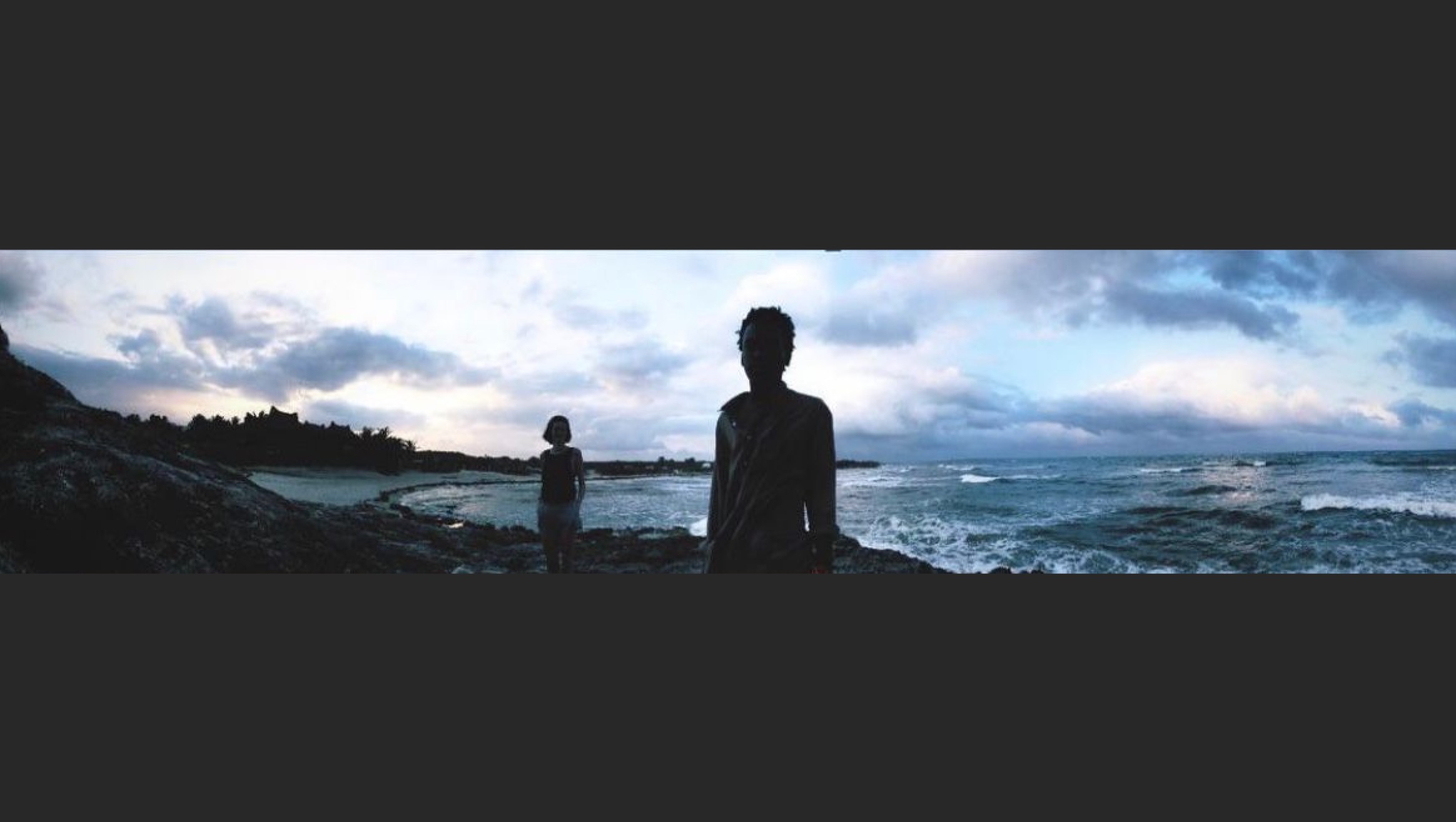
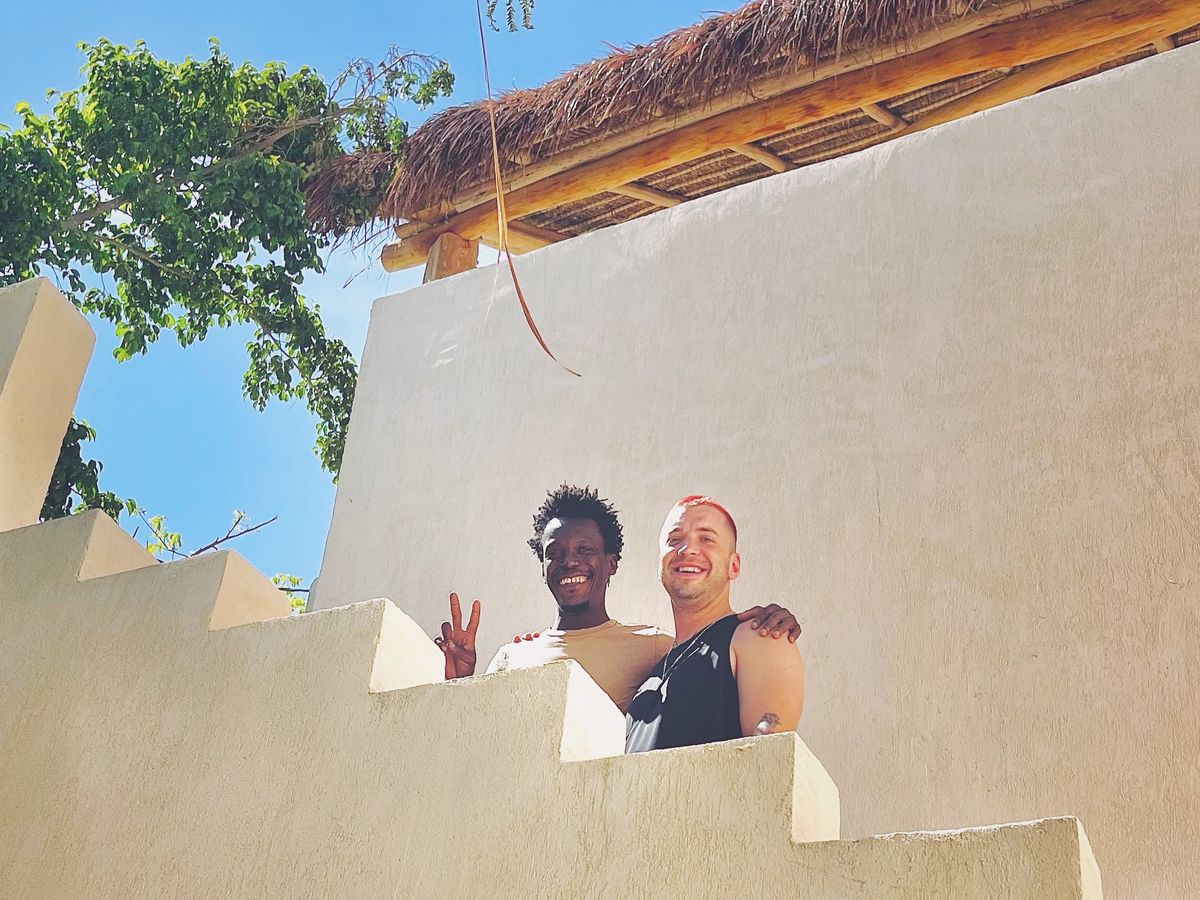
In 2019, when I first met Aziz, he was living out of a tent on the beach in Tulum, Mexico, working in a café during the day and as a server at night. As I got to know him, I learned that his decision to camp was so that he would be able to send as much money as possible to his family back in Côte d'Ivoire (Ivory Coast).
While I had stepped out of the U.S.A. grind for a time and found respite in a casual job at a youth hostel, Aziz had long ago sought a different kind of respite. Rather than an opportunity to relax and travel and party, he had sought better opportunities to support himself and his family due to his own country’s less fortunate economic and political situation. He was one of the hardest workers I’d ever met. He had left West Africa in the late 2000s, so he’d been in Mexico, without once returning, for half his life. He’d left behind the language of his youth, French, but became fluent in Spanish. When I met him, he was a local. Mexico had become his home.
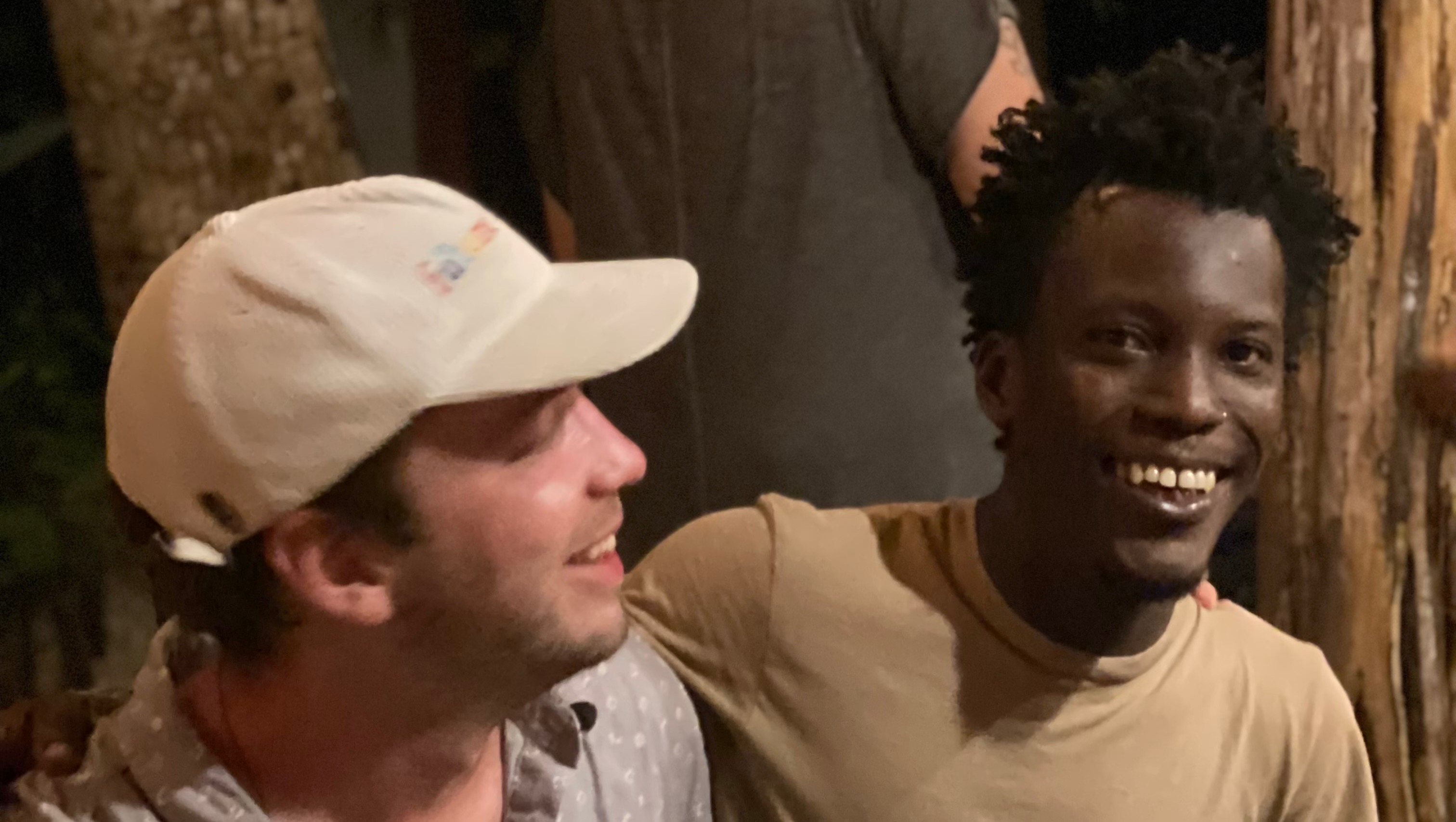
Aziz became one of my favorite people on the planet. He is quick to joy and his smile can calm the soul; his musings on life and spirituality are unique and perspective-shifting; he can capture a whole novella inside a photograph, and he’s self-taught at that. (See some of his work here.)
Soon after we met, he showed me a small plot of land on the outskirts of the then-still-relatively-undeveloped Tulum that he hoped to rent until he could afford to — one day, maybe — buy it. With permission from the owner, he had already begun clearing the land in his free time. He walked me through the site and showed me where each structure would be, and detailed each’s communal purpose: one palapa for living and sleeping, another for cooking and eating, another for music, another for art. The whole project would employ traditional Mayan techniques and local laborers. It was the first step towards realizing his own dreams.
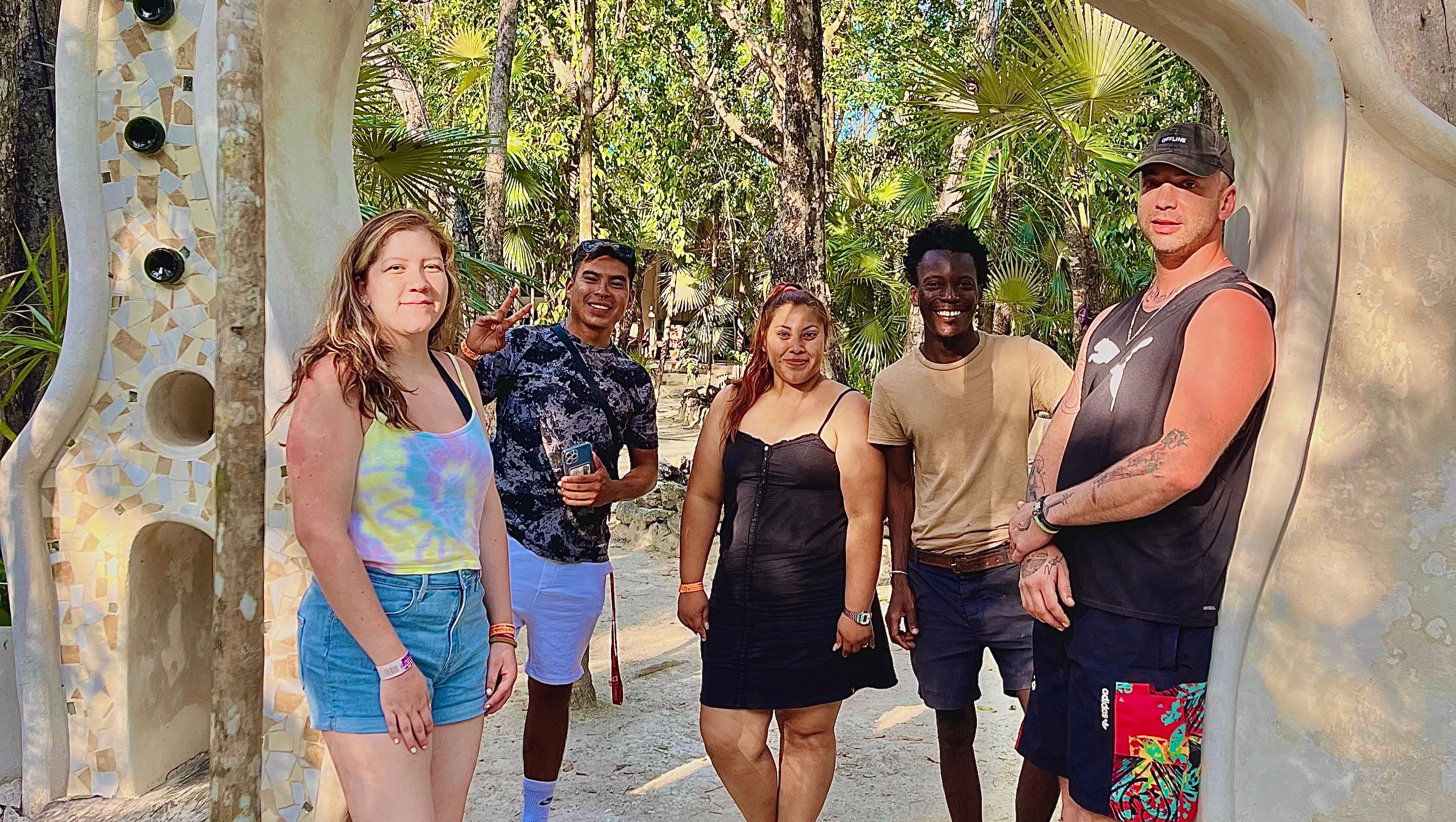
We became like brothers while I lived down there and stayed in close touch when I returned to the U.S.A. The next two times I visited, we reconnected as though no time had passed. He hadn’t been able to achieve his dream of the palapas, but neither his work ethic, nor his goodness, had once relented.
Early last year, Aziz had saved just enough money over fourteen years that he’d planned himself a trip to Southeast Asia. He’d invited me, but I couldn’t make it happen. When he arrived in Thailand for a layover, they told him his papers were not in order and ordered him to buy a flight — not back to Mexico, which was in reality his home — but to Côte d'Ivoire. This flight, this deportation, essentially cost him his entire life’s savings.
Both of us found this heartbreaking, but I was living well in California. I dreamt of him finding his way to live (and work — shhh) here, finally earning his worth. I loaned Aziz what I could afford so that he could apply for a U.S. visa and have enough money in his bank account that they wouldn’t suspect him of yearning to stay, along with some for a flight should a miracle occur and the U.S. government grant a West African smooth entry to their country. While time elapsed, he began to learn English, another dream of his, and signed up for online courses in programming. There were no viable job opportunities in Côte d'Ivoire, plus he was in essence a foreigner in his own country. Even his French had begun to sound weird, and he’d been gone so long that everything felt strange. He traveled to Mali to share a bedroom with his teenage nephew at his sister and her spouse’s house so that he could conserve the money that remained.
(Needless to say, there are an immense number of hardworking and pure individuals who would benefit tremendously from being given access to United States wages — like me, I’m sure you yourself know a handful. I have always felt that the tragedy is perhaps less that these so-called foreigners cannot benefit from this nation’s economy, but that this nation’s culture cannot benefit from these people’s humanity.)
The U.S. government did not grant Aziz the freedom to travel. Through all this turmoil and disappointment and inhumanity, though, Aziz remains his gracious, optimistic self. I, on the other hand, naïve as I am allowed to be, remain appalled and hurt. The list of nations worldwide to which Aziz can travel with no visa is very short. The list of nations that would require absurdities of him just to apply for a visa, then make him wait around for an interview that costs him money, then deny him entry… — that list is very long.
Aziz is still in Mali today, over a year after being deported from Southeast Asia. He and I talk weekly and I look forward to each conversation. His new plan is to return to Mexico. There, he has a strong community and network of connections, and he knows the language and culture. It is home. He has already submitted all necessary documentation for a new visa. However, he has to get from Mali to the nearest Mexican embassy in Morocco for his interview, which requires a flight, then from Morocco to Mexico. He is confident but not certain that Mexico will grant his visa, so choosing to support him is in a way a wish and in another way, I guess, a risk. I would continue to support my brother myself had I the funds, but I no longer do. If you are moved by Aziz’s story, please consider donating — anything you can would mean the world to him. Literally, I suppose.