They’re Not Lacking Potential—They’re Being Left Out
Creating an inclusive environment where children with autism and underserved children learn side by side—breaking barriers of access and stigma.
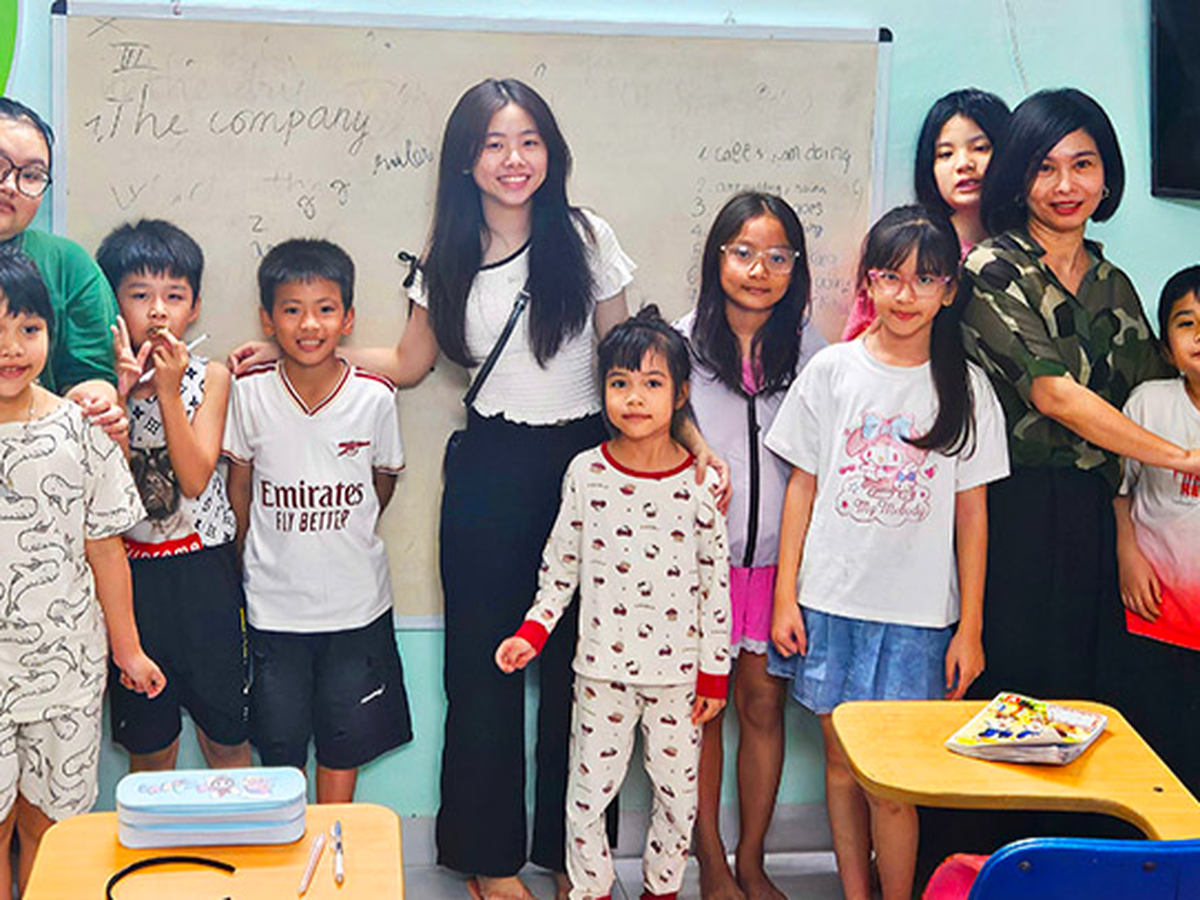
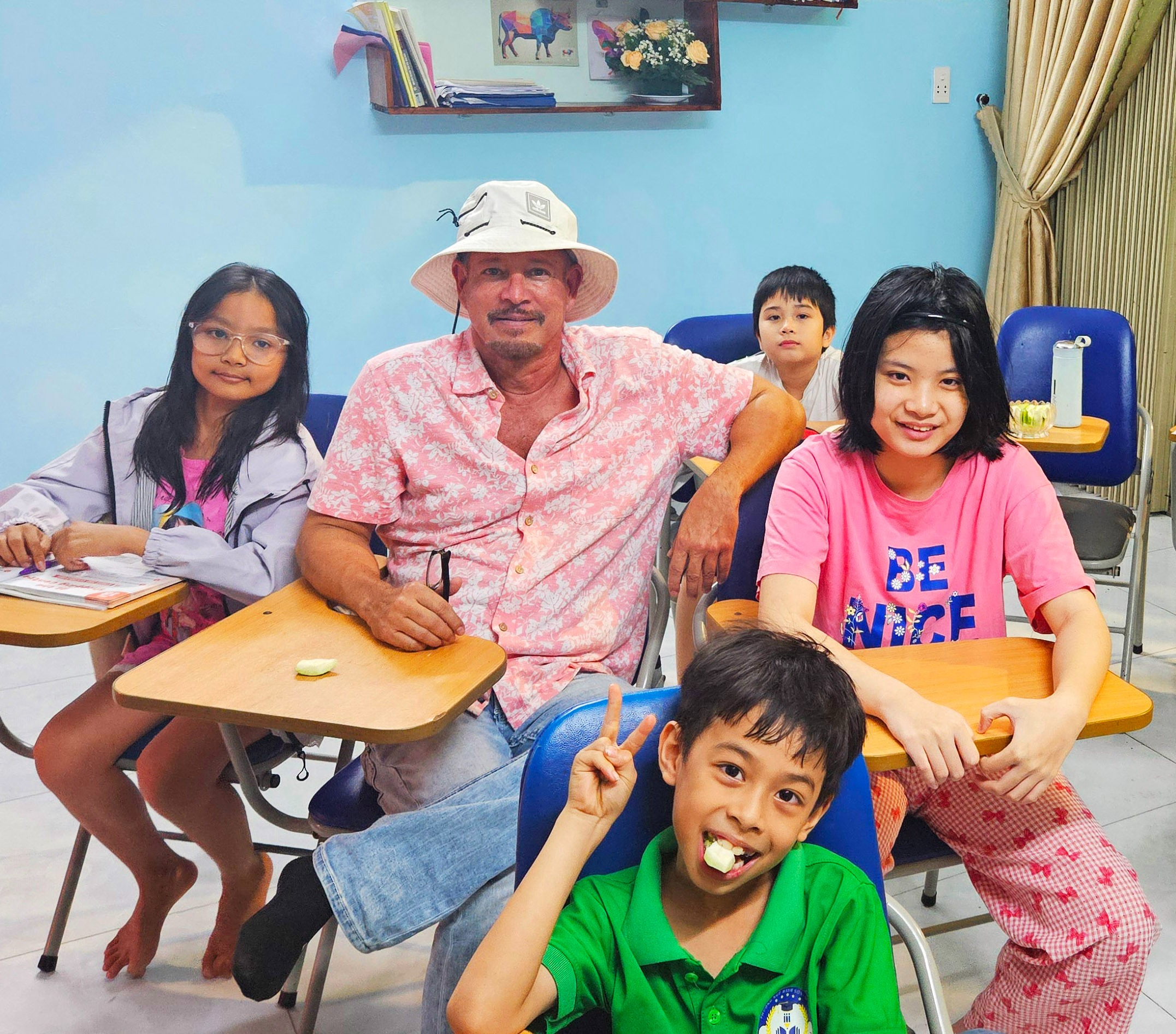
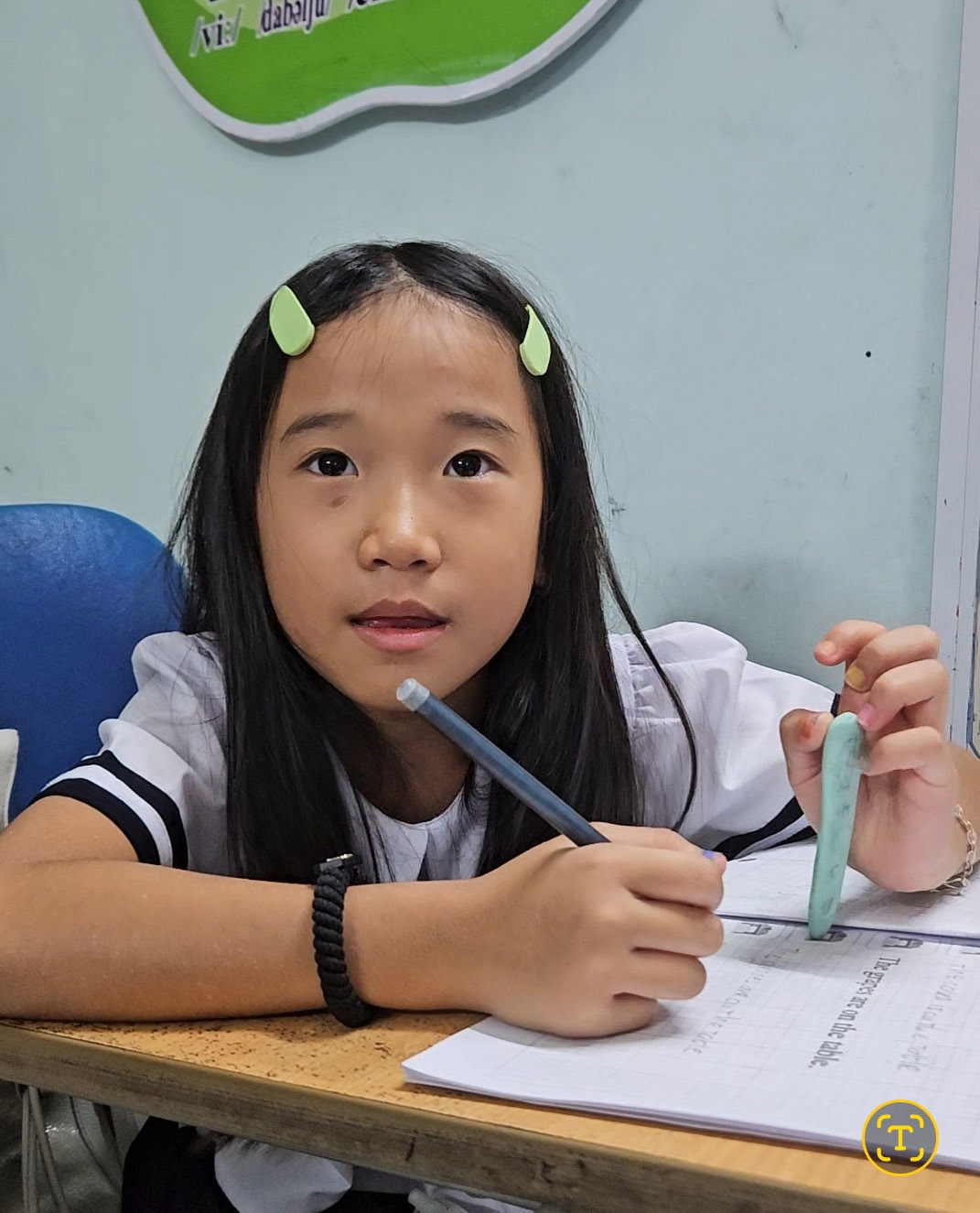
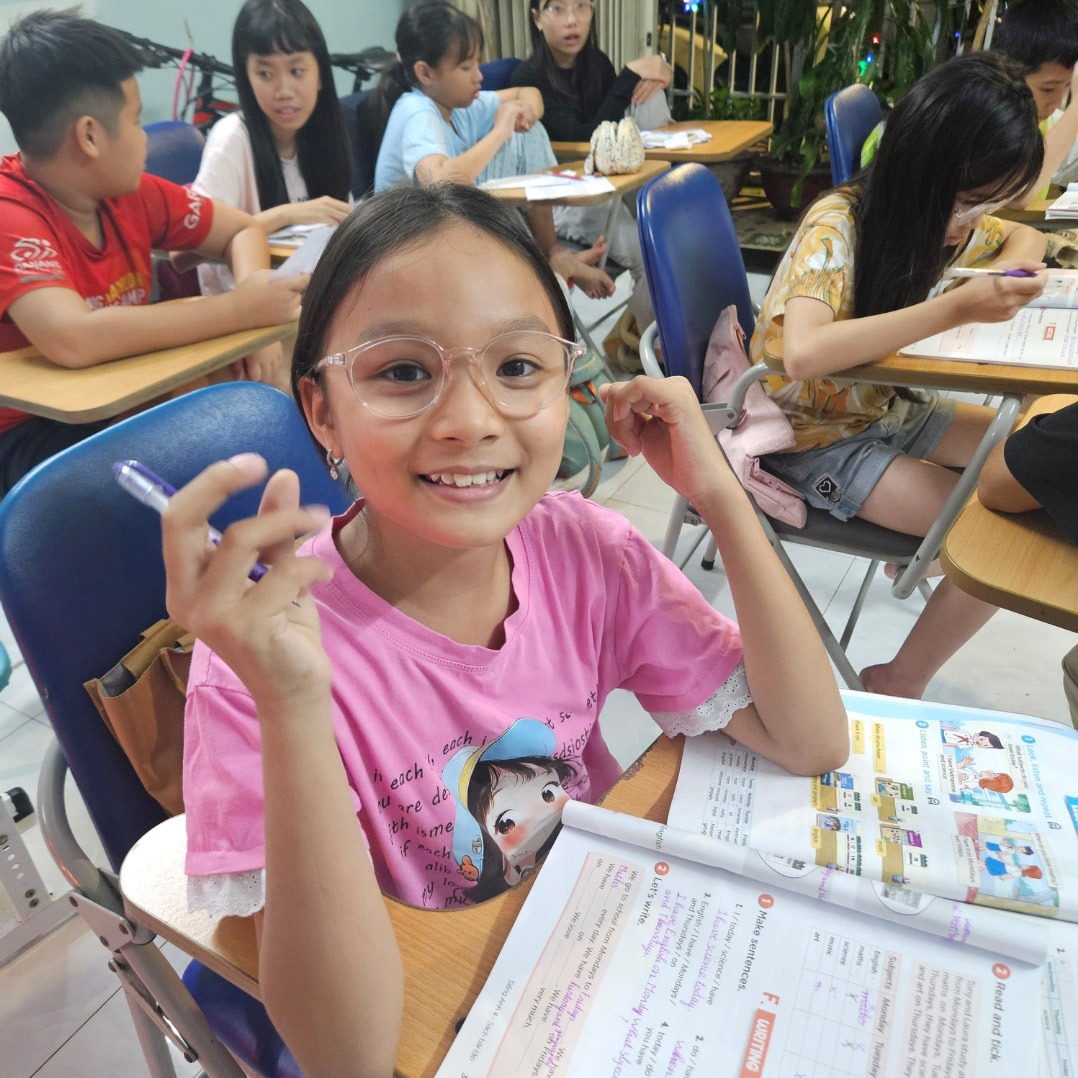
A glimpse of what’s possible when the right environment exists:
For many families, the challenge goes beyond communication.
In parts of Southeast Asia, autism is still widely misunderstood. Some families are told to hide their child. Others stop bringing them into public spaces altogether because of how people react. Instead of support, they face judgment. Instead of inclusion, isolation.
A Different Kind of Experience
Speaking and reading English is more than a skill—it’s a gateway. But in many public schools, children learn to recognize words without ever learning to truly communicate.
What We’re Building
This pilot is the first step: a model that proves what’s possible.
Each classroom is intentionally small—just 9 children supported by 3 trained adults—creating a near one-on-one environment where real progress becomes possible.
The pilot will support 7 classrooms, reaching 63 children who would otherwise have little to no access to this level of care.
More than a learning experience, this is a place to grow—access resources and technology—and spend time in a safe, supportive environment.
For families, it offers something just as important: relief, support, and the knowledge that their child is seen—and not alone.
This pilot lays the foundation for something bigger:
Partnerships with local autism-focused organizations in Vietnam
A structured, proven learning approach
Trained local teachers and support staff
Our goal is to raise $75,000 to launch this pilot—and build a model that can scale from one classroom… to many.
Budget Breakdown:
Teachers, aides, and therapist support (across 7 small, high-support classrooms)
Facility, rent, and operations
Curriculum development & learning materials
Learning tablets and software
raining & partnerships
Legal, admin, and nonprofit setup
The majority of funding goes directly to staffing—because each classroom is intentionally small, allowing for near one-on-one attention and consistent support.
This pilot is designed to prove the model—costs are higher upfront as we build structure, train staff, and refine the program for future scale.
Help us build the first classrooms—and give these children not just the chance to learn, but the chance to belong.