- R
- M
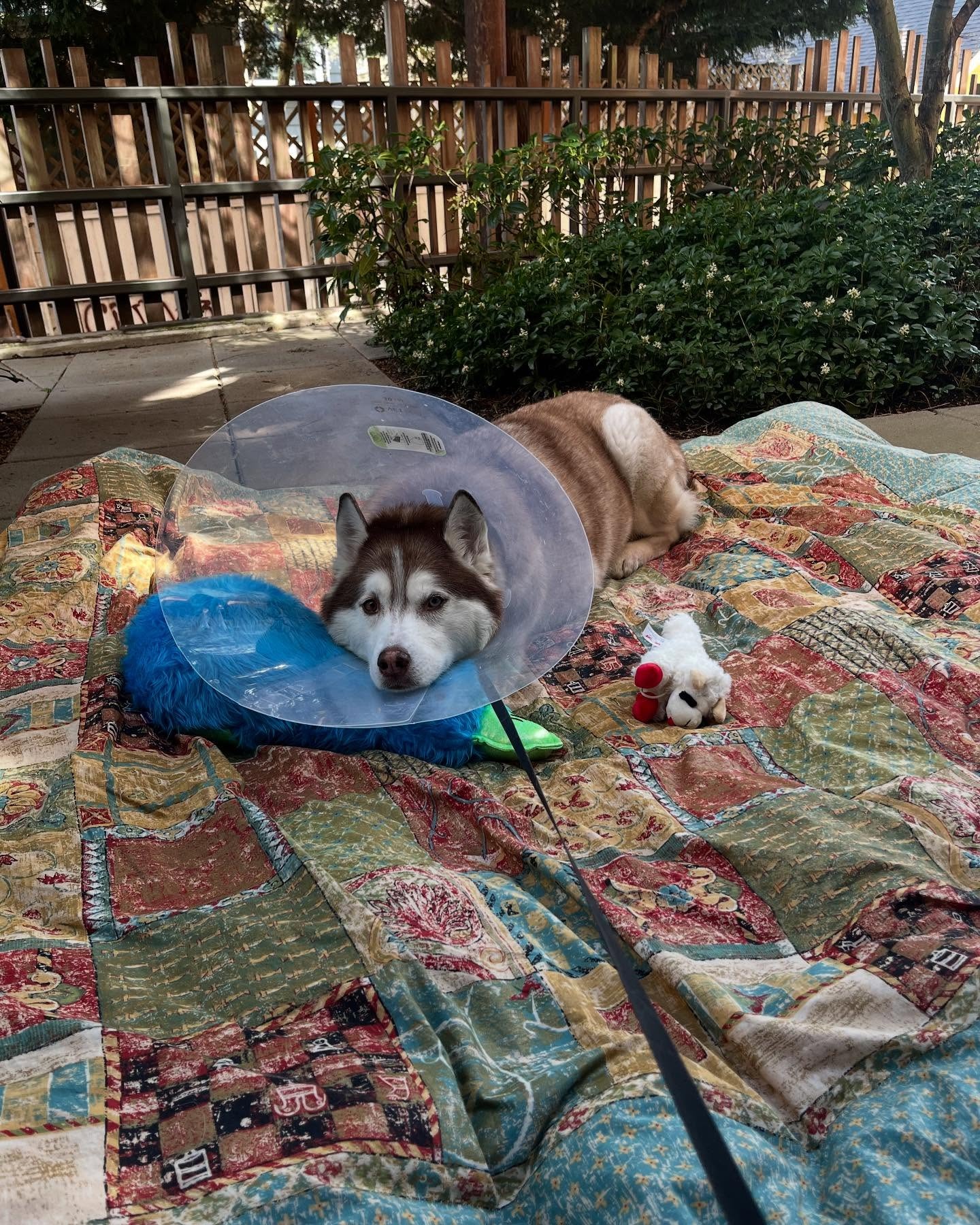
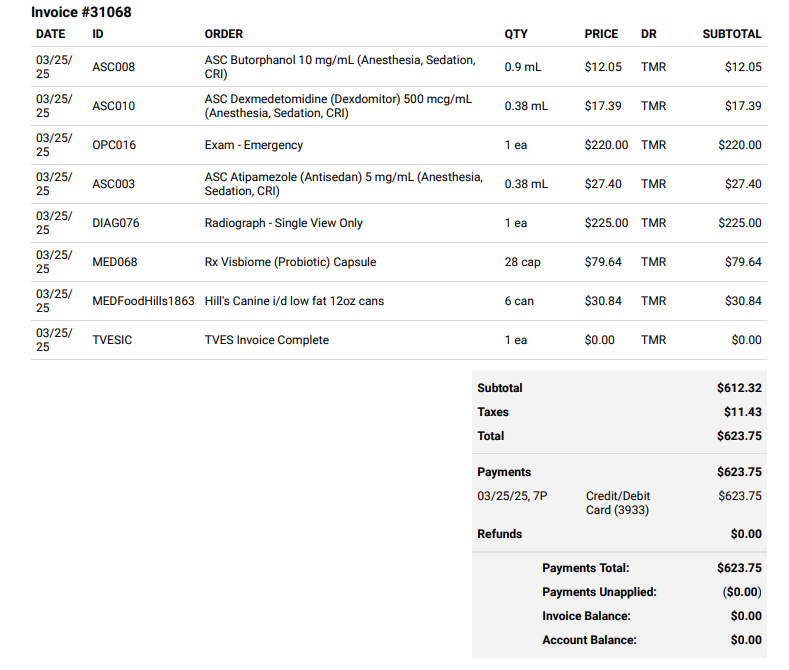
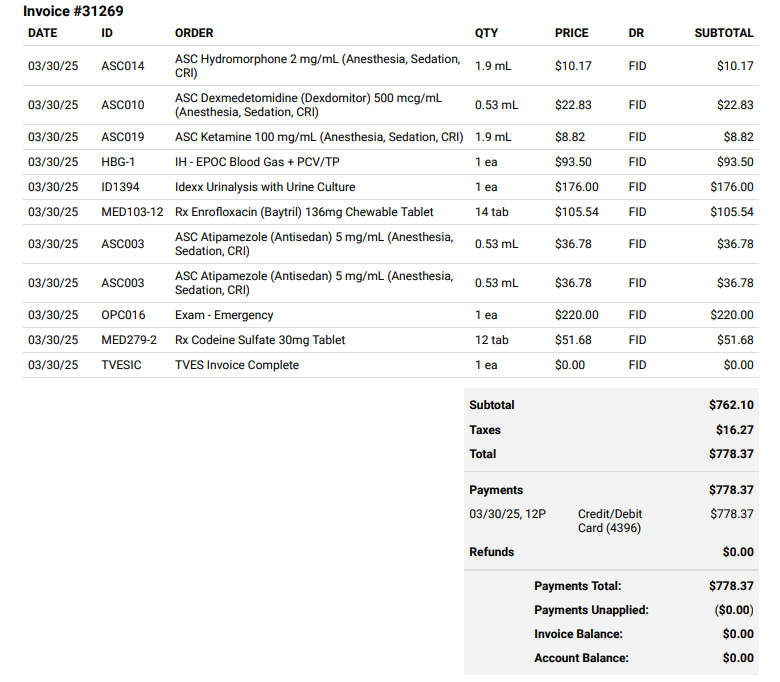
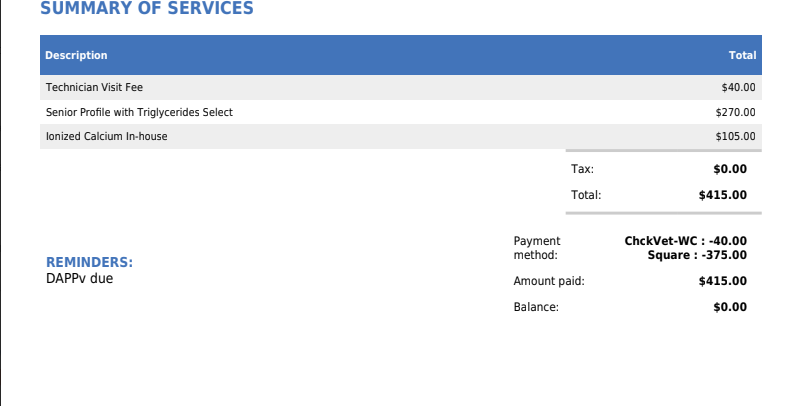
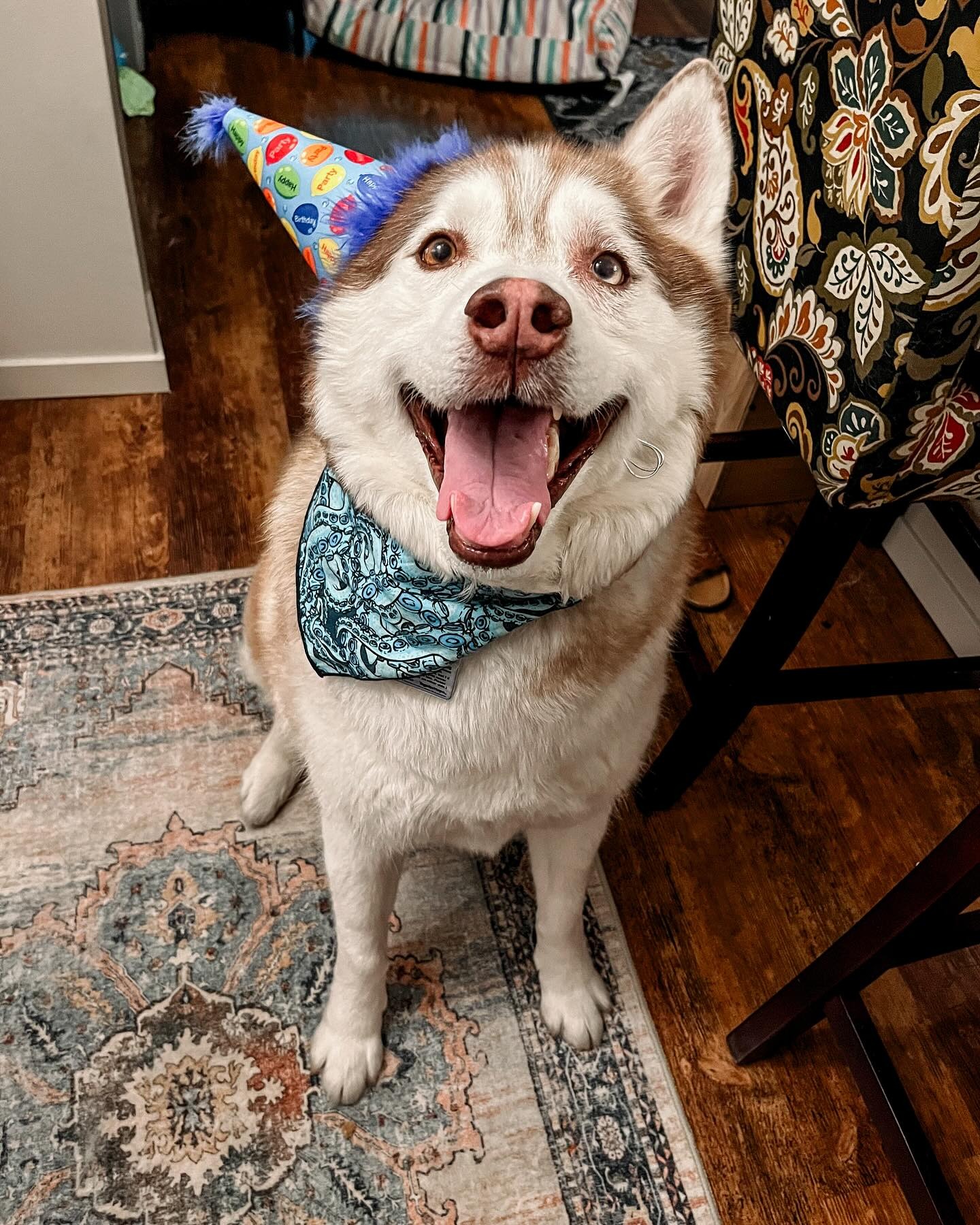
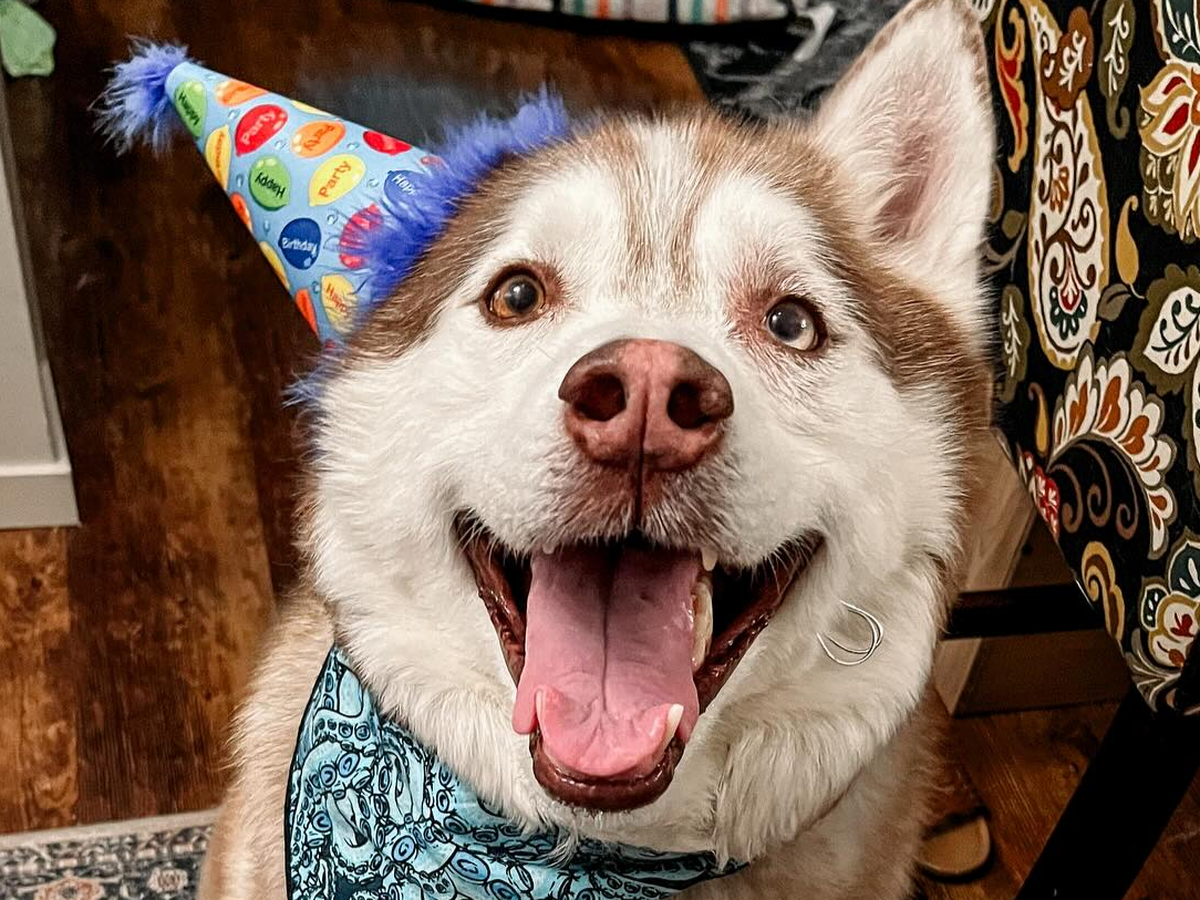
Hello! My name is Kendall and this is my dog Aspen. Earlier this year, Aspen and I moved across the country to Seattle, WA, and two weeks after we arrived, he needed emergency surgery for the removal of calcium oxalate bladder stones. One day Aspen was fine, and then the next day he was crying and having a hard time going potty. My boyfriend and I promptly took him to the ER and were sent home to monitor him because the vet was unsure what was wrong. The following morning, Aspen was in severe distress, so we went back to the ER, and he was sedated so they could perform an ultrasound. During the ultrasound, they found 4 bladder stones, and we were given the option to dissolve them or remove them with surgery. At the time, we weren't sure what type of bladder stones he had, but trying to dissolve them posed a great risk of a urinary obstruction, so we opted for surgery. We were referred to a clinic, and Aspen was able to get into surgery the following day. About three days after the surgery, he had to go back to the ER because he was crying and in severe pain. Once we arrived, he was sedated again; however, this time he had a seizure because his system was overloaded on medications. They found nothing wrong during the ultrasound and chalked up his pain to inflammation, so we were sent home with more medication and instructions to monitor. A few days later, we got the results back from his urine sample and found elevated bilirubin markers, which could have meant a liver problem. Since he was not having any other issues that would show up as liver disease, the vet told us to monitor him for a couple of weeks and get him back in for a recheck. Aspen went back in for a recheck and had extensive bloodwork done as well as a urine test. His blood work came back great (yay, no liver disease!), but his urine was still acidic, so we had to adjust his diet. It was around this time we got the test results back from his surgery and discovered his bladder stones were calcium oxalate stones, which are not dissolvable and need surgical removal no matter what. Unfortunately, calcium oxalate stones have a high recurrence rate, and since his urine was still acidic, we needed to act fast. The vet recommended a prescription diet that consists primarily of wet food along with a potassium citrate supplement to help alkalize his urine. The other downside is because of the type of crystals, he has to have x-rays done every few months to monitor crystal formation. His last x-ray / urine test was in July and while the x-ray came back clear his urine stilled showed high acidity so we are still in the process of trying to adjust his diet and medications to bring that acidity down.
During this process, I was laid off from my job, and we have been struggling financially. Moving across the country was expensive, but I also have medical debt due to my own chronic health conditions. Aspen also has an autoimmune disease, Dry Eye Disease, which flared up quite a bit last year and resulted in quite a few vet bills and many different medications. His eye disease is flaring up again despite being on prescription eye drops so we have to go see a specialist to figure out the next course of treatment. In Colorado, we had pet insurance, but it was unable to be switched over to another state, and his new insurance hadn't kicked in at the time of the surgery. However, now his future testing is no longer covered because it is considered a pre-existing condition since the stones have a high recurrence rate. I'm not normally one to ask for help, but his food and supplements are about $650 a month at the moment, and his upcoming appointments will also be expensive, so any help is greatly appreciated.
Thank you for listening to Aspen's story. He's such a good boy and deserves the best life possible.
Organizer