Help Art Get the Liver Transplant That Will Save His Life
0% complete
$47,362 raised of $250K
81 donations
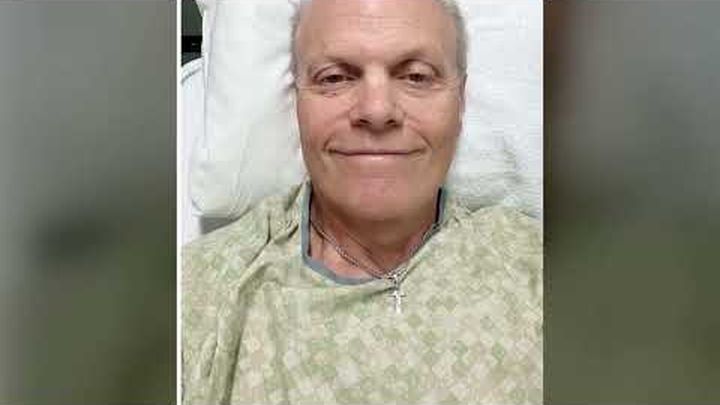
On March 14, 2024, I started vomiting blood in my kitchen. By the time I got to the Overlake Hospital ER in Bellevue, I'd lost 46% of my blood to a portal vein hemorrhage. The doctors told me later I was minutes from cardiac arrest.
I survived the night. Three days in the ICU, six units of blood, a banding procedure on my esophagus, and 4.5 liters of fluid drained from my stomach — and then the diagnosis: end-stage liver disease. Cirrhosis had destroyed roughly 80% of my liver. It was working at about 20%. Without a transplant, they gave me 2 to 6 months.
That was two and a half years ago. I'm still here because I refused to go quietly.
Since the day I left the hospital, I've done everything my doctors asked. I rebuilt my diet from scratch — whole foods, fruits and vegetables, nothing processed. I started walking, and I haven't stopped: more than 10,000 miles since March 2024. I've lost a tremendous amount of weight. I've taken every medication, shown up for every appointment — four endoscopies in 2024, two more in 2025, three so far in 2026, ultrasounds and blood panels every six months to watch for the liver and esophageal cancer I'm now at high risk for.
I've done my part. My liver can't do its.
I'm a candidate for a liver transplant — the only thing that can extend my life. My MELD score, the ranking system for transplant urgency, sits between 17 and 20.
I'm in the program at the Washington State Gastrointestinal Care Program through the Wa GI Clinic at Overlake. My doctors say I'm doing everything right.
The only thing standing between me and the transplant is money.
I don't have insurance. I've been designated permanently disabled. A liver transplant runs $900,000 to $1 million — the surgery, the hospital stay, the anti-rejection drugs I'll take for the rest of my life, follow-up care, rehab.
Without it, my prognosis is what it was that night in March 2024: dire.
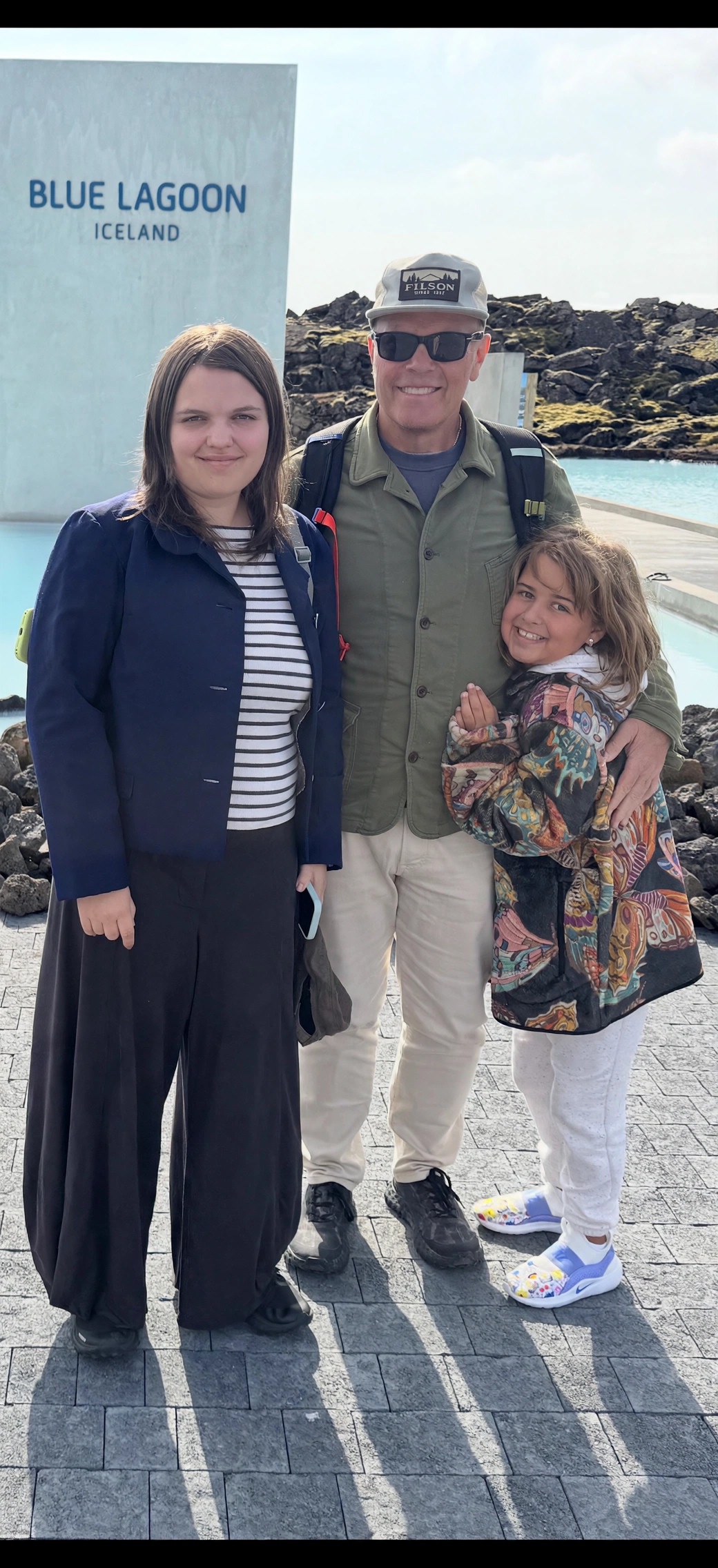
I'm a father of two. My children and my entire family, friends mean everything That's what I'm fighting for.
That's what your donation buys: a father getting to show up for his kids.
I also live with PTSD and a stack of other health issues that make every day harder than it looks. I'm telling you that because I want you to know exactly who you're helping — no filters.
How your donation will be used
Transplant surgery, hospitalization, and immediate aftercare
Anti-rejection and other medications, short-term and lifelong
Follow-up procedures, monitoring, and rehab
Travel and caregiver costs around the surgery
Living expenses during recovery.
Every dollar goes to this fight. I'm happy to share my medical records with any donor who wants to see them — full transparency, no questions off limits.
How you can help
Donate — anything helps, truly. $10 matters here.
Share this page — with your friends, your family, your group chats. Most donations come from shares, not from the link sitting still.
Send a prayer or a few words of encouragement. On the hard days, those carry me.
Thank you for reading this far. Two and a half years ago I was supposed to have months. I'm still walking — literally, thousands of miles — toward the day I get this transplant. Help me get there.
God bless you,
Art Edwards
Bellevue, Washington
Co-organizers6