- J
- C
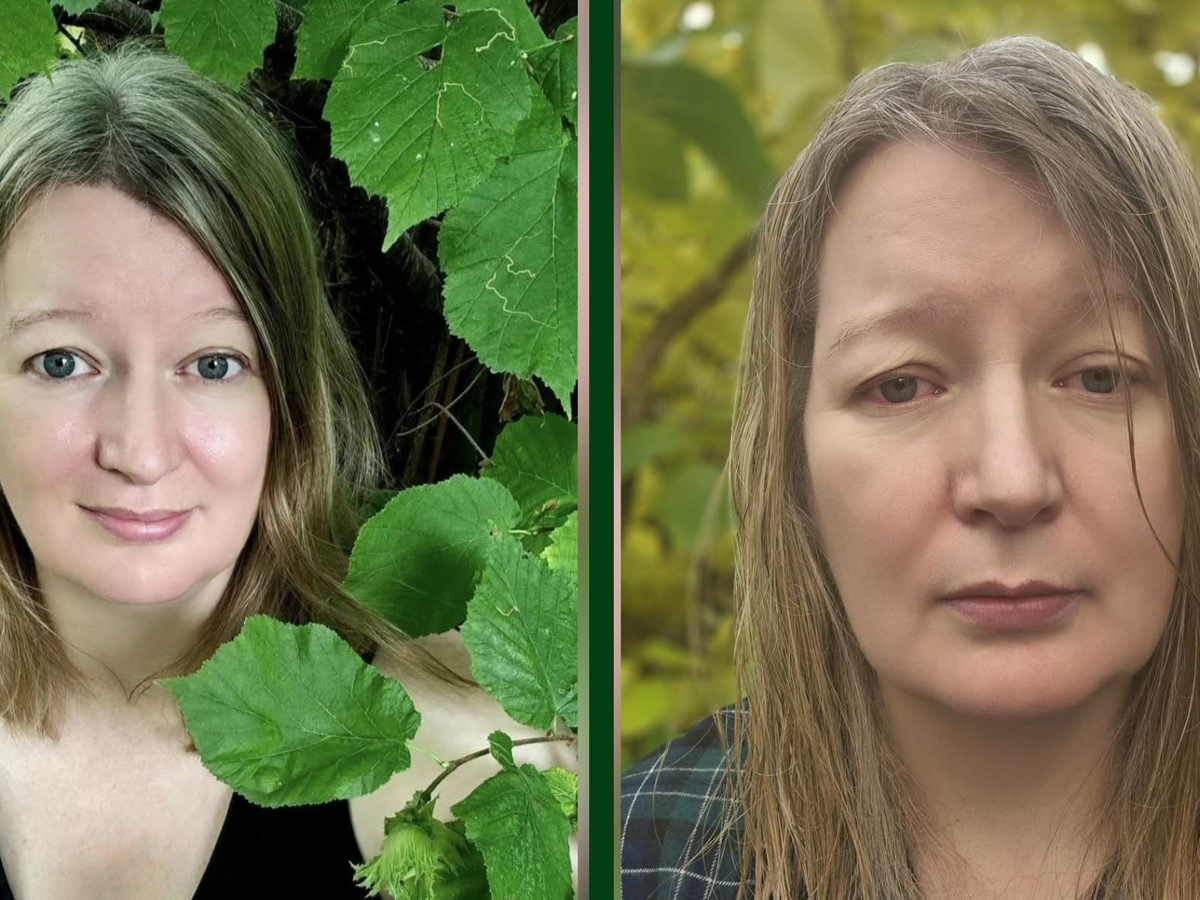
Help Alison Recover from Severe Virus & Heart Complications
0% complete
£2,923 raised of £5K
102 donations
My name is Lizzie and I’m writing this on behalf of my friend Alison Jones, who became seriously ill in October 2025.
Initially, Alison thought she had a chest infection that would clear up with antibiotics. It turned out to be a virus that affected her heart, chest wall, joints, and whole body.
Since October, Alison has been through a long, difficult and very frustrating process of trying, with little success, to get the right care from the NHS while being extremely unwell.
Everything started when she got severe chest pains and went to her GP, who sent her straight to urgent care. From there, she was sent back to her GP, then back again to A&E after an ECG showed potential heart issues. After an overnight stay in hospital, she was told her heart was “not right, but not an emergency” and was discharged, still in significant pain, but without treatment, and told to wait for Cardiology to contact her.
During a Cardiology telephone appointment, she was told that because they didn’t think she was having a heart attack or heart failure, they couldn’t help, and that she should go back to her GP.
At a follow-up appointment, her GP was concerned enough to send her back to A&E again. After another hospital visit, she was given a working diagnosis of pericarditis and myocarditis. She wasn’t given the standard diagnostic test for pericarditis (an echocardiogram), and was sent home with advice to take paracetamol and ibuprofen, which she had already been taking for weeks without improvement.
Later her GP prescribed colchicine, and said she should expect to feel better in around 12 weeks. She didn’t improve, and her pain remained severe. She was referred back to Cardiology and an echocardiogram was requested, but she was told she couldn’t have one. A cardiac CT scan was suggested and then cancelled the next day based on earlier notes, even though her condition had worsened. She was also told to stop the medication.
At this point, Alison was still in a lot of pain and was still being passed back and forth between services without anyone taking overall responsibility. She started to think she just needed to push through and try to carry on, but her fatigue became overwhelming and she started to struggle to walk and to stand for any length of time.
In November, Alison became mostly bed-bound and was in constant pain. She couldn’t read, watch television, or listen to music. Her GP has described this period as “an acute amount of pain for a prolonged period of time.” Her GP restarted her medication, and also questioned why she hadn’t been treated for tachycardia, as her resting heart rate was between 150–170 bpm. She was finally given medication to help control this, along with stronger pain relief. In total, she was completely bed-bound for around nine weeks. She continues to struggle to do the most basic tasks and has to rest for the greater part of each day.
By mid January, she started to improve slightly, but then developed severe joint pain. An urgent rheumatology referral was made, which was delayed and consequently lost more than once. She is still waiting and won’t see a rheumatologist until late May. She saw a private rheumatologist, which helped somewhat, but further testing and treatment is currently unaffordable.
Between October and now, she has had around 45 medical encounters with doctors and the hospital, with no clear resolution. She was never given an appointment with a consultant cardiologist - only nurse practitioners throughout her care – despite the issues involving her heart. She is now dealing with severe post-viral syndrome and is due to see a Long Covid specialist in May, but there are no quick fixes.
It has been, and continues to be exhausting for her to try to advocate for herself while so unwell. It has put a huge strain on her family, including her husband and 3 children, who have had to support her throughout this ordeal, while trying to understand what was happening.
Alison is still dealing with ongoing pain, fatigue, and reduced mobility. Before the virus struck, Alison was active and fully able-bodied, managing a busy senior teaching job, 3 active children, caring for her elderly mother and expressing herself through her love of poetry and music. Now, she has to manage her energy very carefully, uses a walking stick, and structures her days around pain and pacing. She hasn’t been able to return to the job she loves since October, as it is physically demanding and she isn’t well enough to manage it yet. This has resulted in a loss of income, which they are unable to afford.
Having been so badly let down by the NHS, we are now raising funds to help her access private healthcare where needed, including specialist appointments, further investigations, and therapies that will support her recovery. Being able to do this would make a real difference and enable Alison to get back on her feet again and get back to work and be able to do all the things she loves once more.
Thank you for taking the time to read her story, and for any support you are able to give.
Organizer and beneficiary

Alison Jones-Mohaghegh
Beneficiary