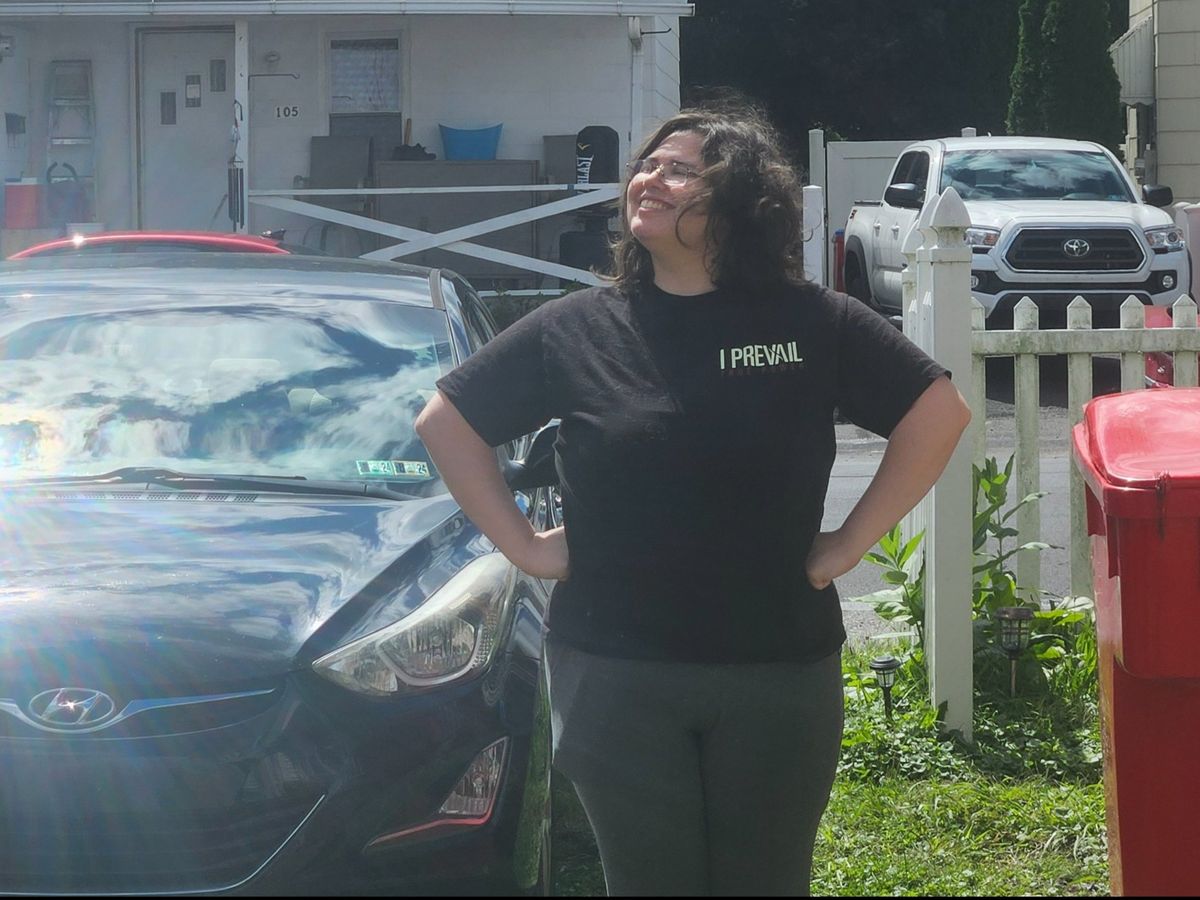
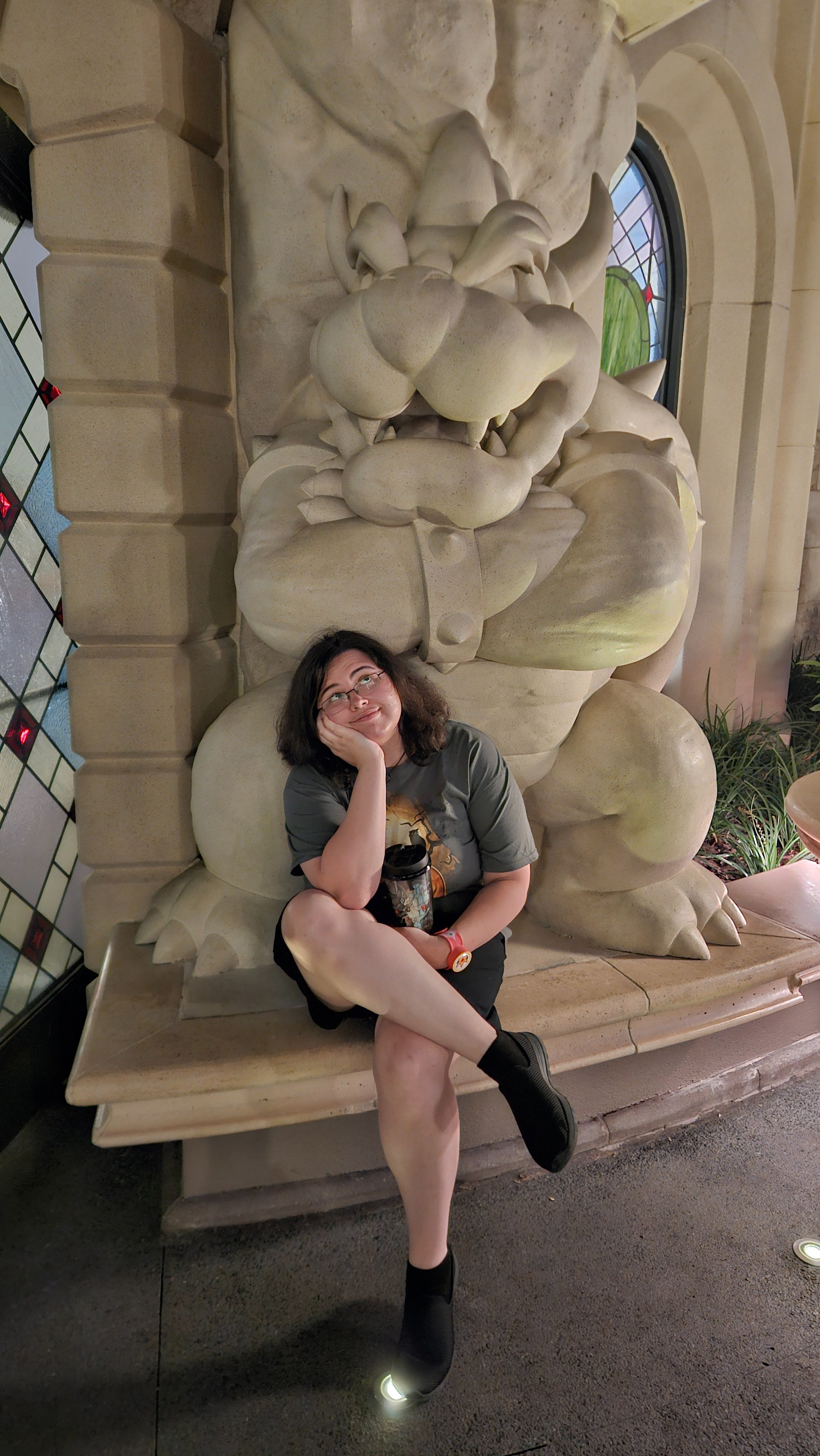
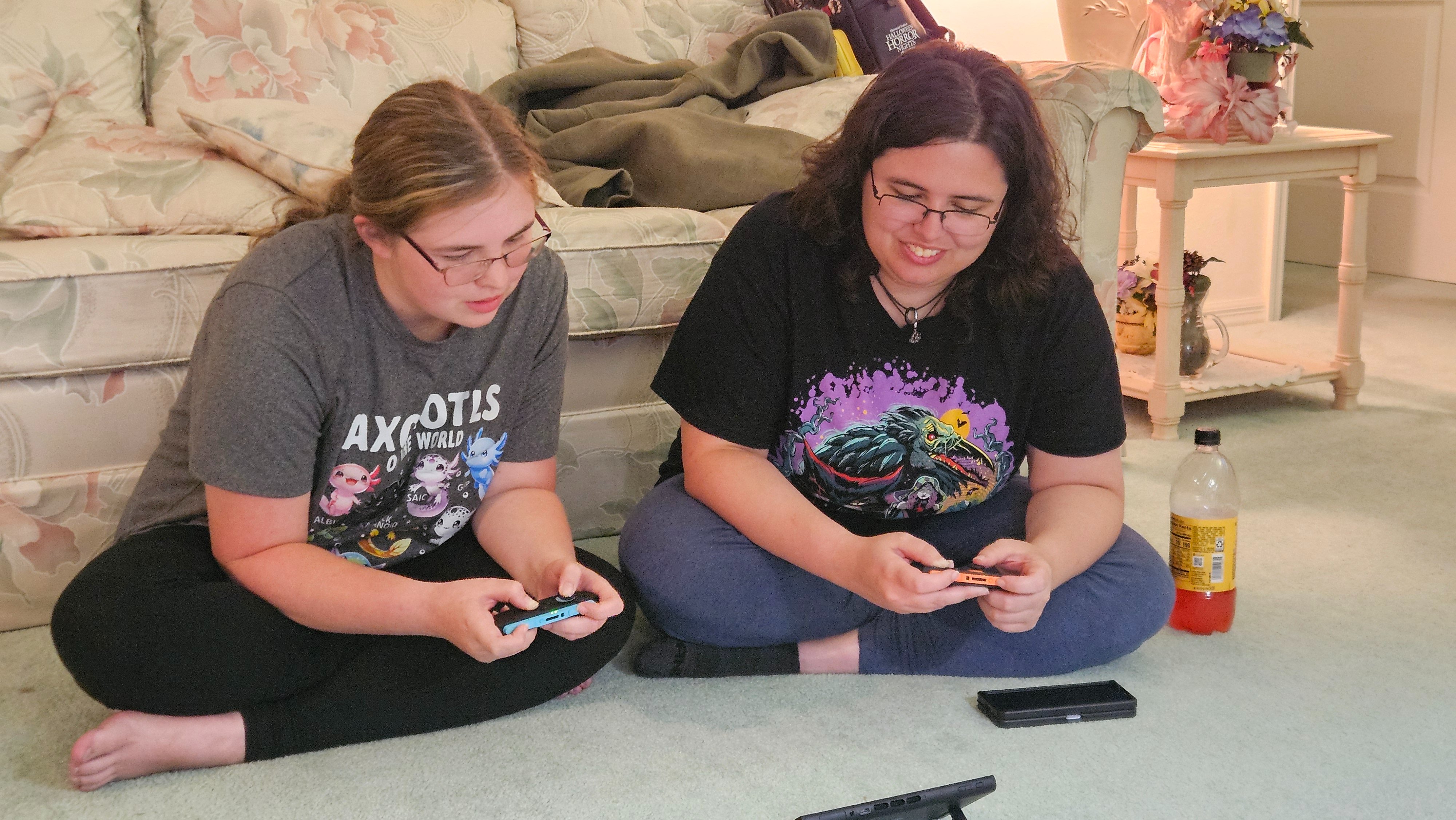
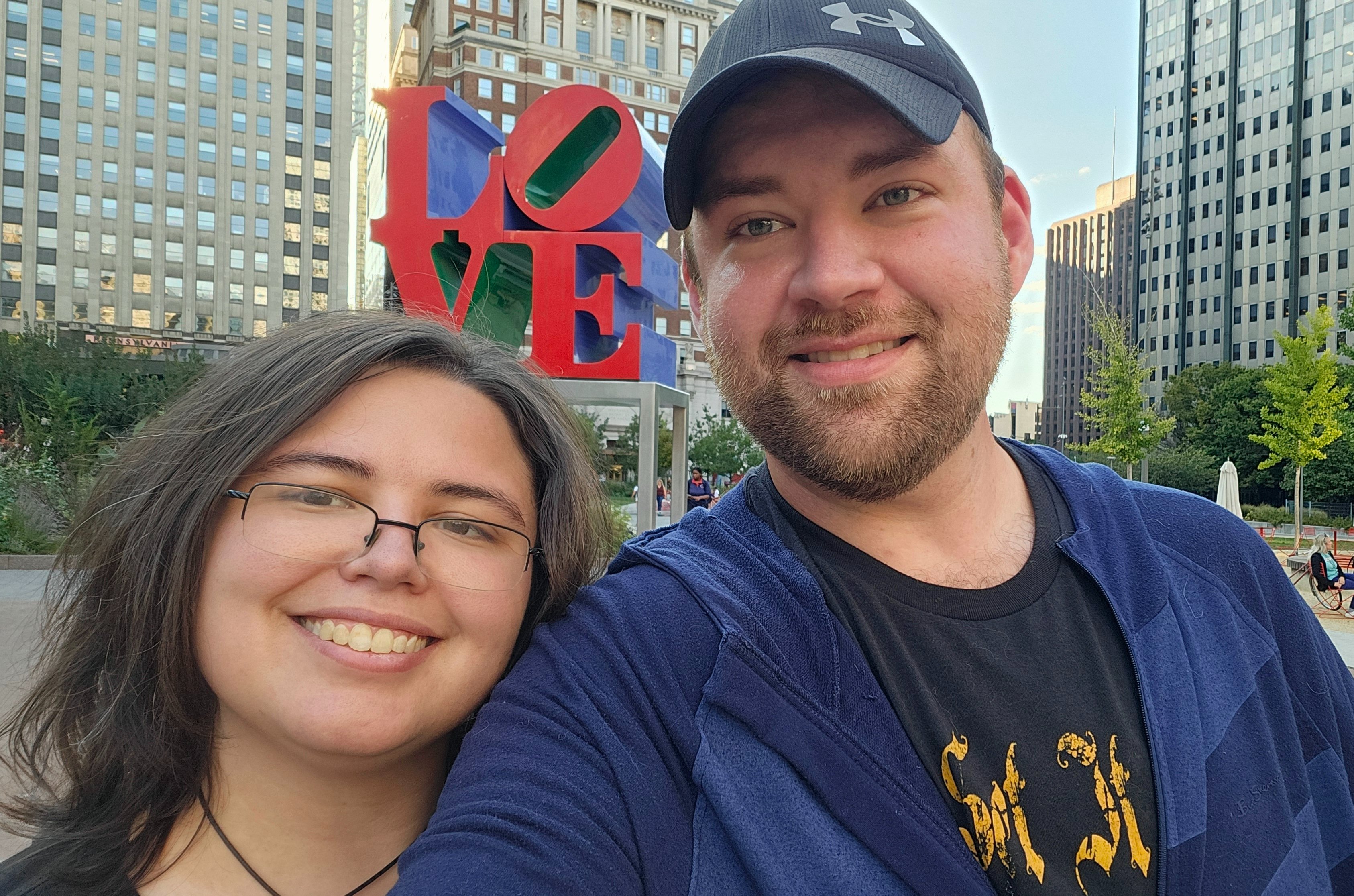
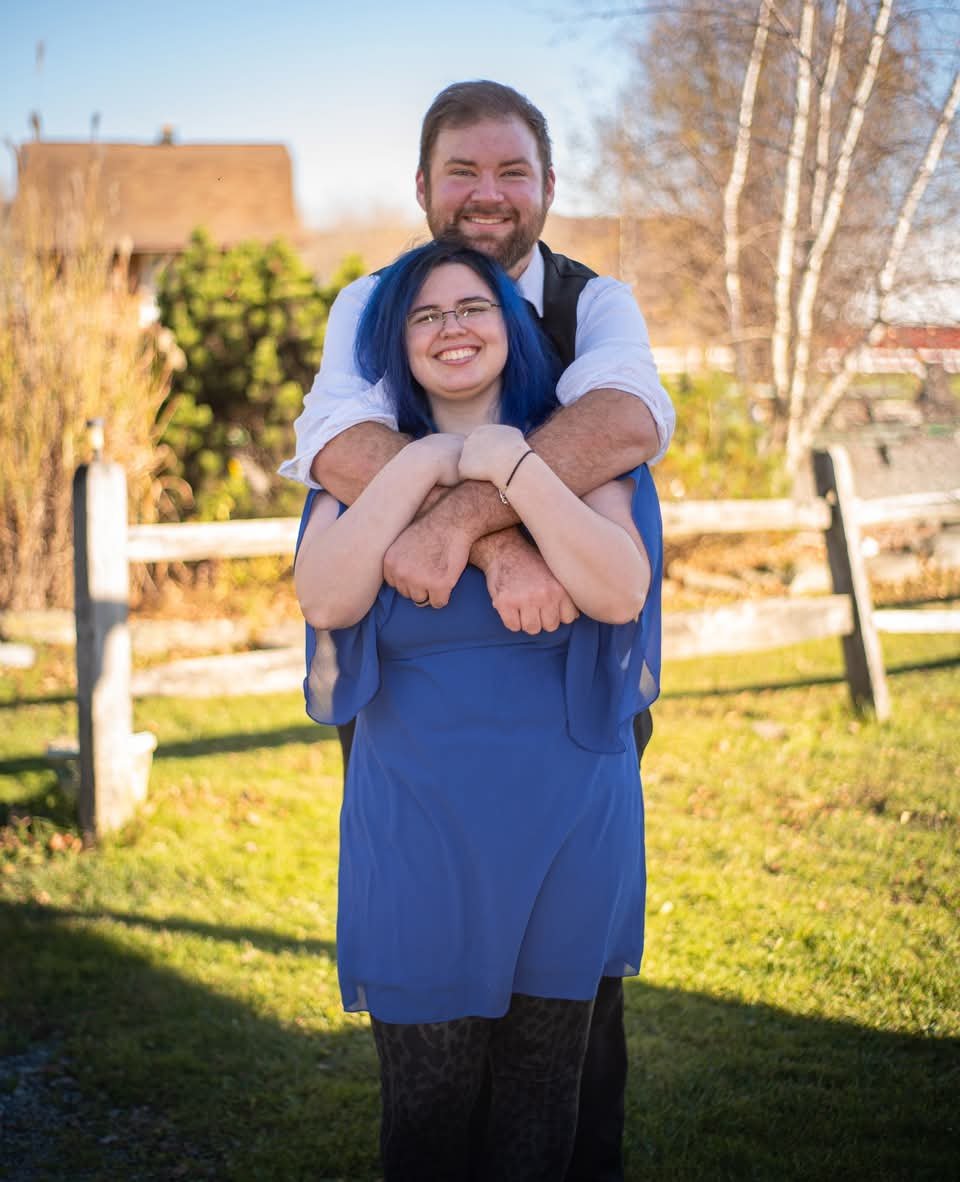
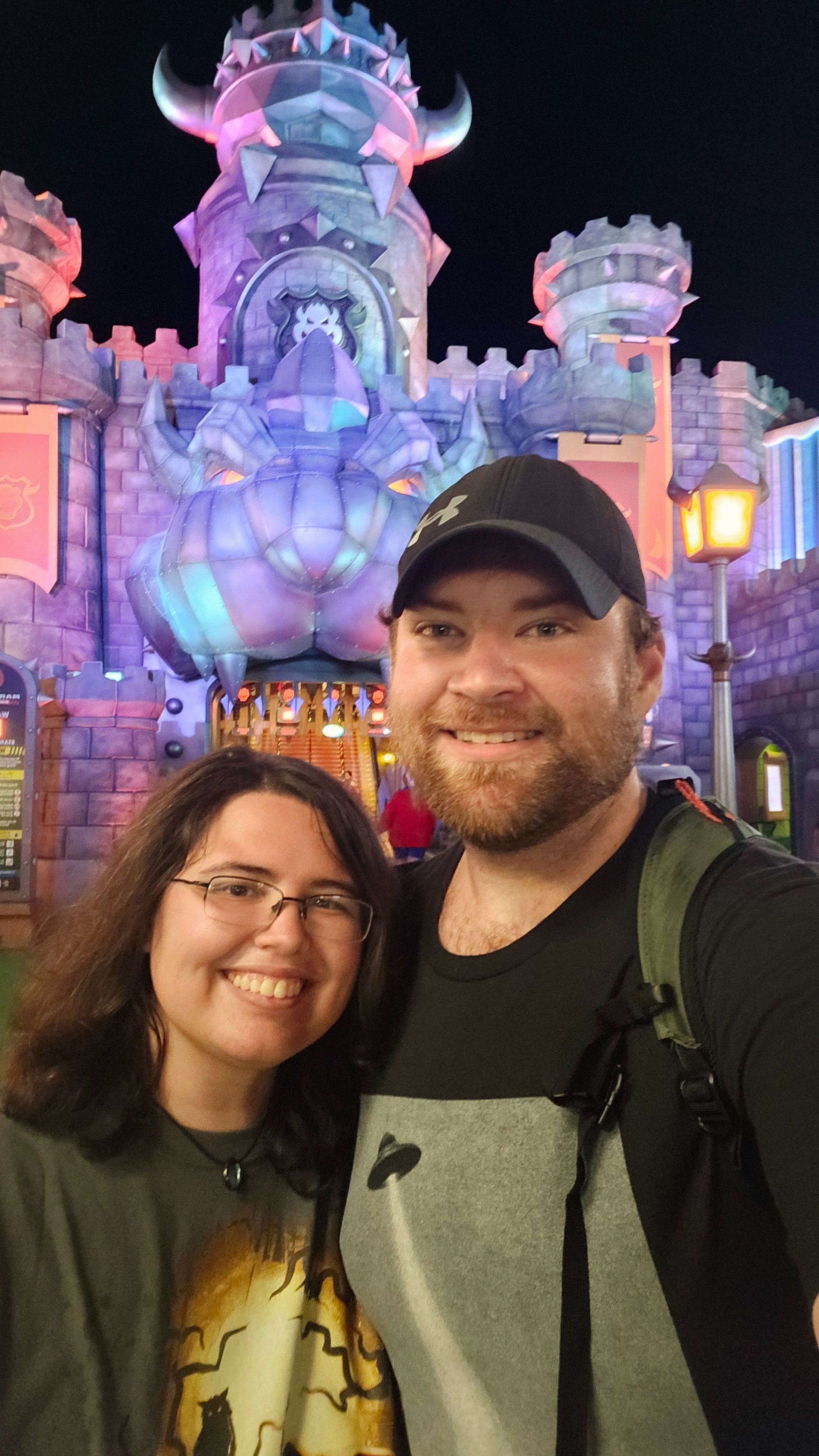
I am creating this campaign on behalf of my wife, Ali. She has gone through more than any person ever should. She has fought incredibly hard and survived, and is now starting a long road to recovery.
Ali is a survivor of AFE, Amniotic Fluid Embolism.
In December 2025, after deciding to grow our family to share the love we have given each other for 12 years, Ali and I discovered we were expecting our first child.
As first‑time parents, we were fairly uneducated on the medical side of childbirth, and our choice of OB/GYN left Ali and myself with a traumatic experience.
At our 20‑week anatomy scan, we found that we had lost our child at 17 weeks. The OB was not equipped to handle a second‑trimester D&C, said they would follow up, and simply did not. This was our realization that our experience with them was far from normal.
At Ali’s 3 p.m. check‑up, the doctor noticed no heartbeat, told Ali and her Mother the baby was on its side. He then left the room and changed the 4 p.m. ultrasound from “Anatomy Scan” to “Fetal Viability” without saying a word.
This set Ali up to be blindsided by trauma.
I arrived at 3:30 from work. Ali, my mother‑in‑law Melissa were in good spirits and laughing. Alis first words to me were “Baby is being stubborn.” We walked into the room, when the technician knew what they were going to see. The ultrasound tech broke the news to us, which we later found to be illegal.
The ultrasound technician then left the room, we thought they were going to get the doctor to confirm. They returned and moved us to a waiting room. After five minutes, they tried to bring us to the public waiting room, but we told them no. Their solution was to walk us through the waiting room while my wife was in tears. Still no confirmation from a doctor that we had lost our child.
After another five minutes of sitting in an examination room, the doctor opened the door, shrugged while looking me in the eyes, and said, “We don’t have a heartbeat.” He proceeded to say they could remove the child or Ali could deliver naturally, and we were appalled.
None of what he was saying seemed to even be professional at that point. It was almost as if we were being rushed out the door.
He said he would follow up with us and give us the room, then left. No one else came in. We opened the door and walked to checkout. They said the same thing, they would follow up. They did not treat this as an emergent situation, after seeing my child had been deceased for three weeks. They did not set an appointment that day. The doctor shrugged his shoulders at me and left us in the room alone with no instructions on what to do at that moment. This was fully client abandonment.
We left their office knowing we had lost our child and did not know what to do. As I’ve mentioned, the doctor told us they would follow up. Checkout said they would follow up. We had to be the ones to follow up.
When we pushed them the next day, they attempted to connect us with a partner facility in Allentown, who was out of our network, unlike the OB. They told us this was the only option in the area for a second‑trimester D&C. We went from hoping for a girl to being forced to empty our savings in order to try and move on.
We told them we just couldn’t afford the procedure and proceeded to call back our OB and demanded an in‑network solution. They then told us not only is Geisinger (who was present in the same city as us) in network, but also had two surgeons who were able to perform a second‑trimester D&C. This information was withheld from us until we were completely out of options that would benefit that particular OB or their partners. I have never felt more like an object in my life. Not only me, but they saw Ali as an object.
Geisinger stepped in, and after our initial OB made my wife carry our deceased child for a month, they got us in for the procedure, which took place on April 24th. Nine days after we found out we lost our child, 30 days after our child had died.
The reason a second‑trimester D&C is a higher risk is because of the addition of amniotic fluid, which is introduced during the second trimester. An Amniotic Fluid Embolism was mentioned to us beforehand as the rarest risk associated with this hour‑long procedure. I was sitting in the waiting room for about two hours telling myself Ali was in recovery when the same surgeon who explained the risk told me Ali had suffered an AFE.
An Amniotic Fluid Embolism is where, in 1 in 80,000 births, amniotic fluid is mistreated as a foreign threat to blood, and your body triggers a massive immune reaction.
Ali went into cardiac arrest and experienced severe hypoxia. Her heart and lungs were failing at the same time. CPR was performed for 30 minutes before they revived Ali. After the AFE, another complication arose called Disseminated Intravascular Coagulation, or DIC. This is where thousands of tiny blood clots form throughout the entire body, using up the body’s resources to create blood clots. Ali’s body was shutting down and purging natural life‑sustaining resources as 40 team members fought to save her life.
Ali received 27 units of blood products including transfusions, platelets, and plasma. They stabilized her by connecting an ECMO heart bypass and intubating her on a ventilator. Ali was then flown from Geisinger Wilkes‑Barre to Geisinger Danville, which we continue to be as of this writing.
During Ali’s flight, the doctors in Danville told me that the effects of the DIC were taking a toll, and Ali’s organs were shutting down due to the body‑wide failure. With everything that happened after the initial AFE, I was told Ali’s chances were about 1 in 1,000,000. They told me Ali was the sickest patient in Danville and to pray she makes it through the night.
I sat by Ali and prayed, and Ali made it through the night. Ali continued to hold on and fight despite everything that was thrown at her all at once.
The doctors were able to assess Ali and begin treatment, not knowing how Ali would respond or how long healing may look like. Nothing mattered to me except the thought that Ali would be able to come home and that the doctors were trying.
By Sunday, Ali’s ejection fraction (strength of the heart) grew from 5% to 35%. And by Monday, April 27th, two days after being connected, Ali was removed from the ECMO heart bypass.
Ali remained in a medically induced coma until May 4th, when she began responding to doctors. And after a failed attempt earlier in the week, she was extubated on Friday, May 8th. After two weeks of not breathing on her own, Ali was free of all crucial life‑supporting devices.
During the time Ali was asleep, myself and family followed her charts constantly, talked with doctors, tried to make sense of everything, and planned for the future, not knowing what it might look like or the challenges Ali would have to face.
There would be good days where info was quiet and Ali just rested. There would be great days where doctors commented on her progress and would tell me things like, “We see her lungs making a recovery.” Those were the great days.
There were horrible days where they would read test results and would only be able to speculate because Ali was still asleep. All we could do was keep faith Ali would pull through while planning for what life would be like with these unexpected changes. It didn’t matter to anyone how that looked, but they were scenarios we had to face in the toughest moment of our lives.
During the AFE, Ali suffered four strokes:
- Acute Ischemic Left MCA
- Acute Ischemic Right MCA
- Acute Ischemic Right PCA
- Acute Ischemic Left PCA
These covered all four major vascular areas of Ali’s brain. Some of the symptoms Ali was expected to experience upon waking up were:
- Low to no mobility in her arms
- Unable to comprehend speech
- Unable to swallow, possibly requiring a trach to breathe and a PEG tube to receive nutrients
- Unable to speak
- Emotional disruptions in her brain
- Vision loss, possible blindness
Doctors reinforced that physical, occupational, and speech therapy will help Ali recover most independence. So while Ali continued to fight, we started to plan how to make her future as comfortable as possible.
Luckily, by the grace of God, Ali started responding to assessments on May 4th. And the fact that Ali was responding meant she understood us. She was raising her arms, wiggling her toes, lifting her head to adjust pillows, and smiled whenever we mentioned our dogs.
I was thinking, “If Ali can hear us, she can understand how to swallow. We can try to help her figure it out before they decide on the trach.” This stay was full of victories that felt huge, followed by the realization there were still so many obstacles in front of Ali.
Ten days after intubation, four days after Ali responded, on May 8th, Ali was successfully extubated and began the process of healing after two weeks on life‑sustaining medicine while her body was not functioning on its own.
Her first day off the ventilator, Ali tried standing up, was saying one to two words at a time, and she was able to see us.
On her second day, she did stand up, she cracked her knuckles, and recalled nicknames of friends who came to visit.
On her third day, she took a step on her own, and the trach and PEG tube were no longer in consideration.
We are now over a week after extubation at the time of this writing. Ali and I are able to have conversations for about an hour before she gets too exhausted and needs to rest. She is speaking in full sentences, no vision issues are present, and very mild motor symptoms appear to be present from the stroke, although she is incredibly frail and tired.
We have been spending most days in the hospital room watching TV, working on memory recall, looking at photos of friends, family, and our pets, Miki, Jak, Luca, and Lilly, and Ali works tirelessly with her team at Geisinger to come back home to them.
Ali’s next step after being discharged is to transition into an inpatient rehabilitation facility for a short period of time. Then, Ali will be able to return home and focus on outpatient rehabilitation as her recovery continues.
I am so blessed by the fact that I still have Ali in my life. Ali has experienced and defeated things no one should ever experience, and not a lot of people are able to defeat. She is the most determined, hardworking, brilliant person I have ever met, and I am so grateful to call myself her husband.
I am not the type of person to ask for help. I have refused help so much throughout the years, and over these three weeks, I have learned that help does not determine your worth as a person, it shows who you have impacted in your life and how much you are cared for in return.
I can’t describe the amount of love and support we have received from friends and family throughout all of this. When I let my guard down and accepted help in the hardest part of my life, it really showed me that Ali and I were not alone.
The funds raised from this campaign will be going towards:
- Medical Bills: Thankfully, Geisinger is in network, but we are still facing our deductibles and our OOP max that we will have to pay. We will also be facing unexpected costs between medicine, follow‑ups, therapy, and whatever else may occur. This is our first experience with hospital recovery, so we really have no idea what to expect. Taking care of Ali’s bills, medicine, and general health needs are my top priority.
- Adding amenities to our downstairs: This includes a toilet, sink, shower, safety bars, bedding, and building materials to convert an existing downstairs room into a bedroom and bath, allowing Ali to have all her needs met without needing to climb stairs while she continues outpatient therapy.
- Repairing plumbing and lower‑level flooring: We have paid absurd amounts to homeowners insurance throughout the years, yet we are stuck with many issues that weren’t big enough for them to get involved in. I have to repair damaged flooring, as well as plumbing, to make sure the home is as safe as it could be with Ali’s limited mobility.
- Debt management: Ali and I have, of course, acquired debt throughout the years. My stubbornness in asking for help led both of us to try and fund our dreams on our own. This became incredibly tough throughout the years as we also balanced full‑time work and other forms of finding income. We were very happy with the progress we were making, but then were hit with this horrific event. I am very conflicted about using funds to pay off previous debt, but I feel it could give Ali some peace of mind while stabilizing our future.
- Income loss: Ali and I are fortunate enough to work for the same company, We Talk Shirty, filled with amazing coworkers. I will be able to return to work once we get Ali closer to home in rehab, but Ali may potentially be out of work for months. The fact is, we can’t survive on a single income alone. Our bills far exceed what I am able to produce at the moment, and we only see our monthly budget growing.
- General needs: This will include groceries, gas, utilities, and mortgage. I will be covering this as long as I possibly can, but again, with potential income loss, I am expecting this to become increasingly difficult as time goes on.
Please know every cent of this campaign is going towards giving my Wife Ali a better life.
Ali has gone through more in the last month than most people could ever imagine. She deserves the best for what she has endured, and I realized I have to accept help if I want to give that to her.
Thank you so much for reading Ali’s story. The support we have received even before this page was created has been unbelievable. Thank you for helping us get back to our life.
Organizer