ABLSBL
0% complete
$1,605 raised of $12K
11 donations
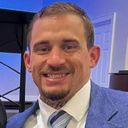
Hunter Nichols stands at a crossroads that is as much about breath and heartbeat as it is about balance sheets and boardroom pitches. For years, the gravity of addiction weighed on him like an invisible chain. He knows what it feels like to wake up with the same question every day: how to take the next step when every step is heavy with regret. He’s walked through the darkest nights, scraped together enough courage to ask for help, and found a path that led him away from the mirror’s deceit toward a future he can finally envision clearly.
What makes Hunter’s story compelling is not just the distance he has traveled from addiction to accountability, but the tangible, practical plan he has for giving others the same chance he earned. He’s lived the reality of relapse and recovery, of slipping and rising again, and he has come to believe—with undeniable certainty—that a structured sober living environment can be the bridge from chaos to stability. The six-month model he advocates is born from hard-won insight: it provides steady housing, accountability, and a scaffold for rebuilding routines, relationships, and purpose.
Hunter’s proposal for a sober living house in Winston-Salem is rooted in simple, undeniable truths. People recovering from addiction need more than housing; they need community, structure, accountability, and access to resources like counseling, job coaching, and peer support. The plan centers on a six-month program designed to stabilize residents and prepare them to reintegrate into life. The facility would offer safe housing and partnerships with local treatment providers. The intent is to reduce relapse, reduce emergency interventions, and increase independent living success. Hunter believes the model can be scalable across communities that face similar struggles.
Fundraising for this initiative is both a testament to Hunter’s endurance and a pledge to his neighbors in Winston-Salem. He speaks from lived experience when describing the need: the people who walk into recovery programs often carry the silence of years—stigma, financial barriers, and the haunting question of “what next?” Hunter’s plan is to meet those questions with a clear, accountable roadmap. He presents a transparent budget: secure housing costs, blend compassion with professional boundaries, program materials, and partnerships that enhance long-term outcomes. He invites donors to join a cause that is not merely a grant but a partnership—an investment in a proven pathway to stability, dignity, and opportunity.
What makes this effort truly resilient is Hunter’s ongoing commitment to his own recovery as a living testament. He speaks openly about the battles he faced, the days he nearly gave up, and the daily discipline that sustains him now. His fundraising pitch leans into authenticity: the money raised isn’t a life raft for him alone—it's a lifeline for men who deserve a stable environment to rebuild, learn, and contribute. Every dollar is framed as a vote of confidence in recovery, accountability, and second chances that ripple outward to families and the broader Winston-Salem community.
Hunter’s dream extends beyond bricks and occupancy. He envisions a sober living house that functions as a community hub—where residents support one another and gradually reclaim autonomy. He emphasizes measurable outcomes: reduced relapse rates, improved employment metrics, and stronger community ties. He invites prospective supporters to review progress data, success stories, and the ongoing framework that ensures ethical operation, safety, and accountability. For Hunter, fundraising is not a one-time appeal but the start of a sustained partnership with the city, local businesses who share a conviction: recovery is possible, and it thrives on steadfast stewardship.
If you’re evaluating this initiative, consider the lived experience at its core. Hunter’s journey from the depths of personal struggle to hopeful leadership underscores a powerful truth: recovery is forged in community and sustained by purposeful action. Supporting the six-month sober living house in Winston-Salem is more than philanthropy; it’s an investment in a scalable model of hope—one that can transform lives, fortify families, and strengthen neighborhoods for years to come.
Organizer