- D
- T
- J
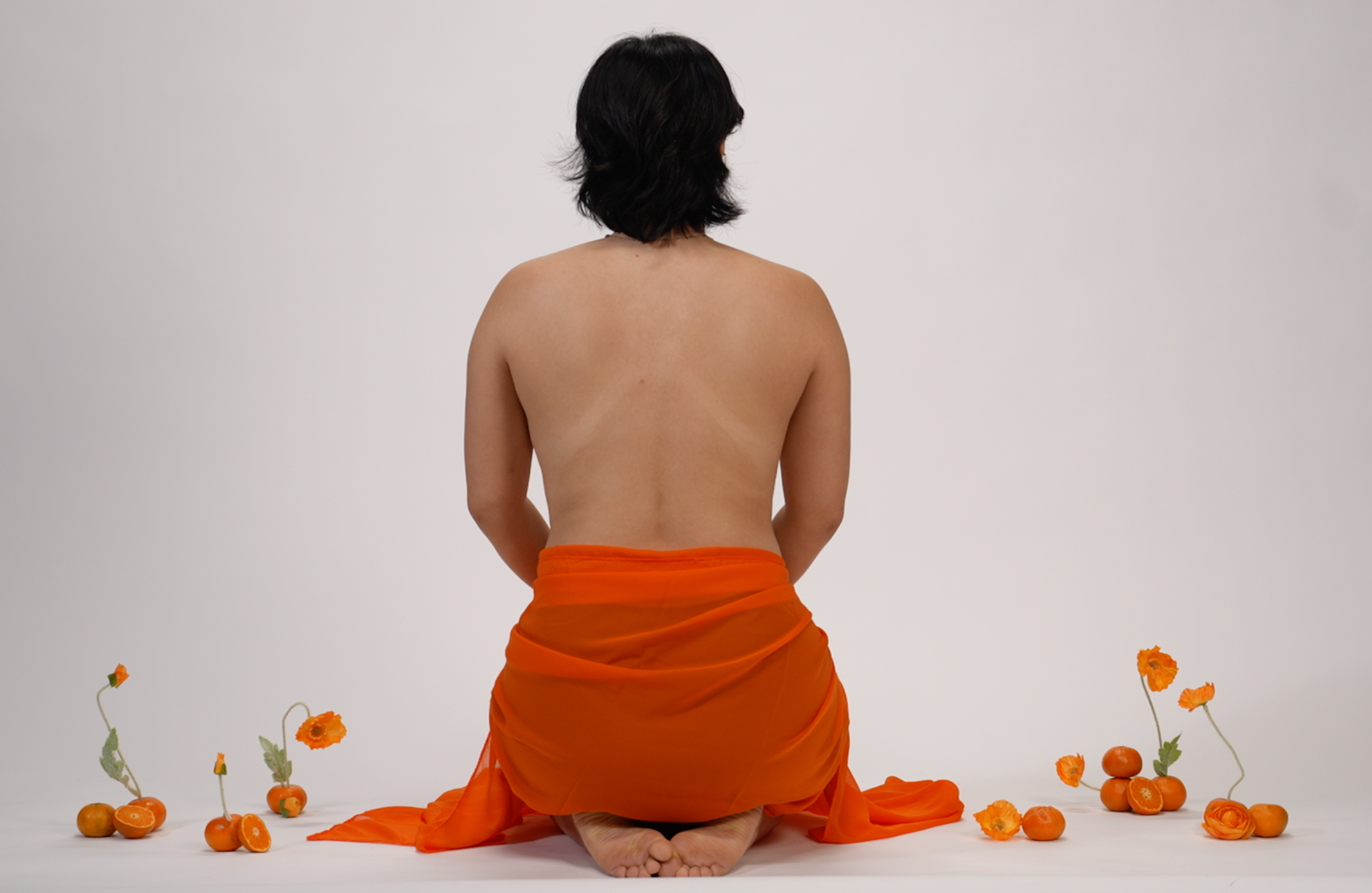
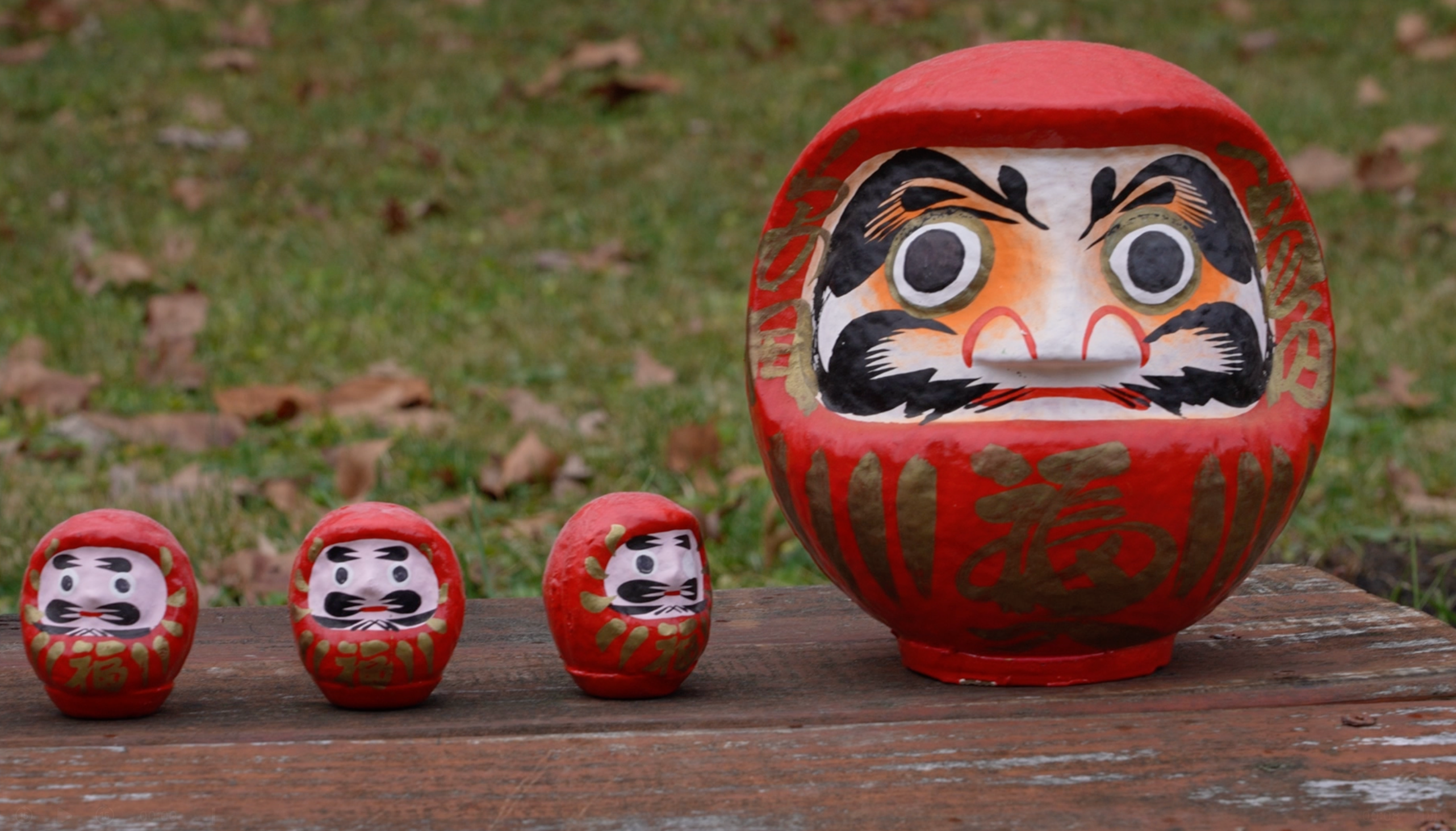
Hi, I'm Laura, and I'm a senior undergraduate student on financial aid studying film. During my final year, I want to make a 15- to 20-min short film about a topic that's very important to me.
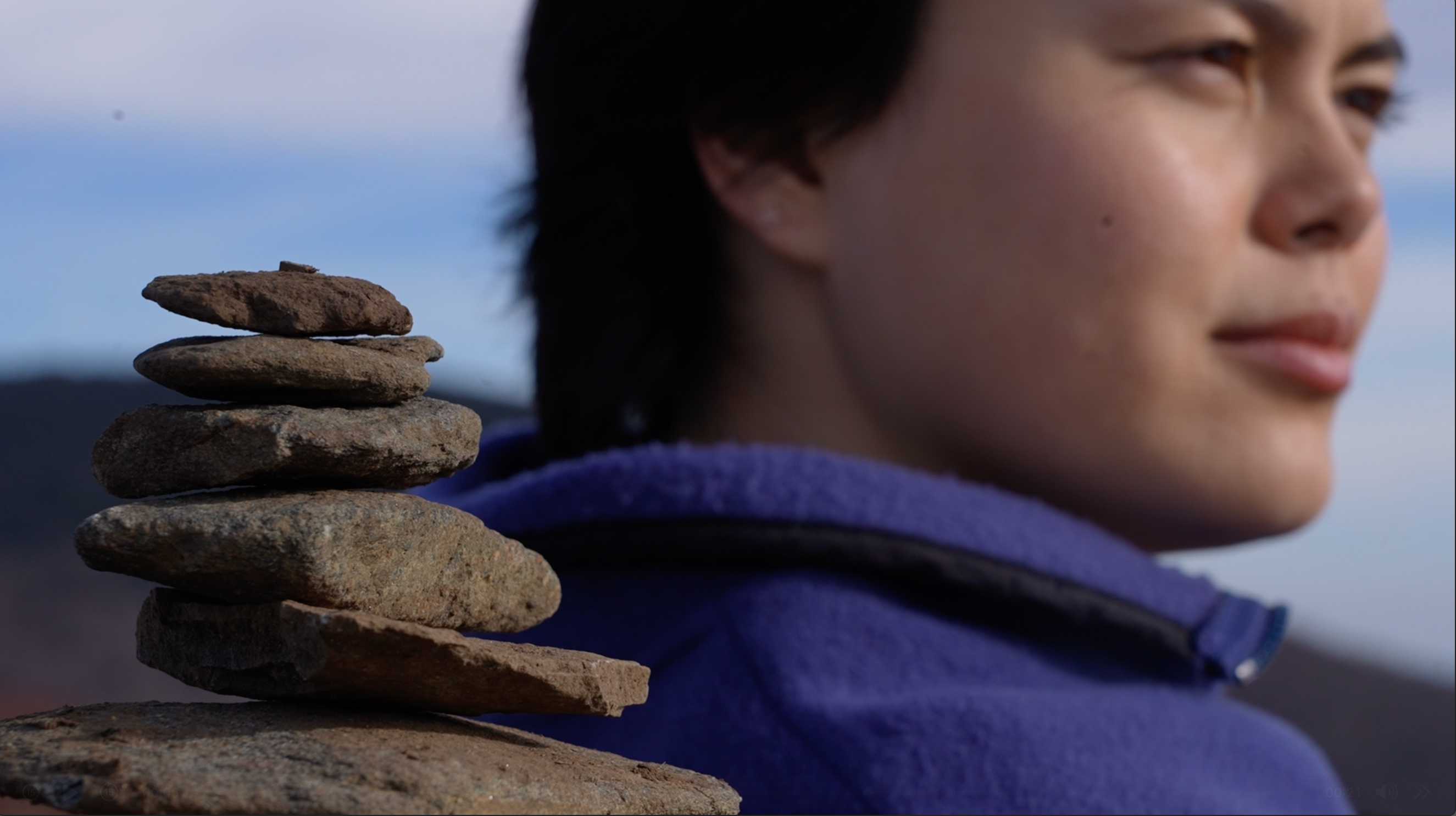
This film project will explore the surreal, dynamic, and kaleidoscopic experience of multiraciality through the story of my friend, Naomi, who is both Japanese and American, Asian and white. It will examine what it means to know two dichotomous cultures that are both intimately familiar yet ever-elusive. Naomi grew up in a small town in rural Tennessee as one of the only people of color in her community while also spending significant parts of her life in Japan, visiting family frequently and living there full-time as an adult for two years. The film will use a surrealist visual language (and some absurdist comedy) as well as documentary-like sequences to express the emotional dissonance of moving between these two contexts and to illustrate how Naomi feels “too Asian” in the United States and “too foreign” in Japan.
Throughout the film, we will use an extended metaphor of mixing paints. Naomi has often told me that, if we imagine her father as yellow and her mother as red, she is not half yellow and half red; instead, she is orange. Naomi views her biraciality as not a heterogenous mix of two things but instead a third thing that comes with its own unique experience. Orange cannot be entirely understood by merely understanding red and yellow.
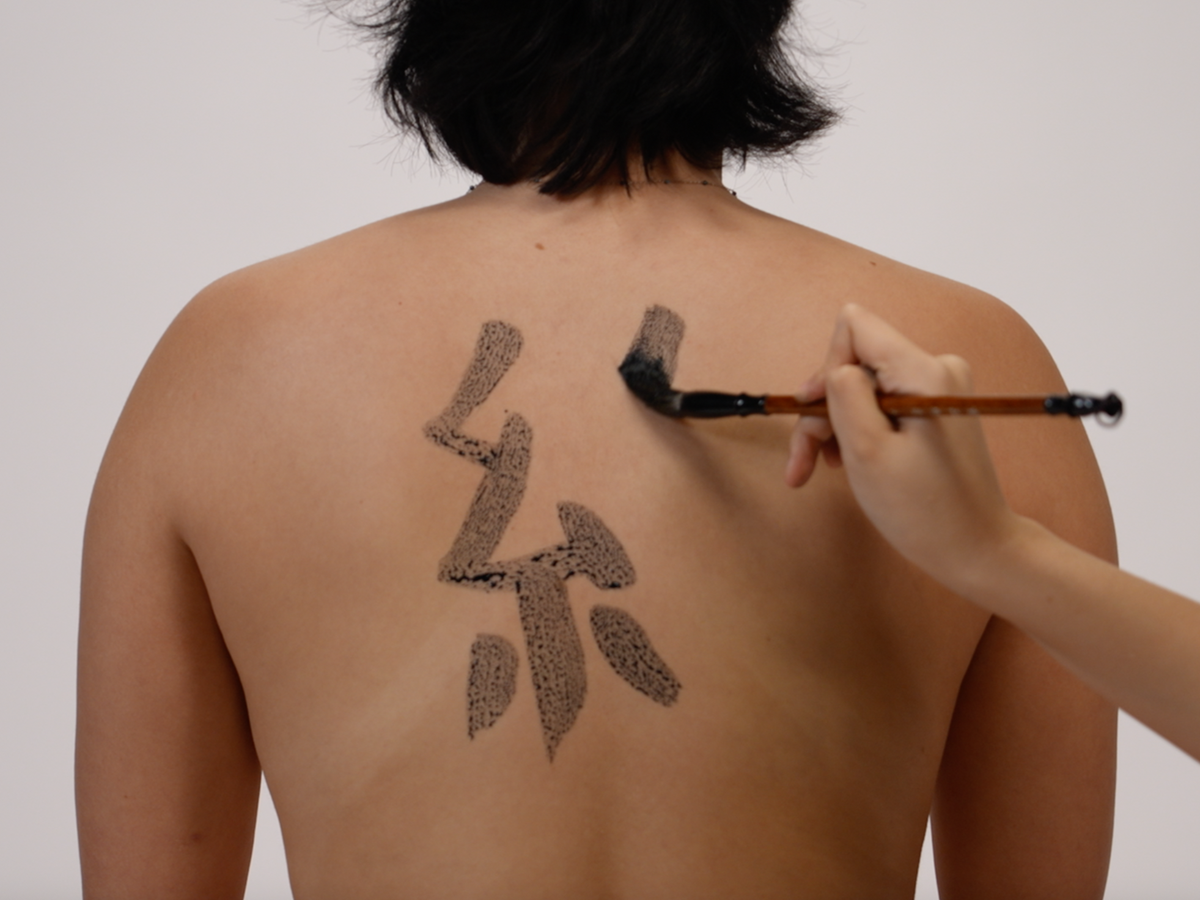
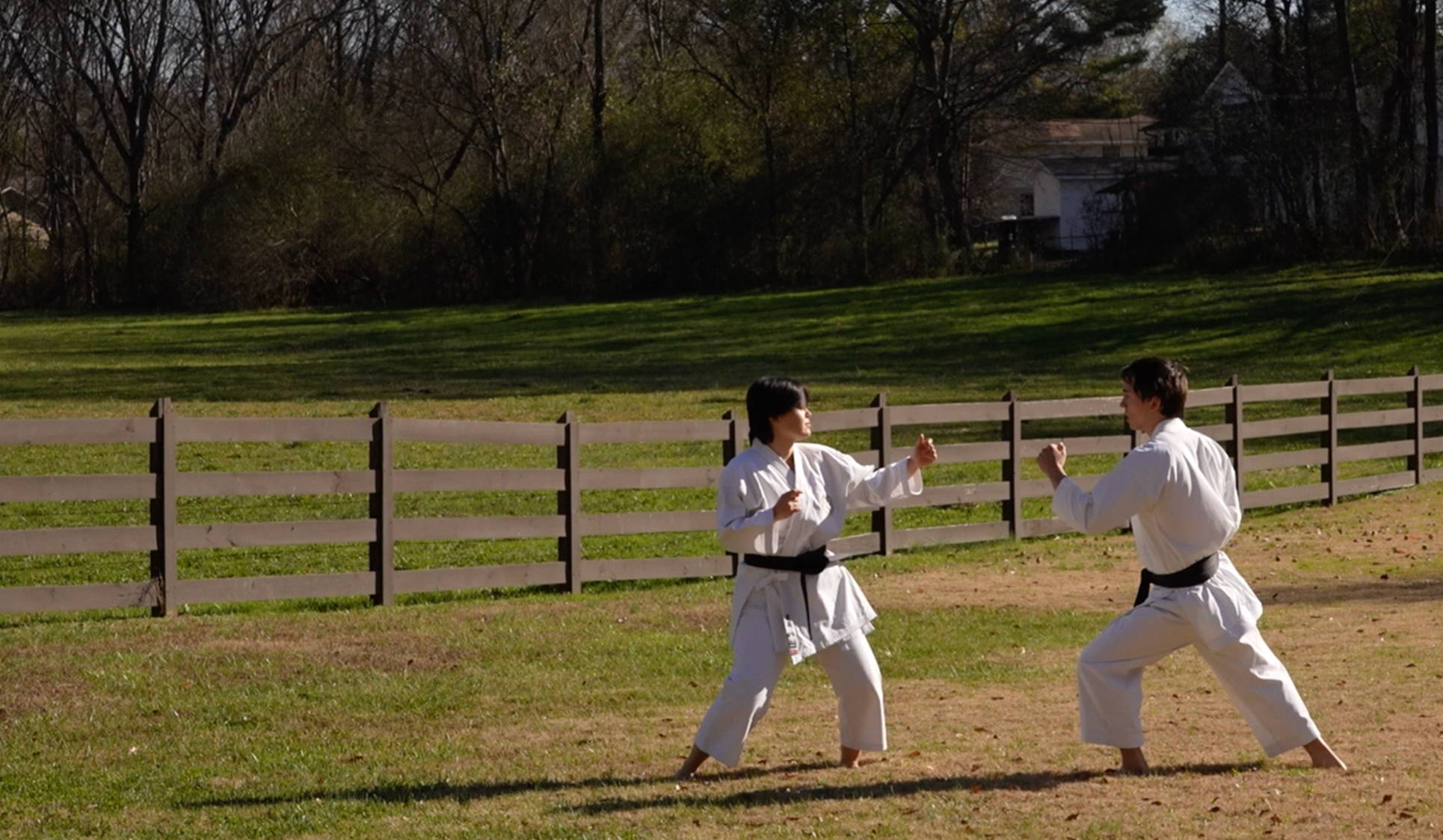
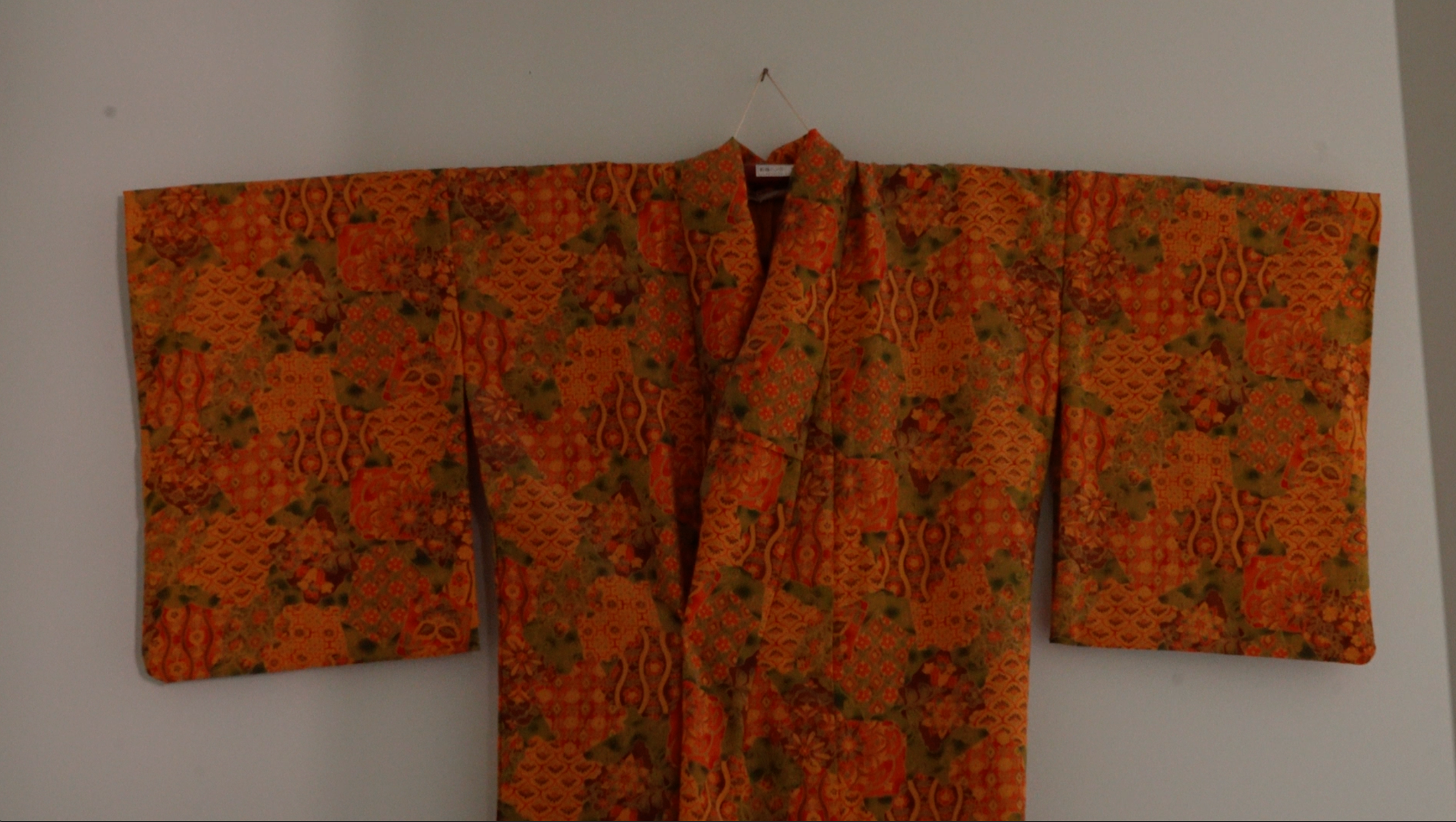
The film will be a hybrid of vérité (with some unstaged documentary-like sequences, like footage of a family dinner), staged tableaux (e.g. Naomi in a kimono in a crowded, predominantly white space), and symbolic visual sequences (e.g. Naomi behind fences or “DO NOT ENTER” signs). Domestic Tennessee environments will be reimagined through a Japanese lens to reflect how Naomi’s Japanese identity haunts her Southern upbringing (e.g. inauthentic, Asian fusion restaurants in Tennessee). We will explore both Japanese and American stereotypes to depict their frivolity (e.g. overly dramatic karate scenes contrasted with greasy hamburgers and milkshakes). We will need to take a short, targeted trip to Japan to gather visuals that ground the film’s visual language in authentic, lived reality.
The film is driven by voice, memory, and internal conflict rather than a linear narrative plot. Naomi’s voiceover narration (in both English and Japanese) will guide viewers through moments from her life: being the only person of color she knew as a child; navigating stereotyping (like her valedictorian title being attributed to her “Asian genetics”); and the unwelcome feeling of being visibly foreign in the ethnically homogenous, highly conformist society of Japan. Through image, sound, and performance, the film will lightheartedly map out these contradictions rather than resolve them, encouraging reflection from and implication of the audience (we are hoping to make people think about things they’ve never thought about).
Ultimately, this project is a cinematic exploration of belonging, identity, and the complicated emotional terrain of being raised between cultures that others insist on treating as mutually exclusive. By blending some intimate unstaged documentary with surrealist narrative techniques, the film will aim to reflect the interior complexity of the multiracial experience (something rarely afforded space in American media, much less acknowledged out loud) and to create a portrait of Naomi that is not merely explanatory but tangible and felt. The film, though tailored to Naomi, will aim to be deeply relatable to all other multiracial people and will provide a novel take on representation.
A note on my role as a white filmmaker: I want to make clear that I take seriously the ethical implications of
being a white filmmaker telling a story about a biracial Japanese-American woman. Naomi will not be my subject; she will be my co-architect.
We are crafting the film’s imagery, tone, and structure together, and she has complete
control over how she is represented. My job is to translate her emotional truth into
cinematic form without appropriating or flattening it.
Much of my academic and creative work examines how external images
shape our understanding of identity, how cinema positions its subjects, and how
representation can either flatten or reveal a person’s true self. I am acutely aware of the
ethical responsibilities inherent in documenting another person’s cultural experience.
This project has been and will continue to be built through co-authorship. Naomi will
participate directly in shaping how she is represented, from conceptual development to
visual design to the emotional framing of each scene. The film is not my interpretation
of her identity but instead a collaborative articulation of it.
Your generous donations will be used for film-related expenses (like transportation, food, Adobe subscription, props, film festival submission fees, etc.). Each of your names will be included in my credits. Thank you so, so very much!
Organizer