“A Forgotten Exile: The Chechen Deportation to Kazakhstan
0% complete
€3,350 raised of
70 donations
I am researching the issue of the total ethnic expulsion of Chechens in 1944-1957 from their historical homeland in the Caucasus to Kazakhstan and Kyrgyzstan. The reasons that led to a colossal mortality rate of up to 34% among the “special settlers” in the first years after the deportation; the reasons contributing to the preservation of the Chechen ethnic group in the conditions of general deportation; the specifics of the adaptation of Chechens in places of forced resettlement and total control by the repressive authorities of the country; the imposition of their own “rules” of conduct (ethical norms) on the authorities and why, instead of being weakened by years of deportation, the nation was able to become stronger and more organized against the oppressive system after returning to its historical homeland in 1957.
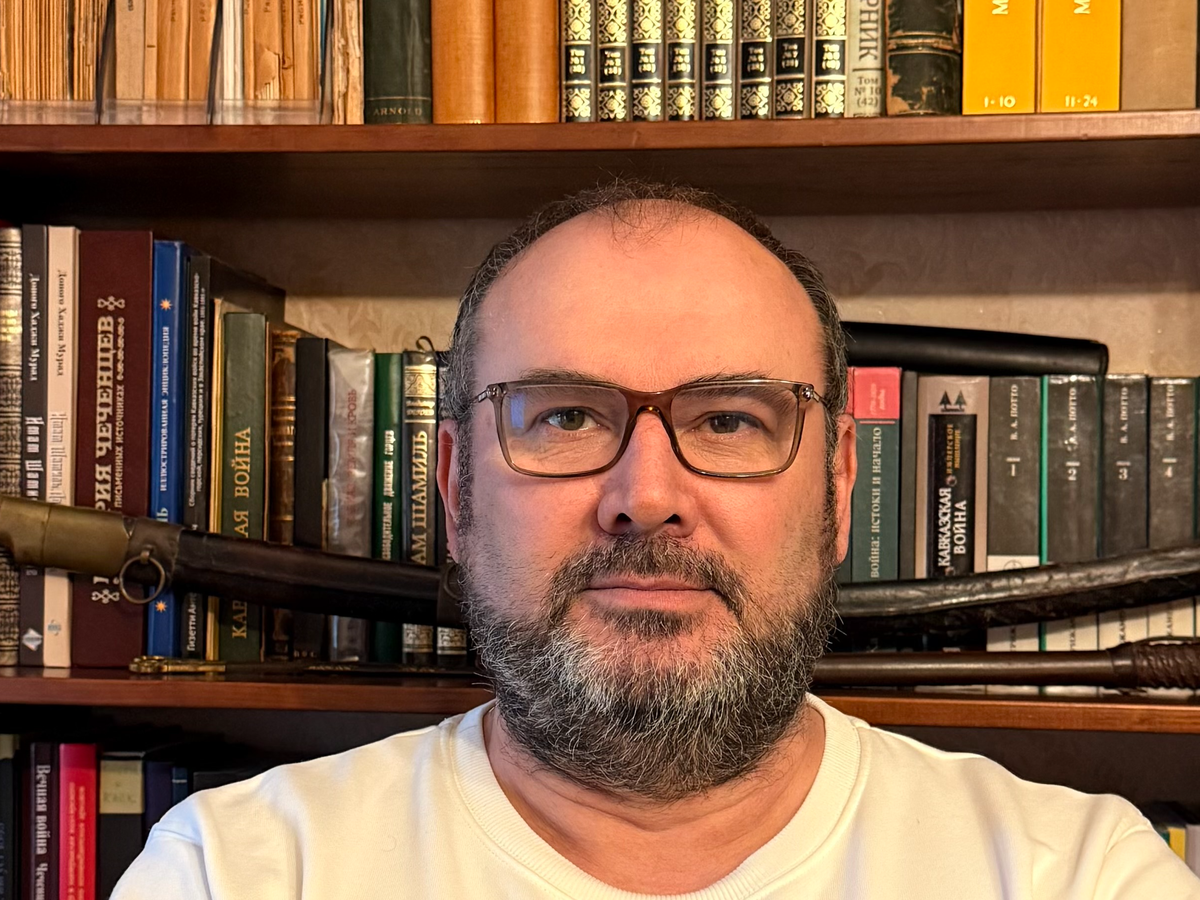
My name is Mairbek Vatchagaev. I am a historian, analyst, author of several monographs, and head of the North Caucasus history radio project “Chronicle of the Caucasus with Vatchagaev” on Radio Liberty, (RFE/RE), specializing in the North Caucasus region and, in particular, the history and politics of Chechnya. I am writing to present my research project on preserving public memory, entitled “The Forgotten Exile: The Deportation of Chechens to Kazakhstan (1944–1957)”.
In 1944, Chechen families were forcibly loaded onto trains and sent thousands of kilometers away from their historical homeland. Many arrived in remote areas of Kazakhstan with virtually nothing—no food, no clothing for the harsh winter in the northern steppes of Kazakhstan. They had to face hunger, cold, disease, constant surveillance by the secret services of Stalin's communist regime, and a daily struggle for survival. Their children grew up in exile. Many were never destined to return to their homeland.
The documents exist. There is evidence of crimes against the Chechens. But they are scattered throughout Kazakhstan — in central, regional, and district archives.
This study is an attempt to bring everything together, carefully and responsibly, before it is too late.
This project consists of systematic archival research in the central, regional, and district archives of Kazakhstan, the creation of a comprehensive documentary database, and the publication of a major historical book in English, French, and Russian. The work will shed light on the human, social, and administrative aspects of deportation—a crucial chapter in 20th-century history that has not yet been fully documented and presented to an international audience.
The total budget required to implement this project is approximately €30,000, with a minimum threshold of €25,000 required for archival work, analysis, writing, and publication (multiple trips from Paris to Kazakhstan (at least 8-9 times) to work in local archives (Astana, Almaty, Karaganda, Kostanay, Aktobe, Petropavlovsk, Kokshetau, Pavlodar, Turkestan, Kyzylorda, Jambyl, Shymkent, and these are only the regional centers; it is also necessary to visit district archives whenever possible, record interviews, and photograph Chechen cemeteries in the steppes of Kazakhstan, etc.).
The final version of the book will officially mention everyone who contributed to the realization of this project. Their contribution will be acknowledged in two ways:
• acknowledgments in the main volume;
• inclusion in a special documentary appendix — a collection of sources and archival metadata — with a special section listing all project participants.
Your support can have a significant and long-term impact on the understanding of history and academic memory in matters of the criminal total resettlement of ethnic groups to other regions of the country by totalitarian regimes.
I will be happy to share the full project dossier, budget breakdown, schedule, and any additional information you may need.
Thank you for your time and attention.
Sincerely,
Mairbek Vatchagaev
Historian and Project Manager
Je m'appelle Mairbek Vatchagaev, je suis historien, analyste, auteur de plusieurs monographies et directeur du projet radiophonique sur l'histoire du Caucase du Nord « Chronique du Caucase avec Vatchagaev » sur la Radio Liberte (RFE/RE) spécialisé dans la région du Caucase du Nord et en particulier dans l'histoire et la politique de la Tchétchénie. Je vous écris pour vous présenter mon projet de recherche sur la préservation de la mémoire collective intitulé « Une exil oublié : la déportation des Tchétchènes au Kazakhstan (1944-1957) » .
En 1944, des familles tchétchènes ont été embarquées de force dans des trains et envoyées à des milliers de kilomètres de leur patrie historique. Beaucoup sont arrivées dans des régions reculées du Kazakhstan sans pratiquement rien, ni nourriture, ni vêtements pour affronter l'hiver rigoureux des steppes du nord du Kazakhstan. Ils ont dû faire face à la faim, au froid, aux maladies, à la surveillance constante des services secrets du régime communiste stalinien et à une lutte quotidienne pour leur survie. Leurs enfants ont grandi en exil. Beaucoup n'ont jamais pu retourner dans leur patrie.
Les documents existent. Il existe des preuves des crimes commis contre les Tchétchènes. Mais ils sont dispersés dans tout le Kazakhstan, dans les archives centrales, régionales et locales.
Cette étude est une tentative de rassembler toutes ces informations, de manière minutieuse et responsable, avant qu'il ne soit trop tard.
Ce projet consiste en des recherches archivistiques systématiques dans les archives centrales, régionales et locales du Kazakhstan, la création d'une base documentaire complète et la publication d'un ouvrage historique majeur en anglais, français et russe. Ce travail mettra en lumière les aspects humains, sociaux et administratifs de la déportation, un chapitre essentiel de l'histoire du XXe siècle qui n'a pas encore été entièrement documenté et présenté à un public international.
Le budget total nécessaire à la réalisation de ce projet s'élève à environ 30 000 euros, le seuil minimum requis pour les travaux d'archivage, d'analyse, de rédaction et de publication étant de 25 000 euros (plusieurs voyages entre Paris et le Kazakhstan (au moins 8 à 9) pour travailler dans les archives locales (Astana, Almaty, Karaganda, Kostanay, Aktobe, Petropavlovsk, Kokshetaou, Pavlodar, Turkestan, Kyzylorda, Dzhambul, Shymkent, et ce ne sont que les centres régionaux, il faut également se rendre dans les archives départementales lorsque cela est possible, enregistrer des interviews et immortaliser les cimetières tchétchènes dans les steppes du Kazakhstan, etc.).
Dans la version finale du livre, toutes les personnes qui ont contribué à la réalisation de ce projet seront officiellement mentionnées. Leur contribution sera soulignée de deux manières :
• remerciements dans le volume principal ;
• inclusion dans une annexe documentaire spéciale — recueil de sources et de métadonnées d'archives — avec une section spéciale dans laquelle tous les participants au projet seront répertoriés.
Votre soutien peut avoir un impact significatif et durable sur la compréhension de l'histoire et la mémoire académique en ce qui concerne la réinstallation forcée et totale d'ethnies dans d'autres régions du pays par des régimes totalitaires.
Je me ferai un plaisir de vous communiquer le dossier complet du projet, la ventilation du budget, le calendrier et toute information supplémentaire dont vous pourriez avoir besoin.
Je vous remercie pour votre temps et votre attention.
Cordialement,
Mairbek Vatchagaev
Historien et chef de projet
اسمي مايربيك فاشاغاييف، أنا مؤرخ ومحلل ومؤلف لعدد من الدراسات المتخصصة ومدير مشروع إذاعي عن تاريخ شمال القوقاز بعنوان ”تاريخ القوقاز مع فاشاغاييف“ على إذاعة راديو سفوبودا (RFE/RE) المتخصص في منطقة شمال القوقاز، ولا سيما تاريخ وشؤون الشيشان السياسية. أكتب إليكم لأقدم مشروع بحثي حول الحفاظ على الذاكرة الجماعية بعنوان ”المنفى المنسي: ترحيل الشيشان إلى كازاخستان (1944-1957)“.
في عام 1944، تم إجبار العائلات الشيشانية على ركوب القطارات ونقلها إلى أماكن تبعد آلاف الكيلومترات عن وطنها التاريخي. وصل الكثيرون إلى مناطق نائية في كازاخستان دون أن يمتلكوا أي شيء تقريبًا - لا طعام ولا ملابس لمواجهة الشتاء القاسي في سهول كازاخستان الشمالية. واجهوا الجوع والبرد والأمراض والمراقبة المستمرة من قبل أجهزة الأمن التابعة لنظام ستالين الشيوعي والصراع اليومي من أجل البقاء. نشأ أطفالهم في المنفى. لم يتمكن الكثيرون منهم من العودة إلى وطنهم.
الوثائق موجودة. هناك أدلة على الجرائم المرتكبة ضد الشيشان. لكنها مبعثرة في جميع أنحاء كازاخستان — في الأرشيفات المركزية والإقليمية والمحلية.
هذا البحث هو محاولة لجمع كل شيء معًا، بدقة ومسؤولية، قبل أن يفوت الأوان.
يتكون هذا المشروع من أبحاث أرشيفية منهجية في الأرشيفات المركزية والإقليمية والمحلية في كازاخستان، وإنشاء قاعدة وثائقية شاملة، ونشر كتاب تاريخي كبير باللغات الإنجليزية والفرنسية والروسية. ستلقي هذه الدراسة الضوء على الجوانب الإنسانية والاجتماعية والإدارية للترحيل — وهو فصل مهم في تاريخ القرن العشرين لم يتم توثيقه بالكامل وعرضه على الجمهور الدولي حتى الآن.
يبلغ الميزانية الإجمالية اللازمة لتنفيذ هذا المشروع حوالي 30,000 يورو، مع حد أدنى مطلوب لإجراء الأعمال الأرشيفية والتحليل والكتابة والنشر يبلغ 25,000 يورو (رحلات متعددة من باريس إلى كازاخستان (8-9 مرات على الأقل) للعمل في الأرشيفات المحلية (أستانا، ألماتي، كاراغاندا، كوستاناي، أكتوبي، بتروباروفسك، كوكشيتاو، بافلودار، تركستان، كيزيلوردا، جامبول، شيمكنت، وهذه فقط المراكز الإقليمية، ومن الضروري السفر إلى الأرشيفات المحلية عند الإمكان، وتسجيل المقابلات وتصوير المقابر الشيشانية في سهول كازاخستان وغيرها الكثير).
في النسخة النهائية من الكتاب، سيتم ذكر جميع الذين ساهموا في تنفيذ هذا المشروع. سيتم تقدير مساهماتهم بطريقتين:
• شكر في المجلد الرئيسي؛
• إدراجهم في ملحق وثائقي خاص — مجموعة من المصادر والمتا-بيانات الأرشيفية — مع قسم خاص يضم قائمة بجميع المشاركين في المشروع.
يمكن أن يكون لدعمكم تأثير كبير وطويل الأمد على فهم التاريخ والذاكرة الأكاديمية فيما يتعلق بقضايا التهجير الجماعي الإجرامي للأعراق إلى مناطق أخرى من البلاد من قبل الأنظمة الشمولية.
يسعدني أن أشارككم الملف الكامل للمشروع، وتفاصيل الميزانية، والجدول الزمني، وأي معلومات إضافية قد تحتاجونها.
أشكركم على وقتكم واهتمامكم.
مع خالص التقدير
مايربيك فاتشاغاييف
مؤرخ ومدير المشروع
Меня зовут Майрбек Вачагаев, я историк, аналитик, автор ряда монографий и руководитель радио-проекта по иcтории Северного Кавказа "Хроника Кавказа с Вачагаевым" на Радио Свобода, (RFE/RE) специализирующийся на регионе Северного Кавказа и в частности истории и политики Чечни. Я пишу, чтобы представить свой исследовательский проект по сохранению общественной памяти под названием «Забытая ссылка: депортация чеченцев в Казахстан (1944–1957)» .
В 1944 году чеченские семьи были насильно погружены в поезда и отправлены за тысячи километров от своей исторической родины. Многие прибыли в отдаленные районы Казахстана, не имея практически ничего - ни питания, ни одежды для суровой зимы в северной степях Казахстана. Им пришлось столкнуться с голодом, холодом, болезнями, постоянным надзором со стороны спецслужб коммунистического сталинского режима и ежедневной борьбой за выживание. Их дети выросли в изгнании. Многим было суждено не вернуться на свою родину.
Документы существуют. Существуют доказательства преступления против чеченцев. Но они разбросаны по всему Казахстану — в центральных, региональных и районных архивах.
Данное исследование — попытка собрать все воедино, тщательно и ответственно, пока не стало слишком поздно.
Этот проект состоит из систематических архивных исследований в центральных, региональных и районных архивах Казахстана, создания всеобъемлющей документальной базы и публикации крупной исторической книги на английском, французском и русском языках. Работа прольет свет на человеческие, социальные и административные аспекты депортации — важнейшей главы в истории ХХ века, которая до сих пор не была полностью задокументирована и представлена международной аудитории.
Общий бюджет, необходимый для реализации этого проекта, составляет примерно 30 000 евро, при этом минимальный необходимый порог для проведения архивных работ, анализа, написания и публикации составляет 25 000 евро (многократные поездки из Парижа в Казахстан (минимум 8-9 раз) для работы в местных архивах (Астана, Алмата, Караганда, Костанай, Актобе, Петропавловск, Кокшетау, Павлодар, Туркестан, Кызылорду, Джамбул, Шемкент и это только областные центры, необходимо ездить и в районные архивы при возможности, записывать интервью и запечатлеть чеченские кладбища в степях Казахстана и мн. др.).
В окончательной версии книги будут официально упомянуты все кто способствовал претворению в жизнь этого проекта. Их вклад будет отмечен двумя способами:
• благодарность в основном томе;
• включение в специальное документальное приложение — сборник источников и архивных метаданных — со специальным разделом, в котором будут перечислены все участники проекта.
Ваша поддержка может оказать существенное и долгосрочное влияние на понимание истории и академическую память в вопросах преступного тотального переселения этносов в другие регионы страны тотолитарными режимами.
Я с удовольствием поделюсь полным досье проекта, разбивкой бюджета, графиком и любой дополнительной информацией, которая может вам понадобиться.
Благодарю вас за уделенное время и внимание.
С уважением,
Майрбек Ватчагаев
Историк и руководитель проекта
[[email redacted]]
Organizer