- M
- C
- K
Project: When No One was Looking - a short documentary about wildlife conservation during the coronavirus pandemic
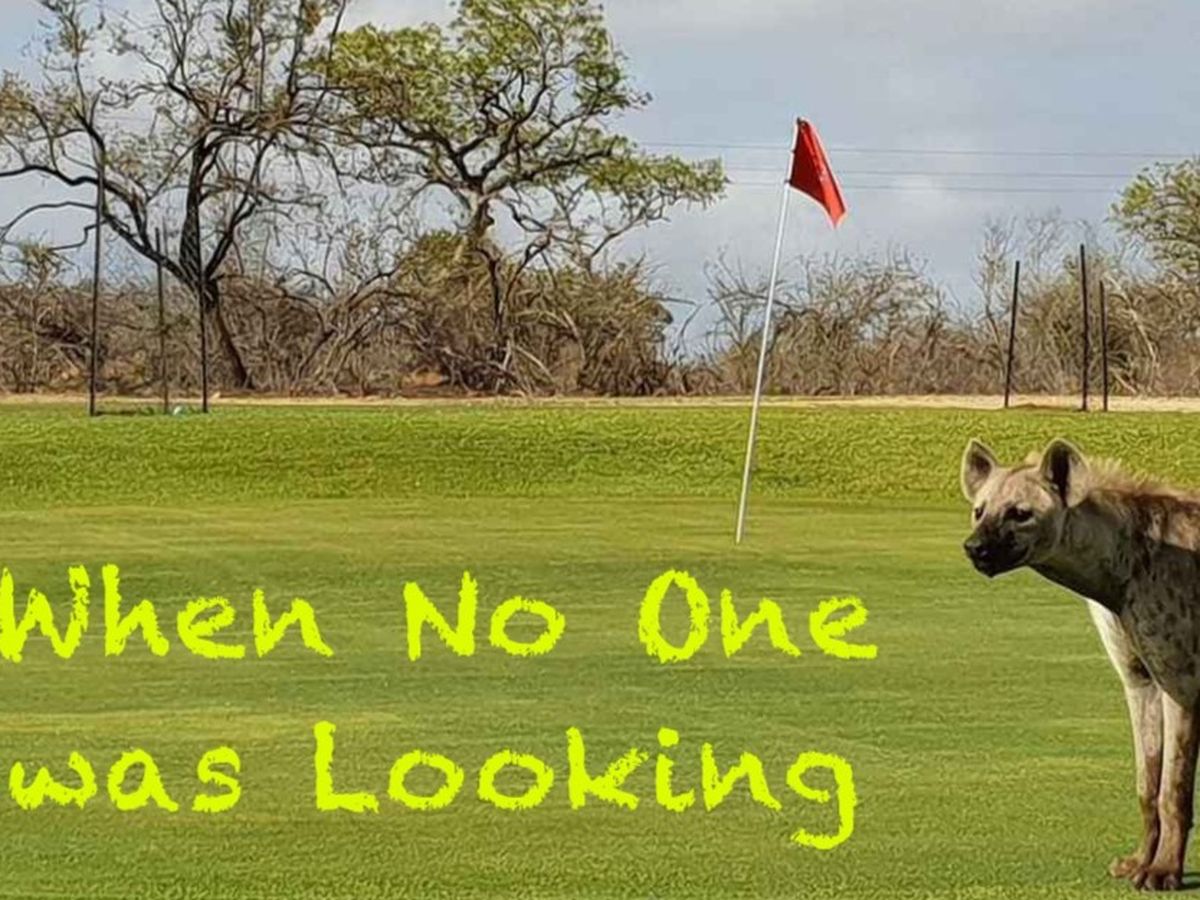
On March 25, 2020, Kruger National Park in South Africa closed its doors to the public to hinder the spread of SARS-CoV-2. But as humanity locked down, we gave space back to nature. Soon came reports of lion prides napping on abandoned roads, and African wild dogs patrolling golf courses. But while animals might have experienced newfound freedom in the absence of visitors and vehicles, people whose livelihood depends on these animals saw their income disappear almost overnight. In some places, poaching increased. Economies and conservation projects fueled by tourist money suffered greatly, and in some cases, collapsed entirely.
Hi! My name is Adam Lazarus. I've launched this GoFundMe to help produce When No One was Looking, a short documentary that asks how the animals and people connected to Kruger National Park were affected by the global lockdown. With the help of Elizabeth McCliment, a fellow scientist who speaks Swahili and regularly visits Kruger, we'll seek out the tour guides, women of the Black Mamba anti-poaching unit & other people intimately tied to the animals of the park. Through their stories and firsthand accounts, we'll learn how life changed when the eyes of thousands of tourists turned elsewhere.
I am a middle school science teacher in Los Angeles, California. My classroom has a small but diverse zoo, beloved by almost all students. Our animals are the basis for many lessons about science and life. But the coronavirus pandemic hampered this key element of my teaching practice. An entire grade of students looking to spend a year in the zoo got a yearful of Zoom instead.
I also produce science media. I have created or collaborated on hundreds of science videos, many of which are regularly watched by my students and the general public. I starred in my own show, called Bug Bites, on PBS and KCET, and was named a Discovery Channel Science Super Hero.
When No One was Looking is a way to put my production skills toward creating a different pandemic narrative for my animal-loving students than the ones they've heard ad nauseam about the onslaught of COVID this past year. We have some idea of what happened to domestic animals, such as the surge in demand for pets. But how did Earth's wildlife fare? What happened to the conservation efforts to protect Earth's sacred places? When sightseers disappeared, how did local life expand to fill the void?
Through the stories of those on the ground, let's add an additional narrative, full of animals and yet deeply human, to the time of the coronavirus. Please consider supporting this project, if you too want to know what happened When No One was Looking.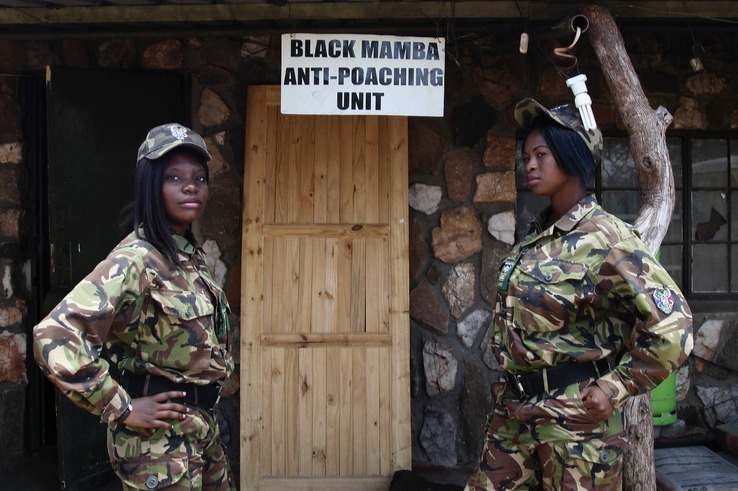
Breakdown of costs ($5600 requested)
• $1500 for travel, including vehicle rental for self-guided exploration of Kruger National Park and surrounding towns
• $2000 for accommodations. There is a diversity of places to stay at Kruger, though most people stay at facilities called 'rest camps' distributed throughout the park. Some camps feature comparatively well appointed bungalows or smaller huts, with porches & windows. Others have safari tents, and are reminiscent of campgrounds in the US. While some accommodations have many amenities, I was surprised to learn that the most rustic -such as the wildlife observation hides- are often the hardest to reserve, highly sought for their closeness to nature. All camps have a curfew, and fences or other structures to protect people from nocturnal predators.
• $500 for Wild Card and other park fees, allowing entrance into Kruger and other nearby parks, as well as use of the roads and amenities.
• $1000 for conservation fees & donations. Many of the projects and organizations established to benefit the park, rely on the generosity of others. This amount would allow me to make substantial contributions to a number of anti-poaching units and other conservation efforts on the ground.
• $600 for media backup & recording equipment. I shoot with my mobile device, and already have a large video kit. But internet will be hard to come by. I'd like a sturdy external drive to serve as backup for precious files. I'd also like a microphone for clearer audio.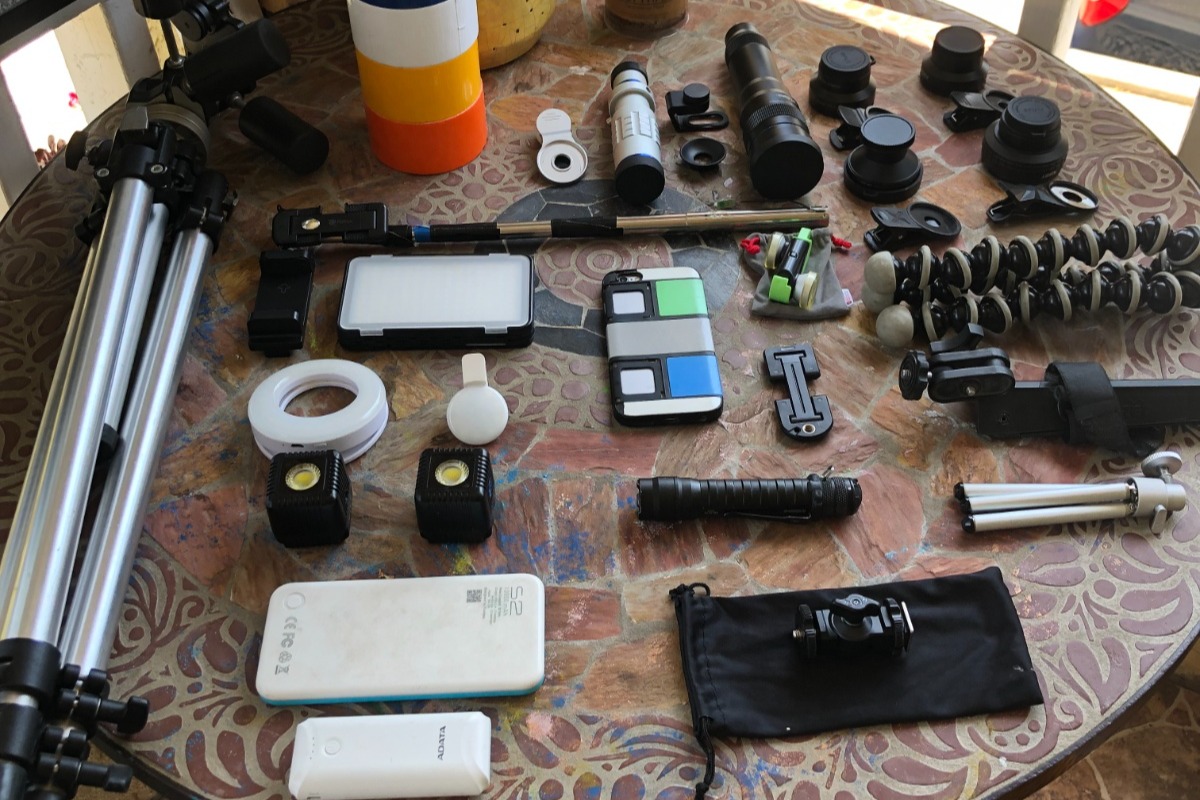
The inspiration behind When No One was Looking
The highlight of my classroom is a small but exotic zoo, beloved by almost every student. Our animal classmates have much to teach, from energy transfer to genetics to what makes a social group prosper. But perhaps the greatest lessons are 'big picture' concepts- an animal exists not in isolation, but in relation to the world it calls home. What are its light, temperature, spatial and social requirements? With which other organisms does it live? How can we recreate the world in which that animal will thrive?
Students form strong bonds with critters in the lab, and keenly felt their distance when, in the face of the coronavirus pandemic, we switched to online learning. As a teacher in a dense, urban setting, it's my obligation to bring nature to the classroom. Because my video library and the web are such essential tools for doing this, we had plenty of animal-inspired lessons this year. Still, the in-person experience was sorely missed. Plus Strike, our ball python named after the global climate strike, and not the fact that snakes strike, didn't make it. Death is another lesson we learn from the zoo, and many students have their first exposure to it in my class surrounded by peers. This year, all they had was grainy video.
Many of us developed myopia this year, as our individual worlds shrank to the size of a few rooms. I fear this may have been especially acute in middle school students. I tell my students they are in the 'chrysalis' stage of their growth, and the skills they develop now will have great impact on the butterfly they become. 11-13 is an age range when, even in the best of circumstances, it's easy to let shyness and fear of embarrassment compel a person to keep to themselves. The anonymity of distance learning made it easier than ever to disappear into the background, and some students became ghosts- neither heard from nor seen without energetic coercion. In the interest of bringing students back out of their heads, When No One was Looking reminds us of those 'big picture' concepts we get from the classroom zoo, as we look first at the human and animal communities around Kruger National Park, and then in their relation to the world at large.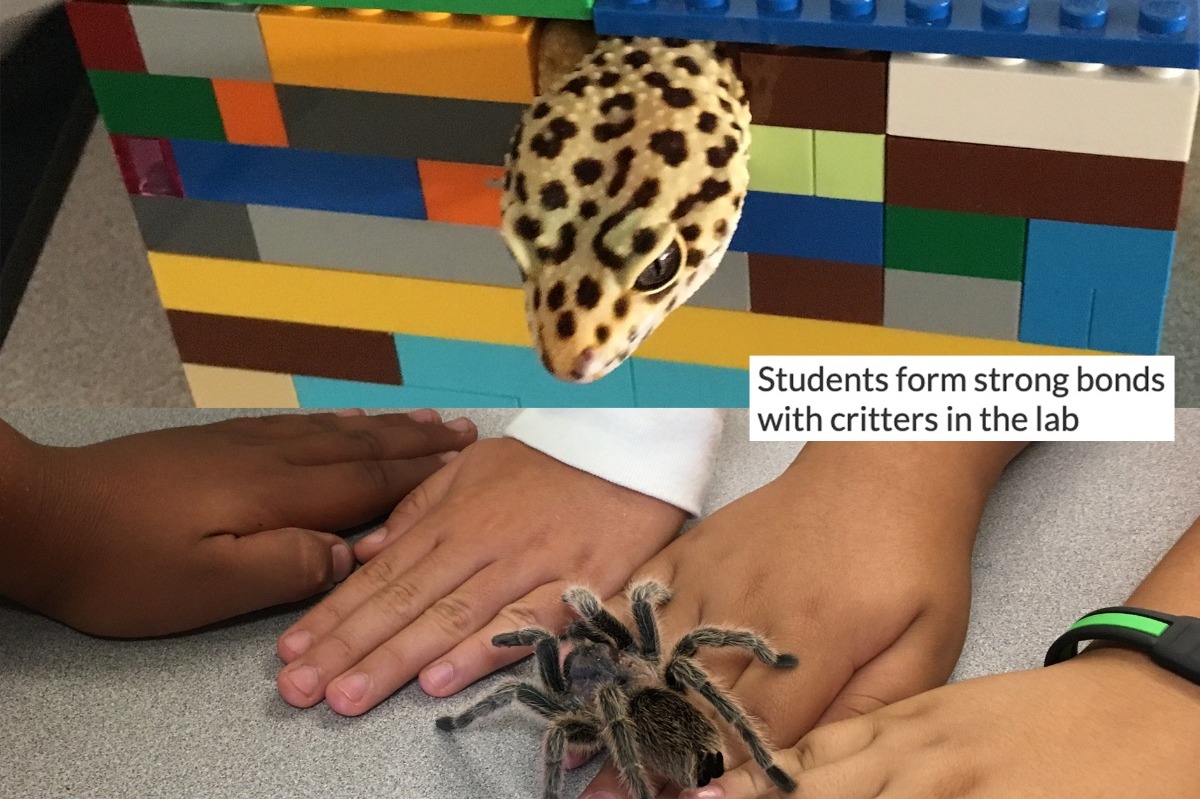
In Closing
If you've made it this far, then that says a lot of what you think about me. Thank you. It's an odious endeavor, campaigning for money, and I don't know what's worse- asking people with whom I barely speak, or asking those who speak with me enough to take for granted that I wouldn't be hitting them up for money. So I just want to make it clear to you, whoever you are, gentle reader, that my affection for you has nothing to do whatsoever with whether you choose support me by making a donation. Frankly, even clicking on a GoFundMe link is a bit of a chore, and I'm grateful you did. Still, I feel that When No One was Looking is a worthy project. I'll make sure to acknowledge you, and do my best to make you proud. Thanks for the read :)
Sample Work
Animal Life
• Paper wasp eats caterpillar: https://www.instagram.com/p/ByoIEkDnLL9/
• Backswimmer catches grasshopper: https://www.instagram.com/p/BceOX8ZhwjU/
• Water spider absconds: https://www.instagram.com/p/BlVr4QgFItN/
• Paper wasps competing: https://www.instagram.com/p/CMkKGVknsEE/
• Leaf insect startled by me: https://www.instagram.com/p/BrbXtXvDDlZ/
• Paper wasp startled by own reflection: https://www.instagram.com/p/BygFUOlHfS5/
• Paper wasp trips & falls: https://www.instagram.com/p/Byg_r0YH5CQ/
• Slow motion macro firefly: https://www.instagram.com/p/BlUZvFHnupo/
• Hi-speed macro firefly: https://www.instagram.com/p/BlRl0vRBdpT/
• Squirrel takes almond from hand: https://www.instagram.com/p/ByTwidLHnbl/
• Damselfly helicopter: https://www.instagram.com/p/B2uCbThHcw5/
• Ant gets backup: https://www.instagram.com/p/BV6Zyr9h-W4/
• Damselfly startled by fly: https://www.instagram.com/p/BceOX8ZhwjU/
• Haunted classroom: https://www.instagram.com/p/BjXIRG3hPsp/
• Something ain't right in Eden: https://www.instagram.com/p/Bqa9GnSh5HI/
Animations & Collaborations
• Great Bugs in History: https://www.instagram.com/p/CD9mmIlnLg7/
• King of the Anthill: https://www.instagram.com/p/CDziGlwHGuB/
• You Are Who You Eat: https://vimeo.com/144054525 (PW: Ilovethisshow)
• Louse in the House: https://vimeo.com/143811134 (PW: Ilovethisshow)
• Bug Bites YouTube channel https://www.youtube.com/channel/UC7h9Vi4rsREJvtUBjkIBW6A
External Links
• The Buzz hands on adventure science show, with news updates from the microcosm (Remote) https://www.thebuzzscience.com/
• Make Magazine Maker Camp: The Buzz Science Camp (Remote; click 'view details') https://www.eventbrite.com/e/maker-camp-the-buzz-science-camp-9-years-old-tickets-107601005504?aff=erelpanelorg#
• Renaisscience advanced science for college-minded middle schoolers https://www.renaisscience.org/