When Mason was born (April 2024), we didn’t know he had congenital CMV.
We just knew he failed three newborn hearing screenings. We waited two long months for answers. At three months old, we finally received the diagnosis: Congenital Cytomegalovirus (CMV) — a virus that affected his hearing and his developing brain.
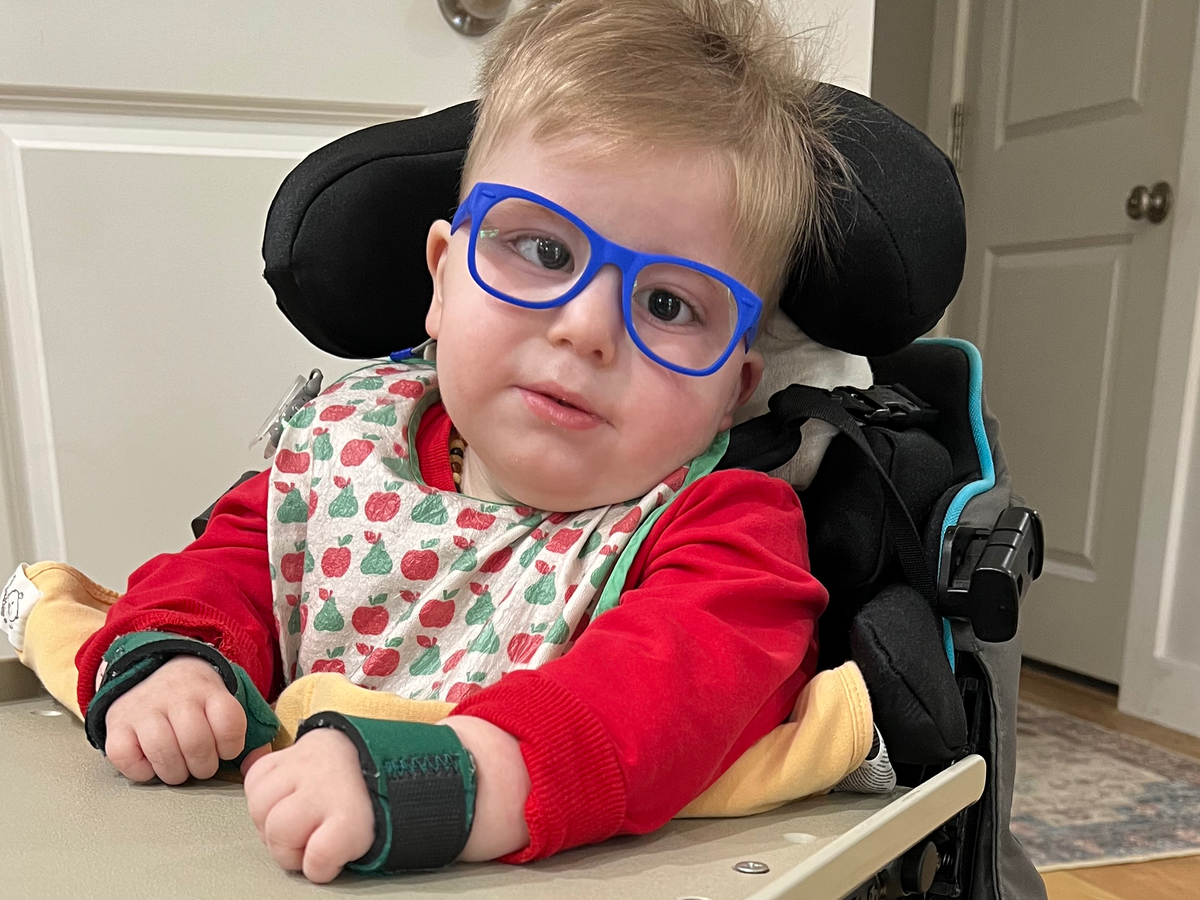
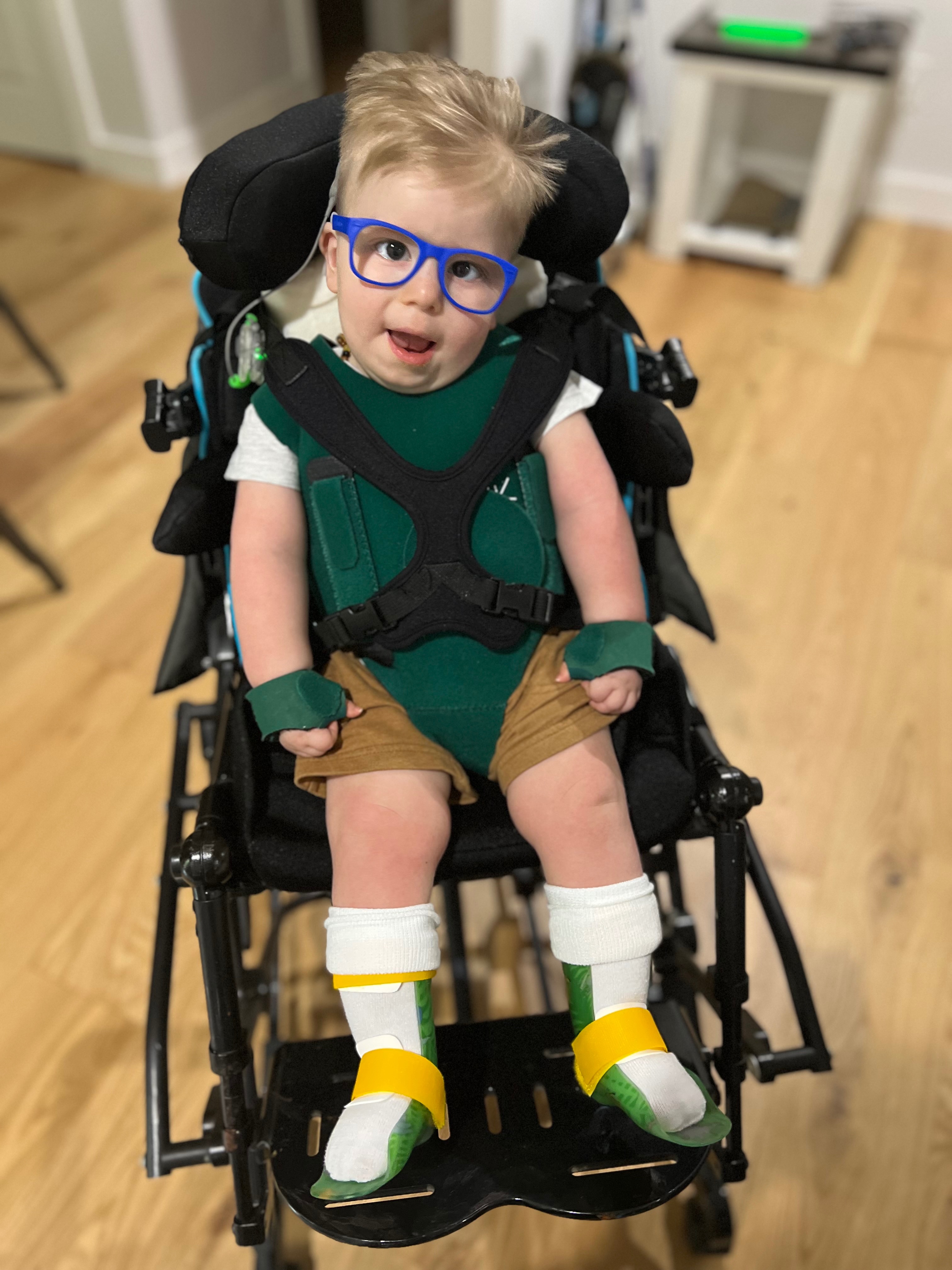
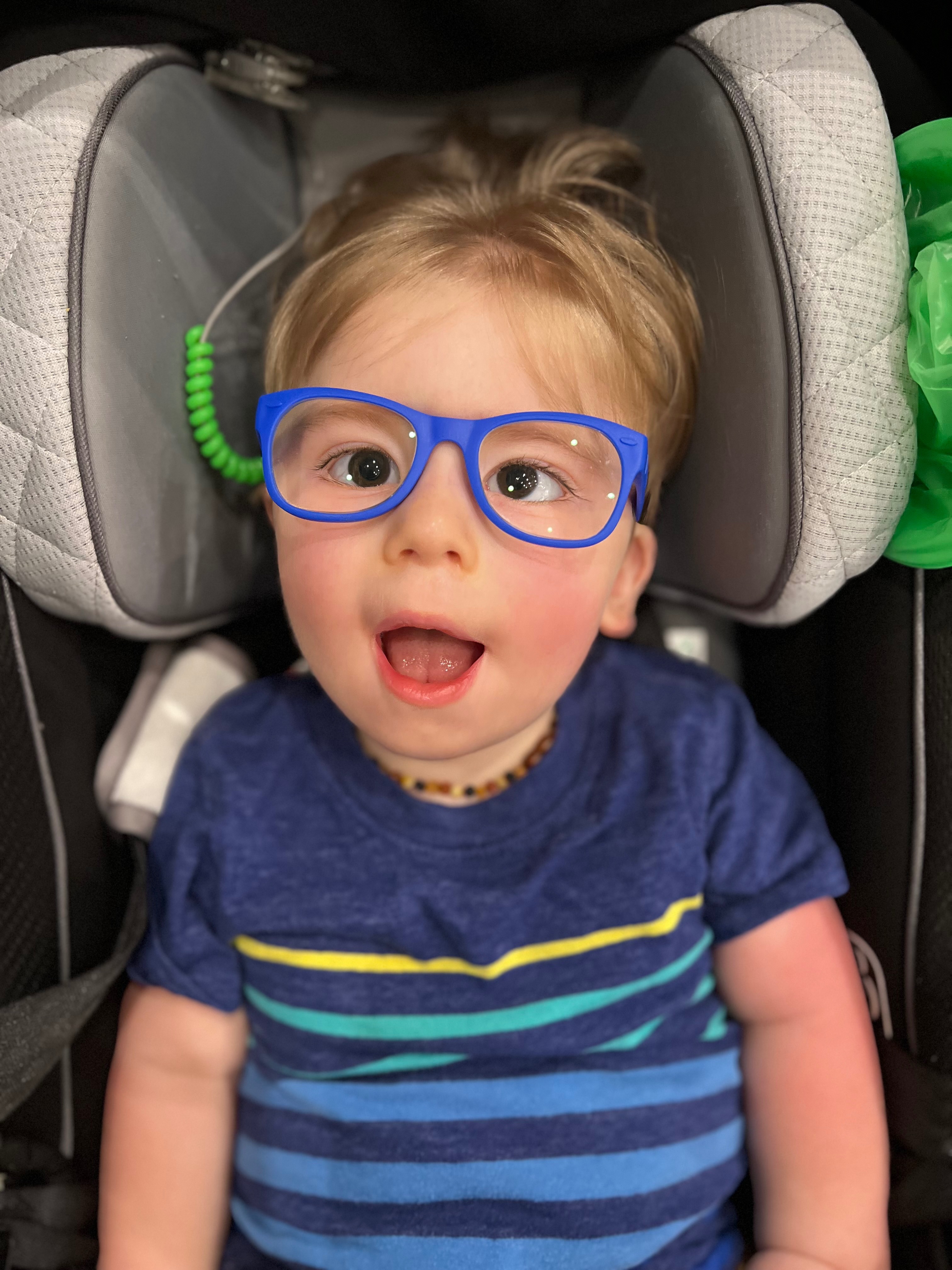
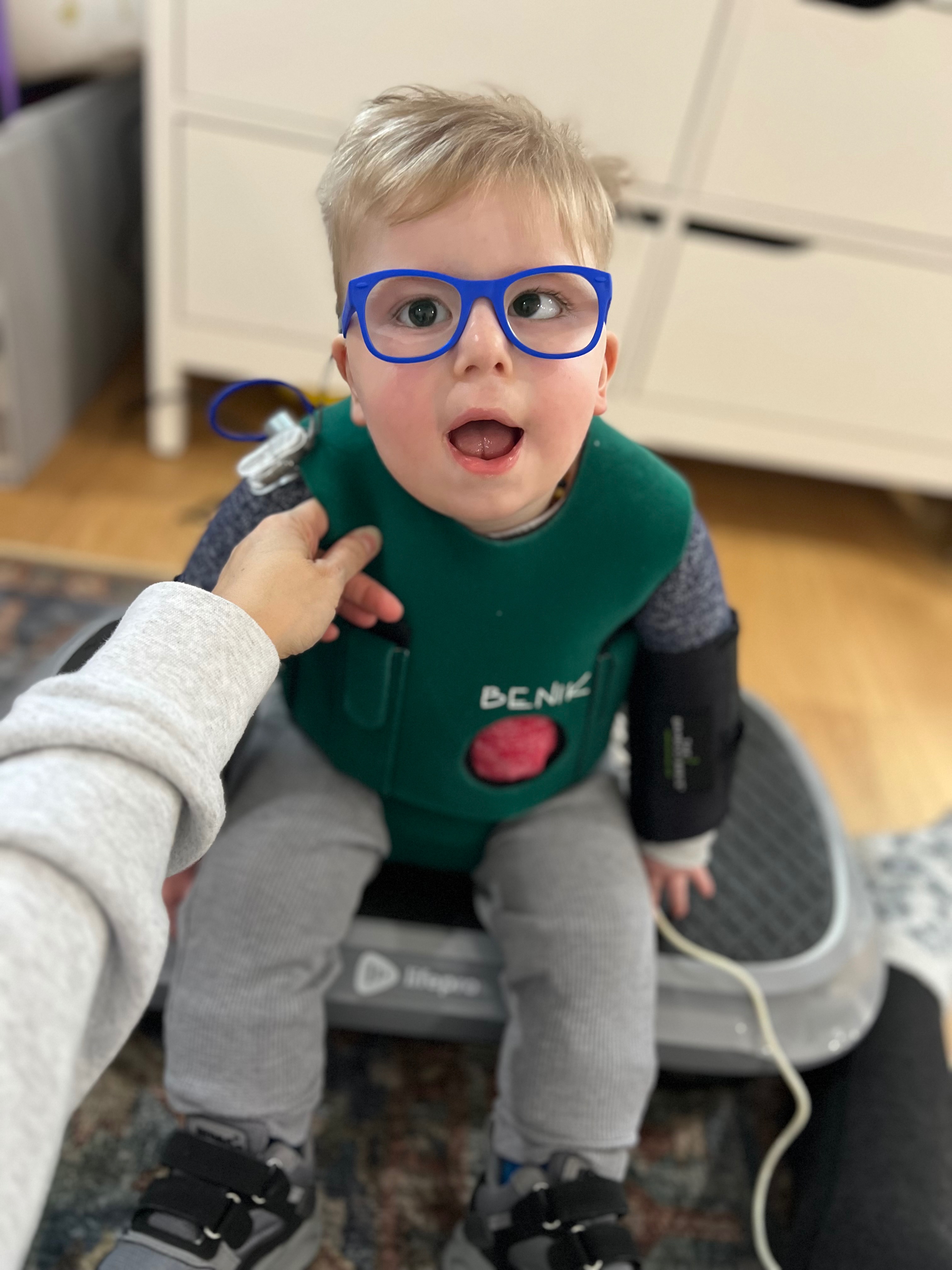
Today, at 22 months old, Mason lives with hypotonic Cerebral Palsy, seizures, global developmental delays, and is GJ-tube dependent. He has a right cochlear implant and wears glasses. He works harder before breakfast than most of us do all day.
Our weeks are filled with therapies — PT, OT, feeding therapy and doctors appointments — our home is full of exercises, equipment, and relentless hope. Despite countless hours of work, Mason has not yet gained full head and trunk control. Every milestone is fought for.
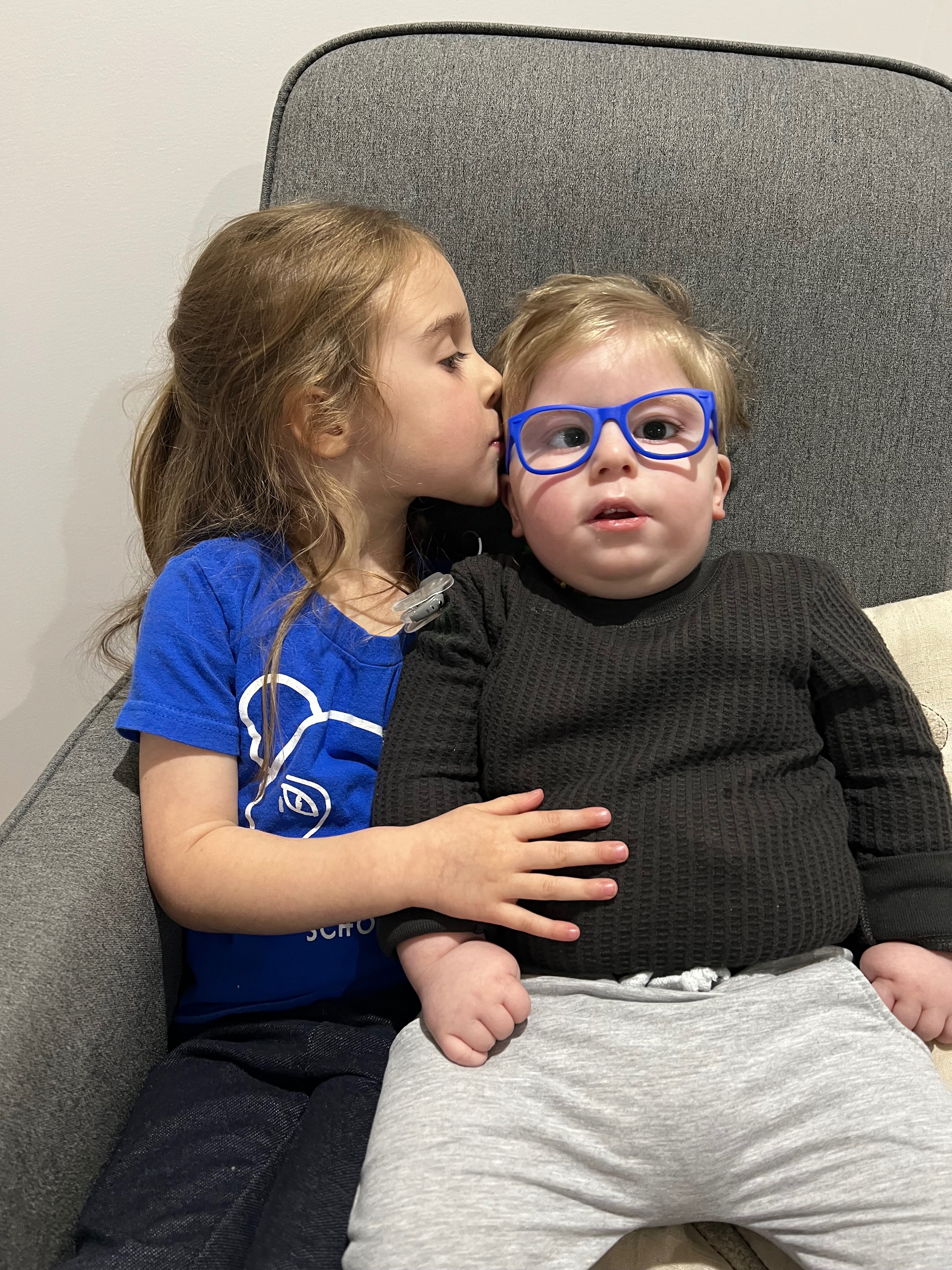
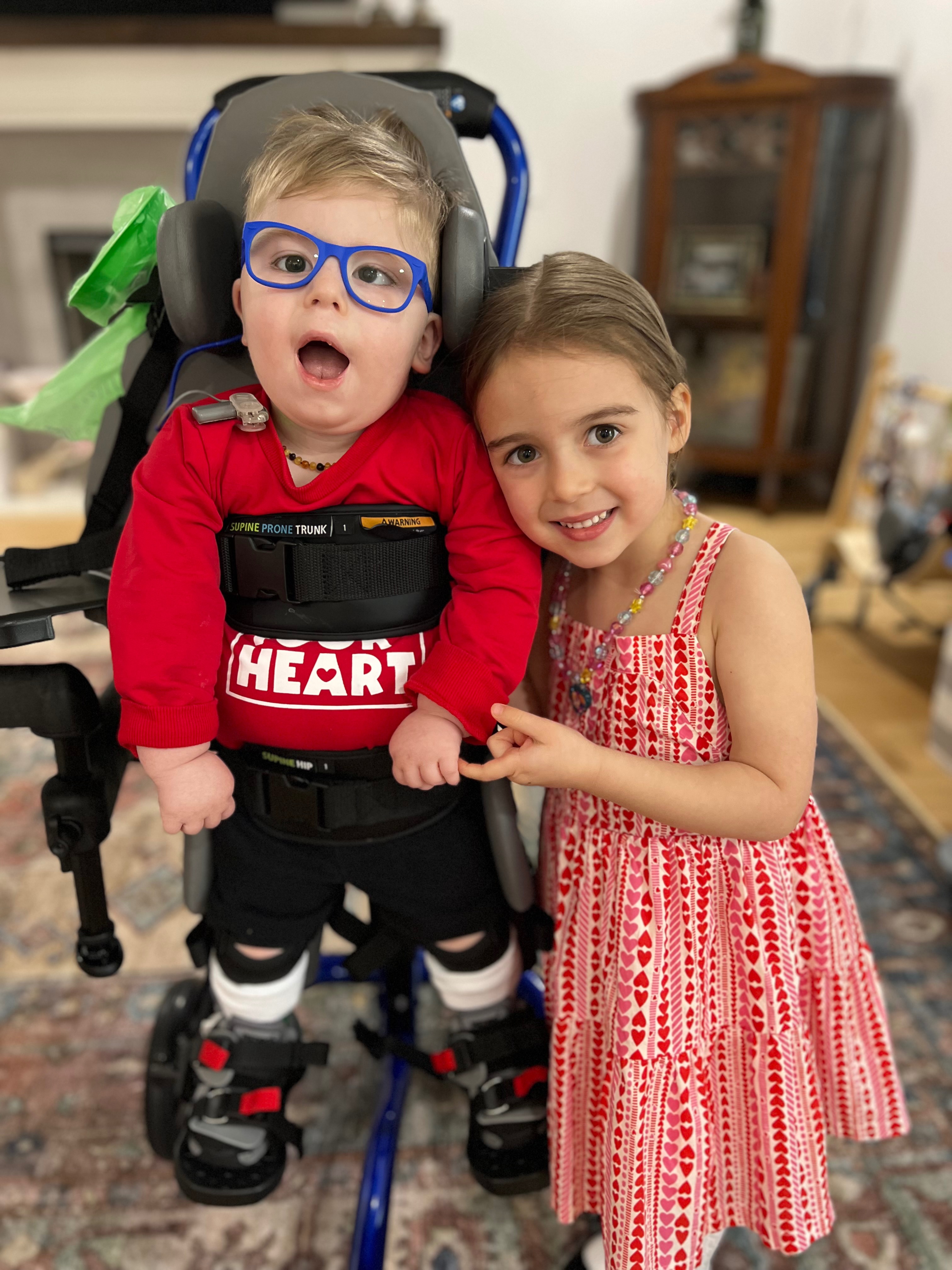
But beyond the diagnoses, beyond the medical terms and machines — Mason is a little boy who adores his sister.
The bond they share is unmatched. She reads to him, plays beside his stander, celebrates his smallest victories, and loves him without hesitation. He lights up when she enters the room. She doesn’t see his challenges — she sees her brother. And he sees his best friend.
Recently, we learned about a promising stem cell therapy offered outside of the United States, followed by intensive DMI therapy (read below for more information on Stem Cell Therapy and DMI). Early research suggests it can help improve motor function and brain connectivity in children with Cerebral Palsy. While it is not a cure, it could offer Mason a meaningful chance at progress — more strength, more stability, more independence.
This treatment is not covered by insurance and requires travel, medical expenses, and intensive follow-up therapy.
We are pursuing two rounds of stem cell therapy, each followed by intensive DMI therapy — treatments designed to support brain development, strengthen neural pathways, and build on the progress he’s already worked so hard for.
Here’s what that looks like:
First Round
Stem Cell Therapy: $17,000
Two Weeks of DMI Therapy: $4,000
Total: $21,000
Six months later…
Second Round
Stem Cell Therapy: $17,000
Two More Weeks of DMI Therapy: $4,000
Total: $21,000
Total needed: $42,000
Congenital CMV already took enough from Mason. We are not willing to sit back and wonder “what if.”
We are not chasing perfection.
We are not chasing a miracle.
We are chasing opportunity.
If this therapy gives Mason even a small increase in control, comfort, or independence, it could change the trajectory of his future.
We know that times are tough for many, and asking for help is never easy. But any support means the world to us. Whether it’s a donation or simply sharing our story, we’re grateful for any help you can give.
Thank you for loving our boy, believing in him, and standing with us in this fight.
#TeamMason
What is Stem Cell & DMI therapy?
Stem Cell / DMI Therapy information
What are stem cells?
Stem cells are special cells in the body that can help repair or support damaged tissue.
Why use them for Cerebral Palsy?
In CP, parts of the brain were injured early in life. The injury doesn’t worsen, but the effects last a lifetime. Researchers believe certain stem cells may:
• Reduce inflammation in the brain
• Support repair of injured brain tissue
• Improve communication between brain and muscles
• Potentially improve motor function
What does the research say?
• Early clinical trials show modest improvements in motor skills in some children.
• It is not a cure for CP.
• Research is still ongoing, especially in the U.S.
• Some treatments abroad operate outside strict U.S. regulatory systems.
DMI therapy stands for Dynamic Movement Intervention.
It’s an intensive, hands-on physical therapy approach designed for children with motor delays.
What’s the idea behind it?
DMI is based on neuroplasticity — the brain’s ability to form new connections. The goal is to stimulate automatic postural responses (like head control, trunk stability, and balance) through specific, progressive exercises.
Instead of waiting for a child to initiate movement, the therapist uses carefully placed support points and dynamic challenges to trigger the brain to respond.
Why combine it with DMI therapy?
The idea is that stem cells may create a “window” where the brain is more responsive to change, and intensive therapy like DMI helps train the brain and body during that time.
What are the risks?
• Infection
• Reaction to anesthesia (if used)
• Unknown long-term effects
• Financial strain
It’s considered experimental, but many families feel the potential benefits outweigh the risks.
if you made all the way to the bottom we thank you for taking the time to read Mason’s story!
Organizer