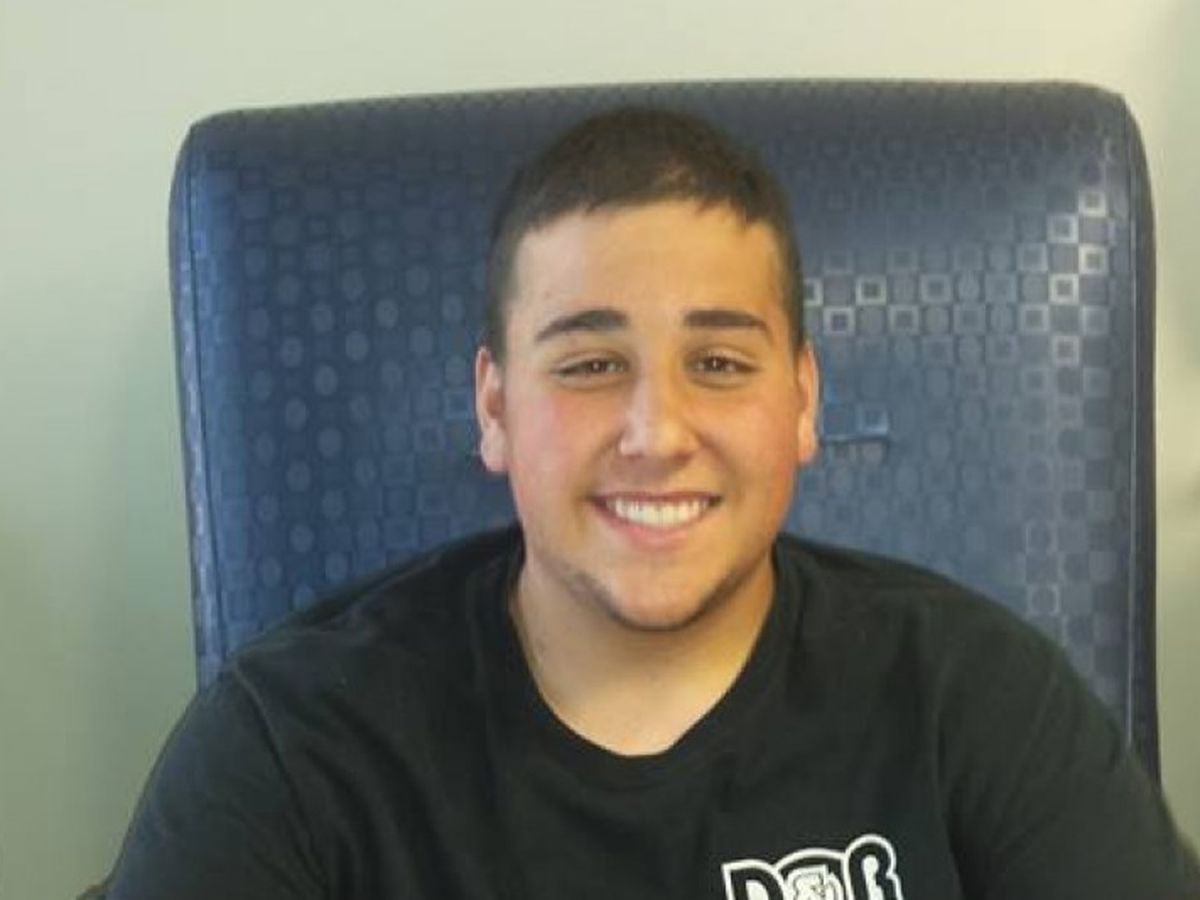
- T
- C
- J
If you are not on the bone marrow registry sign up! It’s free and painless. Go to: https://bethematch.org/support-the-cause/donate-bone-marrow/join-the-marrow-registry/
They send you kit, swab cheek and send it back.
Shaun is going to need a transplant and soon they will be looking for donor. For the actual donation they collect the stem cells in two different ways -- from the bone marrow or from the blood. If collecting by bone marrow, they are only allowed to take a certain number of stem cells from the donor. After they take a small amount of cells, they take them to the lab and see how many cells they received per X of fluid. Sometimes they cannot get enough stem cells from the donor and have to go to a plan B. If they collect through the blood, the donor receives a shot to boost their white cell count (like Shaun is receiving now) for a week or so before donation. They take the blood, run it through a machine, take out the CD34+ cells (separated by weight) and put the rest of the blood back in the donor.
There are quite a few variables:
- After this first round of chemo, that is just to kill the leukemia cells, Shaun will get another bone marrow done. If there are cancer cells left, depending on the amount Shaun would not go to transplant, but instead get another round of chemo.
- If the cancer was not gone after a second round of chemo, they said he has a couple options. One of them being taking Shaun's bone marrow down to zero, but not "killing it" and then taking him to transplant. This would be harder on Shaun because he wouldn't be as healthy for the transplant.
- Finding a donor that matches, passes a physical, and is willing to donate bone marrow stem cells, not blood.
- Getting approval for the transplant to be done at the U of I or somewhere
The transplant process will start with two chemo drugs. Shaun will go in a day before he is schedule to be in and get one dose of B. They will take blood samples all day and send the blood to Philadelphia to get some results. The results will be back the next day and will tell them how much of the drug Shaun needs and his body will tolerate during the process (it can cause liver damage and failure). The next day he will start the B chemo and receive it every six hours for 15 more doses. They will monitor his liver function and adjust the dose as needed. The G chemo will be given one time each day for four days.
After this round of chemo, he will no longer be able to produce anything in his bone marrow. His donor would be lined up ahead of time and sign a letter so they cannot back out -- letting them know that Shaun will start chemo and needs their stem cells. The donor will go to a hospital (it is worldwide), get the cells taken and they will be shipped to IC in a day. If the donor can’t make it they will have a back up donor, if there is more than one match, just in case. They can wait an extra day or two to do the transplant, but no more. In a dire situation, they would take my cells (Mike's if he was a closer match) for Shaun. This would not be ideal, but Shaun would have something.
He will get one day's rest in between chemo and receiving his donor cells.
The donor cells arrive in a bag, like blood or platelets, and will get put in to Shaun through a second line that his added to his port on the day he comes in for his first dose of B chemo (a PIC line). The PIC line will be removed after the graft (no sedation needed for either procedure). They only take a couple hours to go into his body.
Then the not so fun waiting. He will be on several medications to stop infections: fungal, viral, and bacterial. He will also be on a liver drug. His heart, kidneys, and lungs will be monitored a couple times a day as well as his skin, stomach, intestines, and liver.
They will watch for graft versus host disease. No matter whose cells he gets, he will probably have a little GVHD because there are two types of cells in the body: naive and memory. The donor stem cells will have memory cells that will not recognize Shaun's body and try to attack it (the reason for the close monitoring). He will be on drugs to help the cells tolerate Shaun's body and a closer match reduces serious effects.
Several things can go wrong during this stage. If Shaun's body still has T-cells floating around in it, they could try to take over the donor cells and kill them. The donor cells may not graft to Shaun. There might be too much GVHD. In this case, there are procedures in place, a new donor would have to be found, and Shaun would have to undergo a second stem cell transplant. More serious things like death can occur.
If the donor cells take and there are few complications it takes around three to six weeks for the cells to take over Shaun's body. We will know this by his platelets, red cells, and white count coming back up (ANC). The doctor will do two tests towards the end of his transplant to see: 1. If the leukemia is gone. If not, the transplant process starts over with modifications. 2. If the donor cells are the majority cell in Shaun's body (done by DNA). If not, the transplant process starts over with modifications. If there are too many of Shaun's cells present, that means that AML is still present.
Under 100 days after the stem cells are put into his body is a critical time for GVHD. Shaun will be released from the hospital when his ANC is high enough, but he will be secluded to home for at least three months. We have to watch for any skin rashes, fevers, issues going to the bathroom. If he has any issues, he has to be admitted to the hospital right away. We have to take him to Iowa City every day or every other day for months after his transplant. He will not be able to go to work/school/outings with a crowd for six to 12 months post-transplant. The doctor told us that the immune system in a fetus starts producing cells at 10-weeks in utero -- this is how Shaun will be when we go home. When Shaun is three months post transplant his immune system will be like a new born baby's. At six months, he will be like a three-month-old. He will have to get all his inoculations again.. just as he did when he was first born. These cannot start until he is one-year post-transplant. It will be a hard thing for him to stay home, but he won't have a choice.
Around three months post-treatment, depending on how everything is going, he can get off his medications to stop the donor cells from attacking him. He will not have to take medications for his life -- unless there are issues.
He will be tested yearly, after he is far enough out from treatment, for lung, heart, kidney, and liver damage for the rest of his life. The doctor told us some patients need dialysis after their transplant, some have heart damage, he had to do a lung transplant on one patient. This isn't common, but there is a chance something could go wrong with an organ.
Everything is a waiting game right now. We first have to see how this round of chemo goes for him and if the cancer is gone. If it is, the doctor stated to plan on the transplant happening in five to six weeks from yesterday. The schedule will adjust from there. We have to find out where insurance will pay for the transplant. And number one is finding a donor.
They send you kit, swab cheek and send it back.
Shaun is going to need a transplant and soon they will be looking for donor. For the actual donation they collect the stem cells in two different ways -- from the bone marrow or from the blood. If collecting by bone marrow, they are only allowed to take a certain number of stem cells from the donor. After they take a small amount of cells, they take them to the lab and see how many cells they received per X of fluid. Sometimes they cannot get enough stem cells from the donor and have to go to a plan B. If they collect through the blood, the donor receives a shot to boost their white cell count (like Shaun is receiving now) for a week or so before donation. They take the blood, run it through a machine, take out the CD34+ cells (separated by weight) and put the rest of the blood back in the donor.
There are quite a few variables:
- After this first round of chemo, that is just to kill the leukemia cells, Shaun will get another bone marrow done. If there are cancer cells left, depending on the amount Shaun would not go to transplant, but instead get another round of chemo.
- If the cancer was not gone after a second round of chemo, they said he has a couple options. One of them being taking Shaun's bone marrow down to zero, but not "killing it" and then taking him to transplant. This would be harder on Shaun because he wouldn't be as healthy for the transplant.
- Finding a donor that matches, passes a physical, and is willing to donate bone marrow stem cells, not blood.
- Getting approval for the transplant to be done at the U of I or somewhere
The transplant process will start with two chemo drugs. Shaun will go in a day before he is schedule to be in and get one dose of B. They will take blood samples all day and send the blood to Philadelphia to get some results. The results will be back the next day and will tell them how much of the drug Shaun needs and his body will tolerate during the process (it can cause liver damage and failure). The next day he will start the B chemo and receive it every six hours for 15 more doses. They will monitor his liver function and adjust the dose as needed. The G chemo will be given one time each day for four days.
After this round of chemo, he will no longer be able to produce anything in his bone marrow. His donor would be lined up ahead of time and sign a letter so they cannot back out -- letting them know that Shaun will start chemo and needs their stem cells. The donor will go to a hospital (it is worldwide), get the cells taken and they will be shipped to IC in a day. If the donor can’t make it they will have a back up donor, if there is more than one match, just in case. They can wait an extra day or two to do the transplant, but no more. In a dire situation, they would take my cells (Mike's if he was a closer match) for Shaun. This would not be ideal, but Shaun would have something.
He will get one day's rest in between chemo and receiving his donor cells.
The donor cells arrive in a bag, like blood or platelets, and will get put in to Shaun through a second line that his added to his port on the day he comes in for his first dose of B chemo (a PIC line). The PIC line will be removed after the graft (no sedation needed for either procedure). They only take a couple hours to go into his body.
Then the not so fun waiting. He will be on several medications to stop infections: fungal, viral, and bacterial. He will also be on a liver drug. His heart, kidneys, and lungs will be monitored a couple times a day as well as his skin, stomach, intestines, and liver.
They will watch for graft versus host disease. No matter whose cells he gets, he will probably have a little GVHD because there are two types of cells in the body: naive and memory. The donor stem cells will have memory cells that will not recognize Shaun's body and try to attack it (the reason for the close monitoring). He will be on drugs to help the cells tolerate Shaun's body and a closer match reduces serious effects.
Several things can go wrong during this stage. If Shaun's body still has T-cells floating around in it, they could try to take over the donor cells and kill them. The donor cells may not graft to Shaun. There might be too much GVHD. In this case, there are procedures in place, a new donor would have to be found, and Shaun would have to undergo a second stem cell transplant. More serious things like death can occur.
If the donor cells take and there are few complications it takes around three to six weeks for the cells to take over Shaun's body. We will know this by his platelets, red cells, and white count coming back up (ANC). The doctor will do two tests towards the end of his transplant to see: 1. If the leukemia is gone. If not, the transplant process starts over with modifications. 2. If the donor cells are the majority cell in Shaun's body (done by DNA). If not, the transplant process starts over with modifications. If there are too many of Shaun's cells present, that means that AML is still present.
Under 100 days after the stem cells are put into his body is a critical time for GVHD. Shaun will be released from the hospital when his ANC is high enough, but he will be secluded to home for at least three months. We have to watch for any skin rashes, fevers, issues going to the bathroom. If he has any issues, he has to be admitted to the hospital right away. We have to take him to Iowa City every day or every other day for months after his transplant. He will not be able to go to work/school/outings with a crowd for six to 12 months post-transplant. The doctor told us that the immune system in a fetus starts producing cells at 10-weeks in utero -- this is how Shaun will be when we go home. When Shaun is three months post transplant his immune system will be like a new born baby's. At six months, he will be like a three-month-old. He will have to get all his inoculations again.. just as he did when he was first born. These cannot start until he is one-year post-transplant. It will be a hard thing for him to stay home, but he won't have a choice.
Around three months post-treatment, depending on how everything is going, he can get off his medications to stop the donor cells from attacking him. He will not have to take medications for his life -- unless there are issues.
He will be tested yearly, after he is far enough out from treatment, for lung, heart, kidney, and liver damage for the rest of his life. The doctor told us some patients need dialysis after their transplant, some have heart damage, he had to do a lung transplant on one patient. This isn't common, but there is a chance something could go wrong with an organ.
Everything is a waiting game right now. We first have to see how this round of chemo goes for him and if the cancer is gone. If it is, the doctor stated to plan on the transplant happening in five to six weeks from yesterday. The schedule will adjust from there. We have to find out where insurance will pay for the transplant. And number one is finding a donor.
Organizer and beneficiary
Carrie Obrien
Beneficiary