- N
Nick’s 100 mile fundraiser
0% complete
£2,543 raised of £1K
105 donations
I have decided to run 100 miles this month (March 2021) to raise awareness in aid of Endometriosis UK. This cause means so much to myself and my partner Simran, who is an Endometriosis sufferer.
I have outlined the effects both short and long term of Endometriosis below, to give you a brief understanding and insight into the disease.
Endometriosis is the name given to the condition where cells similar to the ones in the lining of the womb (uterus) are found elsewhere in the body.
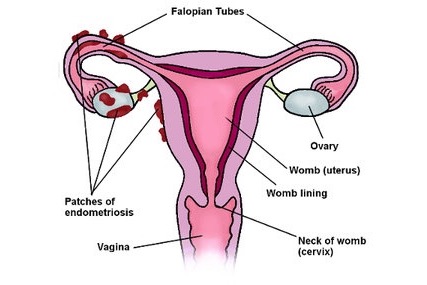
Each month these cells react in the same way to those in the womb, building up and then breaking down and bleeding. Unlike the cells in the womb that leave the body as a period, this blood has no way to escape.
It is a chronic and often debilitating condition that can cause painful or heavy periods. It may also lead to infertility, fatigue and bowel and bladder problems.
Around 1.5 million women in the UK are currently living with the condition. Endometriosis can affect all women and girls of a childbearing age, regardless of race or ethnicity. The impact can also be felt for life.
Every month a woman’s body goes through hormonal changes. Hormones are naturally released which cause the lining of the womb to increase in preparation for a fertilized egg. If pregnancy does not occur, this lining will break down and bleed – this is then released from the body as a period.
In endometriosis, cells similar to the ones in the lining of the womb grow elsewhere in the body. These cells react to the menstrual cycle each month and also bleed. However, there is no way for this blood to leave the body. This can cause inflammation, pain and the formation of scar tissue.
Endometriosis can have a significant impact on a person's life in a number of ways, including:
• Chronic pain
• Fatigue/lack of energy
• Depression/isolation
• Problems with a couple’s sex life/relationships
• An inability to conceive
• Difficulty in fulfilling work and social commitments
However, with the right endometriosis treatment, many of these issues can be addressed, and the symptoms of endometriosis made more manageable.
It’s important to remember that:
• Endometriosis is not an infection
• Endometriosis is not contagious
• Endometriosis is not cancer
The latest facts and figures about endometriosis.
• 1 in 10 women of reproductive age in the UK suffer from endometriosis.
• 10% of women world wide have
endometriosis - that’s 176 million worldwide.
• The prevalence of endometriosis in women with infertility be as high as to
30–50%.
• Endometriosis is the second most common gynaecological condition in the UK.
• Endometriosis affects 1.5 million
women, a similar number of women affected by diabetes.
• On average it takes 7.5 years from onset of symptoms to get a diagnosis.
• Endometriosis costs the UK economy £8.2bn a year in treatment, loss of work and healthcare costs.
• The cause of endometriosis is unknown and there is no definite cure.
My efforts are solely for the support of
my Partner as it is ‘Endo month’.
Please help me make a difference, raise awareness and raise money for Endometriosis UK. Every donation will help make such a difference no matter how big or small.
Thank you for taking the time to read the above.
I have outlined the effects both short and long term of Endometriosis below, to give you a brief understanding and insight into the disease.
Endometriosis is the name given to the condition where cells similar to the ones in the lining of the womb (uterus) are found elsewhere in the body.
Each month these cells react in the same way to those in the womb, building up and then breaking down and bleeding. Unlike the cells in the womb that leave the body as a period, this blood has no way to escape.
It is a chronic and often debilitating condition that can cause painful or heavy periods. It may also lead to infertility, fatigue and bowel and bladder problems.
Around 1.5 million women in the UK are currently living with the condition. Endometriosis can affect all women and girls of a childbearing age, regardless of race or ethnicity. The impact can also be felt for life.
Every month a woman’s body goes through hormonal changes. Hormones are naturally released which cause the lining of the womb to increase in preparation for a fertilized egg. If pregnancy does not occur, this lining will break down and bleed – this is then released from the body as a period.
In endometriosis, cells similar to the ones in the lining of the womb grow elsewhere in the body. These cells react to the menstrual cycle each month and also bleed. However, there is no way for this blood to leave the body. This can cause inflammation, pain and the formation of scar tissue.
Endometriosis can have a significant impact on a person's life in a number of ways, including:
• Chronic pain
• Fatigue/lack of energy
• Depression/isolation
• Problems with a couple’s sex life/relationships
• An inability to conceive
• Difficulty in fulfilling work and social commitments
However, with the right endometriosis treatment, many of these issues can be addressed, and the symptoms of endometriosis made more manageable.
It’s important to remember that:
• Endometriosis is not an infection
• Endometriosis is not contagious
• Endometriosis is not cancer
The latest facts and figures about endometriosis.
• 1 in 10 women of reproductive age in the UK suffer from endometriosis.
• 10% of women world wide have
endometriosis - that’s 176 million worldwide.
• The prevalence of endometriosis in women with infertility be as high as to
30–50%.
• Endometriosis is the second most common gynaecological condition in the UK.
• Endometriosis affects 1.5 million
women, a similar number of women affected by diabetes.
• On average it takes 7.5 years from onset of symptoms to get a diagnosis.
• Endometriosis costs the UK economy £8.2bn a year in treatment, loss of work and healthcare costs.
• The cause of endometriosis is unknown and there is no definite cure.
My efforts are solely for the support of
my Partner as it is ‘Endo month’.
Please help me make a difference, raise awareness and raise money for Endometriosis UK. Every donation will help make such a difference no matter how big or small.
Thank you for taking the time to read the above.

Organizer

Endometriosis UK
Beneficiary