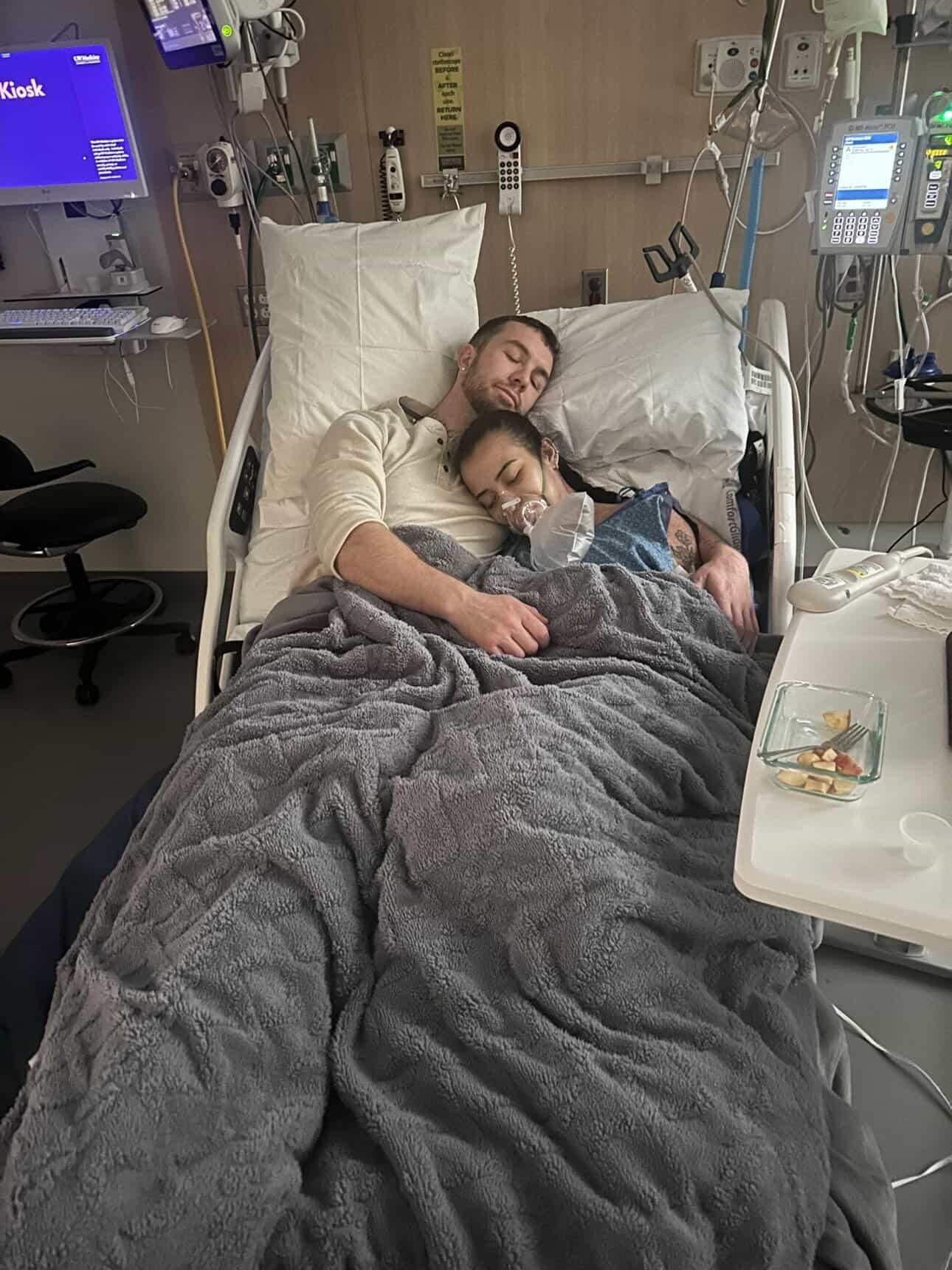
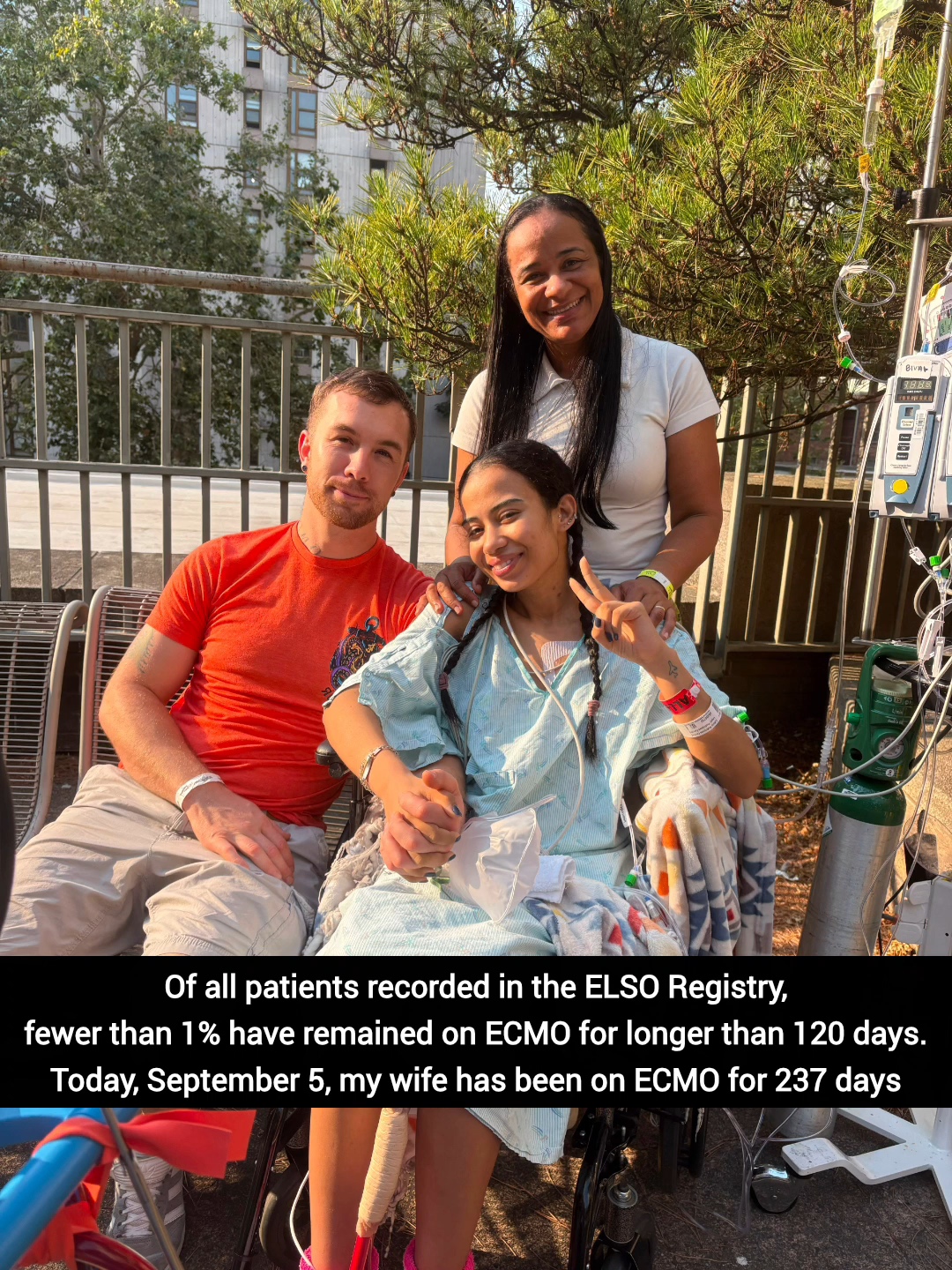



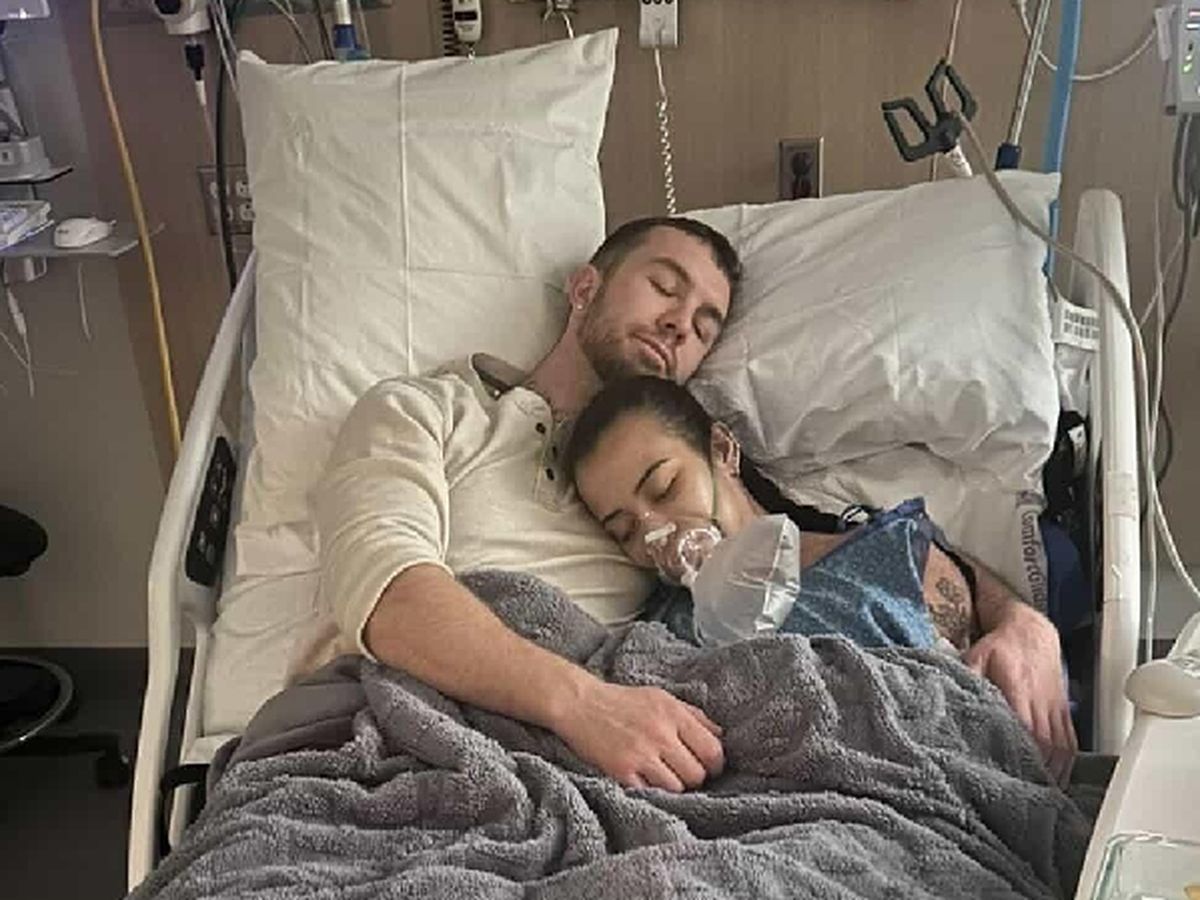
Hope for Healing: Wife's 170-day battle for life.

Hope for Healing: Wife's 170-day battle for life. campaign photo, 1 of 9Hope for Healing: Wife's 170-day battle for life. campaign photo, 1 of 9
Hope for Healing: Wife's 170-day battle for life. campaign photo, 2 of 9

Donations sustain vital medical care and basic living costs during an unprecedented ICU battle

  • A
  • D
  • E
430 donors
Hope for Healing: Wife's 170-day battle for life. campaign photo, 4 of 9
Hope for Healing: Wife's 170-day battle for life. campaign photo, 5 of 9
Hope for Healing: Wife's 170-day battle for life. campaign photo, 6 of 9
Hope for Healing: Wife's 170-day battle for life. campaign photo, 7 of 9
Hope for Healing: Wife's 170-day battle for life. campaign photo, 8 of 9
0% complete

$21,945 raised of 

Hope for Healing: Wife's 170-day battle for life.

Donation protected
Updated: January 31, 2026
Current Condition
My wife is one of only about 20 documented people in the world to suffer this catastrophic reaction to Bactrim. Only about half are known to have survived.

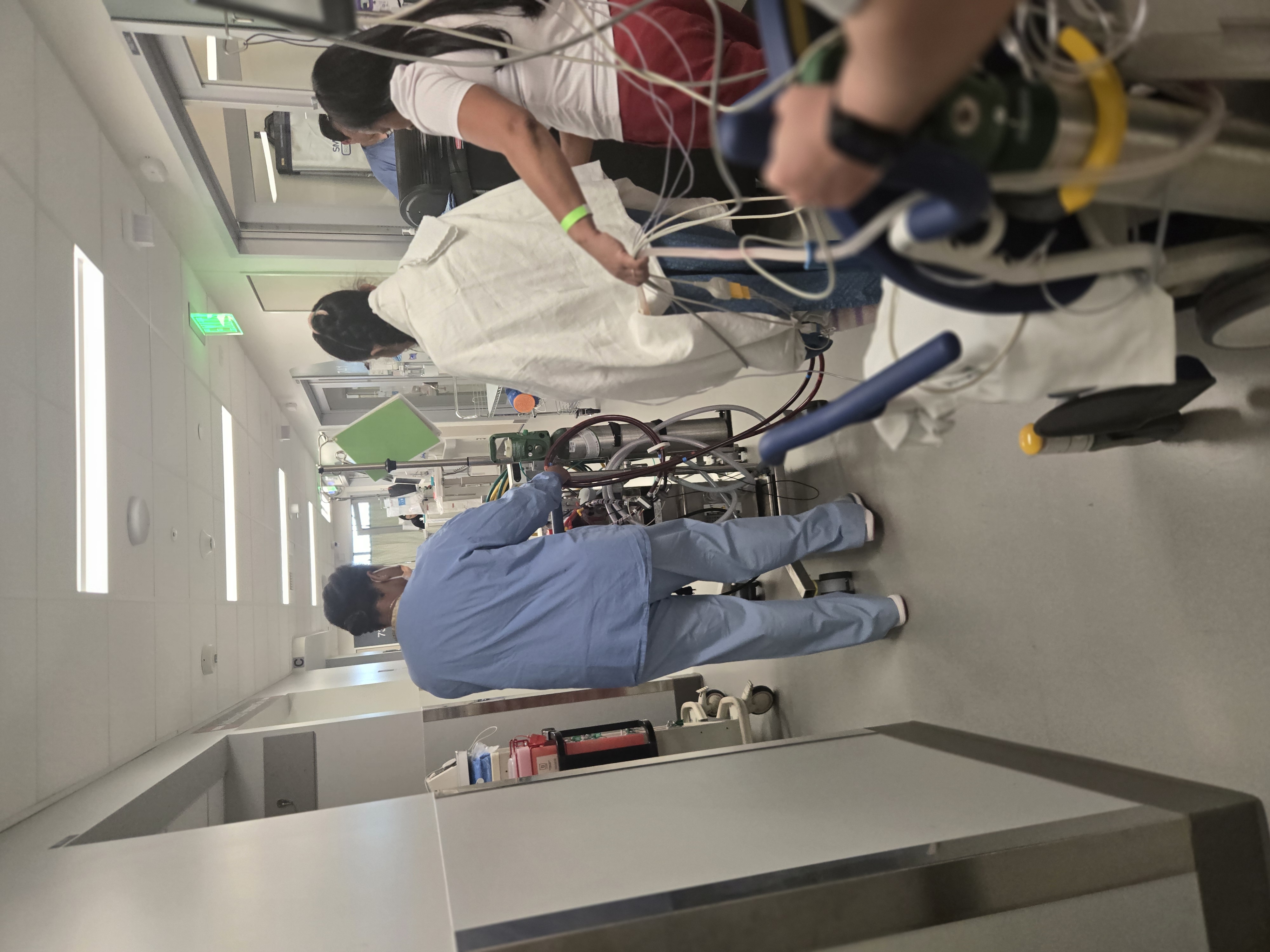
She is now the longest person in Washington state history to remain on life support, fighting for her life at Harborview Medical Center in Seattle with critical lung failure. There is no established cure. She is being kept alive by ECMO, a machine that temporarily performs the function of her lungs. She is now on her 4th life support machine due to mechanical failures with the last three ECMO machines.

At 1:30 a.m. on January 29, 2026, the ECMO machine malfunctioned, causing her to lose most of her blood. Her heart stopped, and she died for approximately four minutes.

How This Began
Before Christmas, my wife was admitted to Allenmore Hospital after being diagnosed with a kidney infection. During her week-long stay, she was roomed with a patient who had pneumonia, despite her already compromised immune system.
Upon discharge from Allenmore, she was prescribed an antibiotic called Bactrim, which she took exactly as directed.
After several days on the medication, we attempted to follow up with the infectious disease specialist recommended by Allenmore. We were told that her referral had been denied, that they were not accepting new patients, and that the office was closed on weekends. We were instructed to wait until Monday. That Saturday, my wife developed a rash, dizziness, and a fever.

Hospital Transfers
We returned to Allenmore Hospital, where she remained for about a week. During that time, doctors told us they could not determine the cause of her illness or find a cure. They then decided it was best to transfer her to Tacoma General, where she stayed for another week.
While at Tacoma General, her condition worsened until the final two days, when she became stable. Despite this stability, doctors transferred her to Harborview Medical Center due to concerns that her condition could suddenly become worse.

Rapid Decline at Harborview
After arriving at Harborview, a doctor recommended a medication for her respiratory system. I advised against this because she was stable and not getting worse. Despite my concerns, the medication was introduced into her breathing apparatus.
Immediately afterward, she suffered a severe reaction. She lost energy, and her supplemental oxygen had to be increased to the maximum level.

ECMO and Critical Incidents
On January 21, 2026, doctors placed her on ECMO after her lungs could no longer support her on their own. ECMO carries an estimated 50% mortality rate, and she may still require a lung transplant.
Since being placed on ECMO, there have been multiple critical incidents:
  • On January 26, 2026, around 3:20 a.m., the ECMO machine falsely detected an air bubble, causing her blood to lose oxygen for approximately 45 seconds.
  • On January 29, 2026, at 1:30 a.m., the ECMO machine began leaking, spilling nearly all of her blood onto the floor. During the emergency response, her heart stopped for approximately four minutes, and she required resuscitation.

About My Wife and Our Situation
Our first wedding anniversary is on February 1st, and she turns 25 on February 16th. I am the only family member here who can support her. She has dreamed of traveling the world since she was a child and has worked extremely hard to build that future. Before this happened, I was working to grow my small business. At this moment, both of our futures have been completely derailed.

Financial Impact
The financial burden has already become overwhelming, even with insurance:
  • Her first week of hospitalization in December totaled $65,000
  • By now, her ECMO treatment alone costs upward of $10 million
  • The ECMO machine itself costs approximately $500,000

How Donations Will Be Used
All donations will go toward medical bills and basic living expenses while I remain by her side. If, by some miracle, funds remain after medical costs are addressed, they will be used to purchase the vehicle she was saving for and to travel to national parks, something she had always dreamed of doing.

If the outcome is fatal, 100% of the funds will go directly to her family in Brazil.

Thank you for taking the time to read our story. Whether you donate or not, please keep my wife in your thoughts and prayers.

A list of the complications she has survived during her hospitalization.
  • Rare, catastrophic Bactrim reaction that caused her immune system to attack her lungs.
  • Complete lung failure, leaving her unable to breathe on her own.
  • More than six months on ECMO, a life-support machine that performs the work of the lungs.
  • A catastrophic ECMO machine failure that caused massive blood loss.
  • Cardiac arrest, requiring emergency resuscitation.
  • Severe damage to the right side of her heart from prolonged lung failure.
  • Severe pulmonary hypertension (dangerously high blood pressure in the lungs).
  • Multiple collapsed lungs, requiring repeated chest tubes.
  • life-threatening internal gastrointestinal bleed that required emergency surgery to stop.
  • Multiple serious infectionswhile her immune system was compromised.
  • Months of high-dose steroids and other powerful medications to control the inflammation destroying her lungs.
  • Overmedication with sedatives, causing significant setbacks in her recovery and rehabilitation.
  • Severe muscle loss and physical deterioration from spending more than six months fighting for her life in the ICU.
  • Her case has become such a medical anomaly that it is being documented for medical literature and studied because of its rarity.

Donate

Organizer

Profile photo of Eddie Ferreira
Eddie Ferreira
Organizer
Tacoma, WA
  • Medical
  • Donation protected

Your easy, powerful, and trusted home for help

  • Easy

    Donate quickly and easily

  • Powerful

    Send help right to the people and causes you care about

  • Trusted

    Your donation is protected by the GoFundMe Giving Guarantee