Goode Pickens Farms
0% complete
$1,180 raised of $120K
11 donations
I did not come to southeastern Colorado looking for an easy life. I came to build something real.
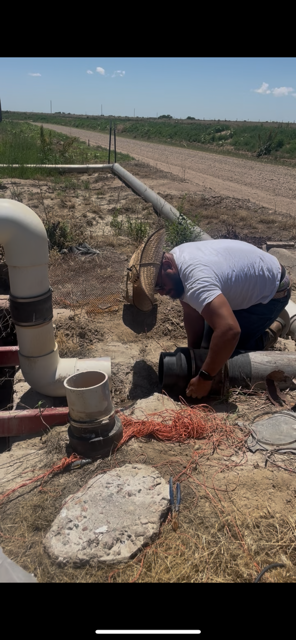
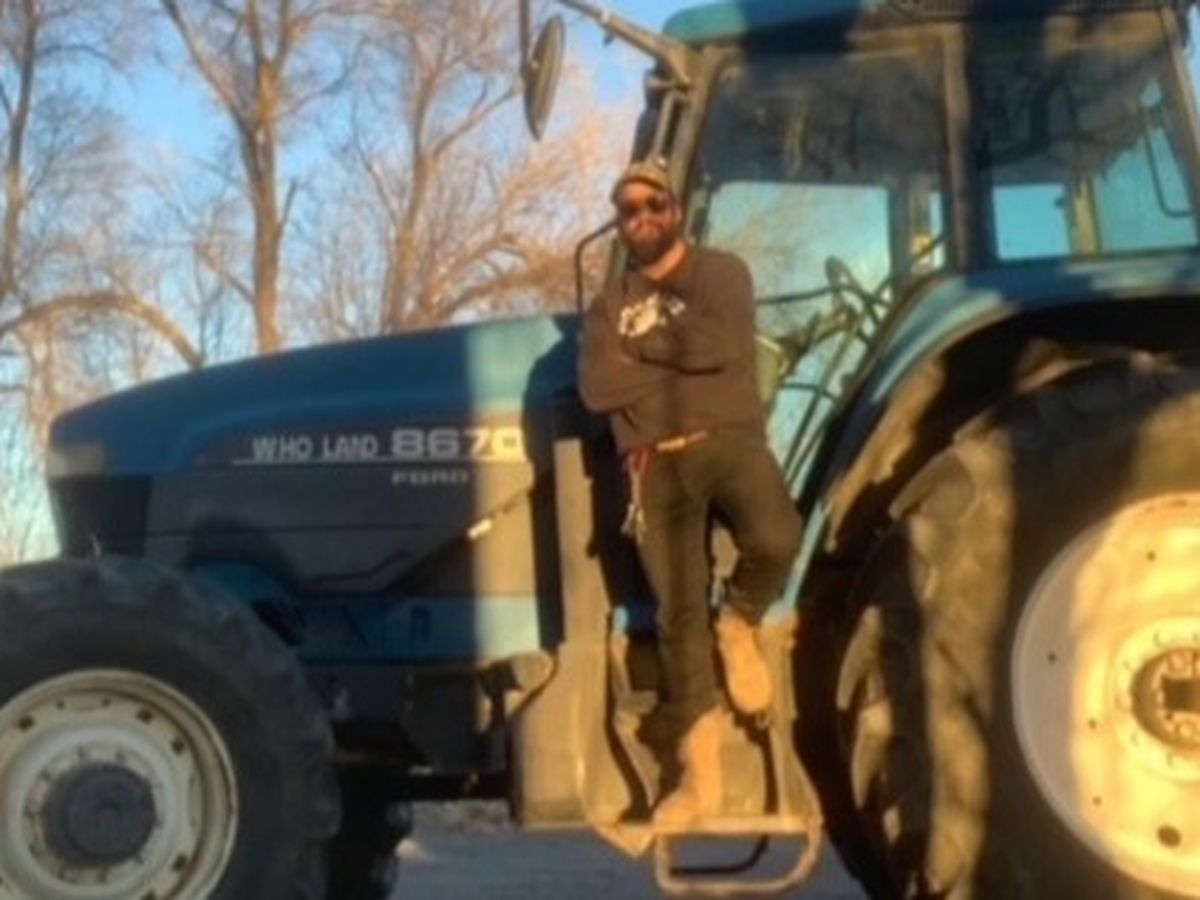
I left Chicago and came west to farm because I believed in the possibility of creating something lasting from the land—something honest, productive, and rooted in community. I started in hemp, and like so many farmers, I learned quickly that hard work does not protect you from everything agriculture can throw at you. Historic early freezes hit. Crops failed. Years of labor and investment were set back. Then a car accident created another major disruption just as I was fighting to keep the farm moving forward.
A lot of people would have stopped there.
I am not stopping.
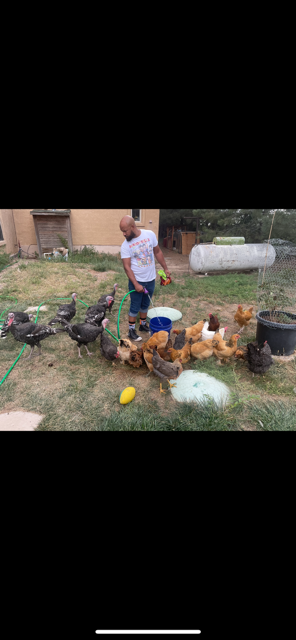
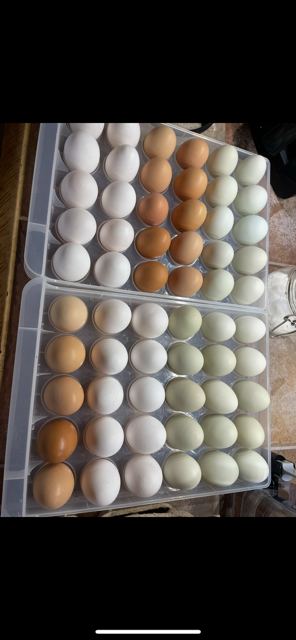
I am pivoting into a pasture-raised egg operation because it is a smart, sustainable next chapter for this farm and a business that can serve both the market and the community well. This is not a last-minute idea. It is a practical, values-driven plan built around humane farming, environmental stewardship, strong local demand, and a clear path to revenue.
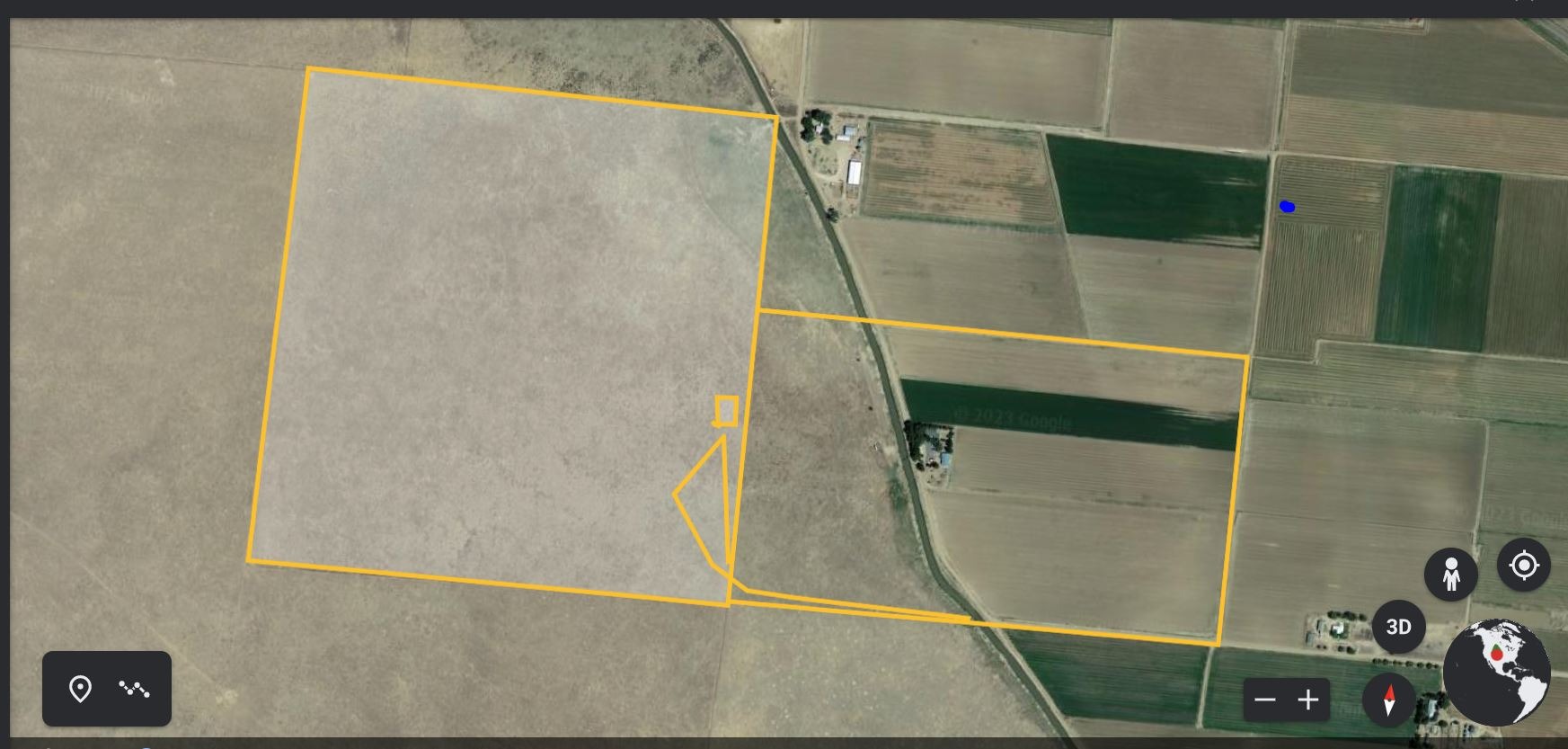
This farm sits in a strategic part of southeastern Colorado, with access to the I-25 corridor from Pueblo to Denver. That matters. It means access to wholesale buyers, farmers markets, and communities that need better food options. It also means operating in a part of the state with real advantages: less local competition, proximity to underserved customers, and a geography that can reduce some of the pressures seen in more concentrated poultry regions. There is a real opening here to build something strong, efficient, and needed.
The vision is simple: raise hens the right way, produce high-quality eggs, and build a local food business that does not reserve the best products only for people with the highest incomes.
Pasture-raised is not just a label. It means birds with meaningful access to pasture, sunlight, movement, and a more natural life than what is typical in industrial systems. It means a farming model centered on animal welfare, soil health, and food quality. It also means building a system that works with the land instead of extracting from it.
That is a key part of this mission.
This farm is being designed as an environmentally sustainable operation. In addition to the laying flock, we plan to use other livestock—especially sheep and limited cattle—as part of a managed grazing system to help maintain fields naturally. Grazing can do work that many farms rely on fossil-fuel-powered equipment to do, reducing tractor passes, lowering fuel use, cycling nutrients back into the soil, and supporting healthier pasture over time. The goal is not just to produce eggs. It is to build a farm system that is more regenerative, more efficient, and more responsible in how it uses land, energy, and resources.
For consumers who care about humane treatment, environmental sustainability, and nutrient-dense food, that matters. For communities that are too often offered the cheapest and lowest-quality food available, it matters even more.
Too many neighborhoods in Pueblo, Colorado Springs, and the Denver metro area know what it is like to have limited access to fresh, high-quality food. Too often, quality becomes a luxury good. My goal is to challenge that equation. This business is designed so that premium wholesale and farmers market pricing helps subsidize more affordable eggs for low-income communities, SNAP recipients, and food desert neighborhoods. In other words: whole-food quality at everyday prices. Good food should not be reserved for people with the most money.
This is also about more than eggs.
Black land ownership in America has been under pressure for generations. Black farmers have lost staggering amounts of land through discrimination, lack of access to capital, heirs’ property issues, and systems that have made it harder to keep farms alive across generations. When a Black-owned farm survives, adapts, and grows, that matters beyond one family. It means preserving stewardship, economic independence, and the possibility of passing something tangible forward. It means refusing to let another piece of Black agricultural ownership disappear quietly.
That is part of why this moment matters so much.
Like many small farmers, I have pursued grant opportunities and support programs that were supposed to help farms like mine build capacity and survive. But after being selected for opportunities and counting on that support, funds have been frozen, restricted, or pulled back as federal priorities shifted. Programs historically associated with outreach and support for underserved farmers, including the 2501 framework, have been weakened in practice by funding freezes, new conditions on USDA money, and the rollback of long-standing equity-focused policies.
That changes the stakes. It means community-backed funding is not supplemental. It is essential.
This fundraiser is about giving this farm the working capital and infrastructure needed to move from survival mode into stable production. Your support will help fund the laying flock itself, along with the feed and operating capital needed to get through the full four-month pre-production period before a single egg is sold, and through the first year of operation. It will help pay for the core infrastructure a pasture-raised system requires: housing, fencing, and equipment. It will also help fund a refrigerated delivery truck so these eggs can reliably reach wholesale customers, farmers markets, and underserved communities along the I-25 corridor.
That truck is not an extra. It is what turns a farm into a functioning local food business. It is what allows me to serve independent bakeries, breakfast diners, neighborhood restaurants, and market customers while building a distribution system that can grow over time.
And this is only the beginning.
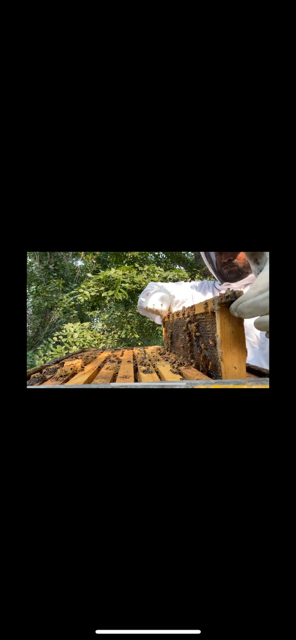
The long-term vision includes fresh produce, beekeeping, and partnerships with neighboring southeastern Colorado farmers so that more local goods can reach consumers directly. I also plan to open the farm to the public through events and agricultural education, especially for young people from urban communities who may never otherwise get the chance to see where food comes from, learn how farming works, or imagine themselves in agriculture, food science, or land stewardship.
If you give to this campaign, you are not helping me hold onto something that is failing. You are helping me build something viable, community-rooted, and future-facing. You are helping launch a business that can feed people well, steward land responsibly, expand access to better food, and protect a Black-owned farm at a time when too many are still being lost.
I am doing the work. I am making the pivot. I am building the model.
This campaign helps make it real.
If you care about Black land ownership, humane farming, environmental sustainability, and giving more communities access to healthier food, please support this campaign and share it. Every contribution helps move this farm closer to full production. Every share helps widen the circle of people who believe this work is worth backing.
This is about more than eggs.
It is about keeping land, building something sustainable, and proving that good food, ethical farming, environmental stewardship, and community impact can grow from the same ground.