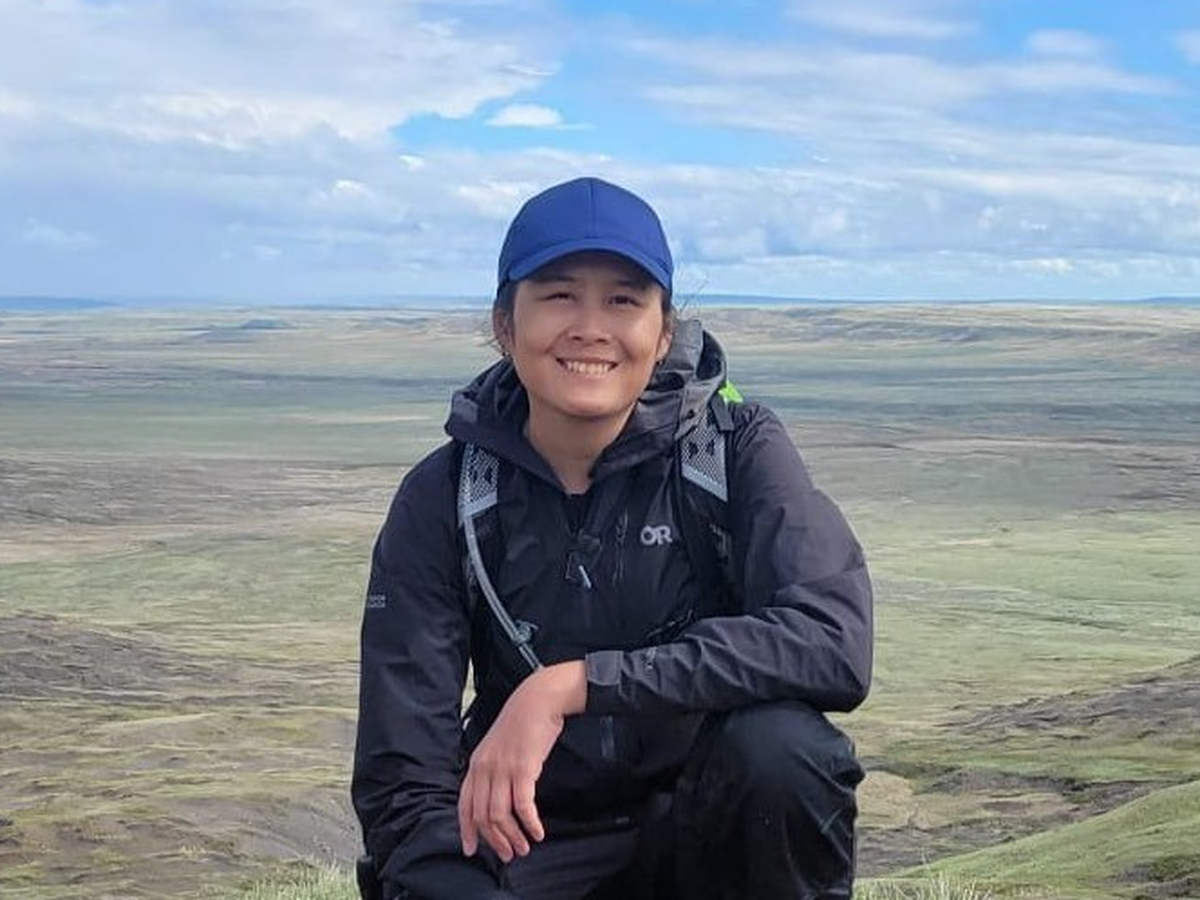

I still remember August 9, 2024, sitting alone in the Emergency Room when a doctor told me that the swelling around my right eye was likely cancer. I called my sister first, crying before I could speak. Today, after 450 days, I finally feel ready to share my journey.
Last summer, I began experiencing symptoms such as night sweats, fatigue, and occasional rashes. It all felt negligible, especially since I was a field tech doing fieldwork most of the time. In July 2024, however, things took a turn for the worse. A swelling mass started growing rapidly around my right eye, causing irritation and blurred vision. A CT scan revealed a 4.4 x 3.1 x 4.2 cm soft tissue mass with bone destruction near my orbit. A biopsy was needed to identify the type of cancer.
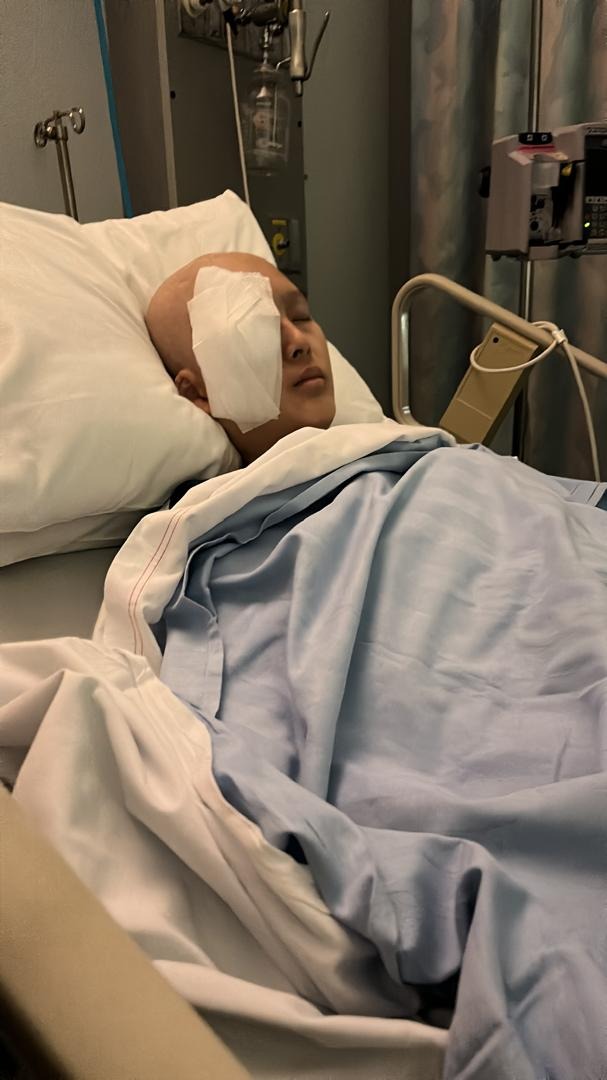
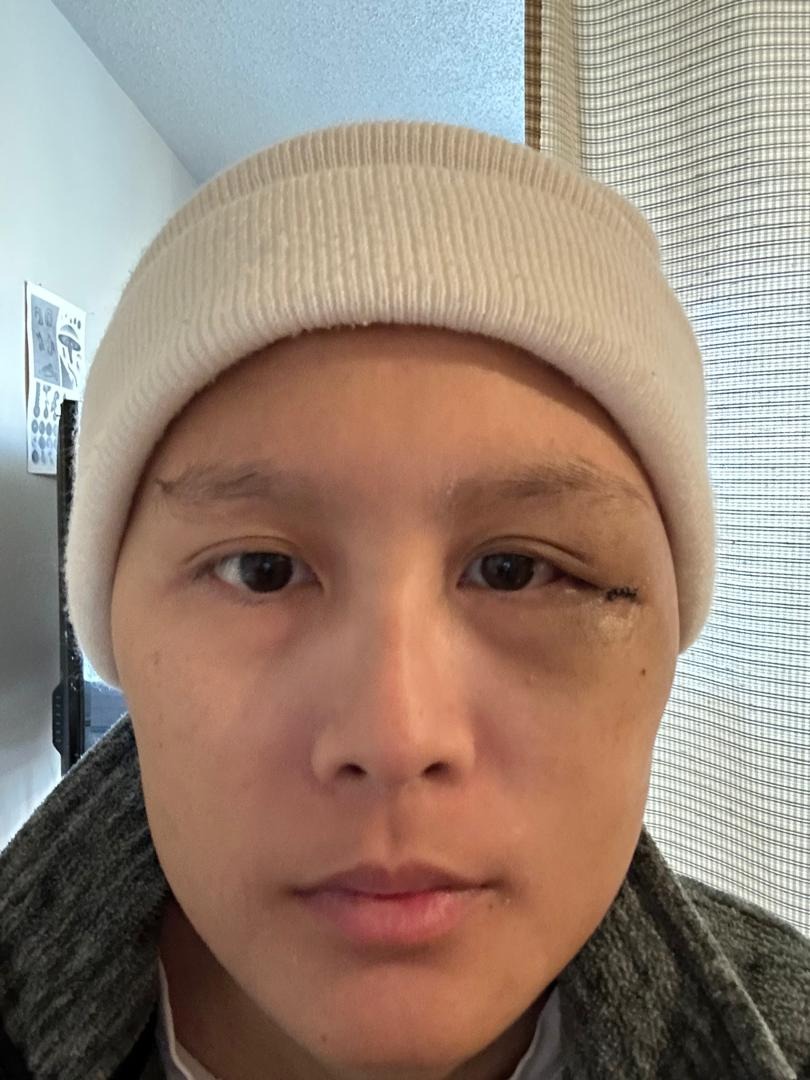
On August 20, 2024, I underwent an urgent biopsy. The mass had grown quickly, pushing my eye inward and causing bruising. Surgery alone wasn’t an option because of the mass’s liquidy, jelly-like nature. I was referred to the Saskatoon Cancer Centre.
On August 30, 2024, I was officially diagnosed with Anaplastic Large Cell Lymphoma (ALCL) ALK-negative, a rare and aggressive form of non-Hodgkin’s lymphoma located in my right orbit. While potentially curable, ALK-negative T-cell lymphoma has a high relapse rate. My doctor recommended six cycles of chemotherapy.
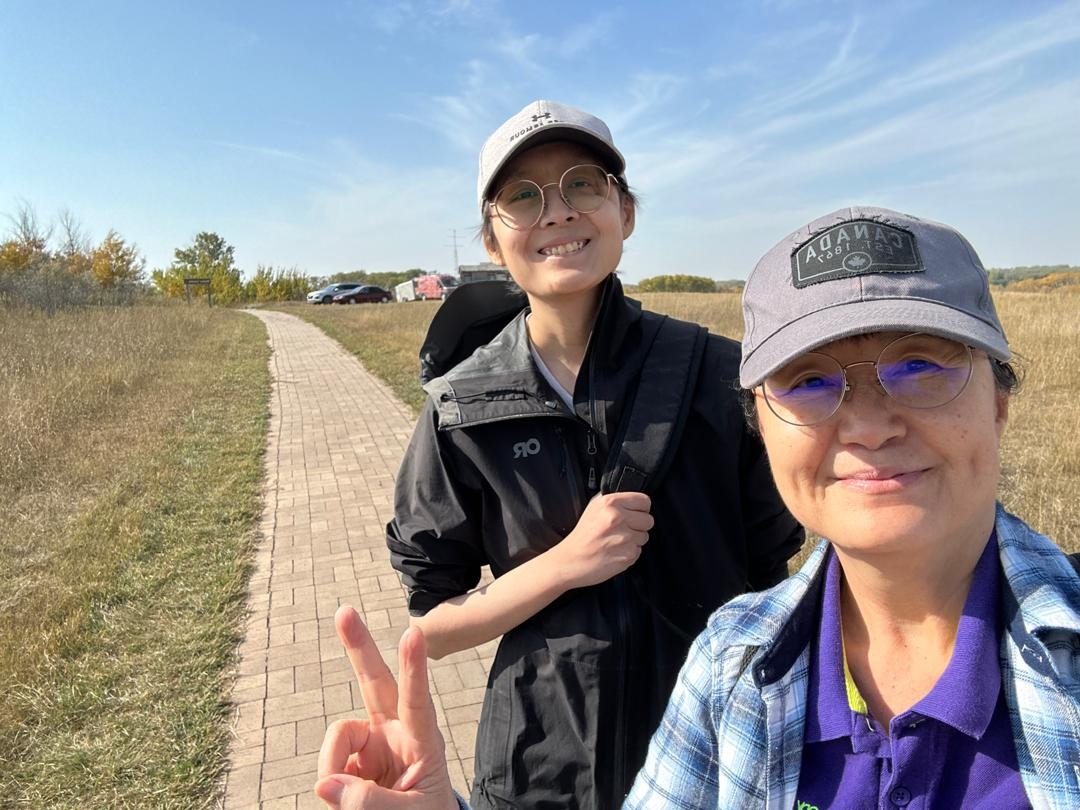
I began chemotherapy on September 5, 2024, with a regimen called BV-CHP. Despite initial treatment, the swelling persisted, night sweats worsened, and I had to work from home due to the treatment’s side effects. In October, my mother flew from Malaysia to Canada to become my full-time caretaker, and I have been off work since my contract ended that month.
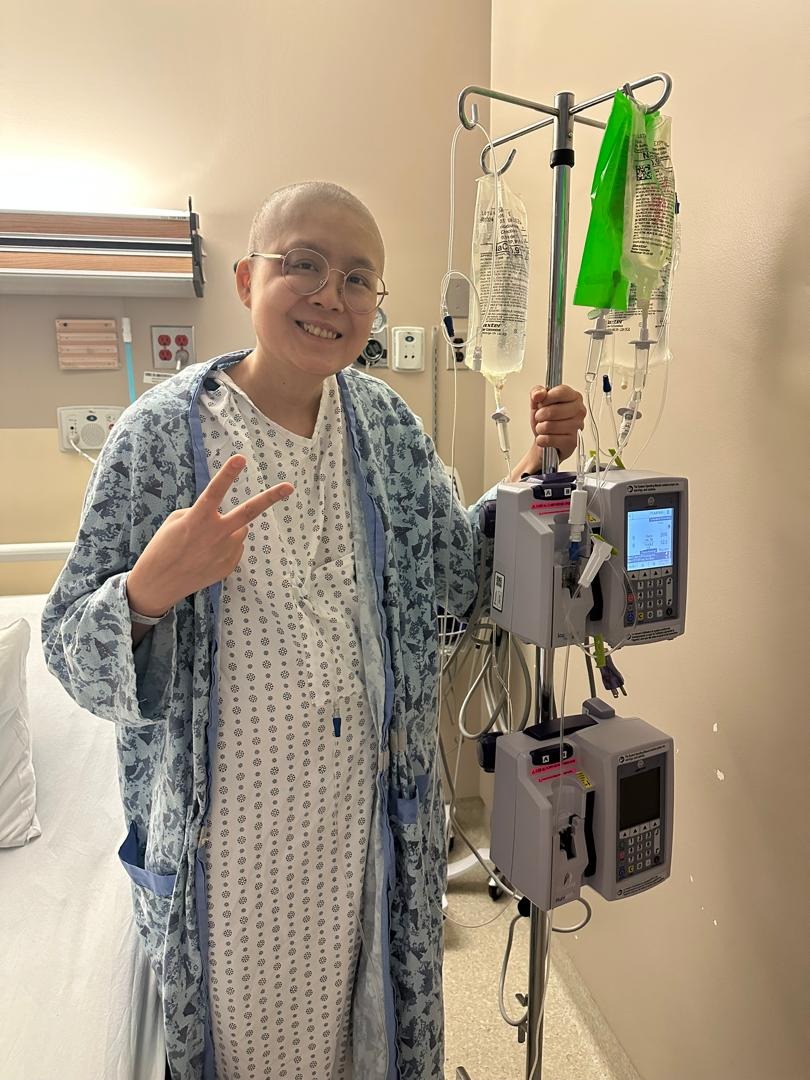
In November, a second biopsy showed the cancer was still active. Unfortunately, it was now reclassified as primary refractory, stage IV lymphoma. My oncologist recommended inpatient chemotherapy with a more aggressive regimen called ESHAP, which involved 24-hour infusions for four days and required hospitalization due to severe side effects and infection risk. I received two cycles of ESHAP over Christmas and New Year, and finally, by the end of January, my CT scan showed an excellent response to treatment. My oncologist then suggested an autologous stem cell transplant, which can boost my long-term cancer-free survival rate to up to 50%.
After discussion, we have decided this is my best chance. About two weeks after my stem cells were collected, I was admitted to the hospital in Saskatoon for the transplant. The procedure began with 7 days of high-dose chemotherapy, a regimen called BeEAM, which came with severe side effects including nausea, diarrhea, and the need for blood transfusions. There was also a risk of serious infections, so the doctors monitored me very closely. After chemotherapy, my stem cells were reinfused, and it took two to three weeks for my blood counts to recover before I could be discharged. Even after going home, I needed medications to prevent infections and careful monitoring, as my immune system will remain very weak for at least a year.
The worst part of my journey began with the high-dose chemotherapy. I was told the side effects could be severe, but I wasn’t prepared for how truly life-threatening it would feel. The treatment wiped out all the fast-growing cells in my body, leaving me extremely weak. I developed a condition called mucositis—painful inflammation and ulceration of the mouth and throat—that made it impossible to eat, drink, or even swallow pills for days. I had to be fed through IV fluids while battling constant nausea and diarrhea.
Most days I could barely move, relying on pain medication and sleeping pills just to make it through. I slept almost all the time, and when I did wake up, I often found myself crying after nightmares about never recovering. During that month in the hospital, I realized how precious the simplest things were—I dreamt about drinking water again, and about the food I wanted to taste once I got better. By March 2025, I was finally discharged home. Slowly, the side effects began to fade, though I spent most of my days in bed as even small movements caused pain. Recovery has been gradual, but every small step forward feels like a gift.
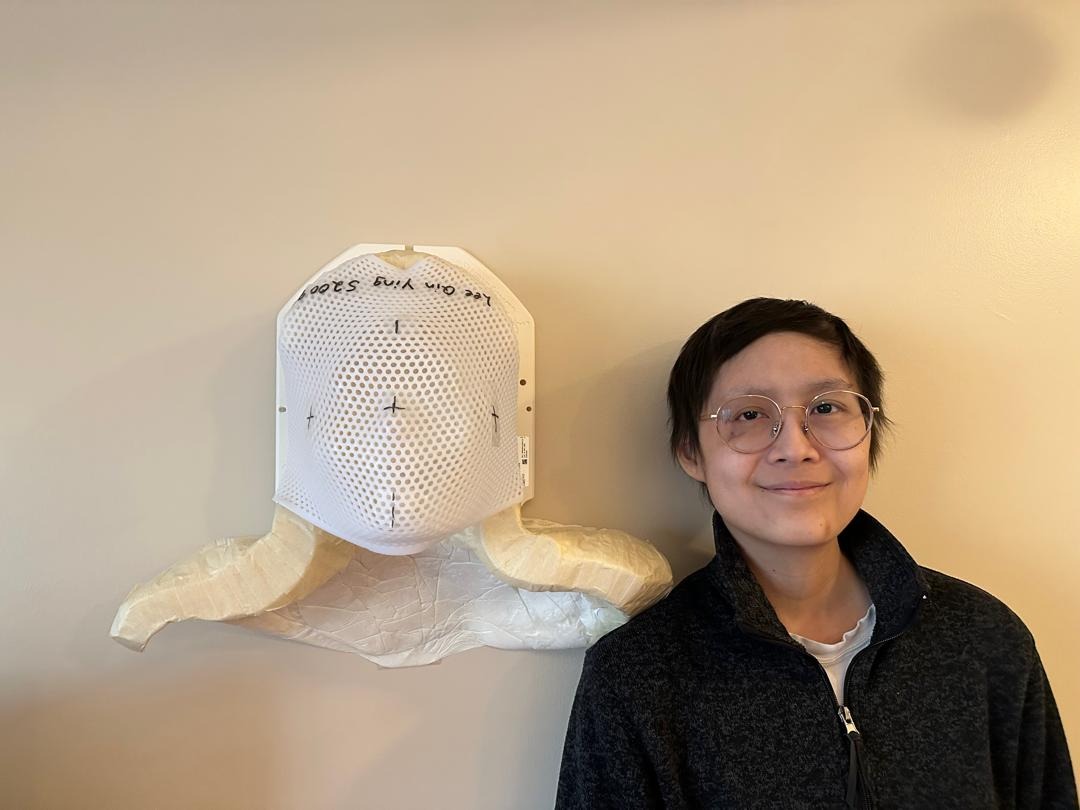
Three months after the transplant, a PET scan suggested either possible remaining cancer or inflammation around my right eye. To maximize my chances of remission, I underwent one month of radiation therapy in June 2025. By October 2025, my most recent CT scan finally showed a perfect result, with no sign of disease. During my last appointment, my oncologist quoted a 90% chance of reaching complete remission given my current condition. He further explained that if there is no relapse in three years, I am likely cured; and after five years without relapse, it will be considered complete remission.
Recovery is ongoing. To this date, my right eye still has restricted movement due to damage to the muscles and bone structure, and it will likely stay that way indefinitely. I also have a high risk of developing cataracts because of the radiation therapy. I am immunocompromised and cannot take live vaccines for 1–2 years, leaving me highly vulnerable to illnesses. Over the past year, my mother and I have been relying entirely on the support of our friends and family while I have been unable to work, and I will likely remain off work for a while, and these resources are nearly depleted. We are now seeking support to help me recover fully, cover ongoing medical and living expenses, and rebuild my life both mentally and financially.
What began as a single surgery turned into months of chemotherapy, a stem cell transplant, radiation, and years of recovery. Not many people know I also battled cancer at the age of nine. It felt like the childhood nightmare turned into reality again. At the end of the day, I am grateful to have made it through twice, and I am deeply thankful to everyone who has offered their help along the way—especially my mother and family, who have been there with me every single day.
Now, if you have read through it all, thank you, my friend, for reading my story. For those who know me, you will know I am not really a person who likes to share her personal life and ask for help. But deep down, I feel like it is a necessary stepping stone for me to face my life once again and create a new life. I have made it through so far, and I want to keep going. With your support, I can continue my recovery, regain stability, and rebuild my life after this long and challenging journey.
-Quinn