- C
- M
- D
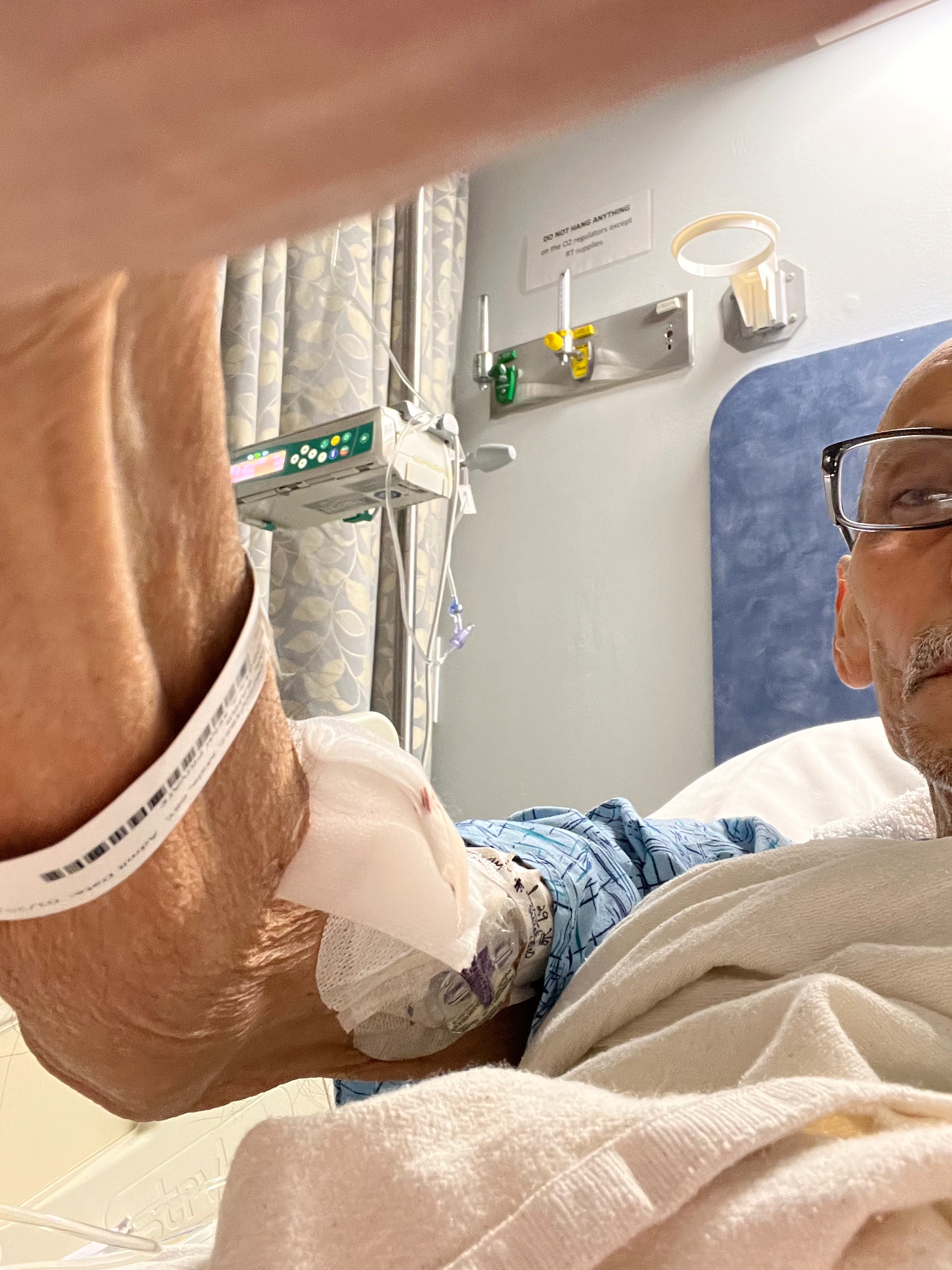
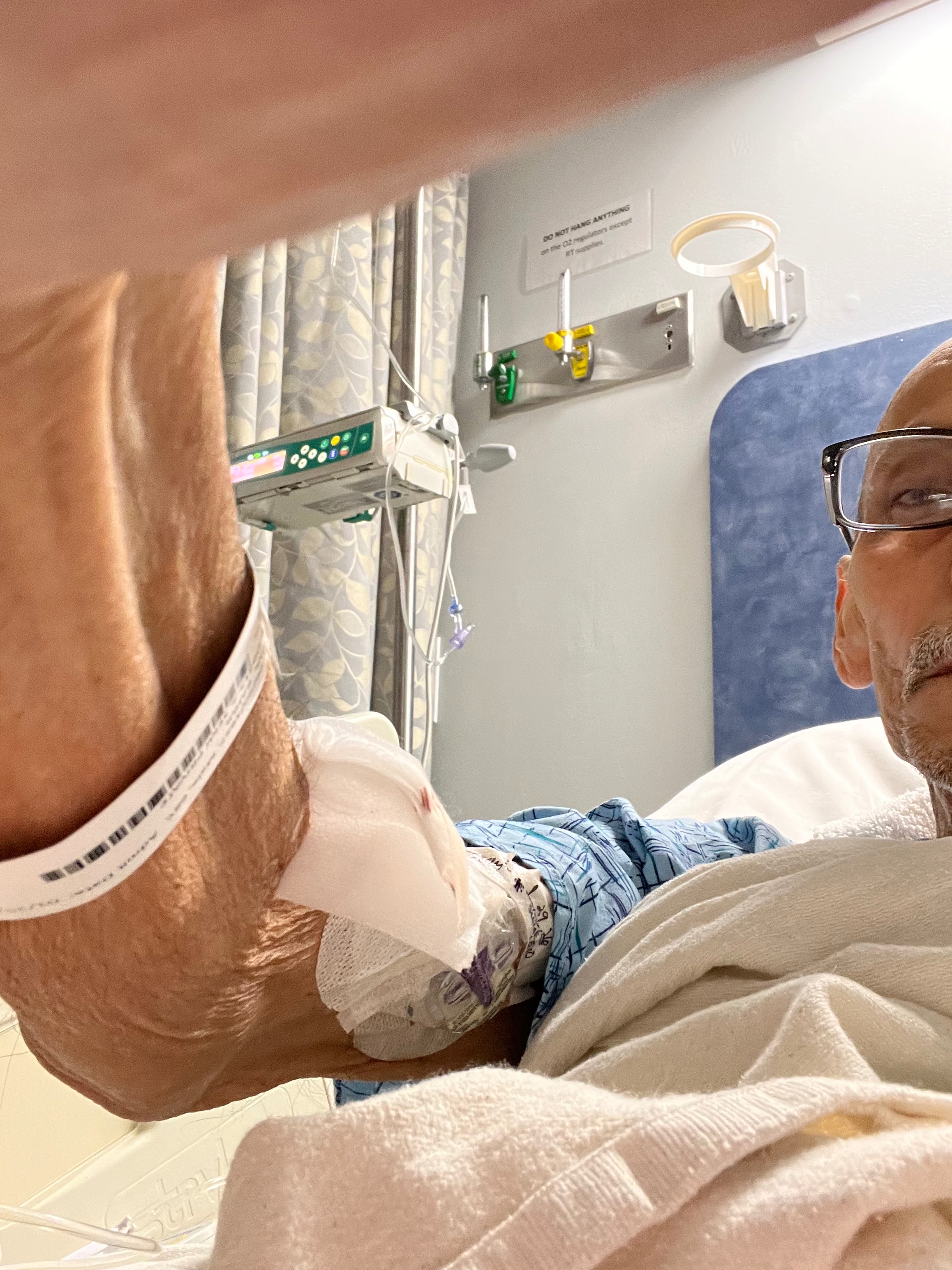
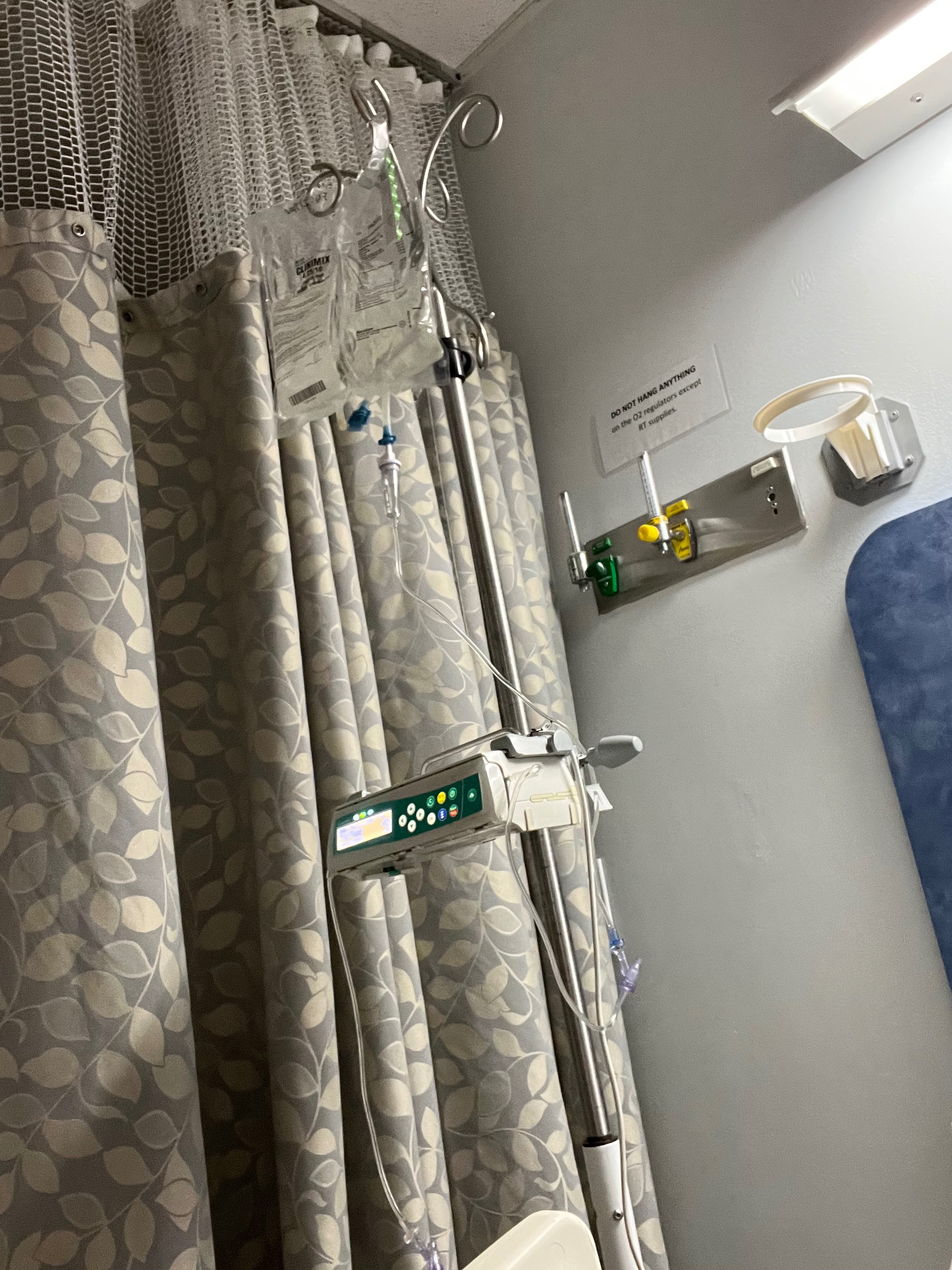
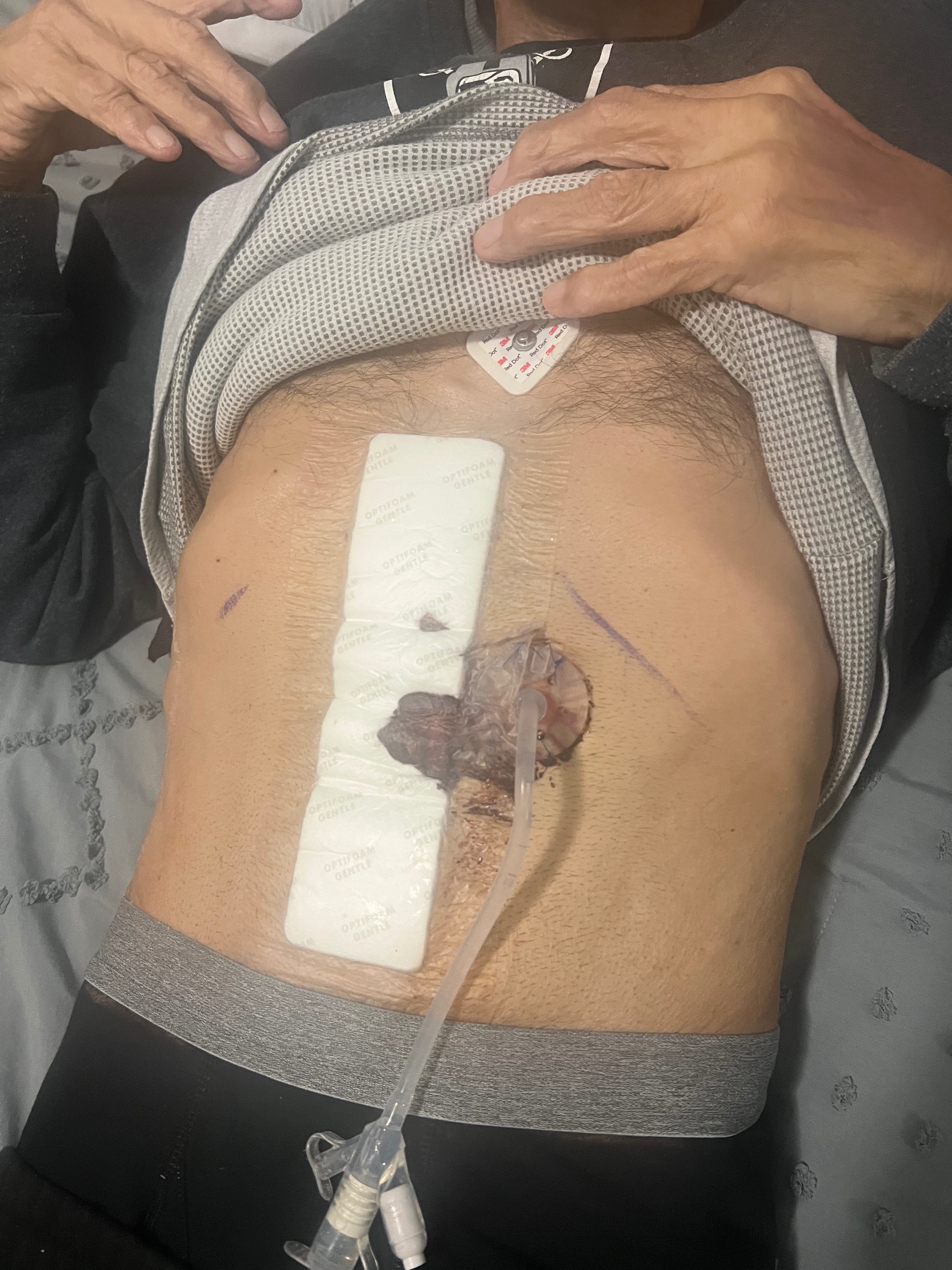
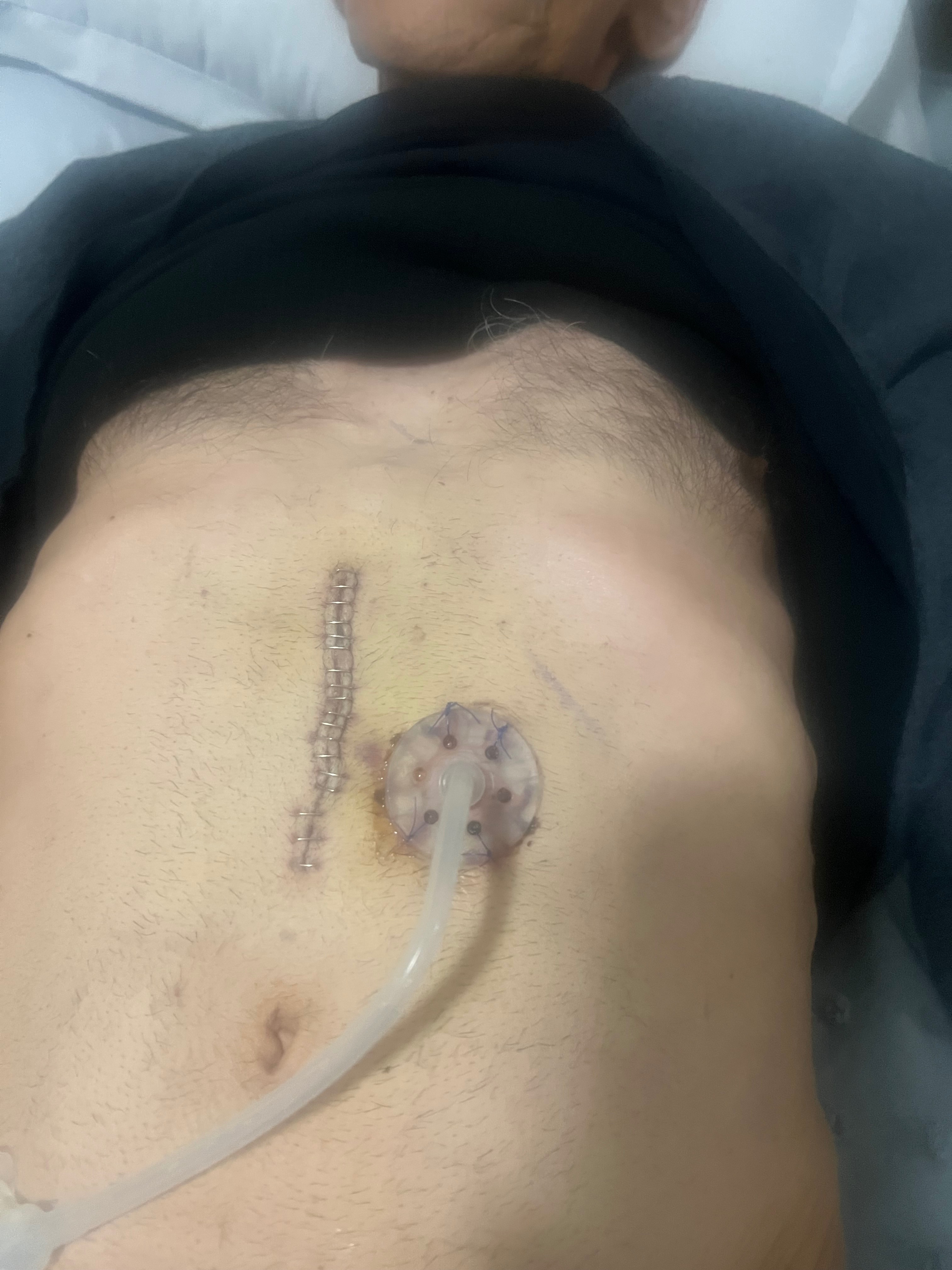
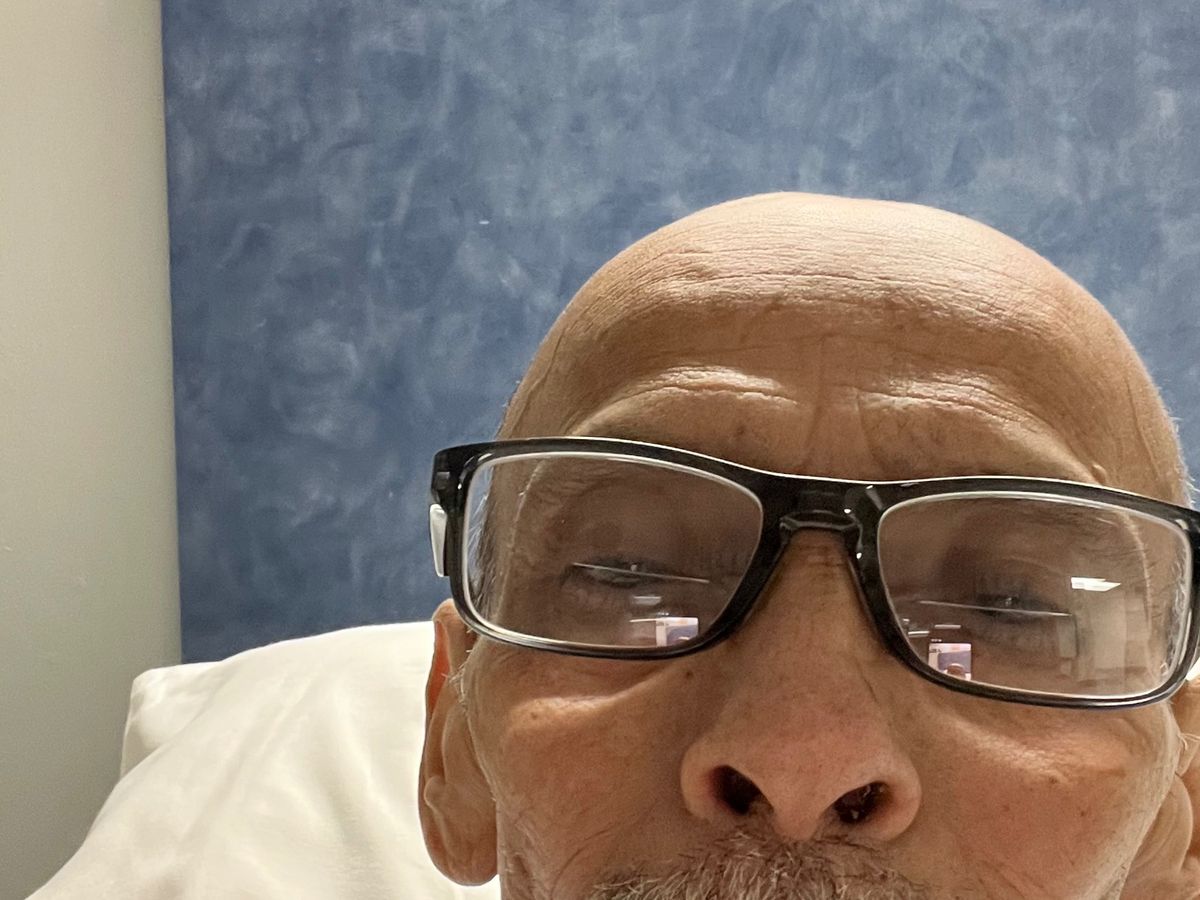
Hello to everyone and Family and Friends.
I am asking for financial support from each and every one of you, I have a battle of lifetime and I truly need your assistance and help in my time of need to survive, I have not had work in 8 months.
I went through my savings.
CAN you please support me financially
PLEASE ask your Family and friends if they can donate to my cause.
I had my appointment with ENT on February 5 had a biopsy and it came back cancerous.
I also have my appointment for my Vascular surgeon February 24th.
I had a feeding tube put in on January 28th and was in the hospital for 6 days I can’t swallow anything, I was down to 95 pounds but I gained 15 pounds back.
I have had several Cat Scans and I had a Pet Scan February 11th. My ENT Doctor is Jessica Tang MD at Loma Linda University Hospital, she will be performing my surgery laryngectomy to remove the cancer and reconstruct my throat.
I will be having Radiation Therapy or Chemotherapy after my surgery on March 17th
A lot on my mind but I’m ready to fight!
I really hate asking people for money but here I am.
Sincerely
Frank L. Lucero.
Love ❤️ you!
Here is my procedure/ Surgery schedule March 17th
WHAT IS A LARYNGECTOMY?
• A surgery to remove the voice box (also known as the larynx)
• The breathing passage or windpipe (also known as the trachea) is then brought to the surface of your neck
WHY DO I NEED A LARYNGECTOMY?
• Your surgeon will explain to you why you may need to have your voice box removed. The most common reasons for removal include:
• Cancer involving the voice box
• A non-functioning voice box in which you are unable to use your voice and/or eat safely without food going into your lungs (also termed aspiration). A laryngectomy for this specific indication may mean you already have a feeding tube through the stomach, and the goal of the surgery would be to be able to give you back your ability to eat by mouth safely.
HOW WILL I BREATHE AFTER A LARYNGECTOMY?
• A laryngectomy brings the breathing passage to the neck so that you will no longer breathe through your mouth and nose.
• The stoma is the term used for the hole in which the breathing passage is brought out into the neck.
HOW WILL I EAT AFTER A LARYNGECTOMY?
• Patients are able to swallow relatively normally after they recover from surgery. Most people return to eating a normal diet.
• However, immediately after your laryngectomy, you will not be able to eat by mouth for at least 7 days to allow you to heal.
• During this time, you will have a feeding tube which is placed during surgery. This tube, which can either be placed through the nose or through the belly, will be used to give you liquid nutrition while your body heals.
• The tube may be in for a short period or may need to stay in longer.
HOW WILL I SPEAK AFTER A LARYNGECTOMY?
• You will be able to speak after a laryngectomy, but it will not be with your normal voice. There are several options to help you speak after surgery.
• Electrolarynx
• This involves the use of an electronic battery-powered, hand-held device.
• This device creates vibrations that are passed either through the neck, cheek, or mouth (with a plastic tube) that allows you to move your mouth and throat to produce understandable speech.
• This is not always easy to learn at first, but many of our patients become better with practice.
• Some patients do not particularly like how the voice produced with this method sounds robotic and unnatural.
• You will get an electrolarynx during your hospital stay and a Speech Pathologist will teach you how to use it.
• Tracheoesophageal puncture (TEP)
• A tracheoesophageal puncture creates an opening between the windpipe (trachea) and food tube (esophagus) in which a one-way valve allows air to be directed from the trachea to the esophagus.
• In order to produce speech, the stoma must be covered with a finger or a
• Vibrations created in the throat and mouth are then shaped into intelligible speech
• This procedure can sometimes be done at the same time as the laryngectomy. Alternatively, some surgeons may prefer to do this at a later time depending on other factors that might affect wound healing.
• If you get a TEP at the time of surgery, you will not able to use it immediately. You would still use an electrolarynx during your hospital stay.
• Esophageal speech
• This method does not require any equipment.
• It involves swallowing air down your esophagus and belching out the air to create vibrations with which to form words.
• This method is more difficult to learn and is therefore less commonly used among our patients.
WHAT CAN I EXPECT IMMEDIATELY AFTER SURGERY?
•
•
•
In the early days after surgery, you may need to depend on non-verbal communication such as with pen/paper, Magic Slate, picture board, text-to-speech apps, and pointing/gesturing. These methods are slower than speaking and can be frustrating to use when you have to rely on them. Try to be patient during this time.
• You will also not be allowed to eat or drink anything by mouth for at least 7 days while you recover (this is detailed above).
• A speech language pathologist will help coach you throughout this process of communicating with different methods. Once you are allowed to eat by mouth, they may also help you with learning to swallow more effectively.
WHAT COMPLICATIONS CAN HAPPEN?
• Hematoma (blood collection)
• Bleeding is a possible complication after every surgery. The surgeon ensures that there is no active bleeding when the surgical incision is closed.
• This may manifest as an expansive swelling in the neck.
• Seroma
• A seroma is a fluid collection in the surgical site. A drain is usually placed in your neck in order to minimize the possibility of this occurring. If you have a seroma, this can usually be managed by removing the accumulated fluid with a needle.
• Salivary Leak
• About a week after surgery, we will make sure that you are able to swallow without having saliva or fluids leak from inside your throat into your neck. This will start with small sips of liquids and move slowly towards thicker substances if there is no leak.
• If you have a salivary leak, this can sometimes be detected by staining the fluids we have you drink and seeing if there is any colored fluids that come out of your neck drains.
• Sometimes, we may have you perform an x-ray while drinking a liquid with contrast in order to see if there is any leak into your neck.
• Other times, you may do well for some time, but a salivary leak may show up as neck swelling and possible infection.
• A salivary leak may also look like an opening in your neck skin which has saliva draining through it.
• If you have a salivary leak, we will most likely have you stop eating and drinking by mouth and have you fed through a feeding tube for some time.
• We may also open up your neck incision and pack it with gauze to help with healing from the inside out.
• Most cases can resolve on its own, though sometimes additional surgery is needed.
DOES THIS TREATMENT FOLLOW PUBLISHED GUIDELINES?
• Definitely. We follow the most updated guidelines provided by the National Comprehensive Cancer Network.
WHAT WILL I NEED TO DO TO PREPARE FOR SURGERY?
• Prior to surgery, we will have you meet with our Speech Language Pathologists who are excellent in helping you anticipate the new changes you will be experiencing with communication and eating following a laryngectomy.
• We can also arrange for you to meet with other patients who have previously undergone a laryngectomy prior to your surgery.
• During our preoperative teaching, we also make sure that you have the appropriate equipment set up at home in advance
• You will not be allowed to take in anything by mouth including water beginning the midnight prior to your surgery date.
• You may also be asked to stop some of your medications, and your doctor will let you know which ones.
• Your surgeon's office will be in touch about any labs and consultations that are required.
WILL I NEED GENERAL ANESTHESIA?
• Yes, this procedure requires general anesthesia
WHEN WILL I FIND OUT MY FINAL PATHOLOGY RESULTS?
• Your pathology results are available a week or two after surgery. We will discuss your results when they are available or at your postoperative visit.
HOW WILL I FEEL AFTER SURGERY?
• Be kind to yourself. Everyone experiences recovery at different rates and it is important to give yourself time to rest and recover. You may initially feel fatigued in the first couple weeks after surgery. Remember that a lot of the discomforts you experience initially are TEMPORARY and will improve with time.
HOW LONG WILL I BE IN THE HOSPITAL?
• You will likely be in the hospital for around 7 to 10 days after surgery. You may spend the first postoperative day in the ICU, but should be able to go to the floor the next day.
WHAT IS NORMAL AFTER SURGERY?
• Feeling like it is difficult to breathe. Breathing out of your neck is a completely new and foreign sensation. However, your airway is very safe with a laryngectomy as your lungs are not far from the opening in your neck.
• There may be some mild swelling, redness, or “puffiness” around the incision.
• Pain is very normal after surgery. The goal is not to eliminate your pain completely, but to reduce it to manageable levels.
• Many of these symptoms may last for several weeks but will eventually improve with time.
•
HOW WILL I SHOWER? WHAT ABOUT SWIMMING?
• You can shower the next day after surgery, but keep your wound dry, and make sure water does not enter your stoma. Pat the wound dry and do not rub your wound. You will be given a shower shield in the hospital to protect your stoma while showering.
• Swimming or submerging yourself underwater can be dangerous. Any water that enters the lungs can cause serious complications such as pneumonias (lung infections).
HOW DO I CARE FOR MY WOUND?
• You may have stitches with long tails along the edge of your stoma. These can become crusted. Make sure to apply bacitracin ointment, Vaseline, or Aquaphor along your stitches twice a day until they are removed.
• Keep the head of your bed elevated with pillows when you sleep (at least 30 to 45 degrees). This will help with reducing swelling.
• Drains:
• There usually will be a drain placed in the neck to evacuate blood and fluid in the wound after surgery. If you are discharged with a drain, then you will need to empty and measure the fluid amount every 12 hours and record it.
• You will be instructed to call a nurse to have your drain removed once the 24 hours output is minimal (typically < 25 cc). This will be included in your discharge instructions.
WHEN DO I NEED TO SEE THE DOCTOR AFTER SURGERY?
• Make an appointment to see your surgeon about 2-3 weeks after your surgery.
• If you have sutures, they need to be removed at about 1 to 2 weeks following surgery.
WILL I REQUIRE ADDITIONAL TREATMENT FOLLOWING SURGERY?
• There is a possibility you may need additional treatment such as radiation therapy or chemotherapy after surgery depending on your surgical pathology. You will be referred to a radiation oncologist and a medical oncologist if additional therapy is needed.
• You will also need additional follow up to monitor for any recurrent disease.
HOW WILL I BE SURE THAT I HAVE EVERYTHING I NEED IN ANTICIPATION FOR DISCHARGE?
• If you are going home with a feeding tube, you and your family/loved one will be taught how to care for this tube and how to give yourself tube feedings.
• Before you are discharged, you and your family will receive all the instructions needed to care for your laryngectomy at home. It will be important for you to suction yourself in the hospital so that you will feel comfortable suctioning at home. We will go over all these instructions during your preoperative teaching.
• You will need equipment and supplies to care for your airway at home. Prior to your discharge from the hospital, your team will coordinate getting you the necessary supplies and equipment. The necessary supplies include a portable suction machine, suction catheters, sterile saline, and supplies to clean your stoma. They will arrange for you to have a DME (durable medical equipment) company that will provide you with your supplies. Your speech pathologist will work with you on getting the correct products you will need as well during your preoperative visit.
HOW WILL I TAKE CARE OF MYSELF WITH A LARYNGECTOMY ONCE I LEAVE THE HOSPITAL?
• Mucus is made by the airway. It is normal and expected. Before your surgery, you cleared mucus from your nose and mouth. After the surgery, mucus will come out through your stoma (hole).
• Anytime you hear or feel mucus rattling in the airway, you must do something to clear it to prevent a mucus plug from blocking the airway and stopping your breathing.
• To clear the mucus, bend forward and cough. If you are unable to clear your airway, squirt sterile normal saline into the stoma to help clear the mucus and cough again. Then you will need to suction.
• Suction
1. Wash your hands and open the suction kit.
2. Disconnect the Yankauer (blue) suction tip from the suction tubing.
3. Turn on the suction machine.
4. Put on your gloves.
5. Open the suction catheter and attach it to the suction machine.
6. Test the set-up by dipping the end into a cup of saline/water and covering the suction port.
7. Insert saline into the stoma.
8. Breathe in deeply and cough.
9. Insert the suction tube catheter (suction port open) into the stoma until you start to cough.
10. Breathe out and try to cough
11. Pull the mucus out of your airway by:
• Covering the suction port with your thumb.
• Rotate the catheter in a circle-like motion to reach all areas inside the trachea while
• Slowly pulling out the catheter.
• Catch your breath.
12. Repeat steps a - d if needed to clear the airway of any extra mucus.
13. Clear the suction catheter of mucus by pulling saline up through it until it is clear.
14. Wash your hands after you are done.
• Your DME company will send out 90 catheters per month, so if you use more than 3 catheters per day, you will need to clean one of the catheters to last you that day. They will also send out one cleaning kit per day, so clean the kit between uses for that day.
WHAT IF THERE IS AN EMERGENCY AT HOME?
• Until you are able to speak, you might want to keep a tape-recorded message by the telephone that says “Please send an ambulance immediately to (your address). I have had surgery and cannot speak. This is a tape-recorded message. My phone number is (your number)”. Repeat the message.
• By doing this, you will have a way of asking for help when calling 911. You will also want to let your local rescue squads know about your condition for their records.
HOW CAN I BE SAFE WITH MY NEW AIRWAY AT HOME?
• No smoking!
• No swimming!
• Cover your stoma in the shower.
• Cover your stoma during shaving and haircuts, when you are around dust, soot, smoke, insects or people with colds.
• Make sure your smoke alarm is working. Your sense of smell may be decreased and you might not smell smoke or a gas leak.
We encourage you to sign up for Epic MyChart in order to communicate with your team after surgery with any questions/concerns.
ARE THERE OTHER RESOURCES OR SUPPORT GROUPS OUTSIDE OF THE HOSPITAL?
• The American Cancer Society (ACS) (1-800-422-6237) can be a source of information and some financial support (for short term needs related to cancer treatment and rehabilitation). It sponsors support groups such as “I Can Cope” groups and laryngectomee groups. It also sponsors housing (Hope Lodge) for people with cancer and their families that may be available at no cost while the patient is undergoing treatment.
• Support for People with Oral and Head and Neck Cancer (SPOHNC) is a national group with a local chapter for people with all types of head and neck cancers. Many of the participants have had the total laryngectomy surgery. For more information: spohnc.org.
Organizer