- C
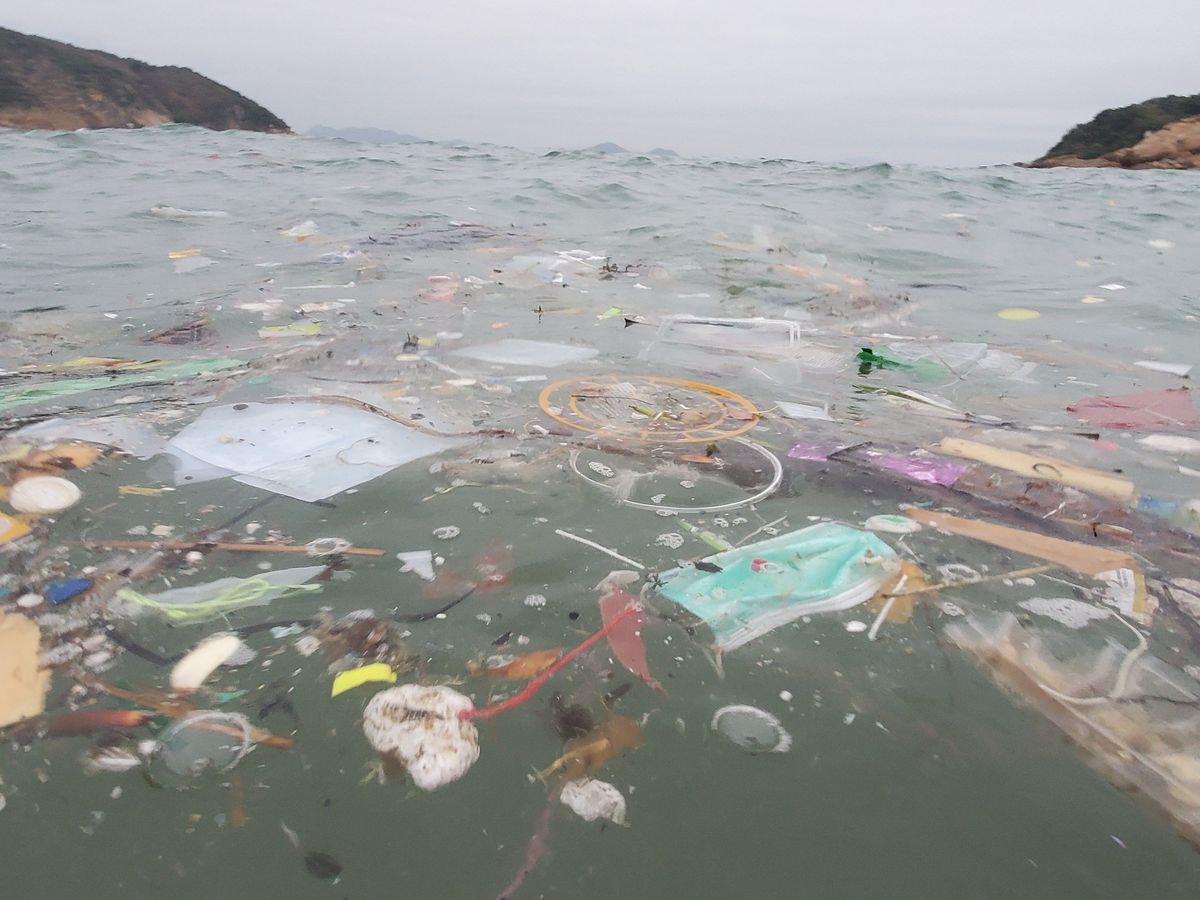
After a long day of online classes as a student in high school, I needed to take some time away from the computer. Hopping into the car with my mother, we decided to drive to a plaza for a quick break. In the parking lot, something light blue caught my eyes. It took me a moment to realize that it was actually a mask. As I looked around, there were more than thirty disposable masks lying on the sidewalks and in the bushes next to the parking lot, which reminded me of a specific report from OceansAsia about how scattered masks around the world ended up in the ocean, putting marine life in danger.
I didn’t end up going into any stores. Instead, I asked my mom to drive around to see if there were more masks. To my dismay, my suspicions were confirmed, as there were littering masks all over the place, including on school driveway, as well as inside and outside of the football field. I felt a sickening feeling in my stomach thinking about all the marine life that is currently being harmed by the floating masks in the ocean.
As a human being who lives on this beautiful planet, I know I have to do my part in order to raise awareness of the rising pollution in the ocean caused by the severe consequences of disposable COVID-19 masks. The very same masks that have been used to protect ourselves. Together, we can bring this issue the attention it deserves.
Facts about masks pollution
Based on the report by OceansAsia: “Masks on the Beach: The impact of COVID-19 on marine plastic pollution.”( https://oceansasia.org/wp-content/uploads/2020/12/Marine-Plastic-Pollution-FINAL-1.pdf)
- The number of masks entering the environment on a monthly basis as a result of the COVID-19 pandemic is staggering. From a global production projection of 52 billion masks for 2020, we estimate that 1.56 billion masks will enter our oceans in 2020, amounting to between 4,680 and 6,240 metric tonnes of plastic pollution.
- These masks will take as long as 450 years to break down and all the while serve as a source of micro plastic and negatively impact marine wildlife and ecosystems. Micro-plastics are being found inside fish that are destined for human consumption.
A new study estimates that 173,000 microfibers/day are released from a mask from UV light and movement (https://www.sciencedirect.com/science/article/pii/S2666765721000132).
- Disposable face masks are made from a variety of melt blown plastics and are difficult to recycle due to both composition and risk of contamination and infection. They enter oceans when they are littered, when waste management systems are inadequate or non-existent, or when these systems become overwhelmed due to increased volumes of waste. (OceansAsia.org)
- The design of face masks, and particularly the elastics that go around ears, makes them a possible entanglement risk for wildlife.
- The composition of masks may make them more prone to algal growth as compared to smoother surfaced marine plastics. As a result, this would result in an increase in the possibility of masks, or portions of masks, being mistaken as food and consumed by marine wildlife. Most notably sea turtles, according to recent studies in the impact of algal growth on sea turtle consumption of marine plastic.
About OceansAsia
OceansAsia is a marine conservation organization, based out of Hong Kong, which uses research and investigation to help protect marine wildlife and ecosystems. OceansAsia works on a wide range of issues, including illegal fishing, wildlife crime, and marine plastic pollution. Soon after COVID-19 spread through the whole world, they captured serious problems caused by this pandemic. They acted quickly, being one of the first to break the global story about marine plastic pollution and PPE from COVID-19, and have been working extensively to raise awareness of the impacts of marine plastic pollution.
- First post at the end of February 2020 regarding the findings of single-use face masks washing up on the remote Sokos Islands in Hong Kong, which caused attention globally, has had over 7,000 + individual news articles written in different languages, featured on major news networks such as BBC, Reuters, ABC
(Sokos Islands located on the western edge of Hong Kong is as far away from downtown Hong Kong as you can get. The isolation of these islands make it a perfect candidate for the research as the beaches have generations of marine debris build up that is rarely cleaned up. – OceansAsia.com)
- The research team, led by Dr. Teale Phelps Bondaroff, spent more than 6 months to write the very first thorough report regarding the Marine Plastic pollution caused by PPE or masks from the pandemic.
You can read the whole report here: https://oceansasia.org/wp-content/uploads/2020/12/Marine-Plastic-Pollution-FINAL-1.pdf
OceansAsia has been featured on BBC, NY Times, Reuters, the Guardian, etc.
https://www.bbc.com/news/av/science-environment-53287940
https://www.nytimes.com/2020/07/25/climate/covid-masks-discarded.html
https://www.reuters.com/article/us-health-coronavirus-hongkong-environme/discarded-coronavirus-masks-clutter-hong-kongs-beaches-trails-idUSKBN20Z0PP
https://www.theguardian.com/environment/2020/jun/08/more-masks-than-jellyfish-coronavirus-waste-ends-up-in-ocean
Purpose of the fundraiser
This fundraiser is set to support OceansAsia’s ongoing research and advocacies for the COVID-19 PPE pollution, that has accelerated the plastic pollution worldwide.
OceansAsia’s plan is as described below:
In order to further investigate the situation, the team members and volunteers in OceansAsia are continuing regular visits to the beaches in Sokos Island, where they take aerial shots to monitor plastic accumulation and gather micro plastic samples. In addition, they are planning to launch a full clean up this summer. The whole beach clean-up would give a baseline from which to measure accumulation. OceansAsia will also measure and count the types and measure the sizes of plastic recovered from the cleanup. Afterwards, they will monitor the beach on a regular basis and conduct a visual survey, which will include some aerial shots as well.
The research team will write another public report about the output, it will do the following:
- Educate and increase awareness around specific types of marine plastic pollution, especially PPE from the pandemic, leading to behavior change among members of the public globally
- Allow for targeted campaigning/lobbying of government around specific types of plastic, urging them to adopt policies to reduce the production or improve waste supply chains for that specific type of plastic
- In addition, allow for targeted lobbying of companies producing the plastic.
‘There are no international borders for ocean trash.’ Please join me and take action. Any donation will be truly appreciated. Even though you don’t donate right now, please share this campaign with your friends, family, and colleagues on social media to spread the words.
100% of all the donations here will go to OceansAsia Organization.
Together, we can make a better world after COVID – 19. Thank you!
Organizer and beneficiary
Oceans Asia
Beneficiary