- A
- M
JEREMY WALDORF CANCER TREATMENT
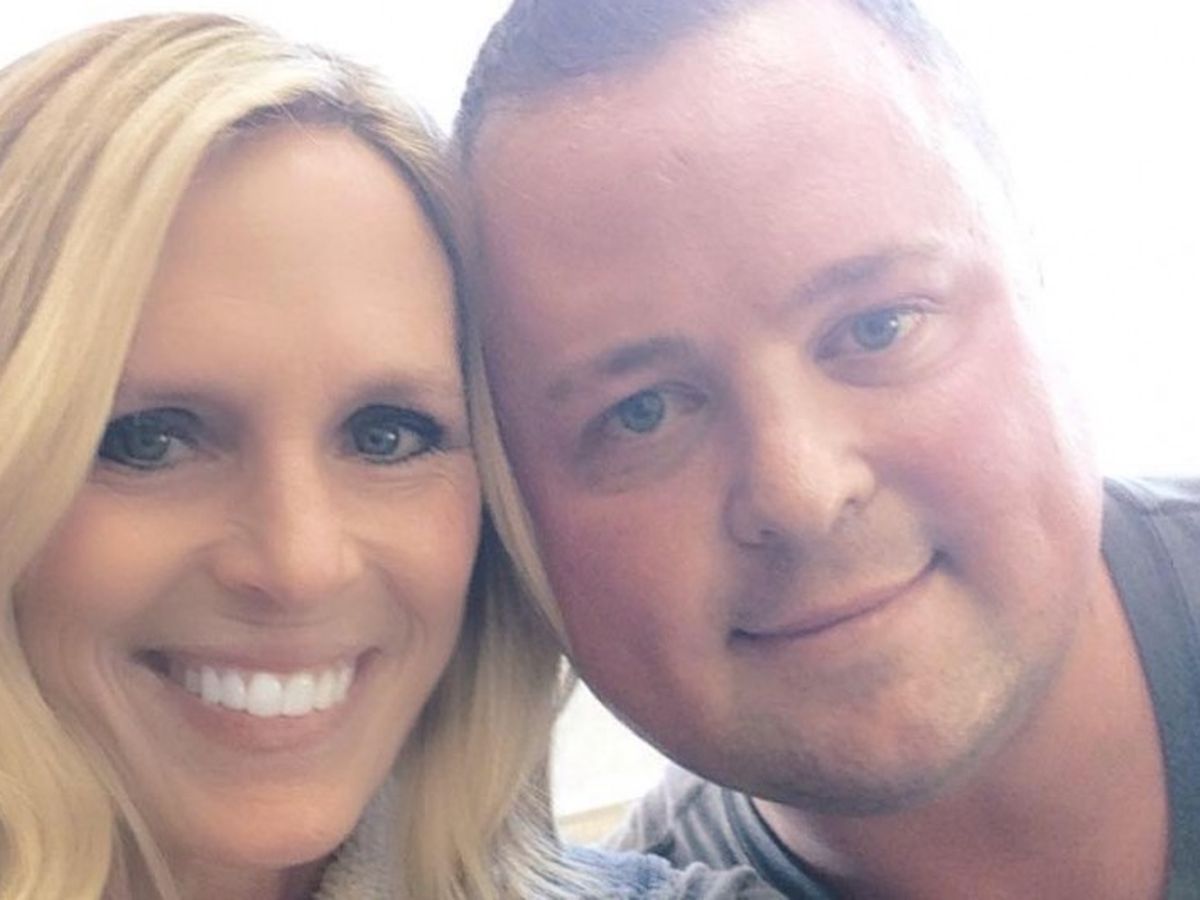
Just weeks before his 34th birthday, several small seizures sent Jeremy Waldorf to the emergency room at Medical City in Dallas, where he discovered he had a large brain tumor. A week and a half later, he underwent awake craniotomy surgery at OU Medical Center to remove as much of the tumor as possible. Now he is preparing to undergo an aggressive schedule of radiation and chemotherapy aimed at killing any remaining cancer cells. Many have blessed Jeremy and his wife, Kimberly Wells Waldorf, with both their prayers and their presence. The bills, however, are just now beginning to mount, and any additional financial support you could provide would assist them greatly.
MEET JEREMY
Jeremy was born and raised in Bartlesville, Oklahoma, where his parents, Gene and Jan Waldorf, still reside. He and his older brothers, Justin and Tim, all attended Bartlesville High School, where Jeremy excelled at football and track, and graduated in 2001.
Jeremy went on to attend college and play football at Southeastern Oklahoma State University in Durant, Oklahoma. There, he met his wife, Kim, and her three grown sons—Justin, Spencer, and Hunter. They have been married for seven years. They now live together in Dallas, where he works as a safety director for Chamberlin Roofing and Waterproofing, and she works for Aetna as a RN case manager.
THE SURGERY
It was long--it took seven hours-- and it was tough--it was an insular glioma, which are normally considered inoperable tumors because they are so intertwined with arteries, vital parts of the brain, etc. Only 10 surgeons in the world do this surgery; Jeremy just happened to be high school buddies with one of them: Dr. Michael Sughrue. The tumor was huge, and, contrary to what Jeremy was initially told, the surgeon said that had he not removed it now, Jeremy likely wouldn't have lasted two more weeks, as it was beginning to push on his brain stem, which controls consciousness. At that point, it would probably have killed him.
The tumor was initially diagnosed as a Stage 2 glioma, meaning it wasn't considered aggressive. However, the swelling (and subsequent pain) he suffered the week prior to the surgery made his doctors fear that it may be more aggressive than originally diagnosed. Because of that concern, though, Dr. Sughrue was ultra-aggressive in his approach. He said he removed “three fistfuls” of brain. In addition to being a huge tumor, it was also an old one. The surgeon said Jeremy's brain had actually adapted to the tumor by rerouting its speech functions.
Still, even though he was aggressive, the surgeon estimates he was only able to remove almost 90 percent of the tumor. It was just so intertwined with Jeremy's arteries and the speech functions of his brain that he couldn't push any further.
THE RESULTS
Jeremy will have to go through anywhere from several weeks to several months of therapy to regain some speech abilities he lost due to the surgery, and he is already hard at work, teaching himself to speak and read like he did before the surgery. Dr. Sughrue’s philosophy, though, is that he prefers speech therapy as a result of aggressive surgery to the other more dire alternatives that can result from a more passive approach.
Even with this aggressive approach, roughly 10 percent of the tumor remains. Biopsies conducted during that surgery indicate that, contrary to the original diagnosis, the tumor is a Grade 4 glioblastoma, which means it is one of the most aggressive and infiltrative forms of brain cancer one can encounter.
THE FUTURE
On Monday, December 7, Jeremy and Kim will return to OU Medical Center, where Jeremy will begin an aggressive schedule of radiation and chemotherapy: five days a week for six weeks.
The median life expectancy for those diagnosed with a Stage 4 glioblastoma is two years. However, the biopsy showed that Jeremy’s tumor also contained a genetic marker that indicates he will likely be more receptive to radiation and chemotherapy treatments than other patients. This is good news, as it opens up more options for treating this cancer, including the possibility of participating in clinical trials. In fact, the life expectancy for those with this genetic marker is on average extended by an extra year.
Jeremy is also very young, ridiculously strong, and incredibly determined to win this battle. In addition to his work to regain his reading and speaking abilities, he has already overhauled his diet to align with the nutritional guidelines that give him the best odds of beating this brain tumor.
THE COST
The bills are just beginning to come in, so there is not yet a total cost to share with you. Already, though, we know that Kim will be without a paycheck for at least six weeks as Jeremy undergoes his first treatment, and they will incur additional costs associated with this short-term move from Dallas to Oklahoma City for this first six-week period.
They are, however, blessed with amazing family and friends who have supported them from the onset with their prayers and their presence. Any continued support that you could provide them in terms of financial assistance would be greatly appreciated.
Just weeks before his 34th birthday, several small seizures sent Jeremy Waldorf to the emergency room at Medical City in Dallas, where he discovered he had a large brain tumor. A week and a half later, he underwent awake craniotomy surgery at OU Medical Center to remove as much of the tumor as possible. Now he is preparing to undergo an aggressive schedule of radiation and chemotherapy aimed at killing any remaining cancer cells. Many have blessed Jeremy and his wife, Kimberly Wells Waldorf, with both their prayers and their presence. The bills, however, are just now beginning to mount, and any additional financial support you could provide would assist them greatly.
MEET JEREMY
Jeremy was born and raised in Bartlesville, Oklahoma, where his parents, Gene and Jan Waldorf, still reside. He and his older brothers, Justin and Tim, all attended Bartlesville High School, where Jeremy excelled at football and track, and graduated in 2001.
Jeremy went on to attend college and play football at Southeastern Oklahoma State University in Durant, Oklahoma. There, he met his wife, Kim, and her three grown sons—Justin, Spencer, and Hunter. They have been married for seven years. They now live together in Dallas, where he works as a safety director for Chamberlin Roofing and Waterproofing, and she works for Aetna as a RN case manager.
THE SURGERY
It was long--it took seven hours-- and it was tough--it was an insular glioma, which are normally considered inoperable tumors because they are so intertwined with arteries, vital parts of the brain, etc. Only 10 surgeons in the world do this surgery; Jeremy just happened to be high school buddies with one of them: Dr. Michael Sughrue. The tumor was huge, and, contrary to what Jeremy was initially told, the surgeon said that had he not removed it now, Jeremy likely wouldn't have lasted two more weeks, as it was beginning to push on his brain stem, which controls consciousness. At that point, it would probably have killed him.
The tumor was initially diagnosed as a Stage 2 glioma, meaning it wasn't considered aggressive. However, the swelling (and subsequent pain) he suffered the week prior to the surgery made his doctors fear that it may be more aggressive than originally diagnosed. Because of that concern, though, Dr. Sughrue was ultra-aggressive in his approach. He said he removed “three fistfuls” of brain. In addition to being a huge tumor, it was also an old one. The surgeon said Jeremy's brain had actually adapted to the tumor by rerouting its speech functions.
Still, even though he was aggressive, the surgeon estimates he was only able to remove almost 90 percent of the tumor. It was just so intertwined with Jeremy's arteries and the speech functions of his brain that he couldn't push any further.
THE RESULTS
Jeremy will have to go through anywhere from several weeks to several months of therapy to regain some speech abilities he lost due to the surgery, and he is already hard at work, teaching himself to speak and read like he did before the surgery. Dr. Sughrue’s philosophy, though, is that he prefers speech therapy as a result of aggressive surgery to the other more dire alternatives that can result from a more passive approach.
Even with this aggressive approach, roughly 10 percent of the tumor remains. Biopsies conducted during that surgery indicate that, contrary to the original diagnosis, the tumor is a Grade 4 glioblastoma, which means it is one of the most aggressive and infiltrative forms of brain cancer one can encounter.
THE FUTURE
On Monday, December 7, Jeremy and Kim will return to OU Medical Center, where Jeremy will begin an aggressive schedule of radiation and chemotherapy: five days a week for six weeks.
The median life expectancy for those diagnosed with a Stage 4 glioblastoma is two years. However, the biopsy showed that Jeremy’s tumor also contained a genetic marker that indicates he will likely be more receptive to radiation and chemotherapy treatments than other patients. This is good news, as it opens up more options for treating this cancer, including the possibility of participating in clinical trials. In fact, the life expectancy for those with this genetic marker is on average extended by an extra year.
Jeremy is also very young, ridiculously strong, and incredibly determined to win this battle. In addition to his work to regain his reading and speaking abilities, he has already overhauled his diet to align with the nutritional guidelines that give him the best odds of beating this brain tumor.
THE COST
The bills are just beginning to come in, so there is not yet a total cost to share with you. Already, though, we know that Kim will be without a paycheck for at least six weeks as Jeremy undergoes his first treatment, and they will incur additional costs associated with this short-term move from Dallas to Oklahoma City for this first six-week period.
They are, however, blessed with amazing family and friends who have supported them from the onset with their prayers and their presence. Any continued support that you could provide them in terms of financial assistance would be greatly appreciated.
Organizer and beneficiary
kimberly waldorf
Beneficiary