Help Fund 3D Bio-Printed Nasal Cartilage Research & Clinical Trials
Restoring What Was Lost. Advancing Medicine. Giving Hope Back.
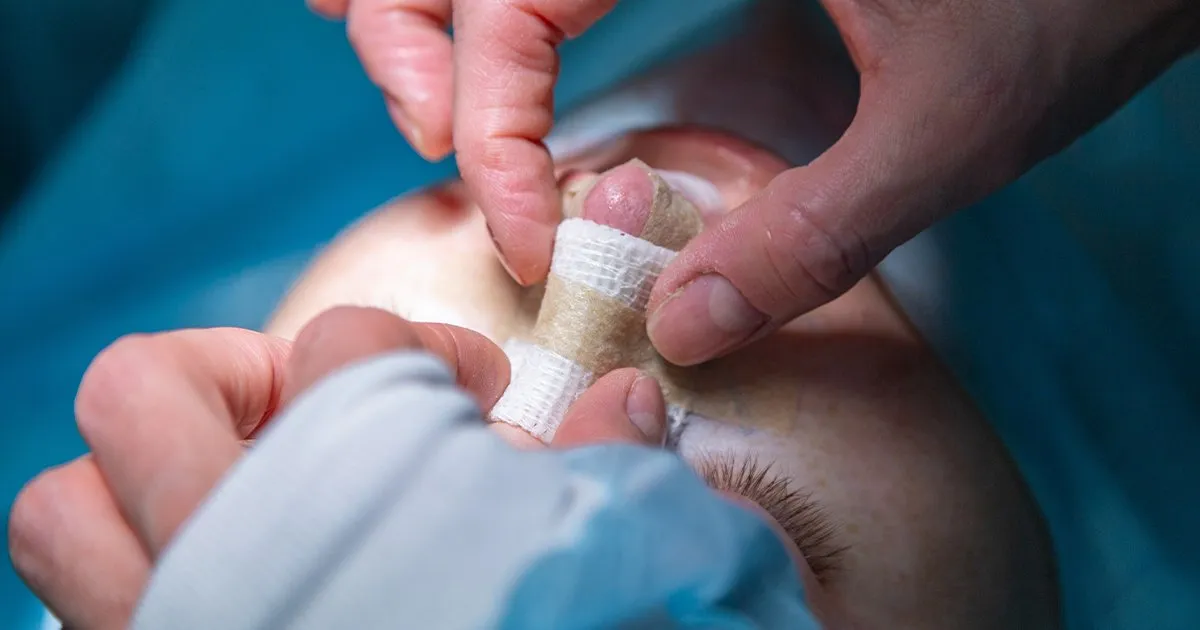
For many people, nasal surgery is approached with trust—trust in a surgeon, trust in medical expertise, and trust that the structure and function of the nose will be preserved. Unfortunately, for thousands of patients, that trust has been broken.
Across the world, individuals have undergone septoplasties and other nasal surgeries that resulted in significant, irreversible cartilage loss. In many cases, this happened because of a fundamental lack of respect for—and understanding of—the complex anatomy of the nose. The nose is not a simple structure. Its cartilage is not interchangeable or expendable. Each region serves a specific role in breathing, support, appearance, and long-term stability.
When too much cartilage is removed or improperly altered, the consequences can be devastating:
Chronic breathing difficulties
Structural collapse
Facial disfigurement
Pain, pressure, and loss of normal sensation
Emotional and psychological trauma
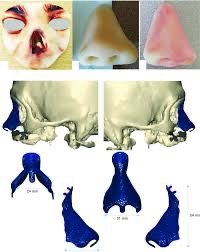
Current reconstructive options—such as rib or ear cartilage grafts—are imperfect substitutes. They often come with additional surgeries, donor-site pain, stiffness, warping, and results that never truly feel or function like a natural nose.
For many patients, the message has been heartbreaking: “There’s nothing more we can do.”
But that may be changing.
Why We Are Raising This Money
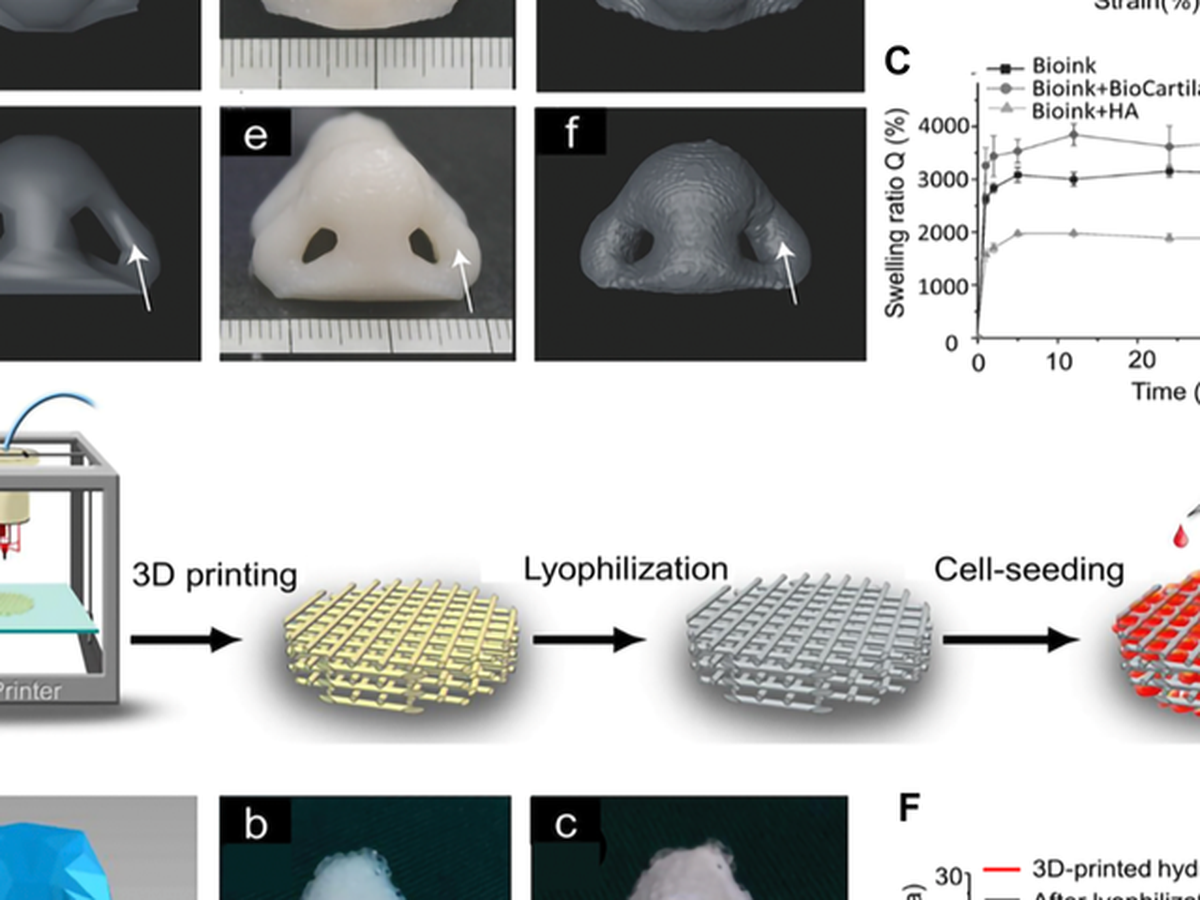
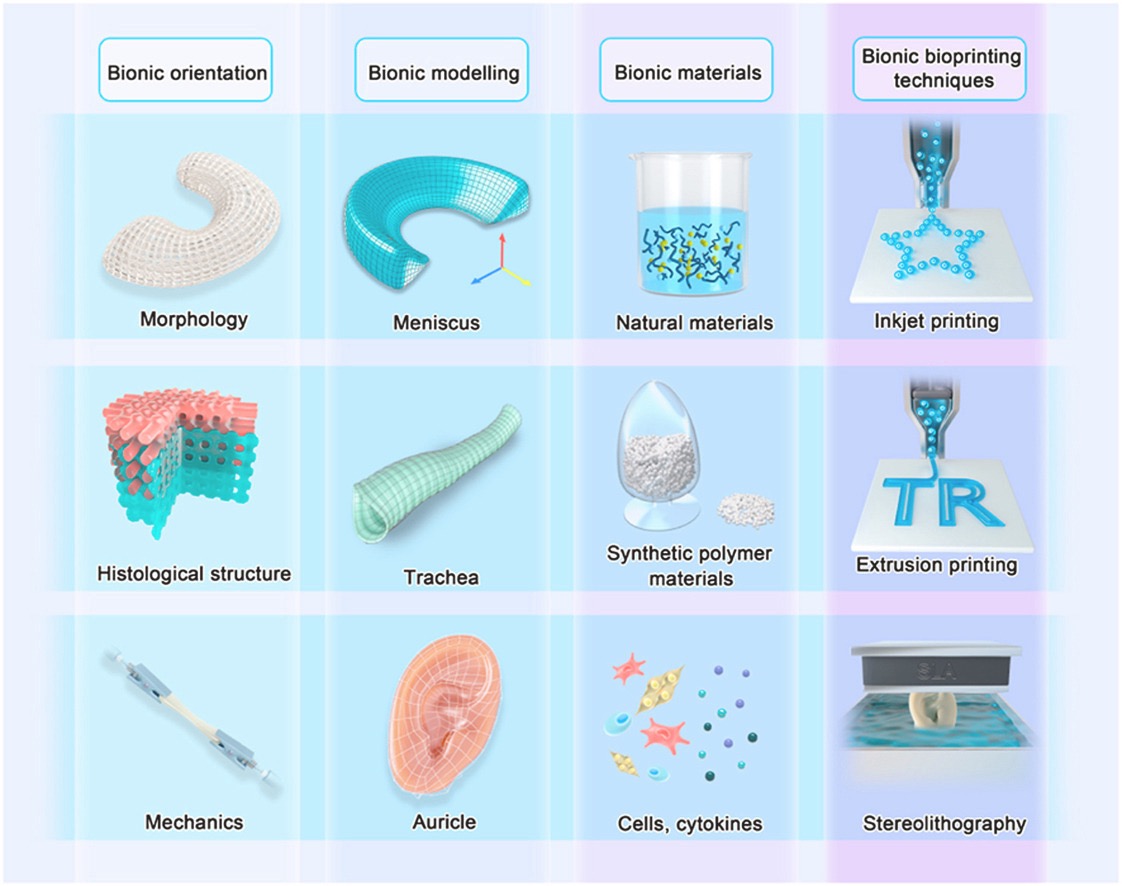
We are raising funds to support clinical research into 3D bio-printed, bio-engineered nasal cartilage—a groundbreaking regenerative medicine approach that has the potential to restore what was lost, rather than merely compensate for it.
This technology aims to:
Create living cartilage using a patient’s own cells
Custom-shape grafts to match the precise anatomy needed (tip, dorsum, columella, septum)
Integrate naturally into the body
Reduce or eliminate the need for rib or ear harvesting
Improve both function and appearance
This is not science fiction. This work is already happening in research settings.
How This Came to Be
This fundraising effort began because patients—many of whom have suffered similar outcomes—found one another and realized something powerful: we are not alone, and we are not powerless.
Instead of accepting that this damage is “just the way it is,” we began reaching out to researchers and surgeons working at the forefront of regenerative medicine. Through these efforts, we have connected with leading experts at University of Swansea in Wales, UK. Their efforts have lead to the founding of https://reconregen.co.uk where this technology is now becoming a reality.
Their research demonstrates that it may be possible to engineer high-quality, living nasal cartilage suitable for reconstructive surgery.
The missing piece is not the science—it is the funding required to move from the lab to human clinical trials.
What Your Donation Will Support
Funds raised through this campaign will be directed toward:
Supporting a clinical study on 3D bio-printed nasal cartilage
Advancing regulatory steps required to bring this technology to patients
Helping researchers and surgeons translate years of lab work into real-world treatment
Laying the foundation for broader public access to regenerative nasal reconstruction
This is a critical step in making this technology available beyond research institutions and into the hands of surgeons who can help patients worldwide.
Why This Matters
This effort is about more than noses.
It is about:
Accountability in medicine
Acknowledging harm caused by inadequate anatomical understanding
Offering patients dignity, validation, and hope
Ensuring future patients never hear, “We took too much, and there’s no way to replace it.”
Regenerative medicine has the power to change the standard of care—to move from removal and replacement to restoration and healing.
Our Hope
Our hope is that no patient will ever again be told that their loss is permanent simply because medicine hasn’t caught up yet.
With your help, we can push this research forward, fund the clinical studies needed, and bring a life-changing solution one step closer to the people who need it most.
Thank you for believing in this work.
Thank you for supporting science, accountability, and hope.
Together, we can help restore what was lost.