- A
- s
- A
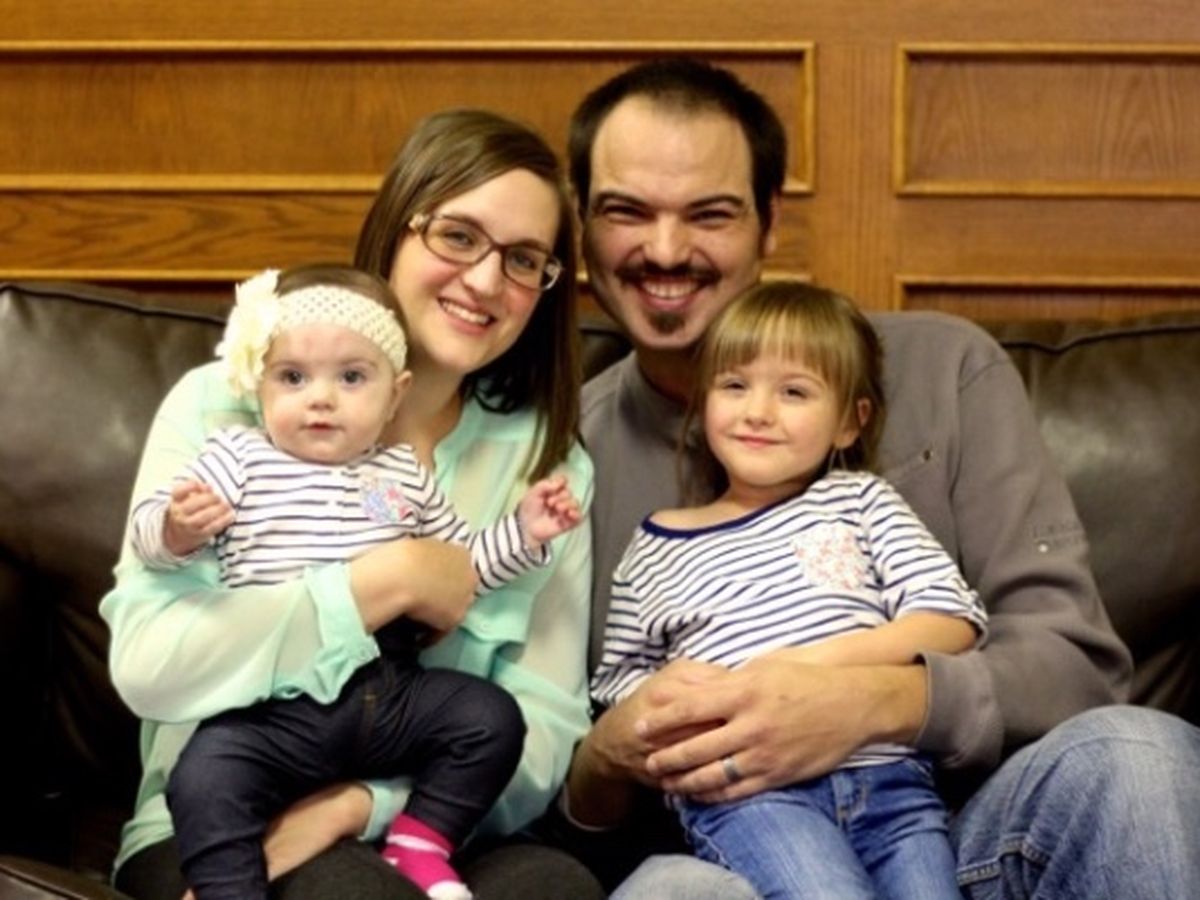
Here is a quick bio his wife wrote up.
On November 16, 2007 Justin visited a nurse practioner to get some medicine for what we thought was a bad flu. She had some blood work done and a couple hours later we were informed that Justin was in end-stage renal failure. Within 9 days doctors determined that his kidneys were too damaged to recover and he began dialysis, traveling to Regina from Assiniboia 3x’s a week every week until he switched to peritoneal dialysis which he was able to do at home but required a minimum 9 hour treatment. At that point in time Justin’s medical team had no idea what had caused the renal failure in the first place.
On July 15, 2009 Justin received a kidney transplant from a deceased donor. He was doing very well with the new kidney despite having a suppressed immune system due to the large number of immune-suppressive drugs he had to take to keep the transplanted kidney healthy. A lowered immune system means that common colds, flus, bacterias, etc that a healthy person can deal with can cause Justin to be sick for weeks as he is unable to fight these things as easily.
In March 2014, the day after our second child was born, we received a phone call that Justin’s recent monthly bloodwork indicated that he was likely going through a bout of rejection on his transplanted kidney. A biopsy of the transplanted kidney the next month revealed that Justin has a rare autoimmune disease called IGG4 which was the source of the cause of his renal failure in the first place. IGG4 disease (a disease of the Immunoglobulin G4) basically means one of the parts of the immune system, the IGG4, does it’s job in fighting off infection, illness, etc but occasionally begins to misbehave and actually attacks a part of the body- in Justin’s case, his kidneys. Justin had pneumonia in January 2014 and it was likely that the IGG4’s attacked his transplanted kidney while or after dealing with the pneumonia. The disease of IGG4 is a relatively newly discovered disease and Justin is in fact the first patient known to have a transplant and this disease. His treatments over the past 20 months have been rather experimental based on knowledge of treatments of similar diseases.
Justin has been on sick leave for many of the past 20 months. The treatment for dealing with IGG4 as well as the anti-bodies his immune system developed towards his transplant (the transplant rejection) required a treatment called plasmapheresis (similar to dialysis), as well as IV therapies (some of them more commonly used in chemo treatments) which were on a schedule of 2-3 times a week (for about 8 weeks last spring/summer, as well as around Christmas time last year). As well, since May of 2014, Justin has been admitted to hospitals in Regina and Saskatoon 8 times averaging about 1 week each due to virus’, line infections, and high blood pressure.
On October 28 Justin attended a regularly scheduled transplant appointment in Regina. It was at this appointment that it was determined that Justin’s transplanted kidney was in full rejection and had failed. He was immediately sent to the Regina General Hospital and he was given a chest catheter to start dialysis that night. His treatments are for 4 hours, 3x’s weekly at the dialysis unit in Regina. It is due to this schedule, as well as dealing with periodic fatigue, etc that he needs to be on sick leave at this time. Due to his lowered immune system, our family also has to avoid crowds of people during cold and flu season and as such, our children can’t go to daycare or public school because of the likelihood of them bringing a simple cold, flu, etc home that Justin could get very ill from.
Right now, his doctors are working to get him cleaned out (our kidney’s are, very simply put, filters to clean our blood and remove excess fluid, helping to also keep our hearts healthy by regulating how much fluid is in our bodies). Once Justin is healthy enough he will be worked up for another kidney transplant. - Cheryl St. Louis
On November 16, 2007 Justin visited a nurse practioner to get some medicine for what we thought was a bad flu. She had some blood work done and a couple hours later we were informed that Justin was in end-stage renal failure. Within 9 days doctors determined that his kidneys were too damaged to recover and he began dialysis, traveling to Regina from Assiniboia 3x’s a week every week until he switched to peritoneal dialysis which he was able to do at home but required a minimum 9 hour treatment. At that point in time Justin’s medical team had no idea what had caused the renal failure in the first place.
On July 15, 2009 Justin received a kidney transplant from a deceased donor. He was doing very well with the new kidney despite having a suppressed immune system due to the large number of immune-suppressive drugs he had to take to keep the transplanted kidney healthy. A lowered immune system means that common colds, flus, bacterias, etc that a healthy person can deal with can cause Justin to be sick for weeks as he is unable to fight these things as easily.
In March 2014, the day after our second child was born, we received a phone call that Justin’s recent monthly bloodwork indicated that he was likely going through a bout of rejection on his transplanted kidney. A biopsy of the transplanted kidney the next month revealed that Justin has a rare autoimmune disease called IGG4 which was the source of the cause of his renal failure in the first place. IGG4 disease (a disease of the Immunoglobulin G4) basically means one of the parts of the immune system, the IGG4, does it’s job in fighting off infection, illness, etc but occasionally begins to misbehave and actually attacks a part of the body- in Justin’s case, his kidneys. Justin had pneumonia in January 2014 and it was likely that the IGG4’s attacked his transplanted kidney while or after dealing with the pneumonia. The disease of IGG4 is a relatively newly discovered disease and Justin is in fact the first patient known to have a transplant and this disease. His treatments over the past 20 months have been rather experimental based on knowledge of treatments of similar diseases.
Justin has been on sick leave for many of the past 20 months. The treatment for dealing with IGG4 as well as the anti-bodies his immune system developed towards his transplant (the transplant rejection) required a treatment called plasmapheresis (similar to dialysis), as well as IV therapies (some of them more commonly used in chemo treatments) which were on a schedule of 2-3 times a week (for about 8 weeks last spring/summer, as well as around Christmas time last year). As well, since May of 2014, Justin has been admitted to hospitals in Regina and Saskatoon 8 times averaging about 1 week each due to virus’, line infections, and high blood pressure.
On October 28 Justin attended a regularly scheduled transplant appointment in Regina. It was at this appointment that it was determined that Justin’s transplanted kidney was in full rejection and had failed. He was immediately sent to the Regina General Hospital and he was given a chest catheter to start dialysis that night. His treatments are for 4 hours, 3x’s weekly at the dialysis unit in Regina. It is due to this schedule, as well as dealing with periodic fatigue, etc that he needs to be on sick leave at this time. Due to his lowered immune system, our family also has to avoid crowds of people during cold and flu season and as such, our children can’t go to daycare or public school because of the likelihood of them bringing a simple cold, flu, etc home that Justin could get very ill from.
Right now, his doctors are working to get him cleaned out (our kidney’s are, very simply put, filters to clean our blood and remove excess fluid, helping to also keep our hearts healthy by regulating how much fluid is in our bodies). Once Justin is healthy enough he will be worked up for another kidney transplant. - Cheryl St. Louis