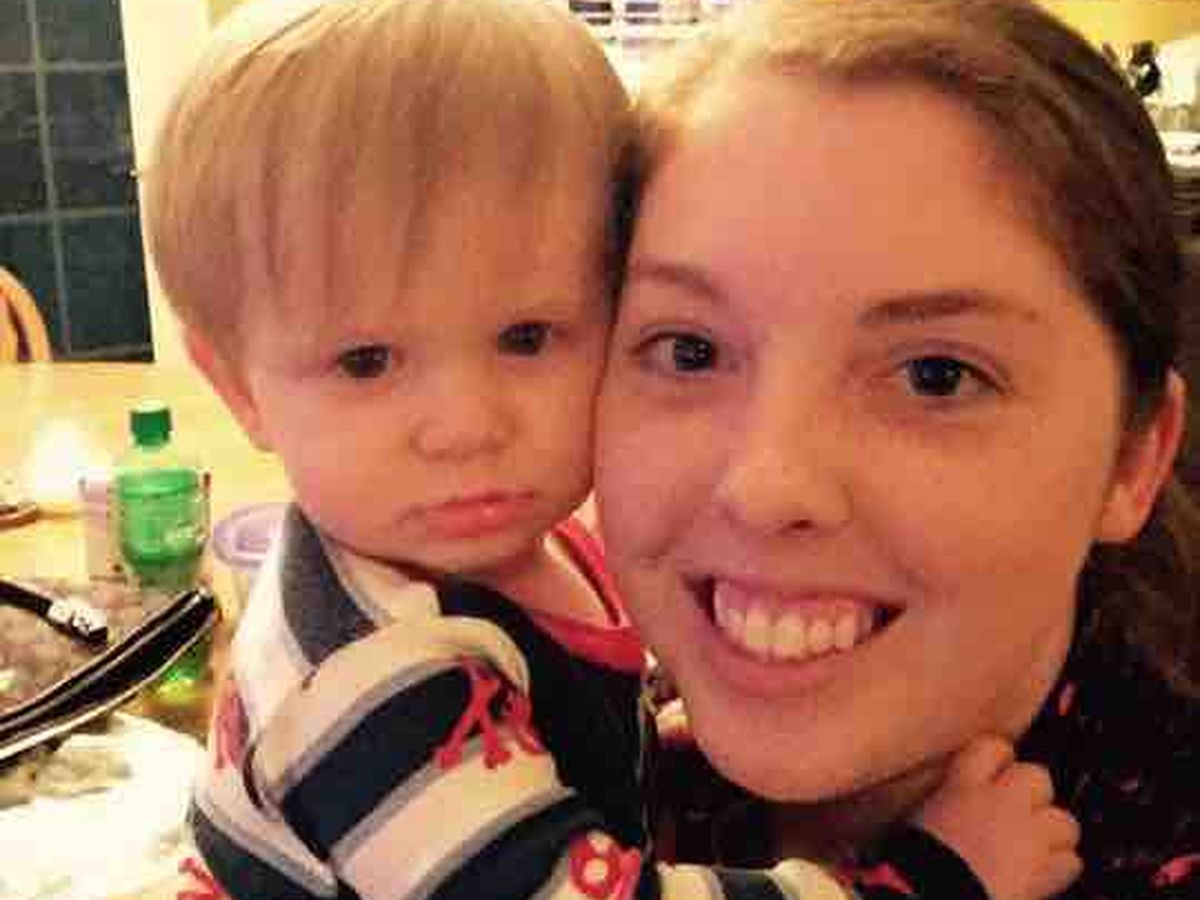
“You never really understand a person until you consider things from his point of view…Until you climb inside of his skin and walk around in it.”-Harper Lee, To Kill a Mockingbird
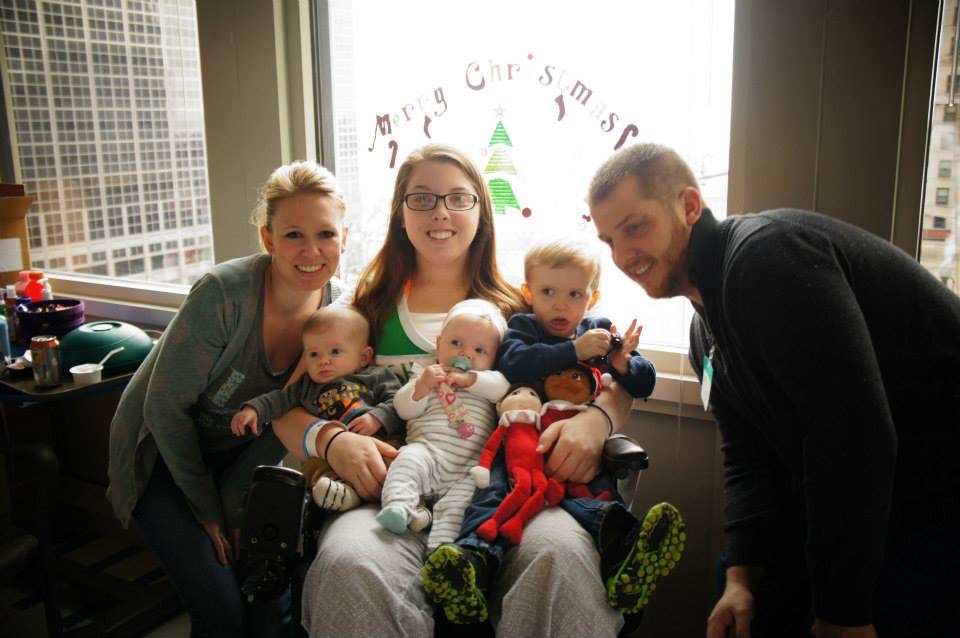
On any given day, my sister can appear “normal” while sitting down watching television. She might even look like a young woman who has a simple leg injury while sitting in a manual wheelchair. Even in her lime green power chair, she appears out of place. Dysautonomia has taught my family that appearance means nothing when it comes to an illness, and we have been trying to help educate others about the fact that looks can be deceiving. A person does not have to look sick in order to be sick. You don’t really know the battle a person may be fighting until you have stood in their corner and been their cheerleader through all of their ups and downs, and even then, we don’t pretend to understand what Ashley is dealing with each day. Spend a few hours, even just minutes with my sister, and she helps to put life into perspective.
Ashley is 27 years old. Ashley has been diagnosed with dysautonomia and gastroparesis. She has a pacemaker, port, feeding tube, and a lime green power wheel chair. She also has special shoe inserts, a custom made leg brace, arm crutches, and a walker. How has Ashley arrived at his point? Read on for a brief run-down of events:
2006 was really when most of it began. Ashley had episodes of passing out, and she was having arrhythmia’s. She had to have an electrophysiology study done due to her superventricular tachycardia. Ashley ended up going into atrial fib. She was diagnosed with POTS and Tachy Brady syndrome. Ashley’s heart rate would go from the 40’s to the 180’s with the snap of a finger leading to many issues as changes like that really take a toll on the body. Medication was no help in trying to control all of these symptoms that Ashley was experiencing. Needless to say, this continued on and off for years. Ashley had to deal with feeling very crummy quite often. She napped a lot. She was always tired. We noticed a big decrease in activity due to these erratic changes with her heart rate.
On August 1, 2013, Ashley was driving home from her job at a hospital (she was also in school to become a nurse…a dream that will go unfulfilled now) when she passed out behind the wheel because her heart rate dropped in the 20’s. Ashley crashed her car and was unresponsive when the paramedics arrived. Five days after the crash, Ashley got her pacemaker. While we were all terrified, we felt the pacemaker would fix everything. Ashely recovered from her procedure, and we were told that between the pacemaker and medicine that her heart rate and blood pressure would be under control. Everyone breathed a sigh of relief at this point.
In March of 2014, Ashley was hospitalized because she lost the use of her legs. They were completely weak, and she could not walk. Her blood pressure was going from 220/180’s to 70/30’s. This was a reoccurring issue until September of 2014. Ashley coded and ended up in Intensive Care. She had periods where she couldn’t walk, and the she could again. She was faint often. On October 6, 2014, Ashley was diagnosed with dysautonomia (pure autonomic failure). It is a chronic and progressive illness, but at that point, everyone was happy to have a diagnosis. That sounds crazy, but it was true. Ashley had been told so many different things for years, and to have something concrete seemed like something we could all work with.
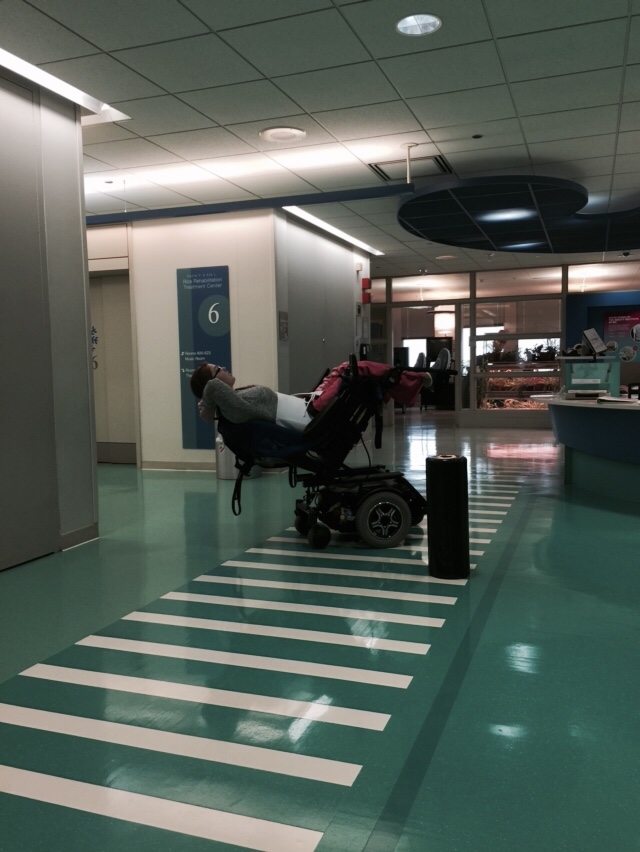
In late October of 2014, Ashley was transferred to RIC. She could not sit up. She literally had to lay totally flat like you would in a bed without a pillow, and sometimes she had to have her bed tilted back so her head was lower than the rest of her body. This is due to the blood pressure issues that dysautonomia causes. Ashley was lifted into her power chair (which was fully reclined so she would drive it staring at the ceiling), lifted into a shower boat, and had to always be laying down. If her head was raised past a certain point, she would pass out. The first time Ashley sat up again was not until the end of November 2014. Ashley didn’t walk again until January 4th of 2015. On that day, she took 4 steps. It was the first time she had walked in 5 months. It may have only been 4 steps, but we celebrated like crazy. Ashley was making some real progress.
In January of 2015, Ashley got her port which is still used to this day for IV saline fluid daily and IV medication. It helps her to stay hydrated. Dehydration really causes her dysautonomia to act up. During this time, Ashley started to have a lot of stomach issues. She was not hungry, could not handle many foods, or she was throwing up almost everything she ate. The hydration part became so much more important since she could keep nothing down.
In March of 2015, Ashley got her J tube for feeding nutrition. The gastroparesis is caused by her dysautonomia. Basically, her stomach is paralyzed. She is not to take food by mouth, but sometimes she will try to eat something because she misses the taste or she has told me that she tries to eat to feel normal. Eating causes her to be physically ill. It is not a possibility but rather a guarantee. Ashley was hospitalized from January 2015 until March 2015, and then went to RIC from April until June of 2015. She spent August and September of 2015 in the hospital and October through November of 2015 at RIC. Typically something goes wrong with Ashley’s health and once she is done at the hospital, she is weak and cannot walk, etc. so she must go to RIC to work to regain her strength. It is a vicious cycle….this dysautonomia. That brings us to the present day.
Currently, Ashley is home from a lengthy stay at the University of Chicago hospital and the Rehabilitation Institute of Chicago. She was hospitalized from early January 2016 until the start of May. Ashley went in to the hospital being able to walk with her arm crutches and her leg brace (which is basically part of her now in order to control her leg tremors), and she is currently confined to her power chair. Each hospital stay provides new challenges and setbacks for Ashley. This last hospitalization has been particularly difficult for Ashley. Being unable to walk again has been a huge let down for Ashley. She is trying her best, but her therapy hours have been cut back which does not help when she needs a lot of work at trying to regain some strength and her balance again. Ashley described herself as being a prisoner in her own home, and it is sad when she had more freedom at RIC than she does now that she is home. Ashley got a hitch and lift to hook on the back of her car, but it could not handle her chair and Ashley cannot afford to have her power chair fall off the back of her car while she is going somewhere.
Physically and emotionally, Ashley continues to struggle. It a regular battle to keep her pacemaker, gastroparesis, and dysautonomia all in check. She has more pills than an elderly person might ever have to take. Some days, she has trouble with her emotions too, but she has every right to feel sad, angry and frustrated. Her life would be challenging for anyone let alone a 27 year old. However, she has a spirit unlike anyone I know. I always knew my sister was different in that she always was so carefree growing up. She was a wild spirit, and she would do anything (roller-coasters, trying out new hair colors, tattoos, etc).
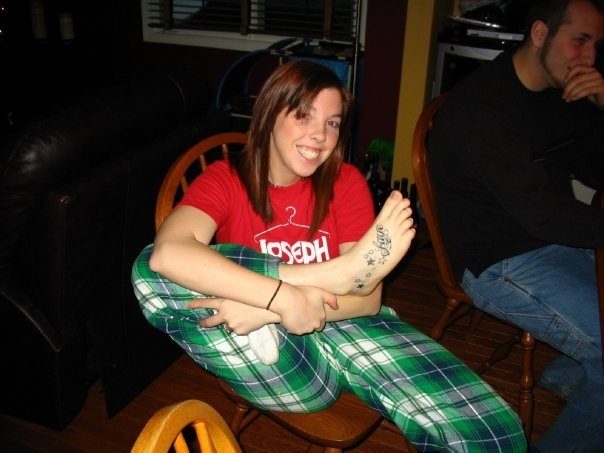
Looking back, it is like she knew she needed to make the most of every day. Even with her health working against her, Ashley is so much like the little sister I remember despite all the obstacles she deals with. She laughs, tells her nephews and niece great stories, and she teaches them all the bad habits that she can. She makes the best out of a less than ideal situation. Ashley is such a role model, and her outlook on life is contagious.
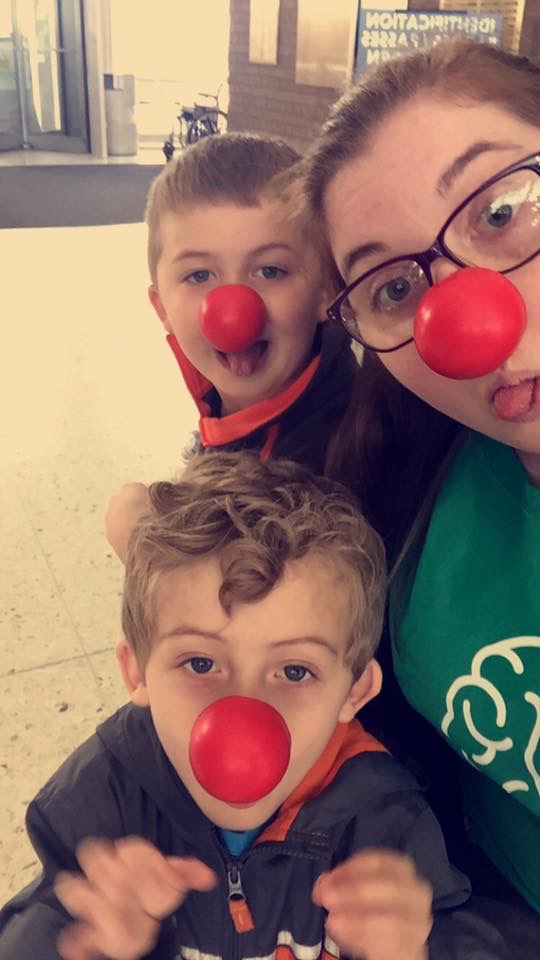
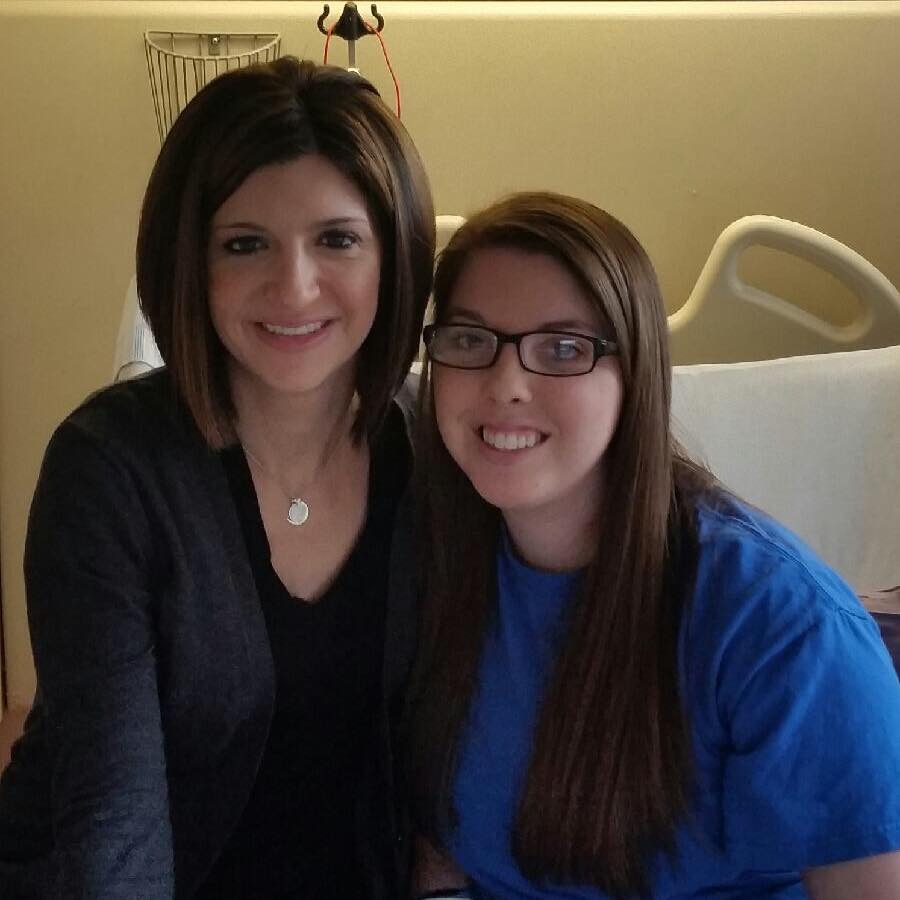
I (Ashley’s sister, Nikki) started her gofundme site a few years ago (right after her diagnosis) in hopes of helping Ashley get a vehicle. We didn’t reach the goal we needed at the time to make that happen. However, all of those donations helped to get Ashley her chair and assist with her other medical expenses/devices. The donations have been greatly appreciated. Honestly, I don’t know where she would be without them. She also now has a ramp to get in and out of her home when she is not hospitalized. She is so lucky to have good family and friends that have been there along the way to assist her. The fact of the matter is though that Ashley needs a wheelchair accessible vehicle now more than ever. Ashley’s dysautonomia is aggressive and it has affected multiple systems within Ashley’s body which greatly impacts her daily functioning. We (her family and close friends) want her to have the ability to go out and be as normal as possible on the days she is feeling up to it, and she needs transportation to and from all of her doctor appointments.
Thank you for reading Ashley’s story. Trust me when I say that this is the condensed version, and I’m sure many details are missing. Dysautonomia is terrible. Ashley wants to raise awareness to this horrific chronic illness.
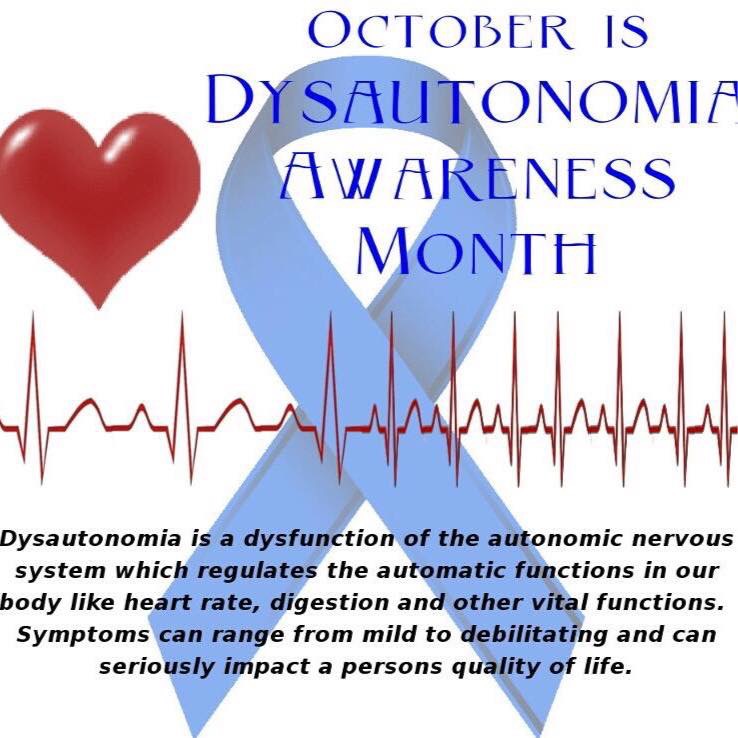
By reading her story, we hope you have learned something that you might share with someone else. There are many other people living undiagnosed like Ashley was for years. We hope more research will be done in order to help those with Dysautonomia live a better life. We also hope to raise funds to get Ashley a vehicle. Financially she is struggling and her medical expenses are astronomical, and she needs a van to keep her and her power chair safe when she needs to travel.
Thank you for reading. In the words of Ash, “Love & Spoons” to you all. (Check out the Spoon Theory as it puts a day in the life of Ashley into perspective.)

On any given day, my sister can appear “normal” while sitting down watching television. She might even look like a young woman who has a simple leg injury while sitting in a manual wheelchair. Even in her lime green power chair, she appears out of place. Dysautonomia has taught my family that appearance means nothing when it comes to an illness, and we have been trying to help educate others about the fact that looks can be deceiving. A person does not have to look sick in order to be sick. You don’t really know the battle a person may be fighting until you have stood in their corner and been their cheerleader through all of their ups and downs, and even then, we don’t pretend to understand what Ashley is dealing with each day. Spend a few hours, even just minutes with my sister, and she helps to put life into perspective.
Ashley is 27 years old. Ashley has been diagnosed with dysautonomia and gastroparesis. She has a pacemaker, port, feeding tube, and a lime green power wheel chair. She also has special shoe inserts, a custom made leg brace, arm crutches, and a walker. How has Ashley arrived at his point? Read on for a brief run-down of events:
2006 was really when most of it began. Ashley had episodes of passing out, and she was having arrhythmia’s. She had to have an electrophysiology study done due to her superventricular tachycardia. Ashley ended up going into atrial fib. She was diagnosed with POTS and Tachy Brady syndrome. Ashley’s heart rate would go from the 40’s to the 180’s with the snap of a finger leading to many issues as changes like that really take a toll on the body. Medication was no help in trying to control all of these symptoms that Ashley was experiencing. Needless to say, this continued on and off for years. Ashley had to deal with feeling very crummy quite often. She napped a lot. She was always tired. We noticed a big decrease in activity due to these erratic changes with her heart rate.
On August 1, 2013, Ashley was driving home from her job at a hospital (she was also in school to become a nurse…a dream that will go unfulfilled now) when she passed out behind the wheel because her heart rate dropped in the 20’s. Ashley crashed her car and was unresponsive when the paramedics arrived. Five days after the crash, Ashley got her pacemaker. While we were all terrified, we felt the pacemaker would fix everything. Ashely recovered from her procedure, and we were told that between the pacemaker and medicine that her heart rate and blood pressure would be under control. Everyone breathed a sigh of relief at this point.
In March of 2014, Ashley was hospitalized because she lost the use of her legs. They were completely weak, and she could not walk. Her blood pressure was going from 220/180’s to 70/30’s. This was a reoccurring issue until September of 2014. Ashley coded and ended up in Intensive Care. She had periods where she couldn’t walk, and the she could again. She was faint often. On October 6, 2014, Ashley was diagnosed with dysautonomia (pure autonomic failure). It is a chronic and progressive illness, but at that point, everyone was happy to have a diagnosis. That sounds crazy, but it was true. Ashley had been told so many different things for years, and to have something concrete seemed like something we could all work with.
In late October of 2014, Ashley was transferred to RIC. She could not sit up. She literally had to lay totally flat like you would in a bed without a pillow, and sometimes she had to have her bed tilted back so her head was lower than the rest of her body. This is due to the blood pressure issues that dysautonomia causes. Ashley was lifted into her power chair (which was fully reclined so she would drive it staring at the ceiling), lifted into a shower boat, and had to always be laying down. If her head was raised past a certain point, she would pass out. The first time Ashley sat up again was not until the end of November 2014. Ashley didn’t walk again until January 4th of 2015. On that day, she took 4 steps. It was the first time she had walked in 5 months. It may have only been 4 steps, but we celebrated like crazy. Ashley was making some real progress.
In January of 2015, Ashley got her port which is still used to this day for IV saline fluid daily and IV medication. It helps her to stay hydrated. Dehydration really causes her dysautonomia to act up. During this time, Ashley started to have a lot of stomach issues. She was not hungry, could not handle many foods, or she was throwing up almost everything she ate. The hydration part became so much more important since she could keep nothing down.
In March of 2015, Ashley got her J tube for feeding nutrition. The gastroparesis is caused by her dysautonomia. Basically, her stomach is paralyzed. She is not to take food by mouth, but sometimes she will try to eat something because she misses the taste or she has told me that she tries to eat to feel normal. Eating causes her to be physically ill. It is not a possibility but rather a guarantee. Ashley was hospitalized from January 2015 until March 2015, and then went to RIC from April until June of 2015. She spent August and September of 2015 in the hospital and October through November of 2015 at RIC. Typically something goes wrong with Ashley’s health and once she is done at the hospital, she is weak and cannot walk, etc. so she must go to RIC to work to regain her strength. It is a vicious cycle….this dysautonomia. That brings us to the present day.
Currently, Ashley is home from a lengthy stay at the University of Chicago hospital and the Rehabilitation Institute of Chicago. She was hospitalized from early January 2016 until the start of May. Ashley went in to the hospital being able to walk with her arm crutches and her leg brace (which is basically part of her now in order to control her leg tremors), and she is currently confined to her power chair. Each hospital stay provides new challenges and setbacks for Ashley. This last hospitalization has been particularly difficult for Ashley. Being unable to walk again has been a huge let down for Ashley. She is trying her best, but her therapy hours have been cut back which does not help when she needs a lot of work at trying to regain some strength and her balance again. Ashley described herself as being a prisoner in her own home, and it is sad when she had more freedom at RIC than she does now that she is home. Ashley got a hitch and lift to hook on the back of her car, but it could not handle her chair and Ashley cannot afford to have her power chair fall off the back of her car while she is going somewhere.
Physically and emotionally, Ashley continues to struggle. It a regular battle to keep her pacemaker, gastroparesis, and dysautonomia all in check. She has more pills than an elderly person might ever have to take. Some days, she has trouble with her emotions too, but she has every right to feel sad, angry and frustrated. Her life would be challenging for anyone let alone a 27 year old. However, she has a spirit unlike anyone I know. I always knew my sister was different in that she always was so carefree growing up. She was a wild spirit, and she would do anything (roller-coasters, trying out new hair colors, tattoos, etc).
Looking back, it is like she knew she needed to make the most of every day. Even with her health working against her, Ashley is so much like the little sister I remember despite all the obstacles she deals with. She laughs, tells her nephews and niece great stories, and she teaches them all the bad habits that she can. She makes the best out of a less than ideal situation. Ashley is such a role model, and her outlook on life is contagious.
I (Ashley’s sister, Nikki) started her gofundme site a few years ago (right after her diagnosis) in hopes of helping Ashley get a vehicle. We didn’t reach the goal we needed at the time to make that happen. However, all of those donations helped to get Ashley her chair and assist with her other medical expenses/devices. The donations have been greatly appreciated. Honestly, I don’t know where she would be without them. She also now has a ramp to get in and out of her home when she is not hospitalized. She is so lucky to have good family and friends that have been there along the way to assist her. The fact of the matter is though that Ashley needs a wheelchair accessible vehicle now more than ever. Ashley’s dysautonomia is aggressive and it has affected multiple systems within Ashley’s body which greatly impacts her daily functioning. We (her family and close friends) want her to have the ability to go out and be as normal as possible on the days she is feeling up to it, and she needs transportation to and from all of her doctor appointments.
Thank you for reading Ashley’s story. Trust me when I say that this is the condensed version, and I’m sure many details are missing. Dysautonomia is terrible. Ashley wants to raise awareness to this horrific chronic illness.
By reading her story, we hope you have learned something that you might share with someone else. There are many other people living undiagnosed like Ashley was for years. We hope more research will be done in order to help those with Dysautonomia live a better life. We also hope to raise funds to get Ashley a vehicle. Financially she is struggling and her medical expenses are astronomical, and she needs a van to keep her and her power chair safe when she needs to travel.
Thank you for reading. In the words of Ash, “Love & Spoons” to you all. (Check out the Spoon Theory as it puts a day in the life of Ashley into perspective.)
Organizer and beneficiary
Greg Crossett
Beneficiary