- J
- S
- K
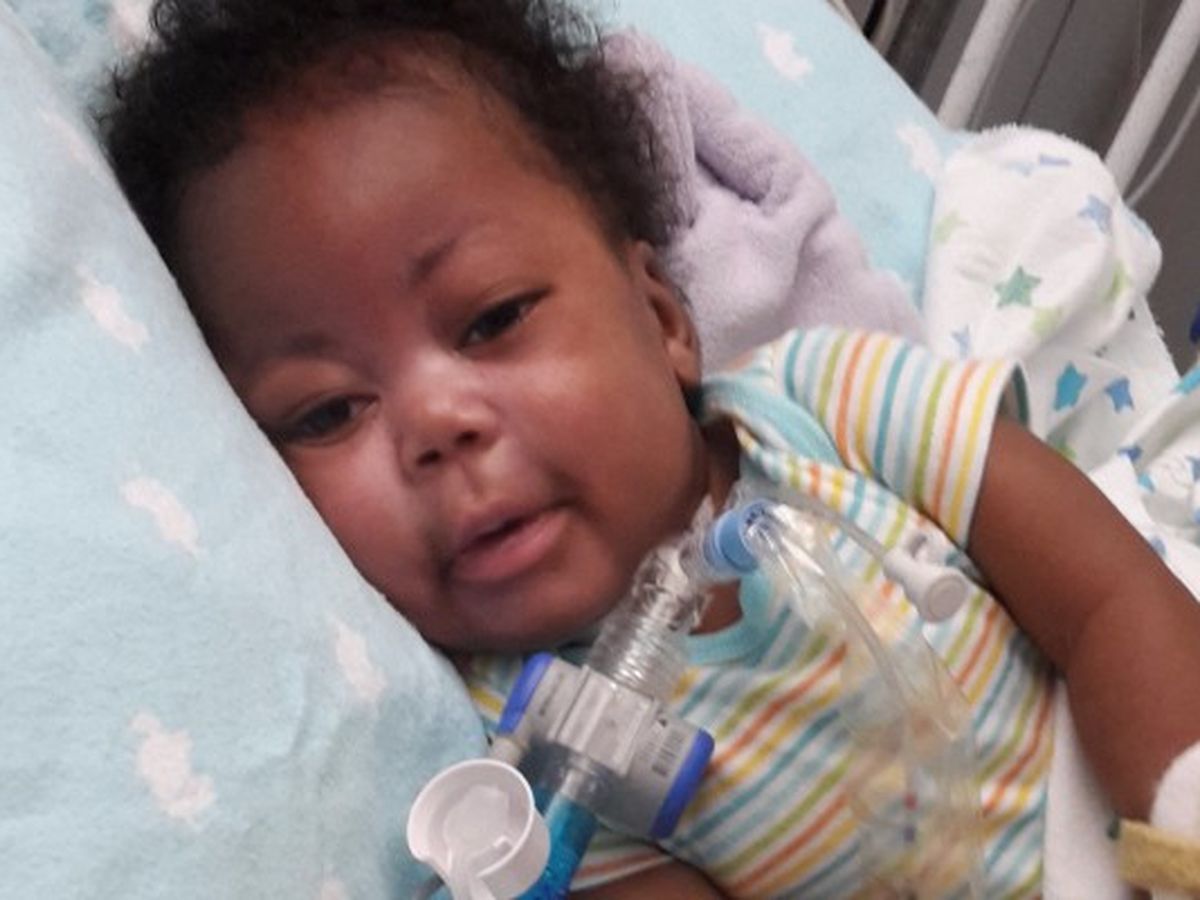
Born unexpectedly 8 weeks early, with extreme hypotonia (floppiness) and was immediately intubated and placed on a ventilator. At 8 weeks of age, he had undergone 2 surgeries: g-tube placement (feeding tube placed directly into the stomach) and a muscle biopsy to determine the cause of his symptoms. At 8 weeks, was his first time ever crying, because he was so weak. Once his diagnosis (XLMTM) was provided he was transferred from one hospital to his current location, which is 118 miles from home. During a trial extubation period, breathing with cpap (just oxygen to the nose from the ventilator), Dace coded and had to be resuscitated and brought back to life. At this point, he was re-intubated and the decision was made to schedule a tracheostomy. Dace has had a trach since 3/29/2016. A week ago he was placed on a LTV (long term ventilator) for transition home. Dace remains very delicate and floppy; he must be handled with extreme care.
Dace has been hospitalized since birth 135 days ago, and now 118 miles from home. I visit Dace on each Tuesday and Thursday’s for an 8-10-hour visit, and stay Friday through Sunday. I continue to work and care for my sister. Unfortunately, I have neglected my other children of my time, but prayerfully Dace will be home before the end of the month. Once home he will require 24-hour care, in home nurse, and continued therapies: OT, PT, and speech. The largest need at this time is adequate transportation… my family needs a van, considering Dace will need an entire seat to occupy his ventilator, suction machine, oxygen, pulse/heart monitor, and emergency bag.
I'm having difficulty adding him to my health insurance and having to appeal. There will be medical needs that Medicaid won't want to pay for.
XLMTM is characterized by extreme muscle weakness, respiratory failure and early death. Current data suggests that approximately half of patients survive beyond 18 months of age (1, 3). Children that do survive continue to receive supportive care that may include ventilator assistance, motorized wheelchairs and feeding tubes. Due to muscle weakness and decreased muscle tone, most children are unable to sit, stand or walk independently. Impaired motor skills may result in limited hand and finger movements. Children with XLMTM may also have weakness in the muscles that control eye movement, weakness in other muscles of the face, and absent reflexes (3). They generally have average intelligence and cardiac function.
Let's help Dace and Marqueta with this tough journey! If you donate $1 or $500, your efforts will be appreciated just the same.
Dace has been hospitalized since birth 135 days ago, and now 118 miles from home. I visit Dace on each Tuesday and Thursday’s for an 8-10-hour visit, and stay Friday through Sunday. I continue to work and care for my sister. Unfortunately, I have neglected my other children of my time, but prayerfully Dace will be home before the end of the month. Once home he will require 24-hour care, in home nurse, and continued therapies: OT, PT, and speech. The largest need at this time is adequate transportation… my family needs a van, considering Dace will need an entire seat to occupy his ventilator, suction machine, oxygen, pulse/heart monitor, and emergency bag.
I'm having difficulty adding him to my health insurance and having to appeal. There will be medical needs that Medicaid won't want to pay for.
XLMTM is characterized by extreme muscle weakness, respiratory failure and early death. Current data suggests that approximately half of patients survive beyond 18 months of age (1, 3). Children that do survive continue to receive supportive care that may include ventilator assistance, motorized wheelchairs and feeding tubes. Due to muscle weakness and decreased muscle tone, most children are unable to sit, stand or walk independently. Impaired motor skills may result in limited hand and finger movements. Children with XLMTM may also have weakness in the muscles that control eye movement, weakness in other muscles of the face, and absent reflexes (3). They generally have average intelligence and cardiac function.
Let's help Dace and Marqueta with this tough journey! If you donate $1 or $500, your efforts will be appreciated just the same.