- I
- I
- D
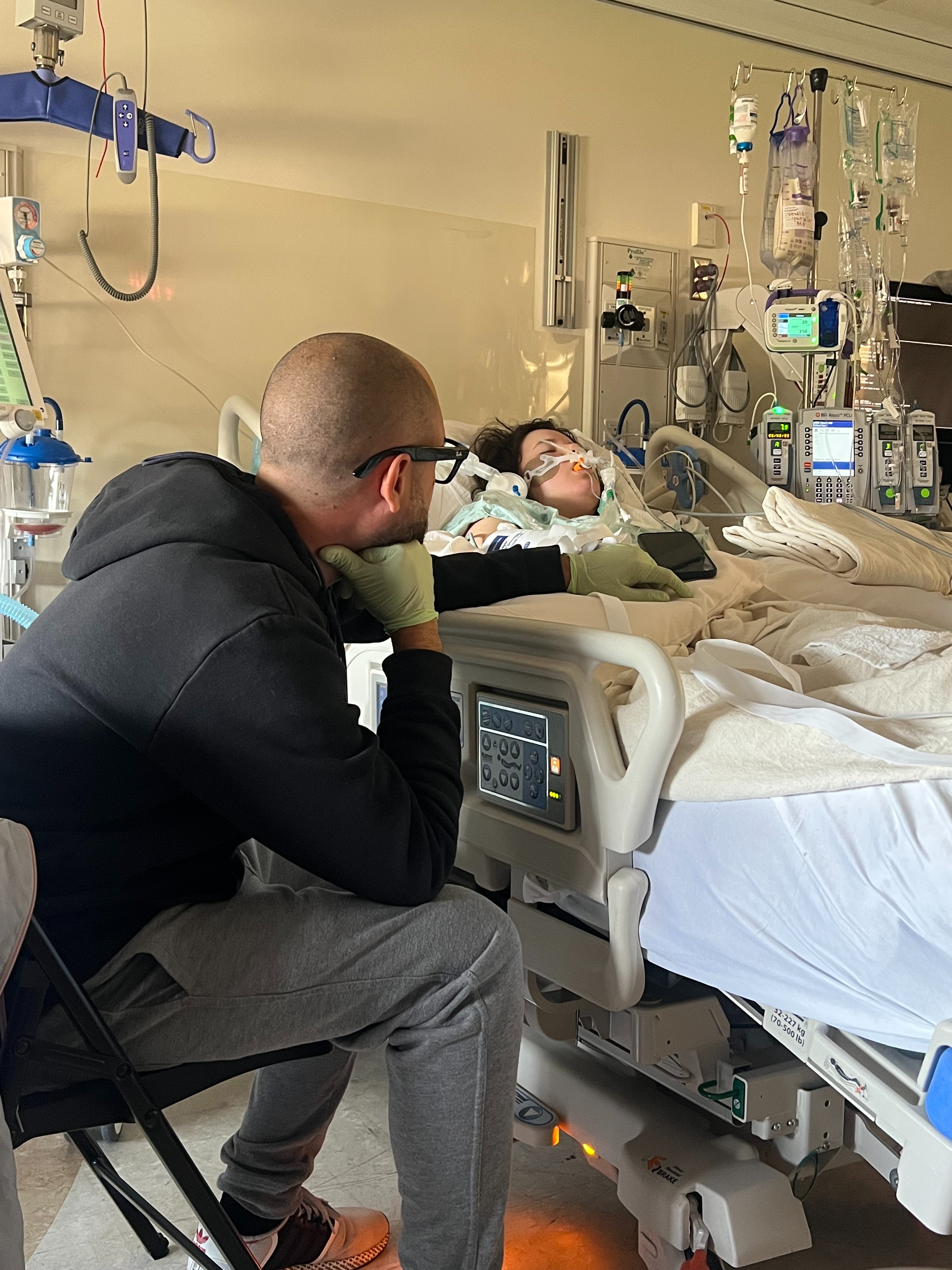
January 5, 2026 — When 'Just the Flu' Became Paralysis
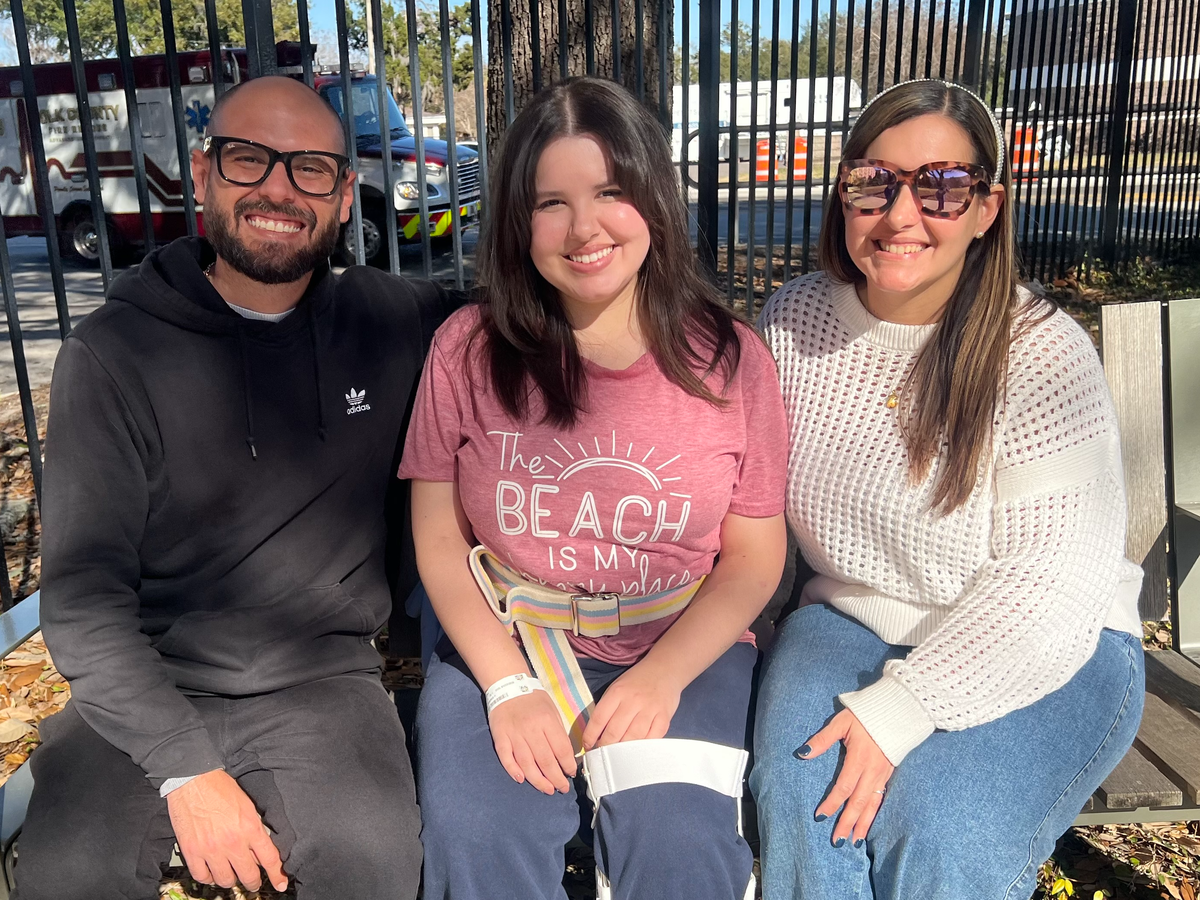
Three different hospital ER visits in less than 24 hours, two lumbar punctures, three MRIs, five plasma exchange sessions, and six days of intubation is what it took to secure a diagnosis for our daughter’s sudden onset paralysis: Transverse Myelitis. A rare neurological disorder caused by inflammation of the spinal cord that affects only around 1400 people annually.
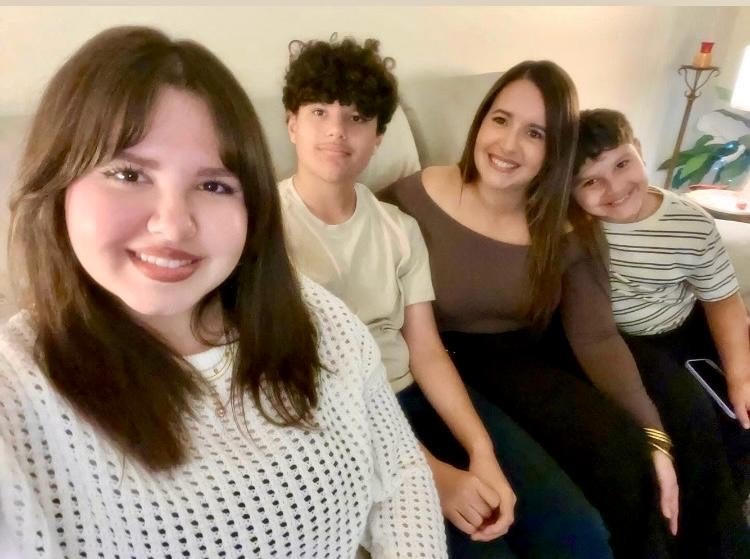
Adriana, our then 20 year old daughter’s story begins on Christmas Eve, when she became ill with the flu. It took her two long weeks of recovery to be able to return to work. A few days later, Adriana woke up with severe neck pain. Within hours, she began feeling tingling and numbness that spread from her neck down to her arms, and then to her legs.
That morning, we rushed her to the emergency room. Basic tests were performed, and we were told it was likely lingering flu weakness. She was sent home with pain medication.
By the time we left the ER and wheeled her to the car, she nearly collapsed trying to get in.
Over the next few hours, she rapidly lost strength. She could no longer stand without falling.
We contacted a trusted physician who consulted with a neurologist and immediately warned us that her symptoms could indicate Transverse Myelitis or Guillain‑Barré syndrome — both time-sensitive neurological emergencies requiring urgent MRI imaging.
We returned to a different emergency room seeking further evaluation, but they agreed with the first hospital’s assessment and she was discharged again. Feeling defeated, we brought her back home where it took three people to move her from the car into the house.
By the next morning, Adriana could barely move her limbs, was in extreme pain, and could not urinate.
We arrived at our third hospital ER visit, where she was finally admitted because the medical staff immediately recognized the severity of her condition. They quickly moved to perform an emergency MRI and spinal tap.
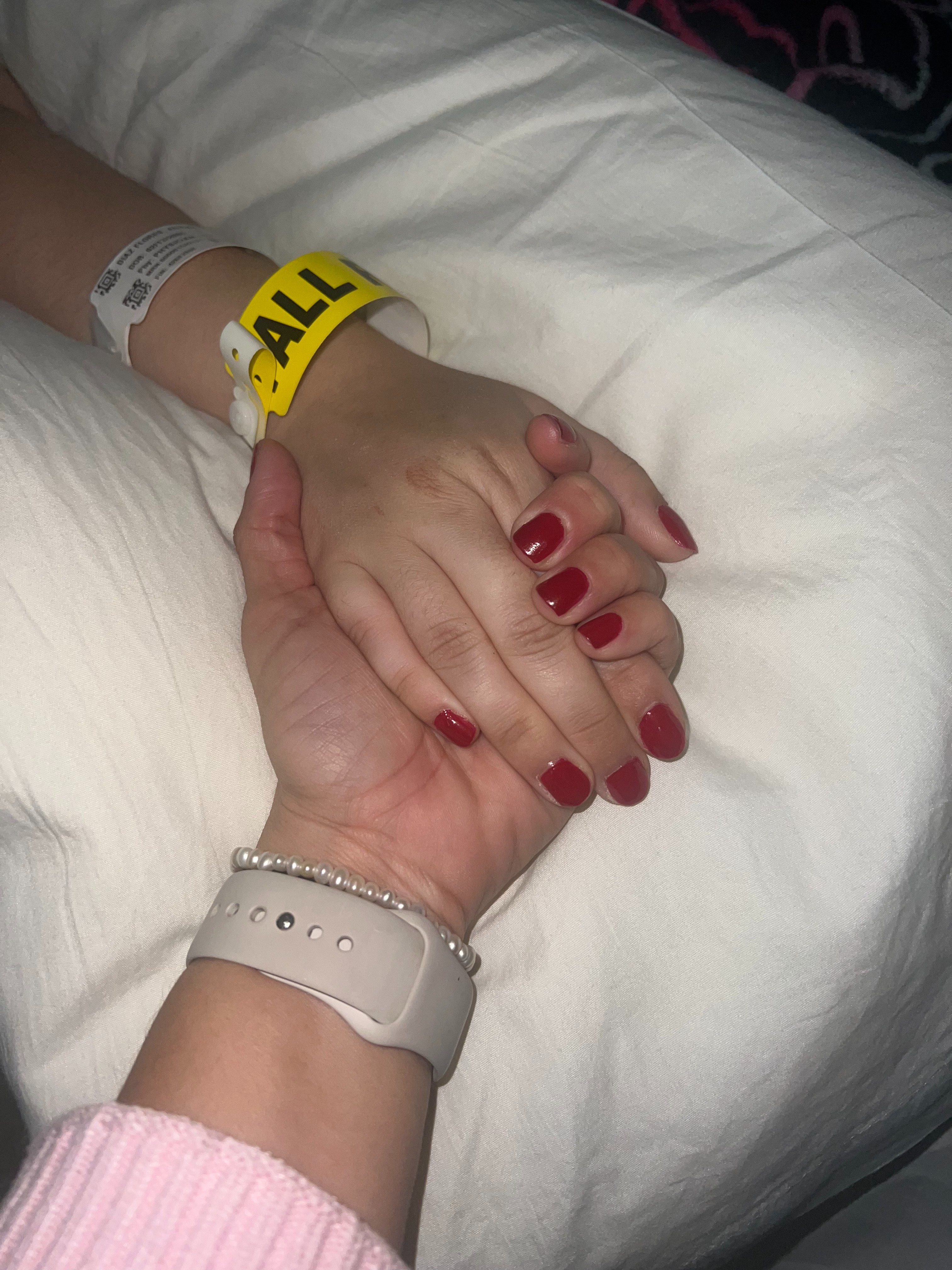
Adriana was placed in the stroke unit where an IVIG treatment course was started.
Within hours, she had to be moved to the ICU where she was intubated because her diaphragm was failing and she could not breathe.
Our daughter had gone from healthy and working… to paralyzed and fighting for her life.
Adriana was diagnosed with Transverse Myelitis. A rare condition that interrupts the messages the spinal cord nerves send throughout the body and can lead to paralysis. This disease has an estimated incidence of 1.34 to 4.6 cases per million people annually, and about 1,400 new cases each year in the United States. Recovery can take up to two years.
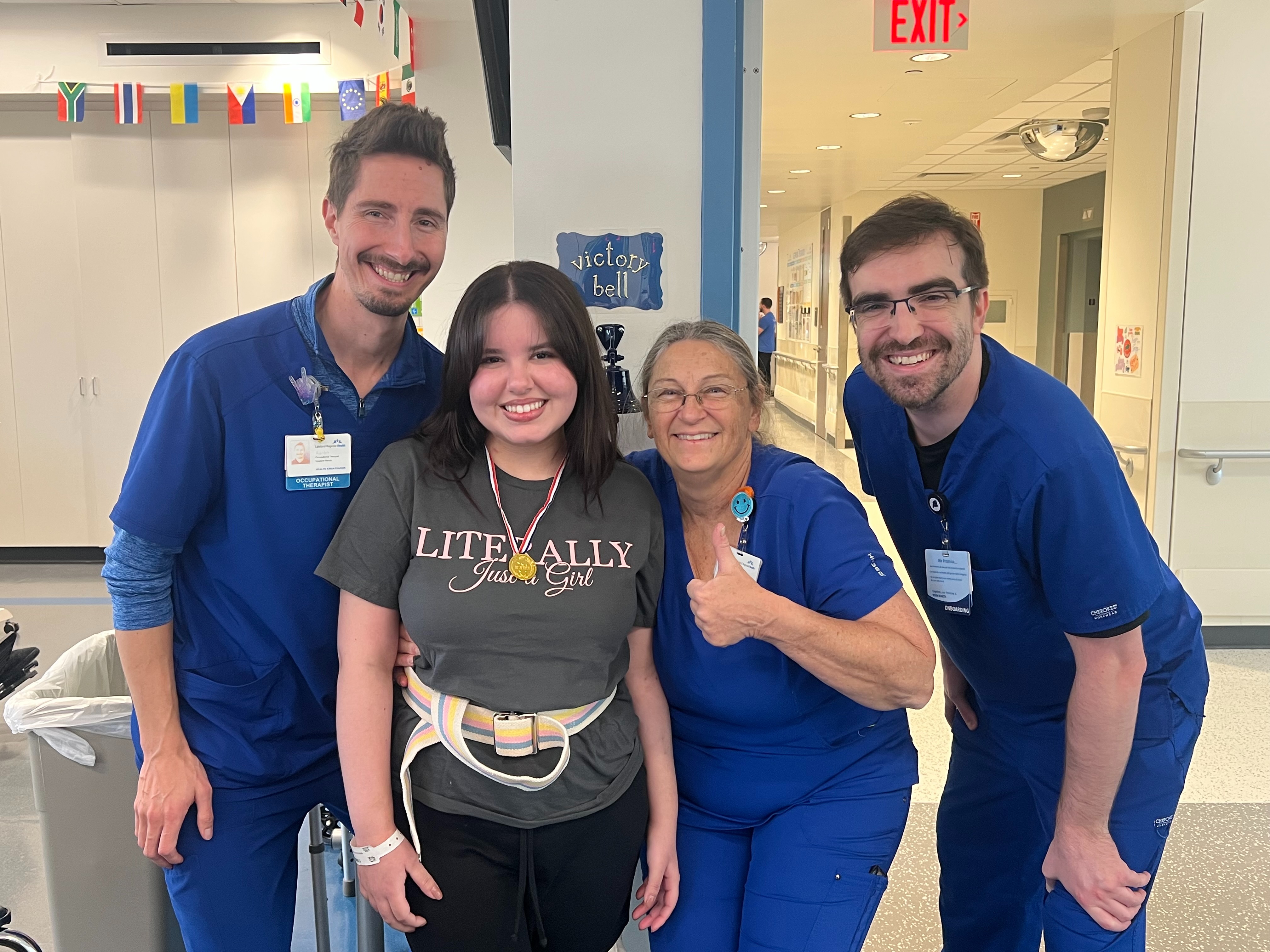
She spent a total of 37 days in the hospital, where she was also accepted into their inpatient rehabilitation center. With the amazing support from her team of therapists (primarily Johnathan, Aaron and Kathy, whom we will forever be grateful for), we began to see Adriana’s personality reignite. After completing rehab, she was discharged with the recommendation to continue intensive one-on-one therapy in an outpatient setting.
Where She Is Today
Today, Adriana is breathing on her own.
She can move her hands.
She can bend her arms slightly, though one remains significantly weaker and she cannot lift them independently.
She requires assistance with most daily routines.
She can take steps with support, but is still primarily wheelchair-dependent.
Every small movement is progress and celebrated.
But neurological recovery is time-sensitive. Consistent therapy now could make the difference between partial recovery and long-term disability.
Doctors have recommended intensive outpatient therapy to maximize her recovery. Unfortunately, due to referral and administrative delays, therapy has not yet begun. Every week that passes without Adriana receiving therapy is a huge setback.
Adriana’s Future
When her symptoms began, Adriana Diaz was a Biology Health Sciences student at UCF, working part-time while pursuing her dream of becoming a radiologist.
Today, she is 21 years old, fully mentally alert and aware and is fighting to regain the physical independence she once had.
She understands her diagnosis.
She understands the recovery window.
And she is determined.
Although Myelitis has taken its toll on our daughter’s health, her independence and her future, it could never take the most powerful thing about her: her extraordinary spirit. She remains a kind hearted, animal loving, hardworking and deeply special young woman whose infectious personality has captivated the hearts of all who have crossed her path in the road to recovery.
The Financial Reality
Since Adriana’s hospitalization, her life has completely changed.
She had to withdraw from all her classes at university, is unable to return to work, and requires assistance with moving, bathing, dressing, eating, and transportation.
As her parents, we have become her full-time caregivers.
As small business owners, we have been unable to keep up with our workload due to the time devoted to caring for our daughter.
Adriana is also tied to a two-year university apartment lease that cannot be canceled, even under extreme medical circumstances.
Insurance covers some services, like limited rehabilitation visits, but not everything.
Adriana’s recovery efforts are impacted by:
• Intensive physical and occupational therapy
• Access to medical equipment
• Transportation
• Uncovered and outstanding medical bills
• Lease obligations
• Lost income
As a result, our family is facing overwhelming financial strain.
Our Goal
We are seeking to raise $200,000 to ensure Adriana’s recovery over the next year.
This will allow her to:
• Secure consistent therapy (as of now insurance is only covering physical therapy and not occupational)
• Cover medical and rehabilitation costs (Estimated $50,000): This reflects the financial reality of Adriana’s emergency care: three ER visits, 37 days in the hospital (including ICU), five rounds of plasma exchange, and her inpatient rehabilitation stay. This also includes anticipated out-of-pocket costs for the next year of recovery as we navigate insurance gaps.
• Maintain basic living expenses while under our care
• Focus fully on her recovery during this critical window (The first 6 to 12 months are the "golden window" for neurological recovery in Transverse Myelitis. While some recovery can continue for up to two years, intensive therapy during this first year provides the best chance at regaining permanent mobility and independence.)
• The $200k breakdown:
We have set a goal of $200,000 based on the following essential needs:
- $50,000: Outstanding Medical Bills (Hospitalization, ICU, and specialized treatments).
- $50,000: Intensive Outpatient Rehab (Securing 1-on-1 occupational and physical therapy not covered by insurance).
- $20,000: Assistive Technology (Tools for independence, including custom braces and home accessibility).
- $35,000: Ongoing Psychological Therapy (Specialized support to help Adriana process the trauma of her diagnosis).
- $45,000: Living & Recovery Support (Covering her university lease, basic cost of living, and the loss of family business income while we provide her 24/7 care).
If we are lucky enough to receive funds beyond our goal, these will go directly toward long-term rehabilitation and assistive technology to maximize Adriana’s independence. To put it simply, these are "Tools for Independence." They are the specialized devices (from high-tech braces to modified household tools) that will allow Adriana to perform daily tasks like walking, eating, and dressing on her own again. They are the bridge between her current limitations and her future autonomy.
How You Can Help
If you wish to be a part of the impact:
• Donate only if you are able to
• Share her story and this campaign widely with your networks
• Keep Adriana in your thoughts and prayers
Together, we will continue the battle for her future.
Thank you for standing with our family during these challenging times.
— The Diaz Family
Organizer