

Organized by Belize Bird Conservancy
Tracking the mysterious migration of Hook-billed Kites
The most diverse raptor community in the world is found in the Neotropical region. Despite the diversity and high species richness in this region, Neotropical raptors have received very little research and conservation attention. Tropical raptors are a critical component of healthy functioning ecosystems, but they are facing rapid declines due to anthropogenic factors. This proposed research provides an opportunity to expand our understanding of the ecological needs of a Neotropical species and to provide insights into conservation efforts.
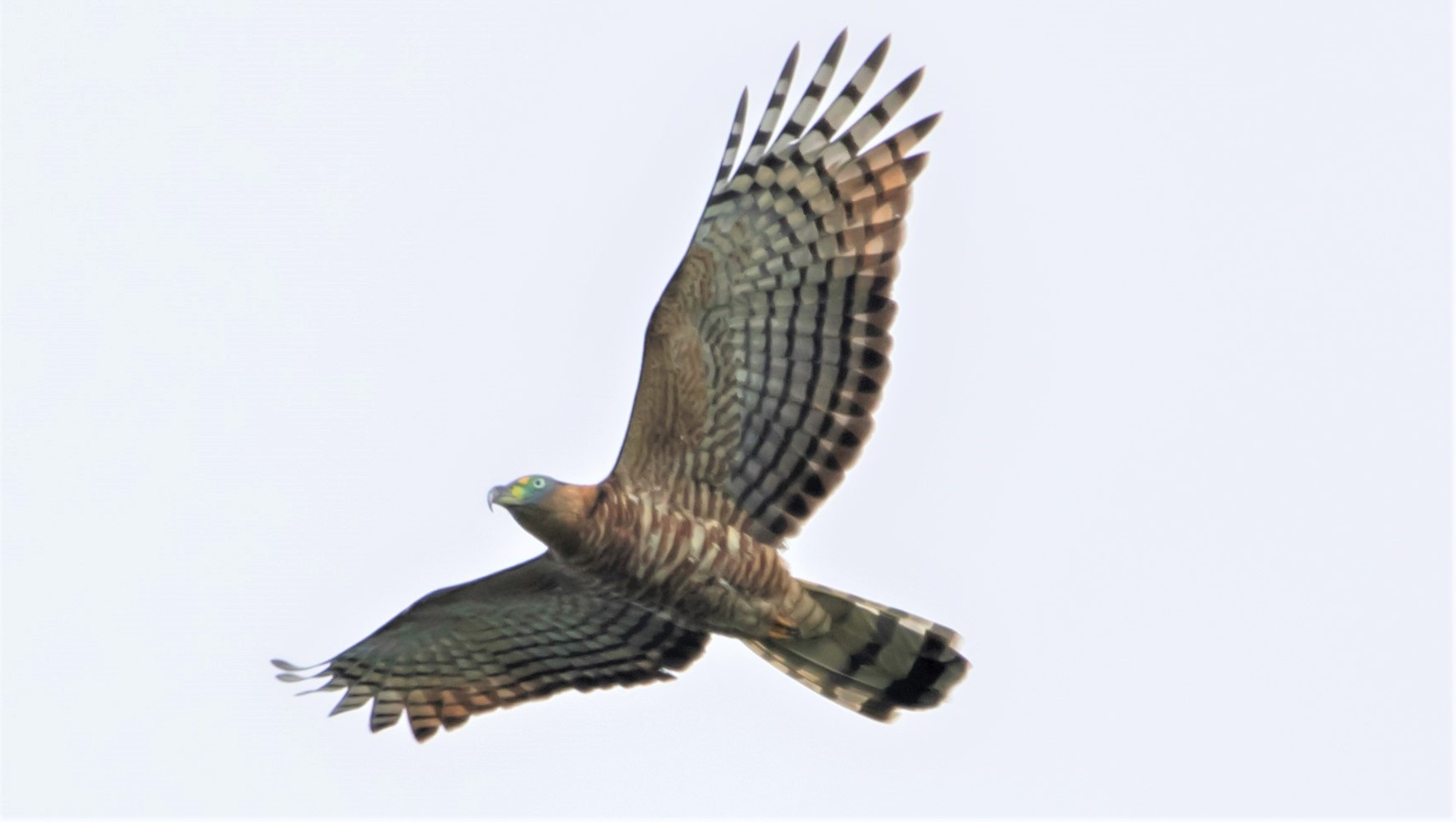
The Hook-billed Kite, Chondrohierax uncinatus, is a Neotropical raptor with many unknown aspects of its ecology. It is a highly specialized and widespread species feeding only on terrestrial snails. The Hook-billed Kite is found in various forest types from extreme southern Texas to northern Argentina but is generally considered an uncommon Neotropical species with local declines noted.
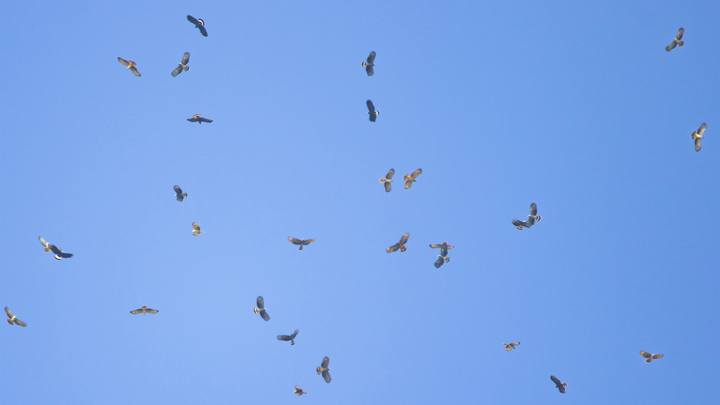
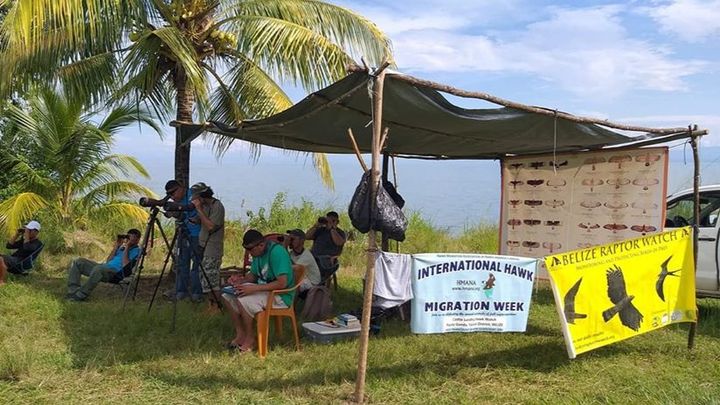
In 2013, we established the Belize Hawk Watch in southern Belize, Toledo District to monitor a large autumn southbound migration of Hook-billed Kites. Over the past 12 years, we have counted an average of 4,961 kites per season, with a high annual variation of 750 to 9,800 kites (Phillips et al. 2023). This is now known as the largest migration of this species anywhere in the world and was only recently discovered and described (Jones 2002, Phillips et al. 2023). It remains a mystery as to where these migratory Hook-billed Kites are spending both the non-breeding season and breeding season, as this magnitude of a Hook-billed Kite migration has not been observed outside of Belize.
This abundance of Hook-billed Kites in Belize during autumn migration affords a rare opportunity to track the movements of this little known and elusive species to better understand its migratory patterns and routes, potential threats, identify critical non-breeding and breeding areas, and ultimately reveal life-history information about the full-annual-cycle to provide insights for conservation and habitat protection.
In the Hook-billed Kite’s largest suitable breeding area in the northern extent of their range, Yucatán Peninsula in Mexico and Belize, deforestation and habitat loss is a major concern that is currently or could become a major threat to Hook-billed Kite populations and their movement ecology.
To understand this enigmatic migration, we are excited to propose a tracking study using novel cellular GPS tracking technology. With this project, we will begin to unravel this mysterious movement of Hook-billed Kites and better understand the potential threats and key areas for this species that will benefit other Neotropical species.
Please consider contributing to this novel and exciting research effort.
WATCH THIS TALK FOR AN OVERVIEW OF THE BELIZE BIRD CONSERVANCY AND THIS PROEJCT:
https://youtu.be/p1ozRwqOwjg
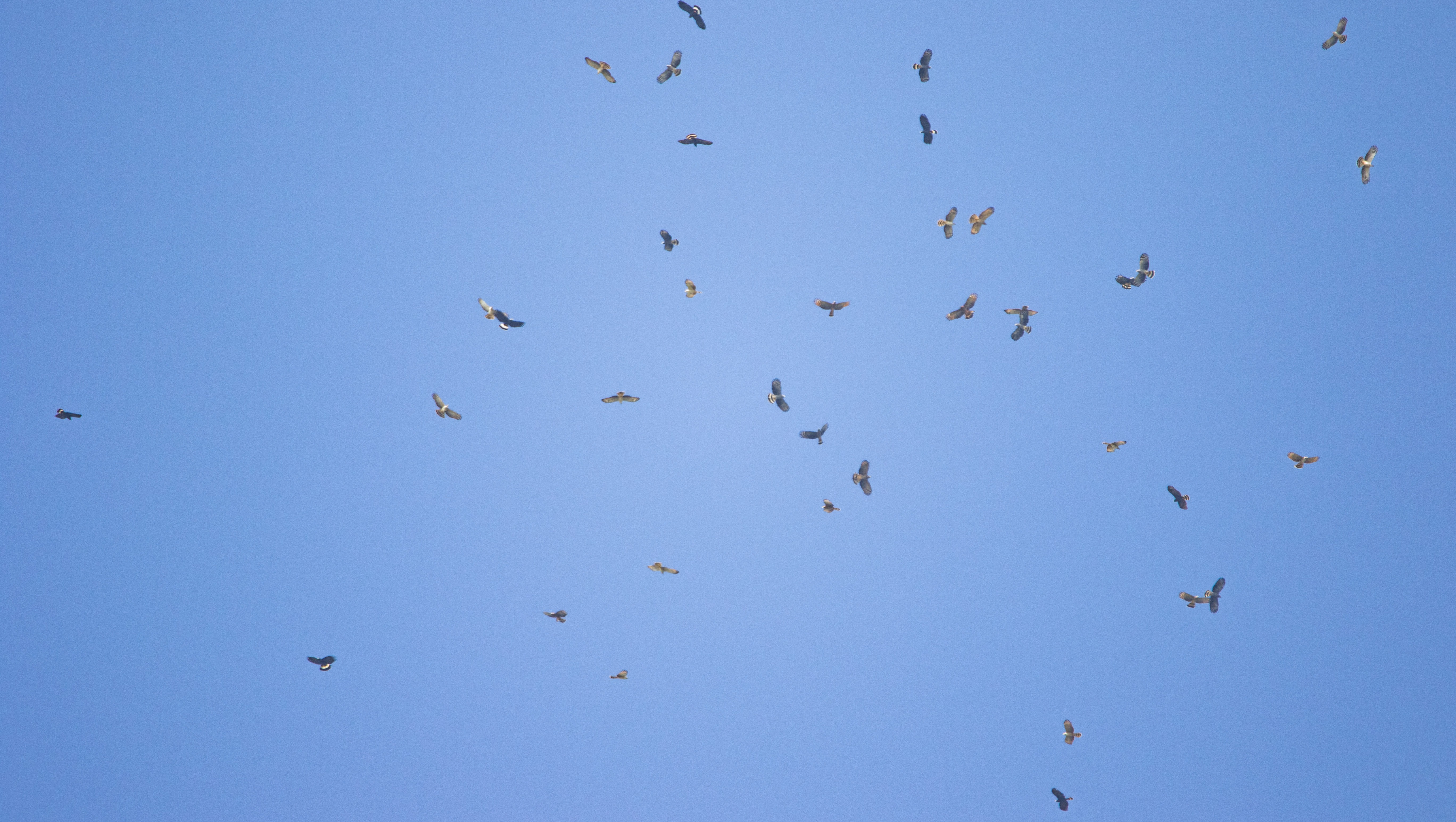
A flock of migrating Hook-billed Kites in Belize. Photo by Isaias Morataya.
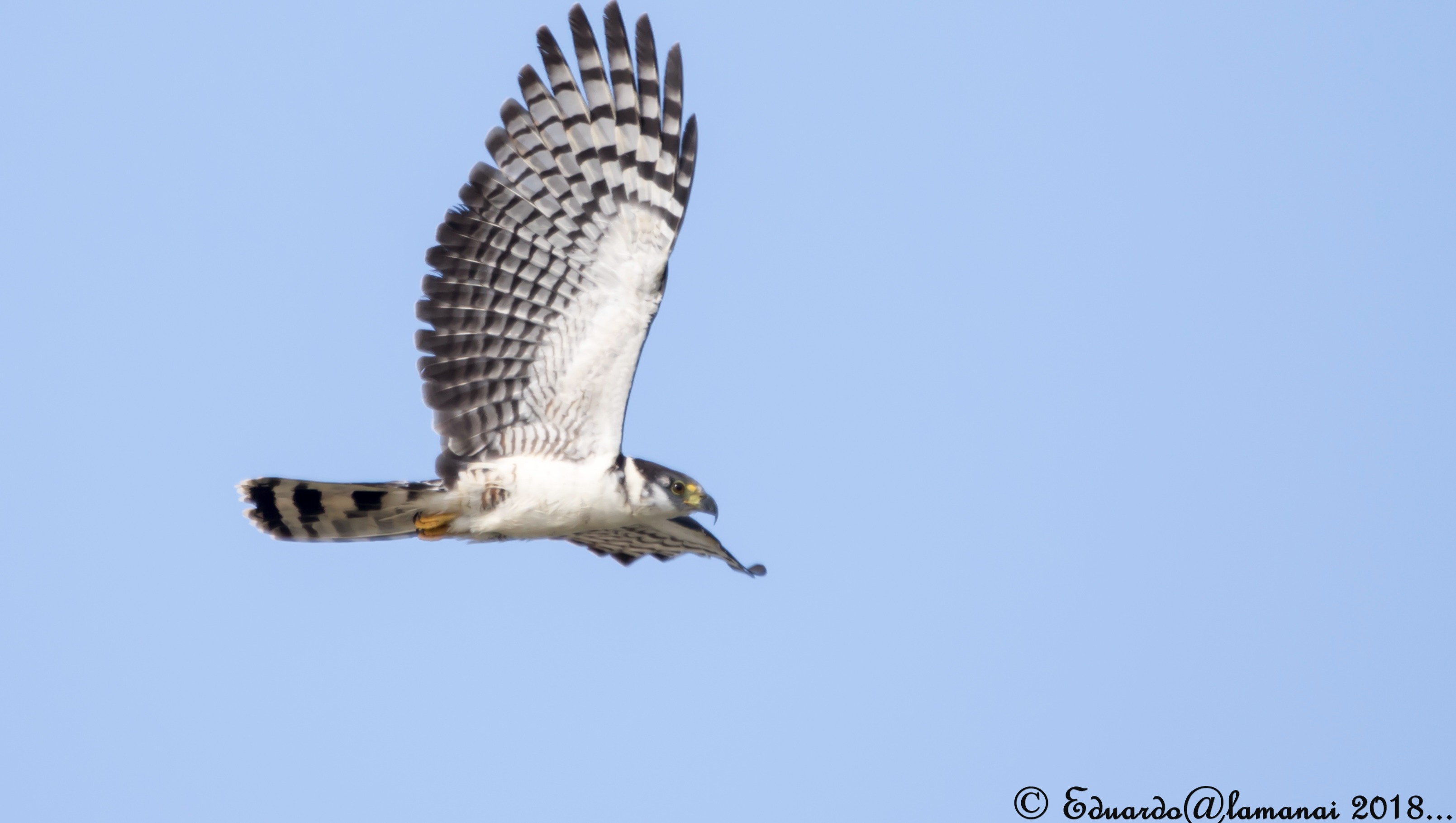
A juvenile Hook-billed Kite migrating south in Belize. Photo by Eduardo Ruano.
Belize Bird Conservancy Website
Belize Bird Conservancy Facebook
- R
- B
- M
15 supporters
 guidestar.org/profile/26-4504413