- H
- M
Support marginalised Batwa kids who lack access to school
0% complete
€577 raised of
13 donations
Hello! My name is Dan, and I run a small community school in Uganda that supports marginalised Batwa children to access education and hope for a better future. This fundraiser was kindly created by my friend Lorenzo, who lives in Italy. Because GoFundMe doesn’t yet operate directly in Uganda, Lorenzo is helping host the campaign and will make sure all funds reach our school safely. Please read on to learn more about who the Batwa people are, the challenges they face, and the story of our school - how it began, the struggles we encounter, and how your contribution can make a real difference.
Background
The Batwa people are an indigenous ethnic group from the forests of southwestern Uganda, Rwanda, Burundi, and the Democratic Republic of Congo. They are the original inhabitants of this region, living there for thousands of years – long before the arrival of the Bantu peoples. For generations, they lived as skilled hunter-gatherers, deeply connected to the land that sustained them. For the Batwa, the forest has always been more than just a home – it is the heart of their culture and the source of their food, medicine, and spiritual wellbeing. Guided by a deep respect for nature, they have always shared and protected its resources, ensuring that future generations could continue to thrive.
This balance was broken during the colonial era. When Uganda became a British Protectorate in 1894, vast areas of forest were claimed as crown land. Local communities were barred from entering, while forests were cleared for cash crops or turned into game reserves and national parks. The European concept of private land ownership replaced the Batwa’s communal stewardship, and their access to vital resources began to vanish. In 1991, the creation of the Bwindi Impenetrable National Park led to the forced eviction of the Batwa from their ancestral forest. Batwa families were left homeless, with no land, no compensation, no way to continue their traditional way of life, and no viable alternatives to sustain themselves. Ever since, they have faced severe hardships driven by marginalisation and extreme poverty – struggling with chronic food insecurity, limited access to education and healthcare, and the social challenges that come with displacement, such as widespread discrimination, exploitation, sexual abuse and the spread of sexually transmitted diseases, alcoholism, loss of cultural identity.
Several non-Batwa-led businesses and purported non-profit organisations have exploited the Batwa’s vulnerability to blackmail by expropriating, commodifying, and capitalising on their unique indigenous heritage. This heritage is showcased for tourism through cultural performances linked to the Batwa’s forest way of life, while the Batwa themselves are deceived and excluded from the revenues raised. At the same time, they are used as a labour force in feudal-like schemes in exchange for squatting on the landowner’s fields and insufficient food, and their destitution is leveraged to attract aid funding from international donors, only for such resources to be diverted through embezzlement. In this way, the Batwa’s plight is repeatedly turned into a money-making scheme, leaving the Batwa utterly excluded from its benefits.
Who we are
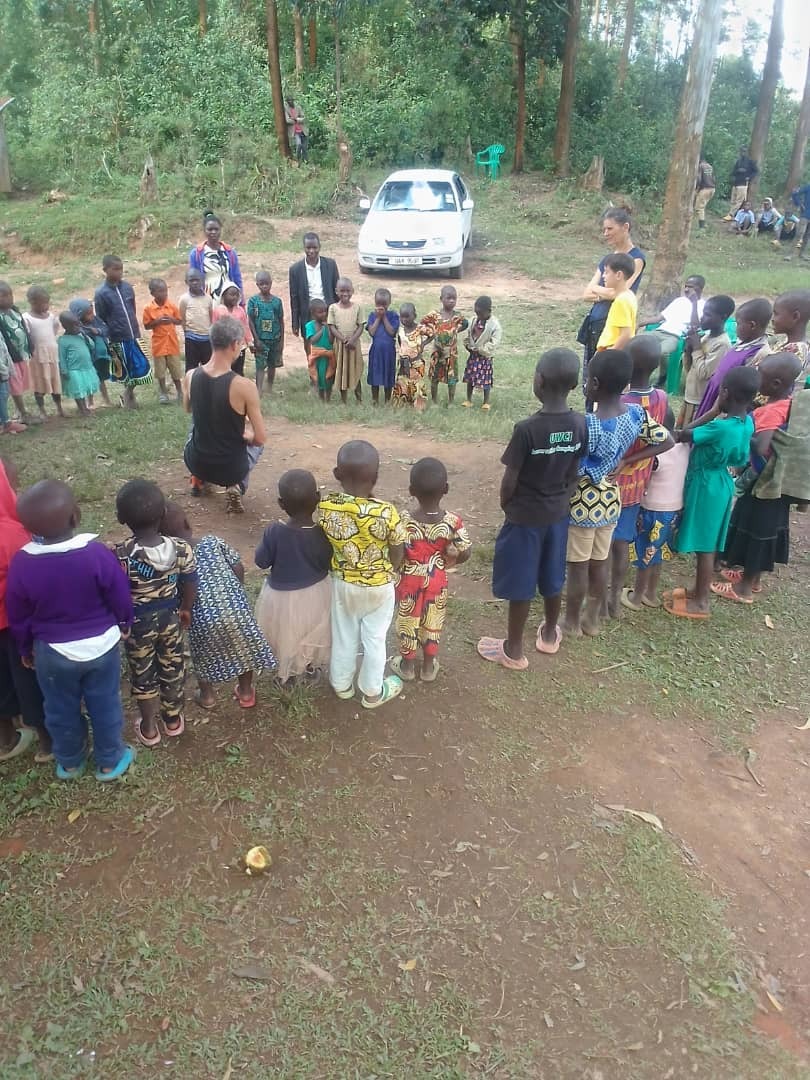
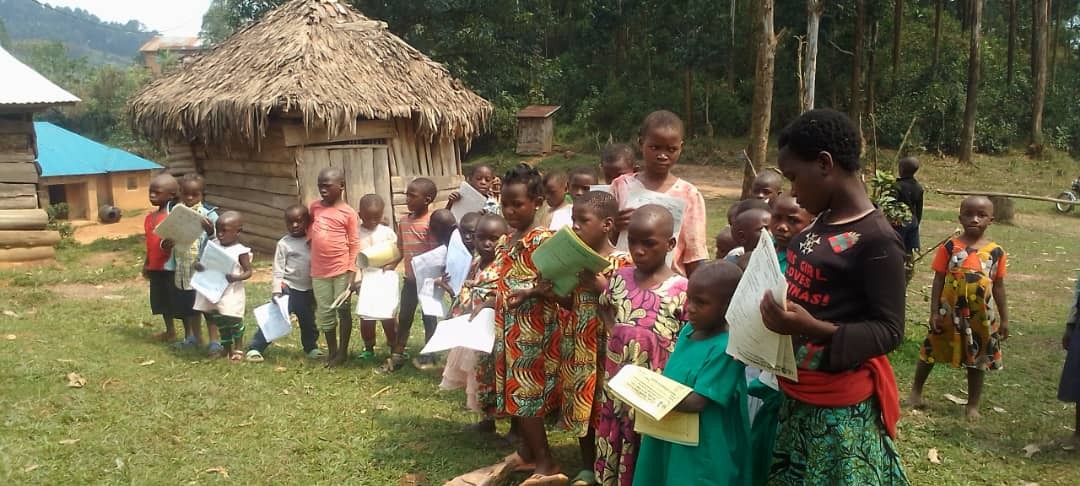
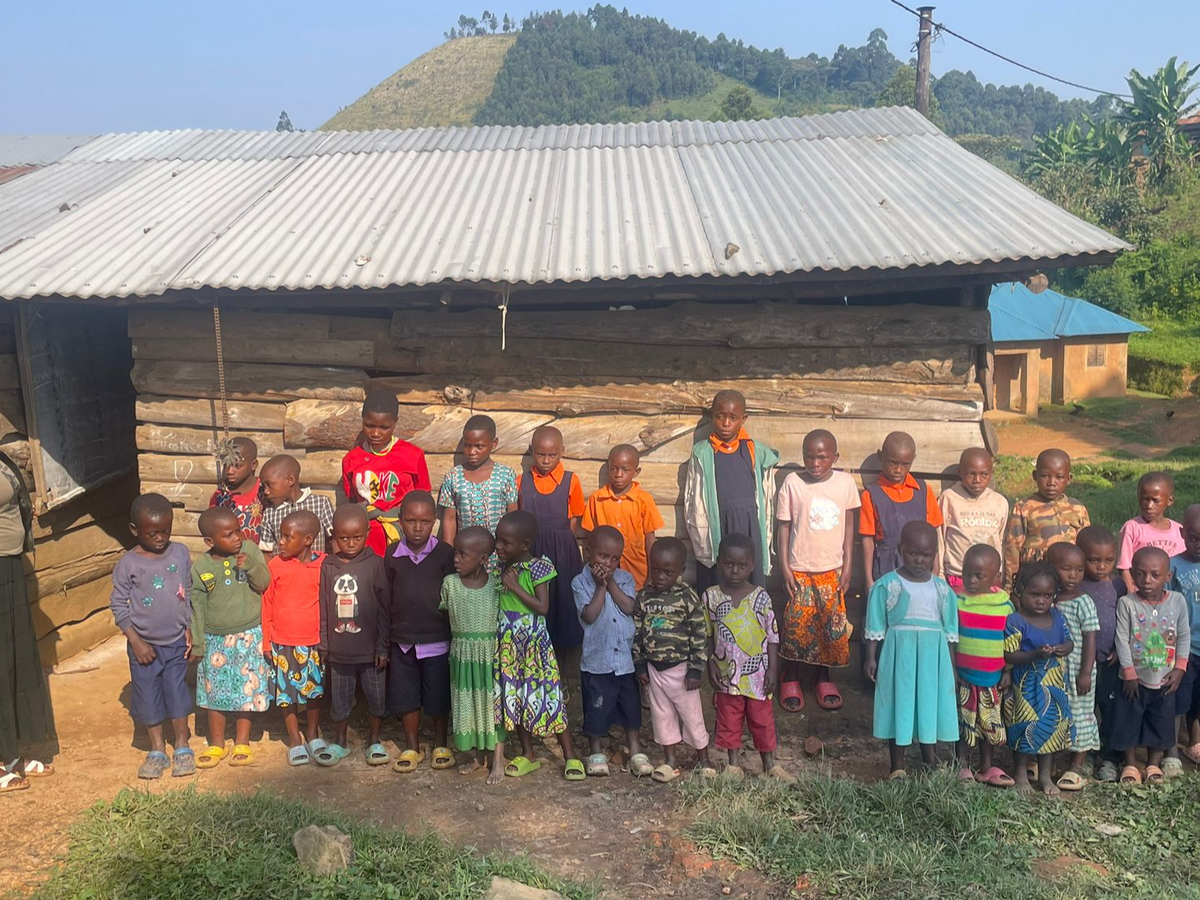
My name is Dan, and I am the founder of Seed of Love Primary School, located in Kikobero village, Kisoro district, Uganda. Although I am not from the Batwa community myself, I was deeply moved by their story of injustice and hardship. In February 2023, I decided to invest some of my own resources to start a school project for Batwa children and other marginalised children in my area, such as orphans and refugee children fleeing the war in the nearby Democratic Republic of Congo. My mission has been to take these children off the streets and provide them with the opportunity to experience a formative and healthy childhood. Without access to education, Batwa children and other marginalised youth are often forced to grow up too quickly, being exposed to sex, alcohol, and tobacco at ages as young as eight. Raised in conditions of extreme poverty, they are also more likely to resort to stealing from households or fields, which puts them at great risk – if caught, they may be beaten or even killed on the spot. When I initiated this school project, my motivation was to break the vicious cycle in which the Batwa are trapped, with the goal of empowering the next Batwa generation to eventually take over the project and become the drivers of their own development in the decades to come. As for orphans and refugee children, I personally seek out willing families who can host and care for them, helping to facilitate their integration into the local community and giving them the chance for a bright future despite their bitter past.
Seed of Love Primary School is a place where cultural exchanges are wholeheartedly encouraged and no culture prevails over other ones. As a matter of fact, besides Batwa and Congolese children from various tribal backgrounds, some children enrolled in our school come from the local Bakiga and Bafumbira tribes. Regrettably, our Ugandan society often teaches young people to segregate themselves on the basis of tribal background, which leads to instances of severe bullying in schools. We, however, believe otherwise. We envision a society where all people are equal, yet enriched by the diversity that comes from sharing our unique indigenous cultures. We believe that heritage should never be a barrier to socialisation, but rather a compass for self-fulfilment and a gift to be shared with others. This is why we wanted to ensure that Batwa children grow up connected to their roots. In addition to arranging dance and music classes, we have involved Batwa elders to share their stories about life in the forest and to help establish a “pocket forest” next to the school. There, Batwa pupils can grow and learn about medicinal herbs, beekeeping, and other staple plants once commonly used by their community – knowledge that is unique to the Batwa people and must be protected, as it is now endangered. We believe that avoiding cultural alienation and strengthening the Batwa cultural identity is the most appropriate way to drive the Batwa out of poverty.
The current state of things
Until now, this project has been financially sustainable thanks to the payment of a little tuition fee by wealthier local families belonging to the Bakiga tribe (to which I also belong), not to mention the invaluable volunteer work of a few local teachers. Sporadically, we receive little donations from foreign travellers who visit the area and learn about our project. I personally sustain the project with the little earnings from various other activities I do, such as casual work for others and providing transportation services with my car.
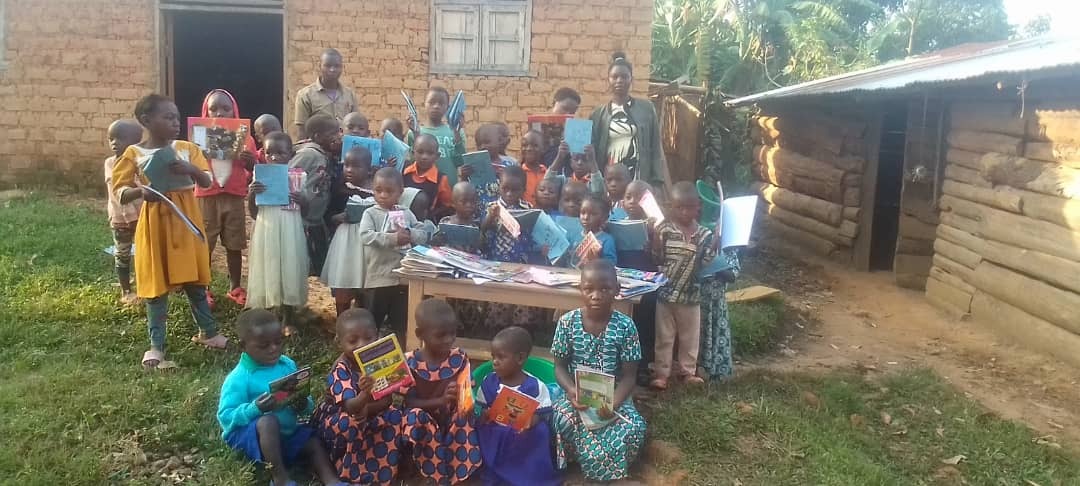
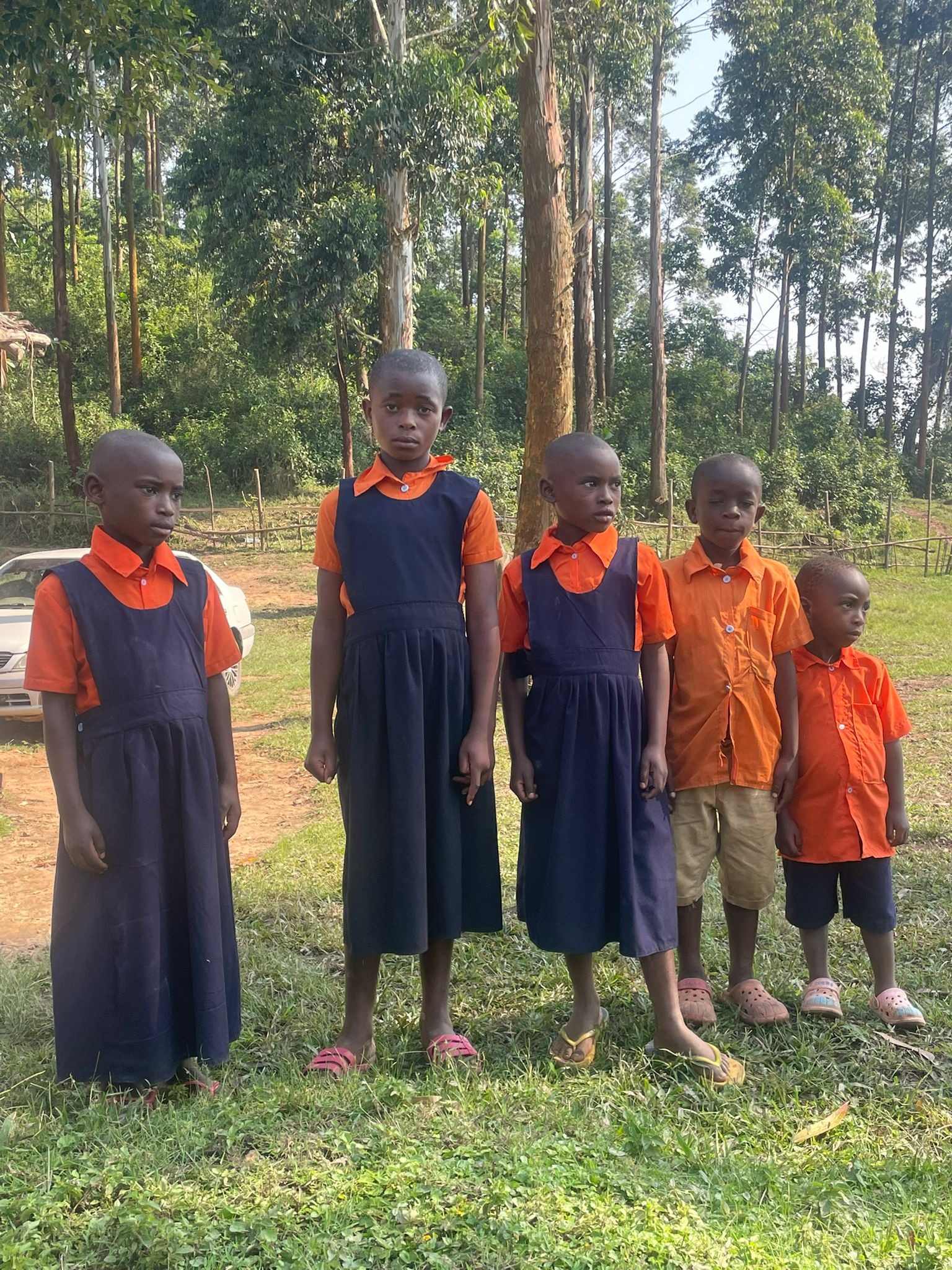
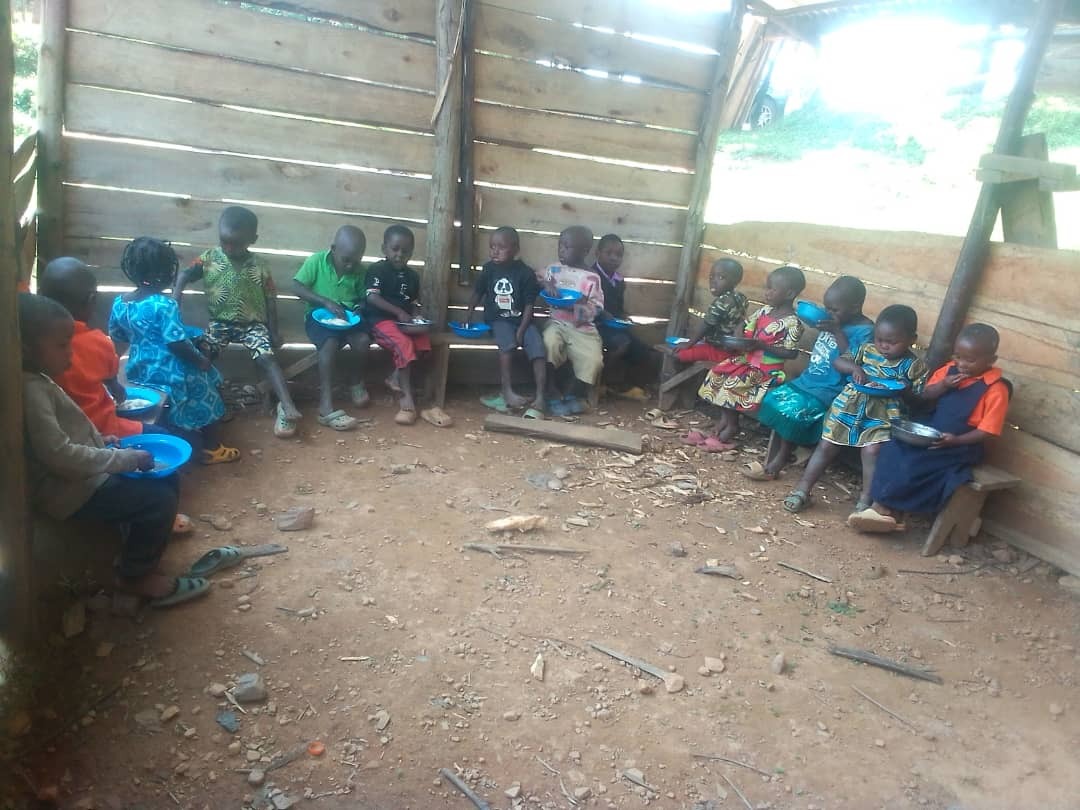
However, due to the growing number of kids in need of assistance and the shrinking donor pool, our resources are currently insufficient to sustain the initiative, let alone allow it to grow. We are financially unable to provide nutritious and balanced meals to the seventy children attending the school (also due to the absence of a decent kitchen with essential facilities), and we are struggling to supply school uniforms so that our pupils do not have to wear old, dusty, torn clothing. We are also facing challenges in procuring sufficient learning materials, such as notebooks, pencils, pens, textbooks, sports equipment, and recreational resources. On top of that, we find ourselves forced to underpay our staff, with salaries ranging from 100,000 UGX for the cook to 150,000 UGX for the three teachers and caregivers per month (~25–36 EUR). This makes it very difficult to attract and retain qualified staff, and we must rely on the generosity and voluntary spirit of a few dedicated individuals willing to work for these low wages. The school lacks essential sanitary facilities such as toilets and showers with running water, as well as water tanks for filtration to provide children with safe, potable water year-round. The lack of basic hygiene items, including showers, soap, and clean clothing, together with the absence of a nutritious diet, is among the leading causes of school dropouts in our school.
The school complex consists of three buildings, two of which are made of wood, mud and iron sheets. One of them serves as the school hostel for about ten orphan and refugee children, while the other one hosts the only classroom available. They are both in run-down conditions requiring prompt renovation, besides being beyond their capacity. With the growing number of refugee children and orphans, it is increasingly difficult to provide shelter for all newcomers, leaving many children homeless also due to the shrinking availability of local host families.
The journey we have ahead
We are eager to grow. In August 2025, we started a partnership with one of the very few entirely Batwa-run NGOs – the Batwa Indigenous Development Organisation (BIDO), based in the nearby Rubuguli. BIDO is a well-established and experienced advocacy and humanitarian NGO founded by Alex Ahimbisibwe in 2015 that has the empowerment of the Batwa at the heart of its mission. With the guidance of the BIDO team, my initial objective is to:
• Procure food supplies (approximately 200 kg of corn and 90 kg of beans) for students to ensure they have access to meals through the end of the current term (31st December 2025) – 915,000 UGX (227 EUR)
• Ensure there are resources to increase staff salaries by 66,500 UGX per person per month through the end of the current term (31st December 2025) – 532,000 UGX (132 EUR)
• Scholastic materials such as pens, note books, text books, chalks, and school uniforms for the 70 enrolled children – 605,000 UGX (150 EUR)
• Construct sanitation facilities including toilets, sinks and showers for students to prevent further school dropouts – 4,030,000 UGX (1,000 EUR)
• Renovate the wooden structure of the existing classroom while finalising its interiors by covering the currently dusty floor with concrete – 805,000 UGX (200 EUR)
• Build an essential kitchen to simplify the cooking process – 605,000 UGX (150 EUR)
• Fence the school to enhance children’s security – 565,000 UGX (140 EUR)
These actions aim to stabilise the school’s precarious financial situation and prevent dropouts among currently enrolled students. They lay a solid foundation for future, larger-scale school improvements, such as the construction of new classrooms and student hostels to address the saturated capacity of the existing facilities; the installation of water tanks and filtration systems; the increase of teacher salaries; and the scheduling of dental and medical check-ups for students.
We estimate that a funding of approximately 8,057,000UGX (~ 2,000 EUR) will allow us to cover the expenses for the first stage of the work as illustrated above.
Join us in changing lives
Every child deserves a chance at education, health, and a loving home. By supporting Kikobero Seeds of Love Orphanage Foundation, you help break the cycle of poverty and offer hope to children who need it most.
Please donate today and share our story. Together, we can build a brighter future for these vulnerable children. Every contribution, no matter the size, makes a real difference.
For more information or inquiries, please contact us anytime. You can also follow our Instagram page "kikobero.orphanage" to follow our progress and achievements.
Thank you from the bottom of our hearts for your support.