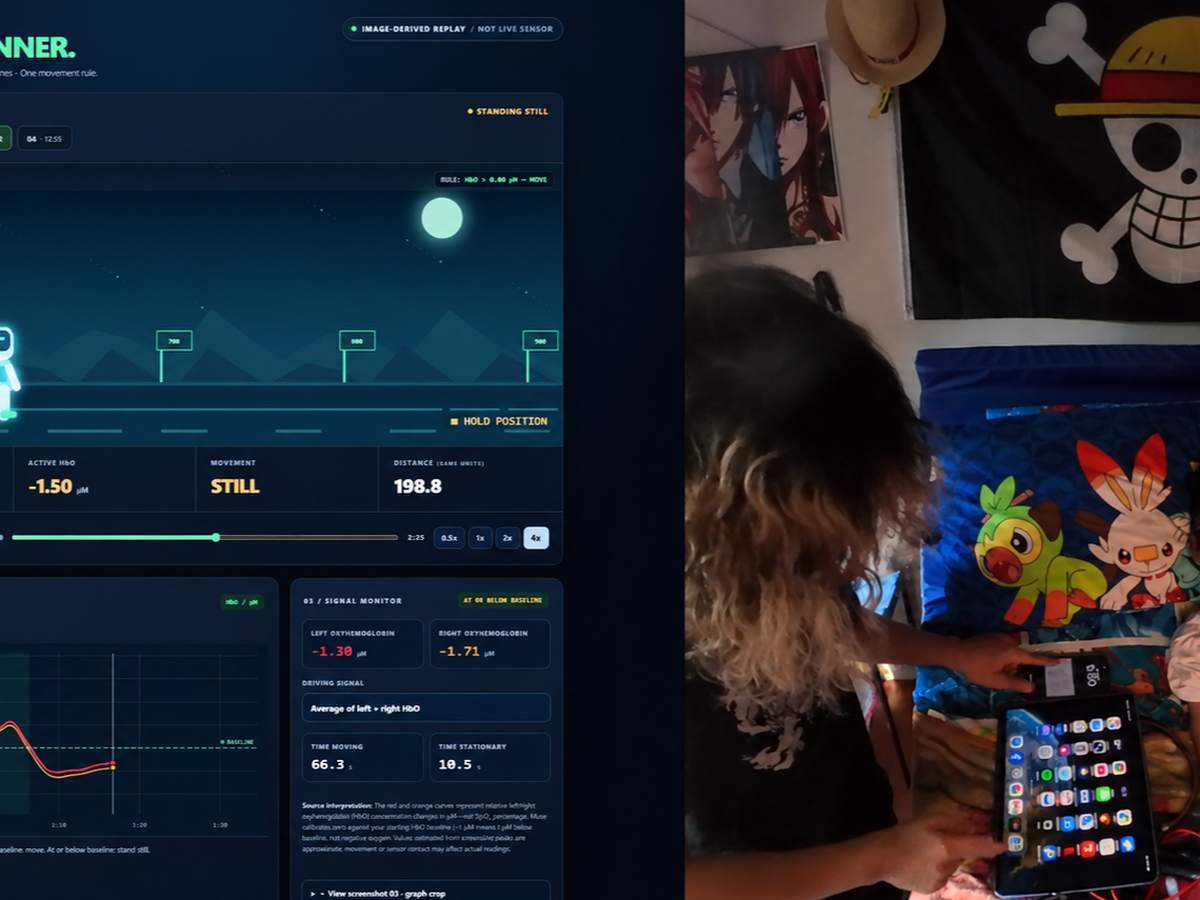
Help Caleb beat Elden Ring with just his MIND even with DMD!
Be the first to donate
Inspire others and help Kye build momentum.
1st donor
What if you could still imagine running, jumping, and exploring, but your muscles could no longer carry out those movements?
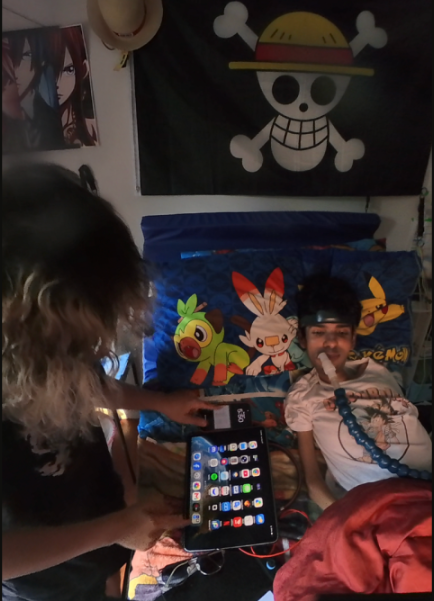
That's the challenge my friend Caleb faces every day.
Caleb has Duchenne muscular dystrophy (DMD), a genetic condition that progressively weakens the body's muscles. Over the years, he's lost most of his physical mobility, including the ability to play video games.
For many of us, gaming is just entertainment. For someone with severely limited mobility, it can also be a way to explore, socialize, compete, and experience a kind of independence that's difficult to find elsewhere.
I want to help Caleb experience that again.
My name is Kye Hall, and I'm a mechatronics engineering student at Simon Fraser University in British Columbia.
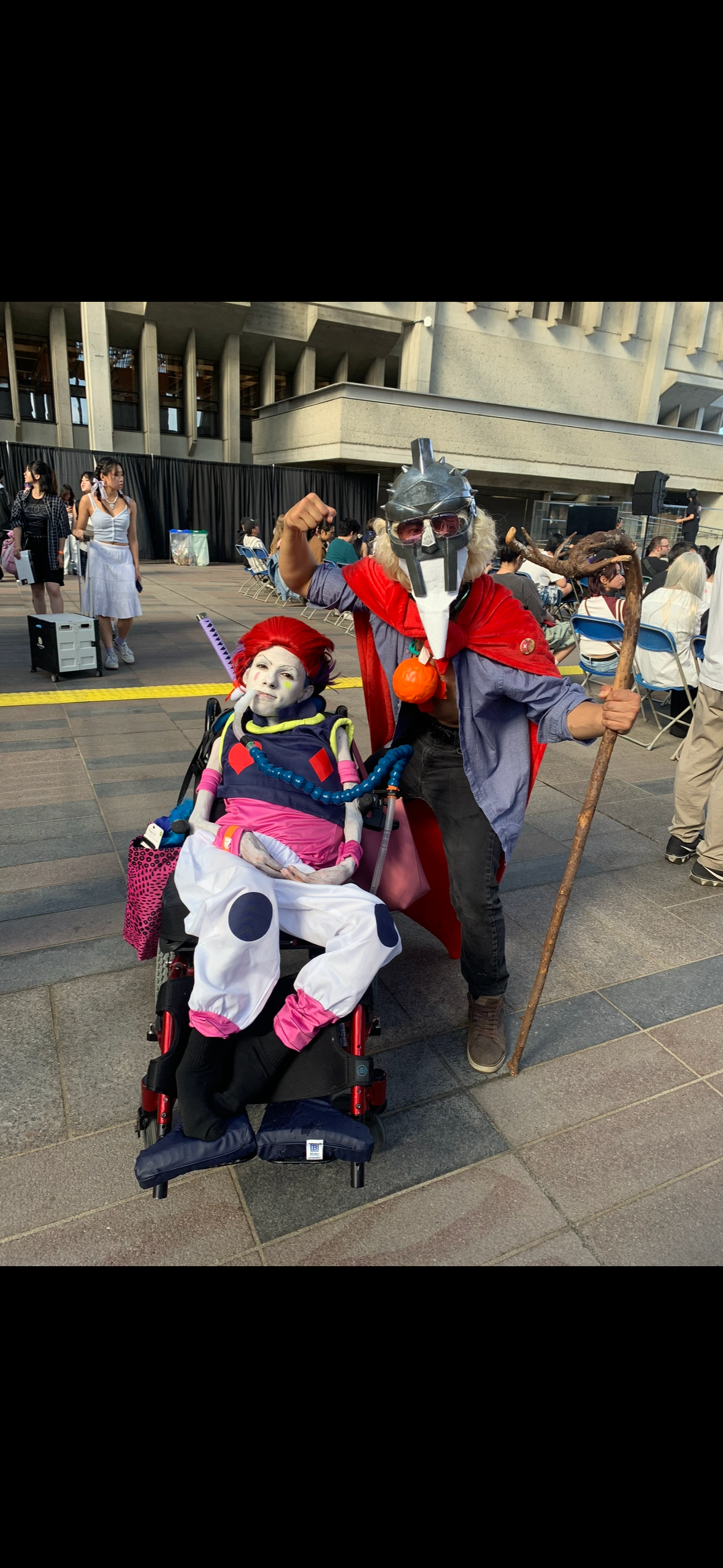
Caleb and I met at an anime convention. He took first place in a cosplay competition, while I came in last. We became close friends, and he's supported me through a lot over the past year.
Now I'd like to use my engineering education to build something that could make a difference in his life.
What We're Building!
Our project begins with a brain-computer interface (BCI), which uses sensors and software to translate measurable brain activity into computer commands.
The first goal is to let Caleb play Minecraft without needing a traditional controller.
Eventually, we want to develop controls for movement, jumping, attacking, defending, and navigating the game using EEG signals and eye tracking.
What we've accomplished
Over the past 30 days, I've built our first working prototype.
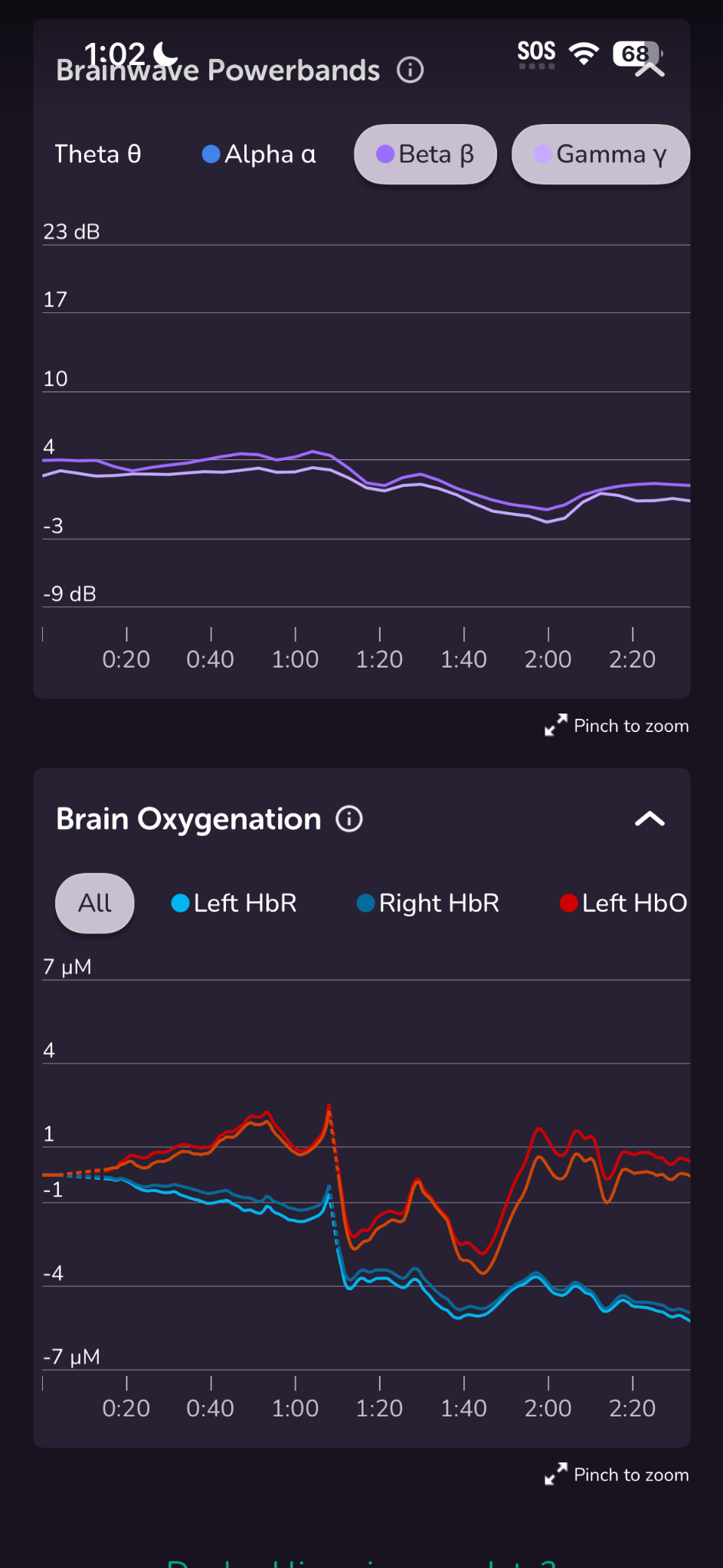
I started with a Muse S Athena, a consumer brain-sensing headset that measures EEG activity, brain oxygenation, and physical motion.
Unfortunately, I couldn't export numerical recordings or stream live data through the consumer application.
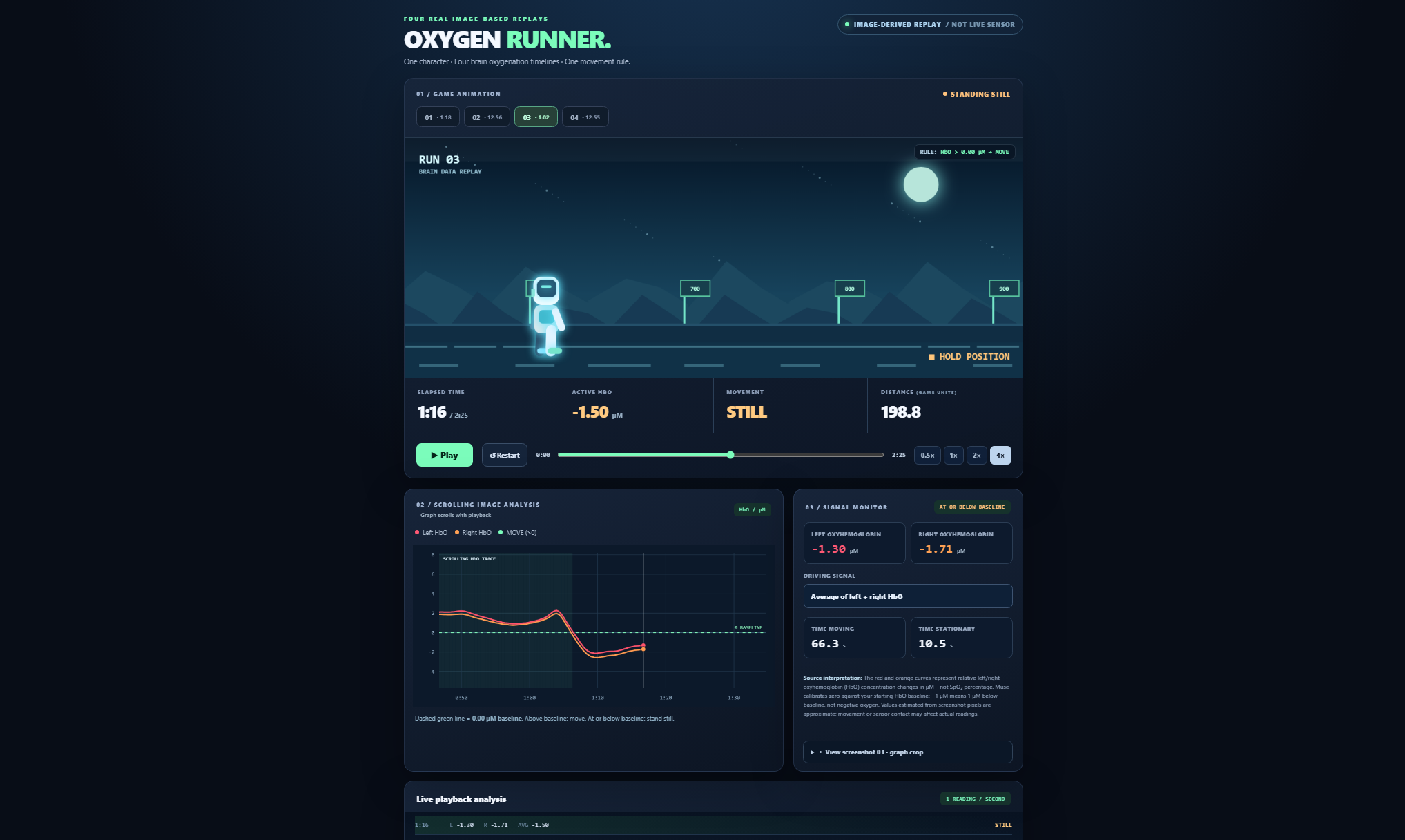
Instead of abandoning the project, I used screenshots of the recorded graphs, reconstructed their numerical measurements, and programmed a JavaScript animation engine.
After multiple experiments, I successfully mapped changes in the recorded physiological signals to a character that can stand, walk, sprint, and jump.
The first prototype works.
It isn't yet a real-time thought-controlled game, but it demonstrates that we can translate recorded sensor measurements into functioning game commands.
We've also learned which signals are difficult to interpret, particularly when breathing, eye movements, and other physical activity interfere with EEG recordings.
That's the challenge our next prototype is designed to address.
What donations will support
Our immediate priority is developing a reliable real-time controller that Caleb can personally test.
Donations will help cover:
- A more capable EEG headset, potentially the 14-channel EMOTIV EPOC X ($2,000)
- Required recording software, developer tools, and data-access costs
- Eye-tracking equipment for camera control (Purchased)
- Hardware, testing materials, and game-controller integration
- Future improvements based on Caleb's feedback
- Humanoid Robot UNITREE R1 ($5,000)
We'll evaluate equipment and software costs before purchasing and share what we buy, what we test, and what we learn.
Where we want to go:
Phase 2: Play Minecraft & Elden Ring
Develop and test a real-time interface that allows Caleb to control a game using distinguishable mental commands and accessible inputs.
Phase 3: Control a Humanoid Robot
Explore whether the same BCI can eventually operate a robotic body with cameras and sensors, allowing Caleb to interact with the world remotely.
A robot could potentially help him explore spaces, manipulate objects, and participate in activities that his physical limitations currently make difficult.
Phase 4: Future of Brain-Controlled Technology
Much further into the future, we hope to investigate robotic assistance that could help Caleb move his own body.
We know this is a long-term research goal, not something our current equipment can accomplish, but a dream must first be spoken before it can become a reality.
How you can help
Every contribution helps us move closer to our next practical milestone: a real-time BCI controller that Caleb can use to play Minecraft, Elden Ring, and eventually way more than just video games!
If donating isn't possible, sharing this fundraiser or connecting us with people working in EEG, neural engineering, robotics, or assistive technology would also be incredibly valuable.
I'm doing this because Caleb is my friend, but the engineering problem goes beyond one person.
If we can develop accessible controls that work for Caleb, the lessons could eventually help other people with severe mobility limitations.
We started with screenshots and a headset we could barely afford as a proof of concept
The next step is to watch Caleb play Elden Ring with the EMOTIV EPOC X.
Thank you for helping us pursue our goals.
— Kye D. Hall
Organiser