- E
Defending Our Home at The Roma Farm
0% complete
$9780 arrecadados de
67 doações
Help Us Defend The Roma Farm — Our Home, Our Family, Our Future
Hi, we’re Jessica Dobson and Todd Roma, and we’re reaching out with a request we never imagined we’d have to make.
We’re asking for help with our legal defense as we fight to protect our family home and property rights in an ongoing lawsuit brought by the Town of Raymond, Maine.
Our home, known as The Roma Farm, has been the center of our lives for 25 years. What began with us simply asking our town for guidance has turned into years of legal proceedings, mounting expenses, and an exhausting fight to defend our rights.
But first, we’d love to share why this place means so much to us.
The place we call home
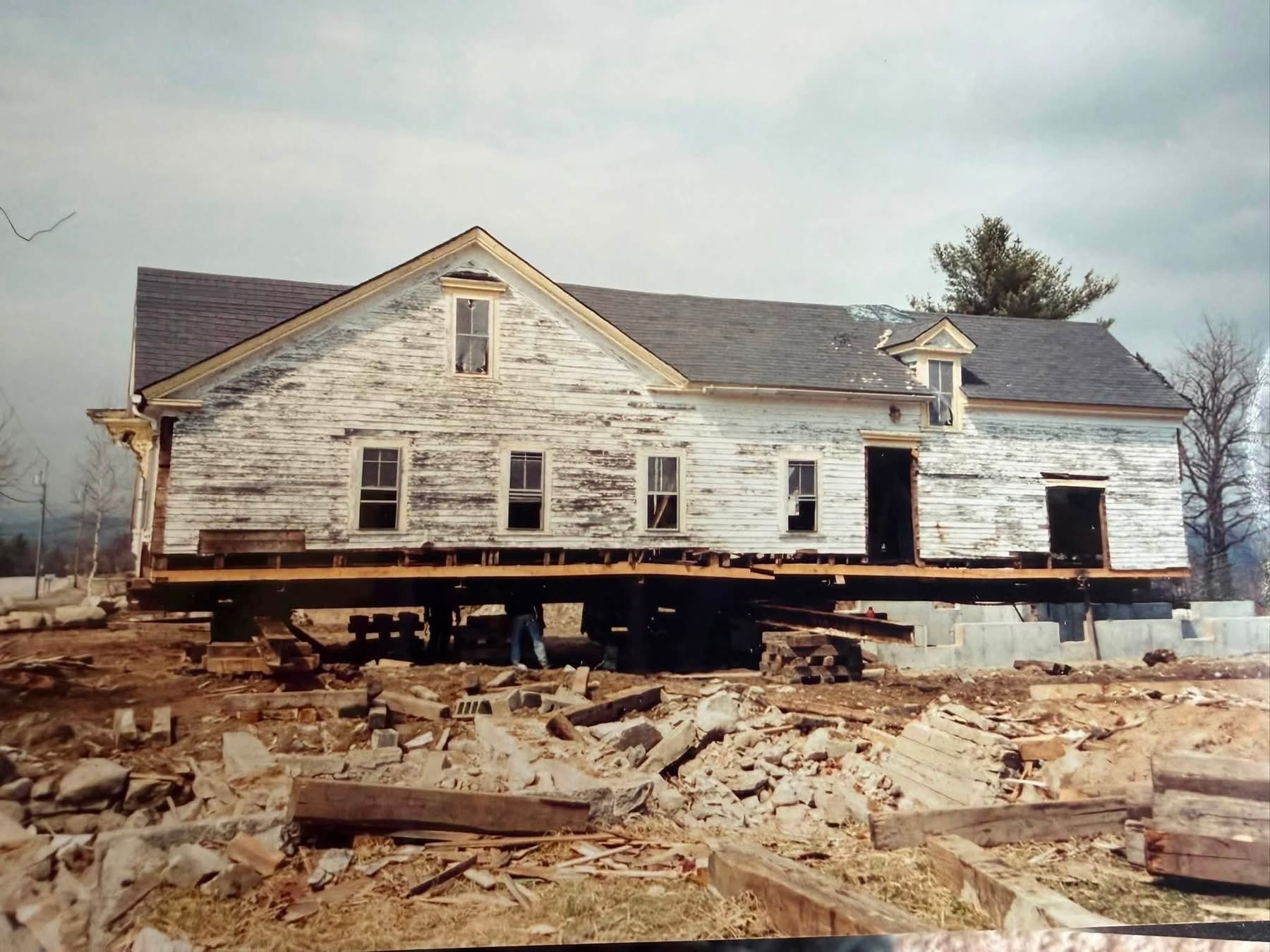
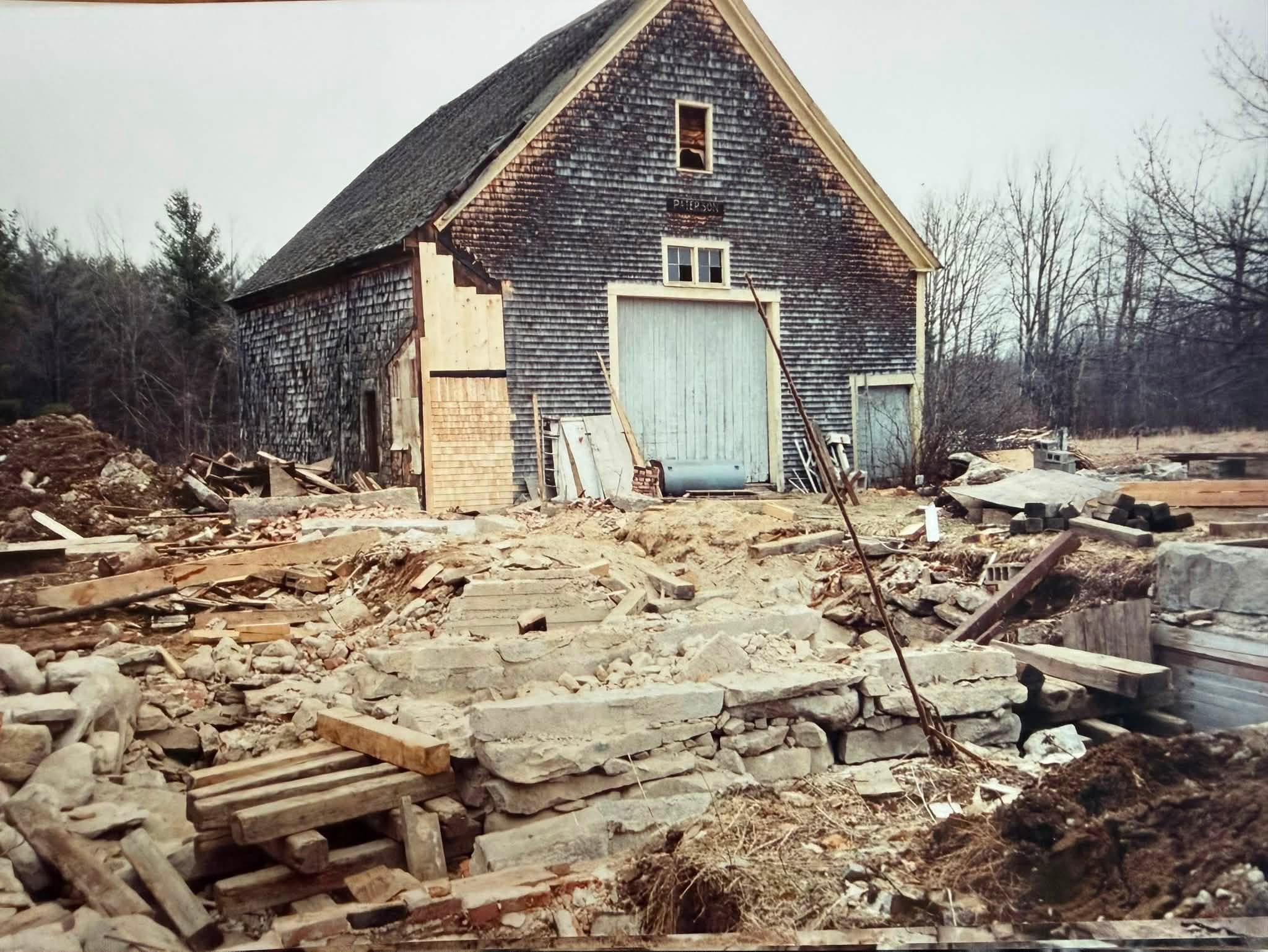
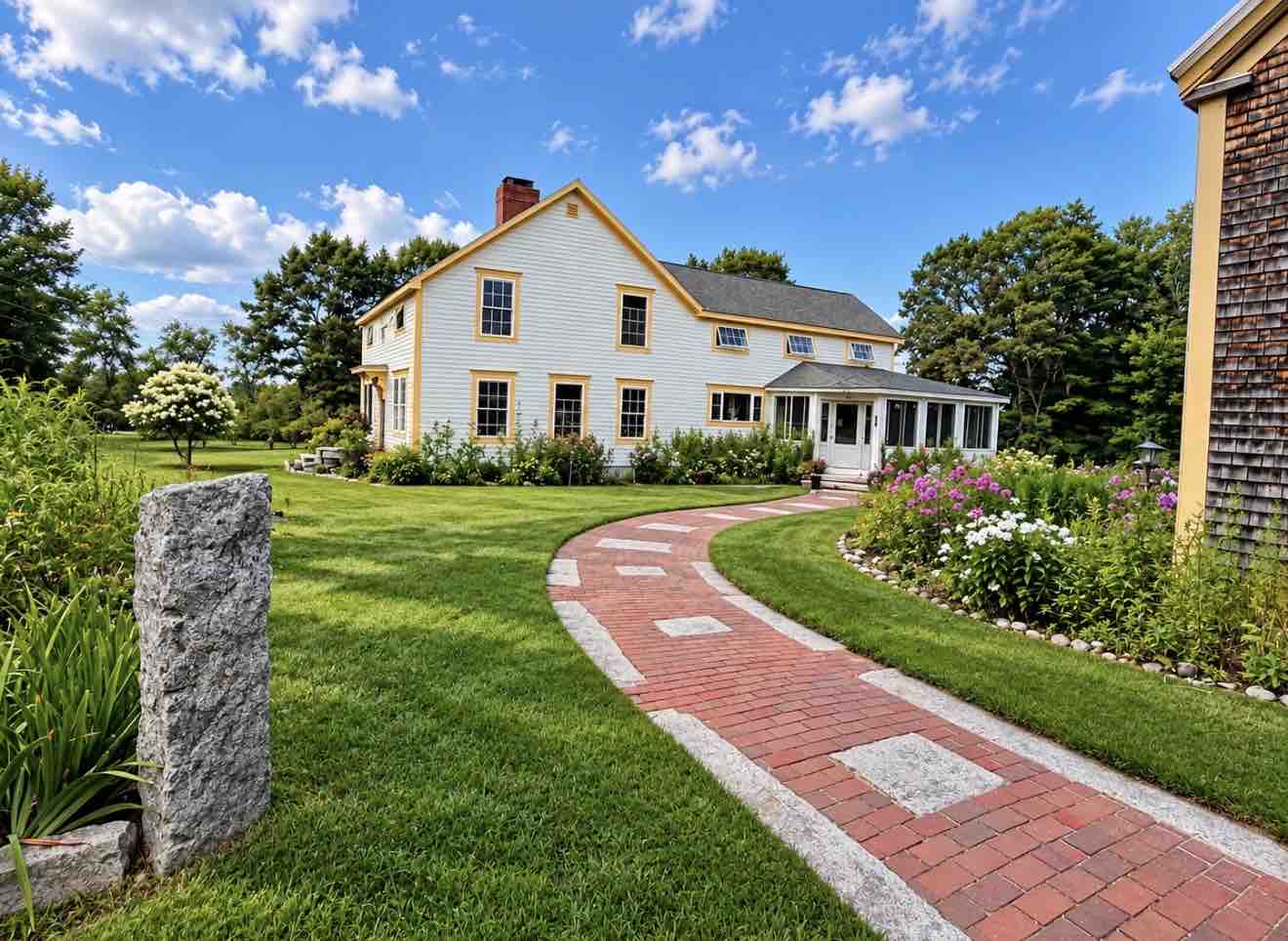
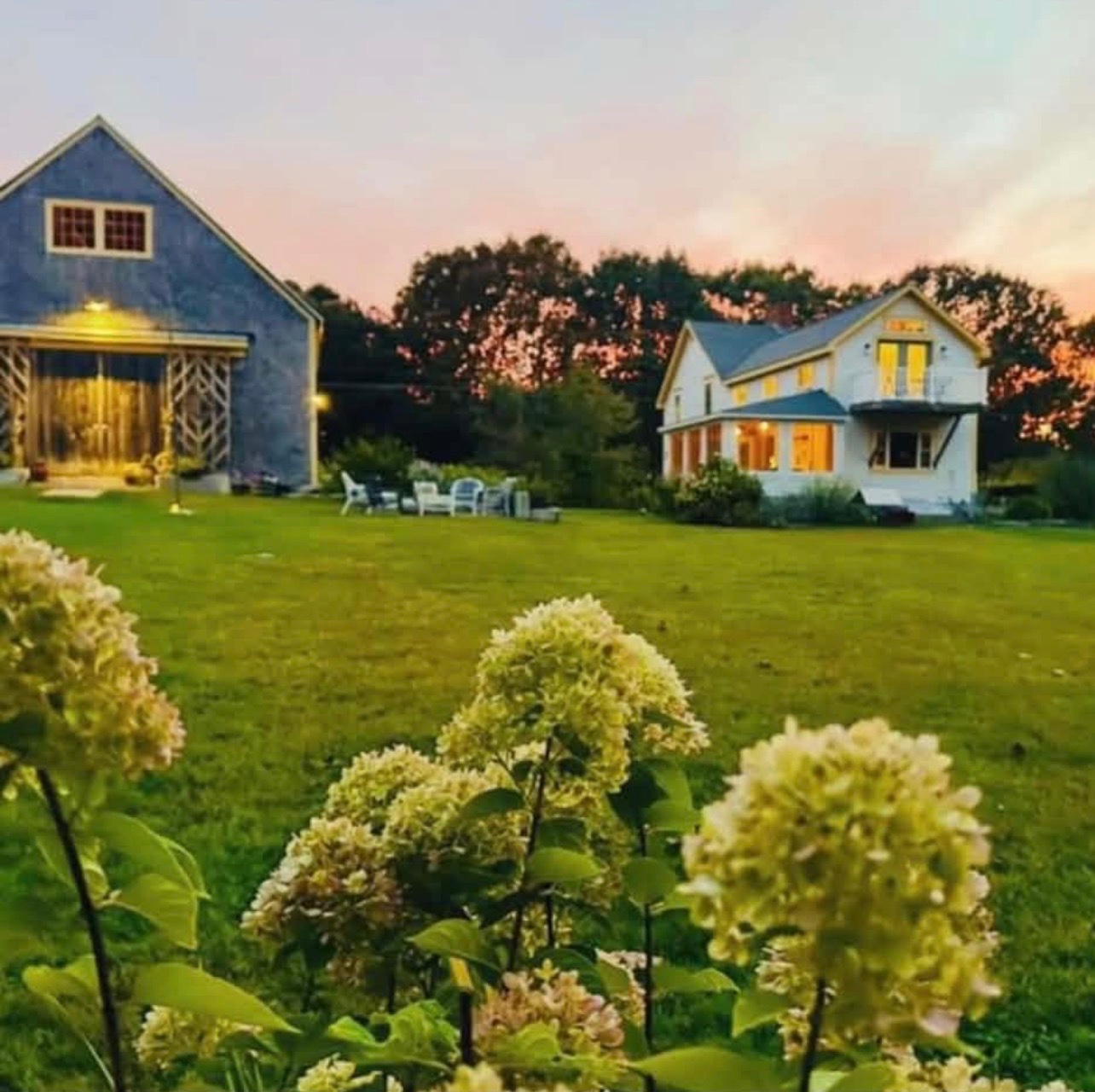
In 2001, Todd purchased a dilapidated farmhouse dating back to the 1700s, along with an equally neglected 1800s post-and-beam barn. Both needed an enormous amount of work, but they had incredible potential.
We had just started dating, and I remember thinking he was a little crazy for taking on such an enormous project!
But I fell in love with Todd, and before long, I fell in love with that old farmhouse and barn, too.
Together, with the help of wonderful friends, family, and people in our community, we spent six years pouring our hearts and countless hours of hard work into bringing those historic buildings back to life.
It wasn’t easy. Not even close. But we saved them.
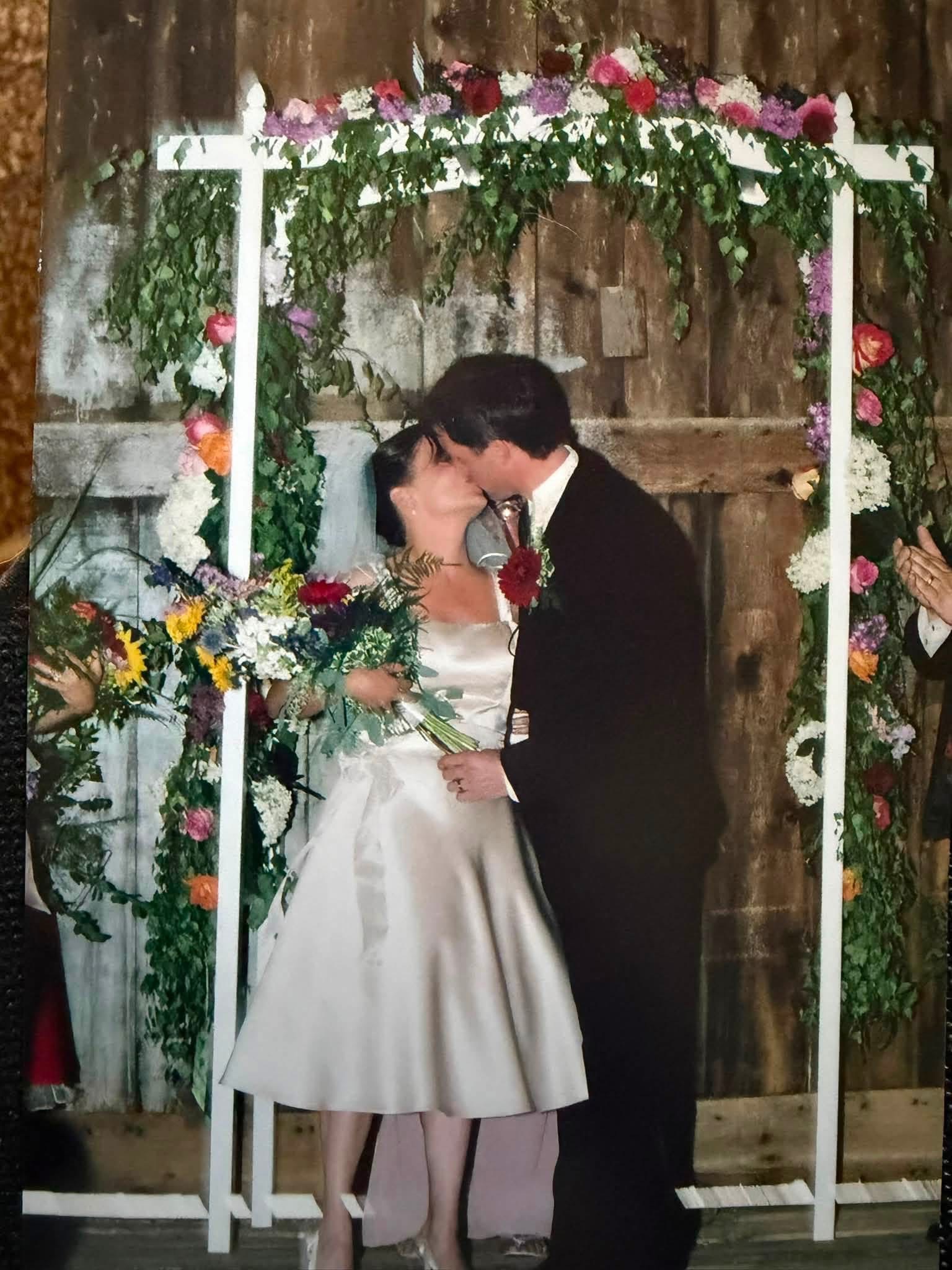
In 2007, after all those years of hard work, Todd and I were married right here on the property.
I’ve always loved decorating, flowers, planning parties, and bringing people together. So naturally, I took on the enormous task of planning and coordinating our wedding right here at home, with wonderful friends and family helping us bring everything together.
Seeing everything come together, surrounded by the people we loved, was absolutely wonderful.
Our wedding remains one of the most beautiful and cherished memories of our lives.
Since then, we’ve been fortunate to celebrate many more memorable gatherings here with family, friends, and people in our community.
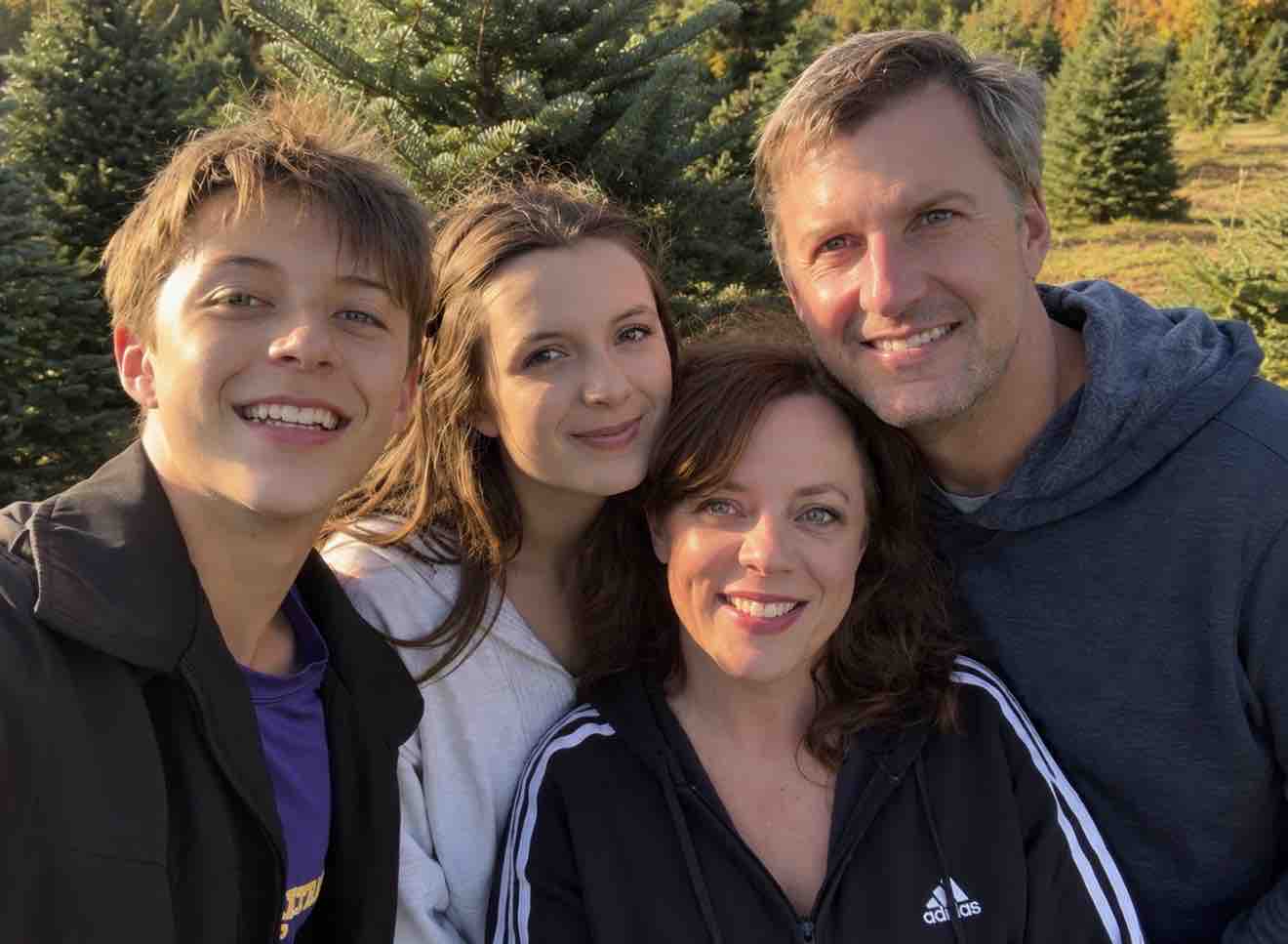
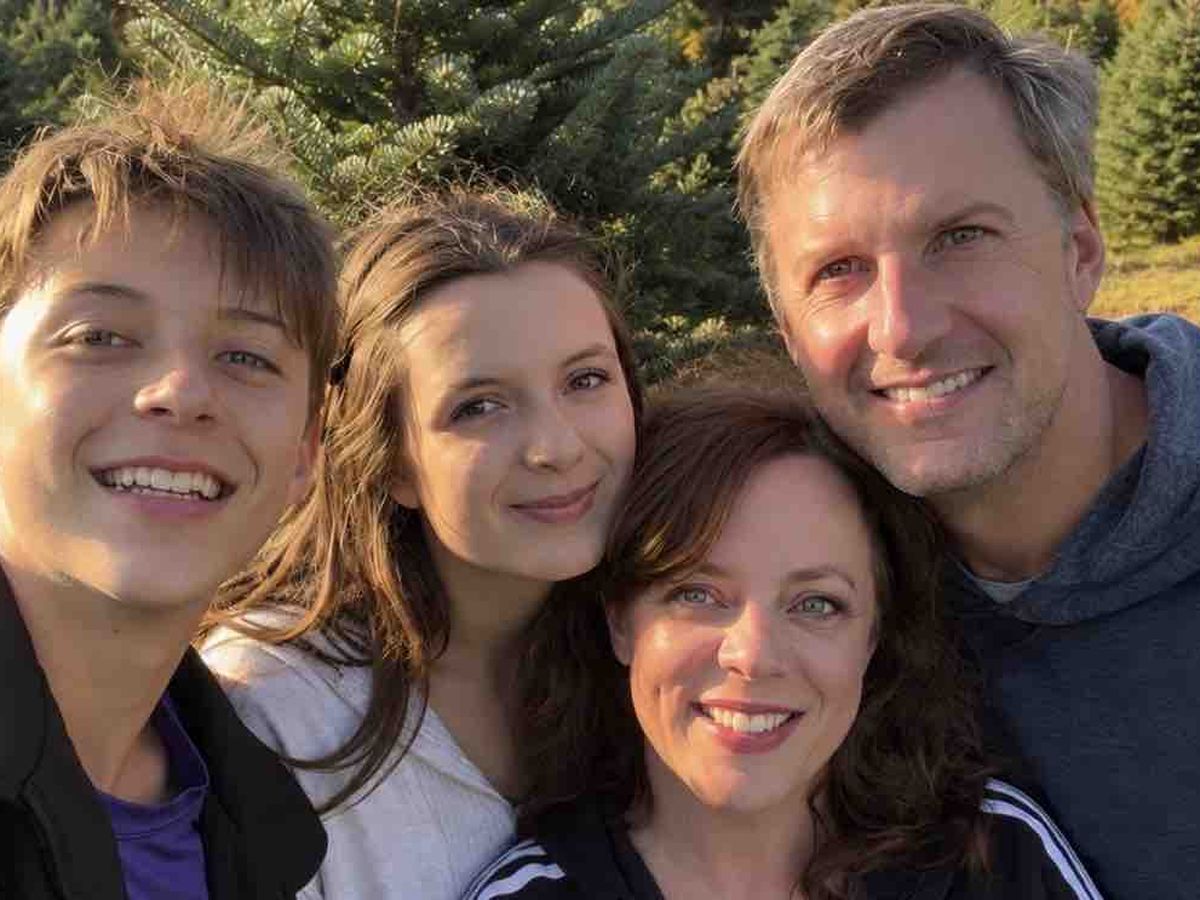
Today, we’re raising our two teenagers here. Over the years, we’ve spent countless hours giving back to our community through coaching local children, volunteering, helping with school celebrations, and supporting our neighbors.
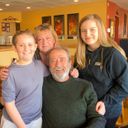
The Roma Farm isn’t just a name. It’s our home. It’s where our marriage began, where our children have grown up, and where 25 years of hard work, love, and memories live.
How did we end up in a legal battle with our own town?
Years ago, Todd and I witnessed inconsistent enforcement of town ordinances in Raymond. We’d already been hosting private gatherings for years, and we wanted to understand exactly what the town’s ordinances allowed, including occasional weddings and property rentals.
So we did what we thought was the responsible thing. We went directly to the town and asked.
We met with officials from code enforcement, planning, and fire safety. We were told there was no ordinance expressly prohibiting the activities we’d described, and that other property owners were already hosting similar gatherings.
We felt reassured, but because we’d witnessed inconsistent enforcement, we wanted something in writing.
The code enforcement officer explained that creating a new ordinance would take time and money. Instead, he recommended applying for a conditional use permit. He suggested our application could serve as a template for the town and provide protection if ordinances changed in the future.
We weren’t land-use experts. We were homeowners relying on the guidance of the very officials responsible for enforcing the rules.
We followed every step recommended to us.
We paid the fees, completed inspections, made improvements to our historic barn, and even collected signatures from supportive neighbors because the code enforcement officer suggested doing so.
During the Zoning Board’s site walk, we recall the board chair reassuring us that we weren’t violating an existing ordinance and that she saw no reason the permit wouldn’t be approved.
We attended the hearing without an attorney, believing we were simply completing a process the town itself had recommended.
Then, in 2019, the Zoning Board denied our conditional use permit application — but not because it had determined that our private gatherings violated an existing ordinance.
Instead, the board struggled to understand how the code enforcement officer wanted our proposed activities classified under the conditional use permit process he had recommended.
The code enforcement officer had suggested considering a category involving public or quasi-public use of a building. But board members questioned how that classification could apply to the private, invitation-only gatherings we had described. Some expressed discomfort with trying to fit our application into a category that simply didn’t match what we were proposing.
Ultimately, the board denied the application because it could not identify a suitable conditional use category for what we were asking to do.
Imagine being homeowners who had done everything their town officials recommended. We’d paid the fees, followed the instructions, made improvements, and appeared before the board believing we were doing the responsible thing.
Only to discover that the very permit process we’d been directed to pursue didn’t have an appropriate category for what we were asking to do.
That was a denial of our permit application. It was not a finding that every private gathering at our home was prohibited.
And here’s what makes this even more difficult to understand.
That very conditional use permit process — the one the town’s own code enforcement officer encouraged us to pursue in 2019 — is now being relied upon by the town as a central part of its enforcement case against us.
We went to the town voluntarily. We asked questions. We followed the guidance we were given. We paid the fees and went through the entire process because we believed we were doing the responsible thing.
Never could we have imagined that our good-faith effort to follow the town’s guidance would later become part of the case being used against us.
How are homeowners supposed to trust the guidance of their town officials when following that guidance can ultimately be used against them?
Months later, the same code enforcement officer sent us a letter stating that using our property as a wedding venue was prohibited, while specifying that his letter was not a Notice of Violation.
We responded in writing, questioning how the town could now suggest our activities were prohibited when its own officials had encouraged us to pursue a permit for something they had previously told us wasn’t expressly prohibited.
We asked for clarification, but never received a response.
So we continued using our property as we always had, hosting occasional private gatherings with family, friends, and people in our community.
From 2019 until October 2024, we received no Notices of Violation for these activities.
What we didn’t know at the time was that a neighboring property owner had continued making complaints about us.
It wasn’t until we obtained public records years later that we learned how persistent those complaints had been. Those records also indicated that other code enforcement officials had previously found no ordinance violation they could enforce.
We had gone to the town in good faith, followed its guidance, and continued living our lives. We had no idea how much was happening behind the scenes until we began uncovering the records ourselves.
From private gatherings to a Notice of Violation
To put things in perspective, between 2007 and the Notice of Violation in 2024, we hosted just five weddings on our property, including our own wedding in 2007. We didn’t host a single wedding in 2023.
Yet the town was now characterizing our family home as a large-scale commercial wedding venue.
Five weddings over approximately 17 years, including our own. Does that sound like a large-scale commercial wedding operation to you?
In August 2024, we hosted a private wedding for a friend in our community, with approximately 81 people attending.
Sixty-one days later, we received a Notice of Violation.
The notice referenced a tent, a portable toilet, a parking sign, our Facebook page, and the earlier letter from code enforcement.
No code enforcement officer had stopped to speak with us, asked what was happening on our property, or verified the number of guests before issuing the notice.
The town characterized our property as being used for large-scale events that had overtaken its residential use.
We strongly disagree. The Roma Farm is our family home, not a large-scale commercial wedding center.
We appealed the violation to the Zoning Board of Appeals. After a hearing that continued late into the night, the board upheld the violation.
We then requested reconsideration of the board’s decision.
We followed the deadline given to us by the town employee handling the process, submitted our request, and paid the required fee. We were told our request had been accepted and that we were scheduled to appear before the board again on March 12, 2025.
We were looking forward to the opportunity to challenge the board’s Findings of Fact, which we strongly believed were not supported by the actual evidence.
The town’s case relied heavily on photographs of an empty tent, a single portable toilet, and a parking sign.
How did those photographs establish that our family home had become a large-scale commercial wedding venue?
We were prepared to question those findings and present our side of the story.
Then, approximately three hours before our scheduled March 12, 2025 meeting, everything changed.
We learned that the attorney representing the neighboring complainant had challenged our request, arguing that we had missed the filing deadline. The town’s code enforcement attorney agreed with that interpretation, even though we had relied on the deadline provided by the town employee responsible for handling our submission.
We couldn’t believe it.
The town had given us the deadline, accepted our paperwork, collected our fee, and scheduled our hearing. Now, just hours before we were supposed to appear, we were being told our request was too late.
The board ultimately declined to reconsider its decision.
Once again, Todd and I were left wondering how we could possibly follow the rules when we couldn’t rely on the information being given to us by the very people responsible for administering them.
Seven months of silence — followed by a $15,000 demand
Following the Zoning Board proceedings in March 2025, Todd and I repeatedly contacted town officials seeking answers.
We wanted to know exactly what ordinance the town believed we had violated, why our attempts to follow the town’s guidance had led us here, and what we were supposed to do next.
For approximately seven months, we made phone calls and sent emails asking for clarification. We have documentation of those attempts. Yet we received no meaningful answers to the questions we kept asking.
Then, in October 2025, something arrived that left us stunned.
It wasn’t a meeting invitation. It wasn’t an explanation of the ordinance. It wasn’t even a signed letter from the Select Board.
It was an email from attorney Grady Burns, who was representing the town’s code enforcement officer, containing a proposed consent agreement.
And what did the town want us to agree to?
Pay $15,000. Accept permanent restrictions on our ability to host private gatherings on our own property, whether paid or unpaid. Agree to have those restrictions recorded at the Registry of Deeds. And sign within 14 days or face litigation.
Think about that for a moment.
These weren’t simply conditions for one gathering or one event.
The town was asking us to agree to permanent restrictions that would become part of our property’s recorded land records, affecting our ability to use our own land in the future.
After 25 years of restoring and caring for our home, after going to town officials for guidance and following their recommendations, we were being asked to surrender significant future property rights.
And we were being given just two weeks to make that decision.
There was no Select Board signature or written authorization attached to the emailed proposal.
So we asked what we believed was a simple, reasonable question:
★Who, on behalf of the Town of Raymond, authorized this agreement?
We couldn’t get an answer.
We weren’t willing to pay $15,000 and permanently restrict our property without understanding who had authorized those demands and the legal basis for them.
We refused to sign.
While we were asking questions, the town was writing new ordinances
At the same time, Raymond was considering new restrictions on short-term rentals.
The neighboring property owner who had repeatedly complained about us was also involved in advocating for that proposed ordinance. She and others brought their concerns before the Select Board, and the proposal moved into Planning Board workshops.
After months of discussion, the short-term rental proposal was ultimately placed before Raymond voters.
But that wasn’t the only proposed ordinance.
In November 2025, after the Planning Board finished its short-term rental workshops, it began working on another proposal: an ordinance concerning banquet halls and private events.
Todd and I wanted to know where this proposal had come from and who had authorized the Planning Board to begin drafting it.
Through public records, we learned that the same neighboring property owner who had complained about us had submitted proposed language concerning banquet halls and private events to the Planning Board chair.
We attended the workshops to ask questions.
As we recall, Todd and I were the only town residents attending those particular discussions.
And we kept returning to one question:
If Raymond already had an ordinance prohibiting the private gatherings the town accused us of hosting, why was the town now trying to write a new ordinance addressing those same activities?
We couldn’t understand how our town could insist that the rules were already clear enough to enforce against us while simultaneously drafting new restrictions.
During one workshop, Planning Board members made remarks to us about cooperating with the proposed ordinance and suggested that doing so might help end the ongoing conflict with our neighbor.
Imagine being asked to support new restrictions on your own property while you’re still trying to get answers about the restrictions the town claims already exist.
We continued attending, questioning the proposal, and voicing our objections.
In January 2026, the banquet hall and private-event ordinance proposal was dropped.
We were relieved.
But that relief didn’t last.
The ordinance was dropped. The town voted to sue us.
In January 2026, the proposed banquet hall ordinance was dropped.
We thought perhaps the town was finally beginning to recognize the concerns we’d been raising.
We couldn’t have been more wrong.
The very next day, we learned that the town had placed a request to authorize Rule 80K enforcement against our property on the Select Board’s agenda.
And how did we find out? Not from the town. From our neighbor.
No phone call. No email. No letter. Nothing from the town notifying us that the Select Board was about to consider authorizing a lawsuit against our family.
We immediately prepared a detailed letter to the Select Board, dated January 13, 2026, asking members to address the questions we’d been trying to get answered since our reconsideration proceedings in March 2025.
We asked which specific ordinance we had allegedly violated. We asked who authorized the proposed $15,000 consent agreement and permanent property restrictions. We asked who authorized the Planning Board to begin drafting a banquet hall ordinance. And we asked why private gatherings that had occurred on our residential property for years were suddenly being treated as grounds for litigation.
We weren’t asking for special treatment. We were asking for answers before our elected officials voted to authorize legal action against us.
What made this even more concerning was that, just the day before, one Select Board member had told us he didn’t even know what Rule 80K was.
How could the board make such a consequential decision about our home without first understanding the enforcement process and the unanswered questions surrounding it?
We specifically requested that these issues be addressed before any vote.
Nobody responded to our letter. Nobody answered our questions. And nobody invited us to explain our concerns before the decision was made.
Instead, the Select Board met in executive session and, according to our understanding of the proceedings, voted to authorize Rule 80K enforcement against us.
Think about that.
We had spent years trying to follow the town’s guidance. We’d spent months requesting answers. We’d just watched the town abandon an ordinance proposal concerning the very activities it claimed were already prohibited.
And rather than answer our questions, the town moved forward with authorizing a lawsuit against our family.
In March 2026, we were formally served with the court papers.
The Town of Raymond was taking us to court over gatherings at our own family home.
We couldn’t believe this was happening.
Meanwhile, in June 2026, Raymond voters rejected the proposed short-term rental ordinance.
The banquet hall proposal had been dropped. The short-term rental ordinance had been rejected by voters.
But the lawsuit against our family continued.
Meanwhile, our family was facing something much bigger
In May 2023, I developed an unexpected bleed in my brain. I underwent an extremely complicated emergency brain surgery to treat two dangerous dural arteriovenous fistulas that had formed following a head injury I’d suffered years earlier.
For years after that injury, I’d experienced frightening symptoms that felt like strokes. I knew something wasn’t right, but doctors couldn’t find the cause.
The fistulas were hidden beneath my tentorium, a membrane deep inside my skull. Even when I began bleeding along both sides of my brain, the doctors couldn’t identify the problem until they performed a cerebral angiogram.
The doctors called me ”the 1% of the 1%.“ Something they had never seen before.
It was a terrifying time for my family, especially our children, as doctors tried to figure out how they were going to save me.
The surgery itself was incredibly complicated, and there was no guarantee it would work.
Because of where the fistulas were hiding, the surgeon couldn’t clearly see the area he needed to reach. He had to operate in an extremely difficult location, knowing how much was at stake.
During the craniotomy, the surgeon had to remove one of the fistulas and place a surgical clip where it had been. That part of the procedure caused me to suffer a stroke.
When the surgery was finally over, my skull was closed with two titanium plates, screws, and bolts on the left side of my head.
And yes, having all that hardware in your skull always feels fantastic.
I also developed a condition called alexia without agraphia — a fancy medical term for losing my ability to read while retaining the ability to write. I also struggled with recognizing and saying certain words.
It was a very long recovery. But it didn’t stop me. I fought through it, and by that fall, I was back coaching my daughter’s middle school soccer team and had returned to work.
To say it had been a difficult time would be an understatement. But we were incredibly grateful I had survived.
I was told there was less than a 1% chance of something like this happening again.
★Well, apparently, I didn’t get the memo.
In 2024, doctors discovered another dangerous fistula, this time involving the area of my cerebellum.
Because of its location, opening my skull and operating wasn’t an option. My only chance was a specialized treatment in Boston called Gamma Knife radiosurgery, which I underwent at Tufts Medical Center.
Despite its name, I did not turn into the Incredible She-Hulk. Although, at this point, I think I’ve earned a few superpowers!
But it was a tough procedure.
Gamma Knife isn’t traditional open surgery. It’s a highly targeted form of radiation treatment used for conditions that are extremely difficult or dangerous to treat surgically.
And unlike a procedure that fixes a problem immediately, Gamma Knife radiation can take years to fully close an abnormal blood vessel connection.
Because of where my fistulas are located, doctors have had to use cerebral angiograms to get the detailed images needed to identify and evaluate them. Every one of my six angiograms has involved threading a catheter from an artery in my groin up to the blood vessels in my brain.
Six cerebral angiograms. And one of those procedures caused a puncture that resulted in internal bleeding.
I now have lifelong follow-up care at Tufts Medical Center. My most recent scheduled imaging was an MRA, a noninvasive scan, but my medical history means new symptoms still have to be taken seriously.
And that brings me to August 2026.
As the effects of the Gamma Knife radiation continued developing, I experienced another frightening episode.
For 26 days, from mid-August into early September, I was completely knocked off my feet by debilitating head pain.
I went through multiple emergency room visits, hospital evaluations, scans, and procedures as doctors worked to determine what was happening and, most importantly, make sure I wasn’t experiencing another brain bleed.
For nearly a month, I couldn’t function normally. I couldn’t work. I couldn’t prepare for our upcoming court hearing the way I needed to.
By September 14, I was finally back on my feet. Beat up, bruised, and exhausted — but so incredibly grateful just to be standing and functioning again.
And that’s the reality of my life now.
I can be doing well one day and find myself back in the hospital the next. My family has learned to live with that uncertainty, and we do our best to keep moving forward.
I still work. I still show up for my children. I still try to be involved in my community. And through it all, I try to keep my sense of humor.
I really should own a wing of Maine Med at this point.
But recovering from a stroke, living with the effects of complicated brain surgery and radiation, and facing the possibility of another medical emergency is already more than enough for one family to carry.
The last thing we ever imagined we’d be dealing with on top of all this was a lawsuit brought by our own town over gatherings at the home we’ve spent 25 years restoring and protecting.
We’re doing everything we can to keep our family healthy, our lives moving forward, and our home intact. Some days, that feels like an impossible amount to ask of two people.
Why we’re asking for help now
On October 7, 2026, Todd and I found ourselves standing in court without legal representation after our attorney unexpectedly withdrew just days before our scheduled hearing.
It was overwhelming, especially after everything our family had already been through.
Our case is far from over. We still have to return to court, and we desperately need qualified legal representation to continue defending ourselves.
We’ve spent years gathering evidence, requesting public records, hiring attorneys, attending hearings, and paying legal fees.
The financial burden of defending ourselves has become overwhelming.
We’re not asking to be above the rules. We’re asking for clear rules, fair treatment, and the opportunity to defend our property rights.
Every donation will go toward legal representation and expenses directly related to our defense.
If you’re able to contribute, any amount would mean more than you know. And if you can’t, simply sharing our story would help tremendously.
Twenty-five years ago, Todd and I believed an old farmhouse and barn were worth saving.
We poured our hearts into restoring them, celebrated our marriage here, raised our children here, and created memories we’ll cherish forever.
We never imagined we’d have to fight so hard to protect the home we worked so hard to save.
We’re not asking anyone to fight this battle for us.
We’re asking for a little help so we can keep fighting it ourselves.
From the bottom of our hearts, thank you for hearing our story, caring about our family, and helping us protect the place we call home.
With love and gratitude,
Jessica & Todd
The Roma Farm — Raymond, Maine
Organizador