
Organizada por The Wilderness Technology Alliance
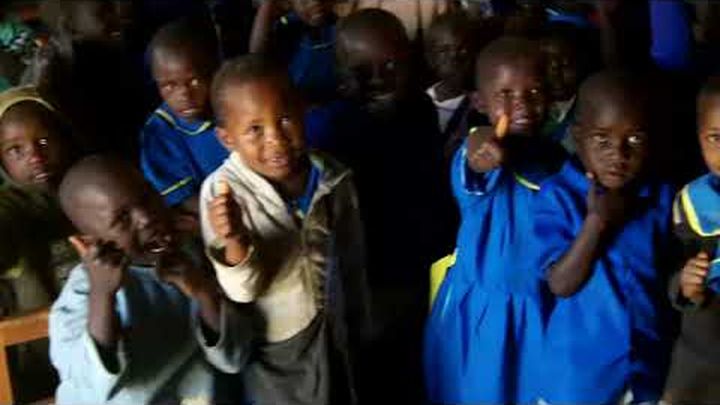
Help Tech Volunteers Improve Education in Africa
The United Nations identified that improving education and economic development are the two most significant factors in improving the lives of children. Nowhere in the world is education and economic development more in need of improvement than in rural East Africa (see video).
The Wilderness Technology Alliance (WildTech) is a 501(c)(3) non-profit organization that has pioneered education technology in the USA and around the world since 2000. During the past ten years we pioneered "The Cycle of Transformation" project in Africa, creating a pathway from learning to earning using technology for impoverished youth in secondary schools. In 2024, Dami Kehinde, Deb Grass, Lou August and Steve Popovich volunteered for WildTech in a successful Cycle of Transformation project in rural Tanzania that provided two computer computer labs with education content and teacher training for two secondary schools that transformed education and the lives of 1000 students every year.
From the success of the project, WildTech partnered with World Vision Tanzania in 2025 to improve the model, adding Cisco Academy advanced technology teacher training and shared responsibilities and operating costs. Trained teachers now train students in advanced tech skills needed for employment and entrepreneurship. This includes computer refurbishing and repair, networking, multimedia, and more.
From the success of the 2024 and 2025 projects, and with the support of Mandela Fellow Pamphile Dedji, the US State Department is now funding Dami Kehinde, Lou August, and Steve Popovich in a project to bring the Cycle of Transformation model to rural secondary schools in Benin, Africa. This includes two complete computer labs for two impoverished rural schools, one week of teacher training for 30 teachers, and training university students for ten days using Cisco Academy, where they will learn to refurbish, place, and support quality US surplus technology in impoverished Benin schools -- all while the students earn the coveted Cisco Certification. Finally, we will be building an export pipeline shipping quality surplus US technology to Benin thereafter, where the trained university students will refurbish, place and support computers in scores of impoverished Benin schools, leading to the transformation of an entire nation.
Unfortunately, the funding provided by the US State Department is not enough to cover all of our travel expenses for year. Dami, Lou and Steve are volunteering their time, but they must now raise an additional $1000 each to cover their travel and in-country accommodation costs. We are now seeking to raise a total of $3000 through GoFundMe and we are gratefully seeking your support. We raised $2310 in our for our 2024 and 2025 programs, so we now need to raise a total of $5310 in this fundrasier
All donations are made to the Wilderness Technology Alliance (WTA), a 501(c)(3) non-profit organization, and are tax-deductible to the fullest extent allowed by law.
BACKGROUND ON THE PROJECT
In rural areas of Africa, students have few learning resources and rarely get hands-on experience with computers. Even when they do, they typically return to subsistence farming because there are few other jobs in their communities. We solve this through our 5-step "Cycle of Transformation" model that addresses the entire continuum from learning-to-earning; from providing technology access to creating technology-enabled employment or entrepreneurs. This program was developed over 20 years by WildTech and implemented in over 30 USA schools with support from the US Department of Education. It was then optimized for Tanzania by World Vision, WildTech and the Tanzania Ministry of Education, Science and Technology with support from UK-Aid and Gensler, and piloted in nine rural schools. It incorporates best practices in education technology and livelihoods worldwide, and is now ready for scaling in Tanzania and throughout Africa.
INTRODUCING THE CYCLE OF TRANSFORMATION (CoT)
What we learned over 30 years is that youth often learn technology skills faster than their teacher, and they are the changemakers when it comes to technology. What makes this program unique is during each of the five steps, we are increasingly empowering youth to have a leadership role in education technology in their school, and transforming their schools and communities into the 21st century. For each school we will:
1. YEAR 1: Build a computer lab consisting of 20 laptop computers with headphones and mice, educational software, content server, LCD projector, backup power and cabling, and training curriculum aligned to Ministry of Education requirements.
2. YEAR 1: We will then train 15 teachers from each school in basic digital literacy skills and to deliver compelling technology-enabled curricula, strengthening teachers’ digital teaching competencies and enabling their adoption of creative, interactive, and learner-centered digital pedagogies. Teachers will utilize these skills and resources to create better-educated and digitally literate students. Partners will continuously monitor the schools and teachers throughout the school year, ensuring computers are utilized, pedagogy is improved, and student test scores get better as they gain digital literacy skills. Teachers will also be encouraged to utilize fast-learning students to support the computer lab and their 21st century pedagogy.
3. YEAR 2: After one year, student learning is improved as proven by comparing test scores from previous years, and 33%+ of the students in each school gain digital literacy skills. But that is not enough, students need more advanced ICT vocational skills so they can provide real technology-enabled value to their school and community — essential for employment or entrepreneurship. Therefore in the second year of the program, partners will provide advanced teacher training in two ICT vocational curriculums so schools can launch one or two ICT vocational training courses in their schools:
o Cisco Academy. Two teachers and one student-aid will receive 7-10 days of Cisco Academy training so they can launch a Cisco Academy IT Essentials vocational training course in their school, training students in computer repair, computer refurbishing, maintenance, support, networking and more – the skills their schools and communities need. Best of all, every student passing this course will receive the coveted Cisco Certification, a global industry certification coveted by employers.
o As a stretch goal, partners will also provide training for two teachers and one student aid so they can launch a multimedia course in their school. They will be trained in web design, social media, digital video creation, digital photography and more – the skills their schools and communities need.
4. YEAR 2: Each student taking part in the vocational training course must join their school’s student run Digital Club where they utilize their ICT vocational skills to serve their school and community. This might include computer repair, tech support, supporting teachers to create technology-enabled lesson plans, building the school’s web site, and more. Digital Clubs are also responsible for designing and implementing the school’s technology plan and supporting the computer lab with facilitation and support from teachers. Most digital clubs will charge fees for technology products and services provided to the community. This provides essential work-based learning in technology, marketing, accounting, leadership and more -- many are skills that cannot be taught in a classroom.
5. YEAR 3: Some students who complete the Cisco training will gain employment due to their skills, including secretarial and office work. Yet there are few of these jobs in rural areas, so World Vision will utilize its job placement services help find employment for trained youth in other regions. Others may want to start technology-enabled businesses in their rural area to help their communities join the 21st century. This might include opening internet access centers, photo services, video production services, print services, more. World Vision Tanzania will provide additional training services to support entrepreneurship, including financial management, leadership and more.
TIMELINE:
- Feb - April 2026 – Sign MOUs, school selection, training curriculum, prepare laptops & servers
- May 2026 – Implementation in-country (train trainers, set up computer labs, training teachers, train university students)
- June 2026 – May 2027 – Computer labs and improved pedagogy impacts 3000 students, who gain digital literacy skills as measured by the Northstar or similar exam. Includes supporting teachers, ensuring courses are implemented in schools, capturing enrollment, M&E and reporting.
- June 2026 forward - build a pipeline to export quality US surplus technology students in the Benin university, who will refurbish and place the equipment.
Again, all donations are made to the Wilderness Technology Alliance (WTA), a 501(c)(3) non-profit organization, and are tax-deductible to the fullest extent allowed by law.
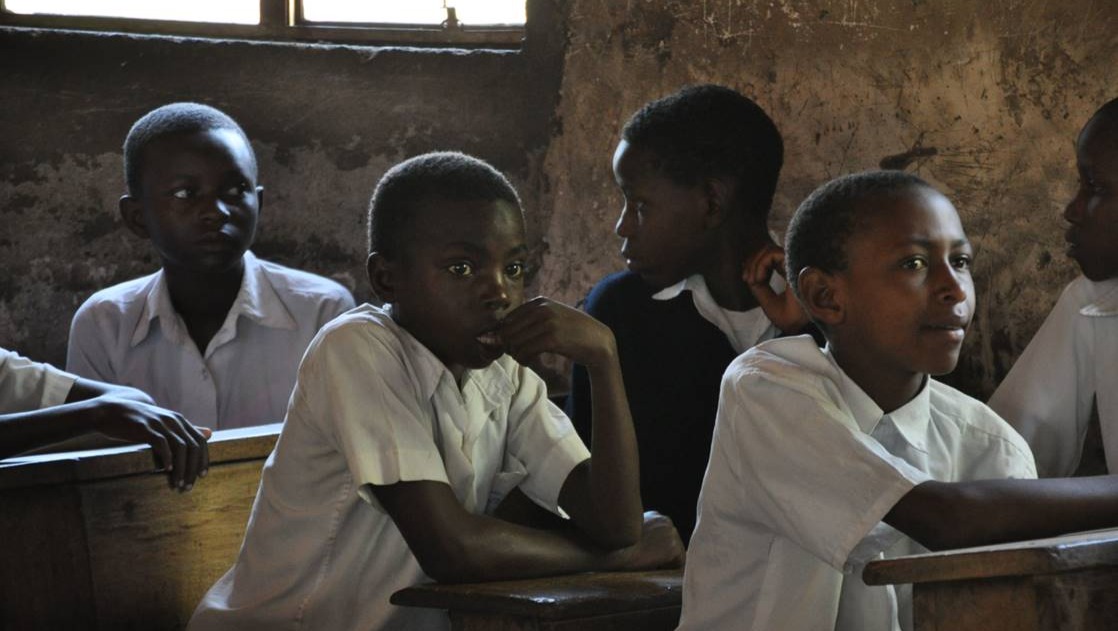
Typical Rural Classroom in Africa
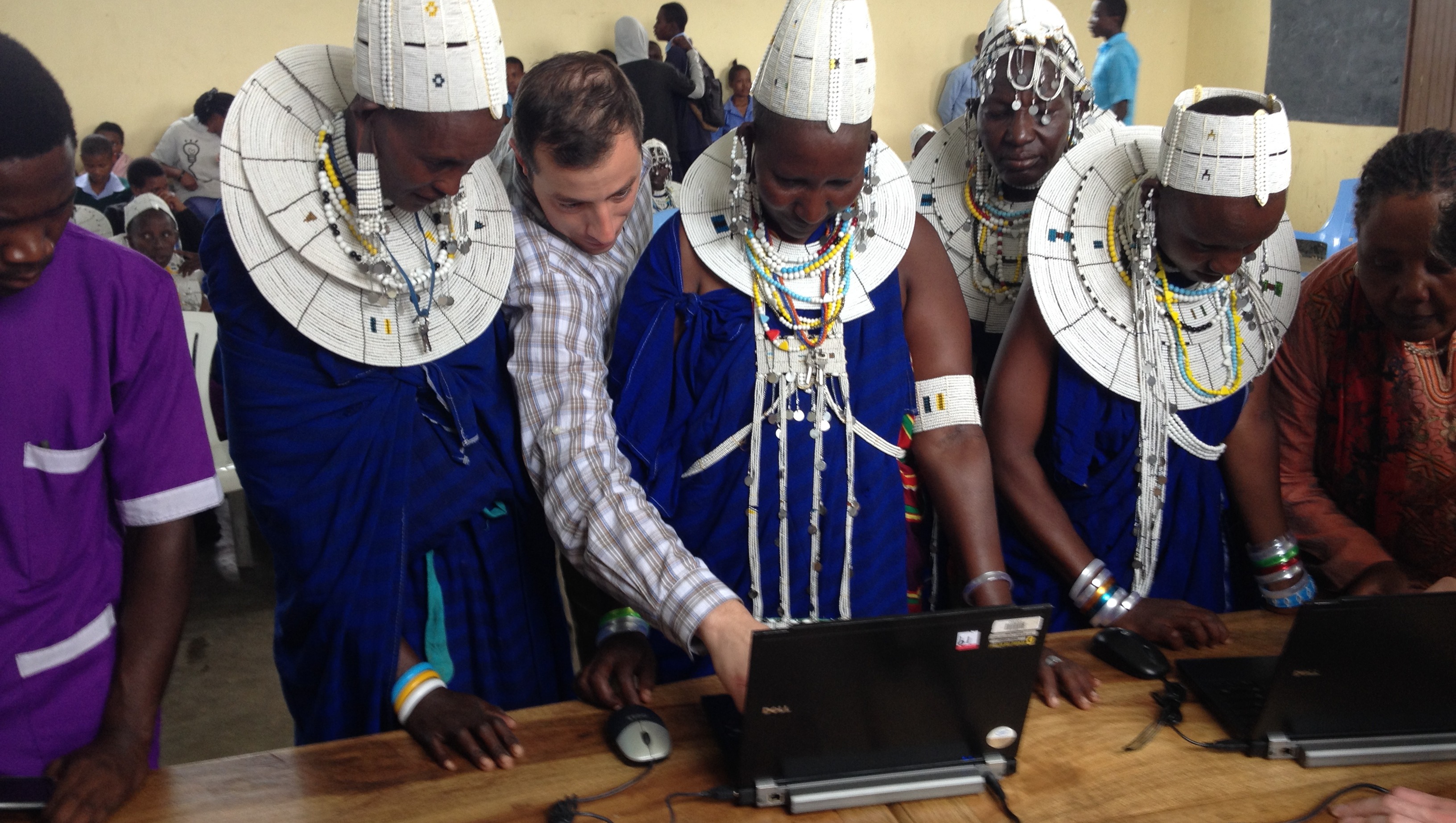
Tanzania School Computer Lab Creation Lou August Led in 2015
100% of your donation will go toward the travel costs of the IT professionals and IT students who are volunteers, donating hundreds of hours of preparation time each, and fifteen days in-country passionately working long hours to help extremely disadvantaged youth and teachers. All donations are made to the Wilderness Technology Alliance (WTA), a 501(c)(3) non-profit organization, and are tax-deductible to the fullest extent allowed by law. Please donate now and help make this program possible.
CRITICAL SUPPORT FOR THIS TANZANIA SERVICE EXPEDITION PROVIDE BY:





Thank you for your support - we cannot do this without you!
All donations received through GoFundMe will go into a restricted account at the Wilderness Technology Alliance non-profit organization, and will only be used to cover the direct project costs described above. No non-profit overhead or indirect costs will be removed. Service expeditions in low-infrastructure environments in differing political, cultural, and economic circumstances contain inherence risks, which is why the need is often the greatest there. There are uncertainties when working in rural Sub-Saharan Africa including communications, politics, natural disasters, fragile infrastructure, customs clearances for equipment, final sign-offs from school leadership, optimal dates and locations for teacher participation, and more. There are also risks state-side, including illness of key personnel, inadequate fundraising to cover essential direct costs, new State Department travel restrictions and more. Under no circumstance will participant safety or trip success be put at additional risk, especially if we are able to make reasonable adjustments to the program as needed. This includes adjusting the dates of the expedition, adjusting the itinerary, adjusting the participants, adjusting the schools and teachers in Tanzania that receive the computers and training, and adjusting the content of the training. For these reasons, all of these shall be considered acceptable adjustments to this program funded through this GoFundMe, if needed.
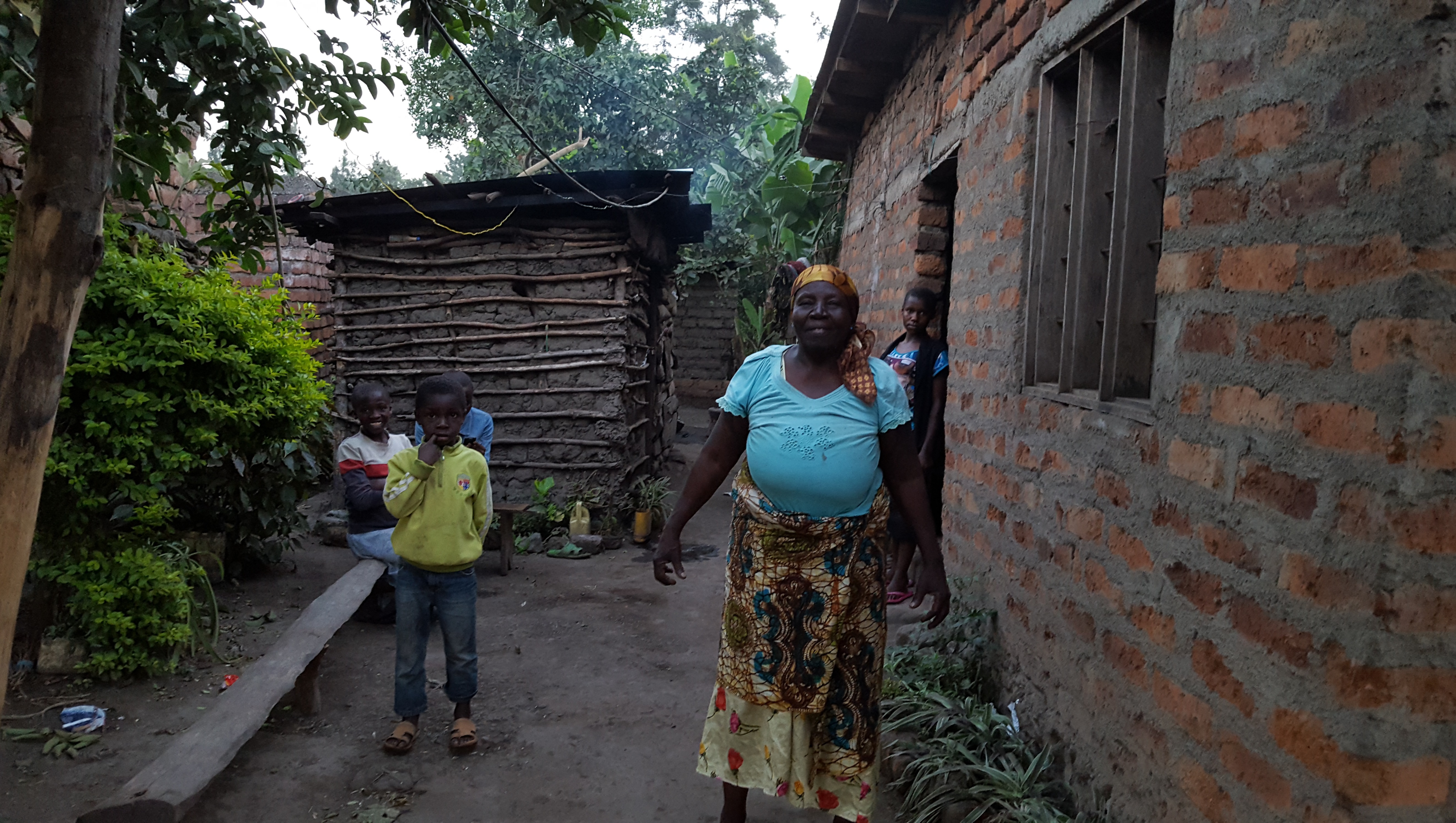
Her Children Need a Better Education to Give them a Chance.
- A


29 apoiadores
 guidestar.org/profile/91-2035824