Creating a Safe Space for Autistic Children in Antsirabe
0% complete
508 € recaudados de
11 donativos
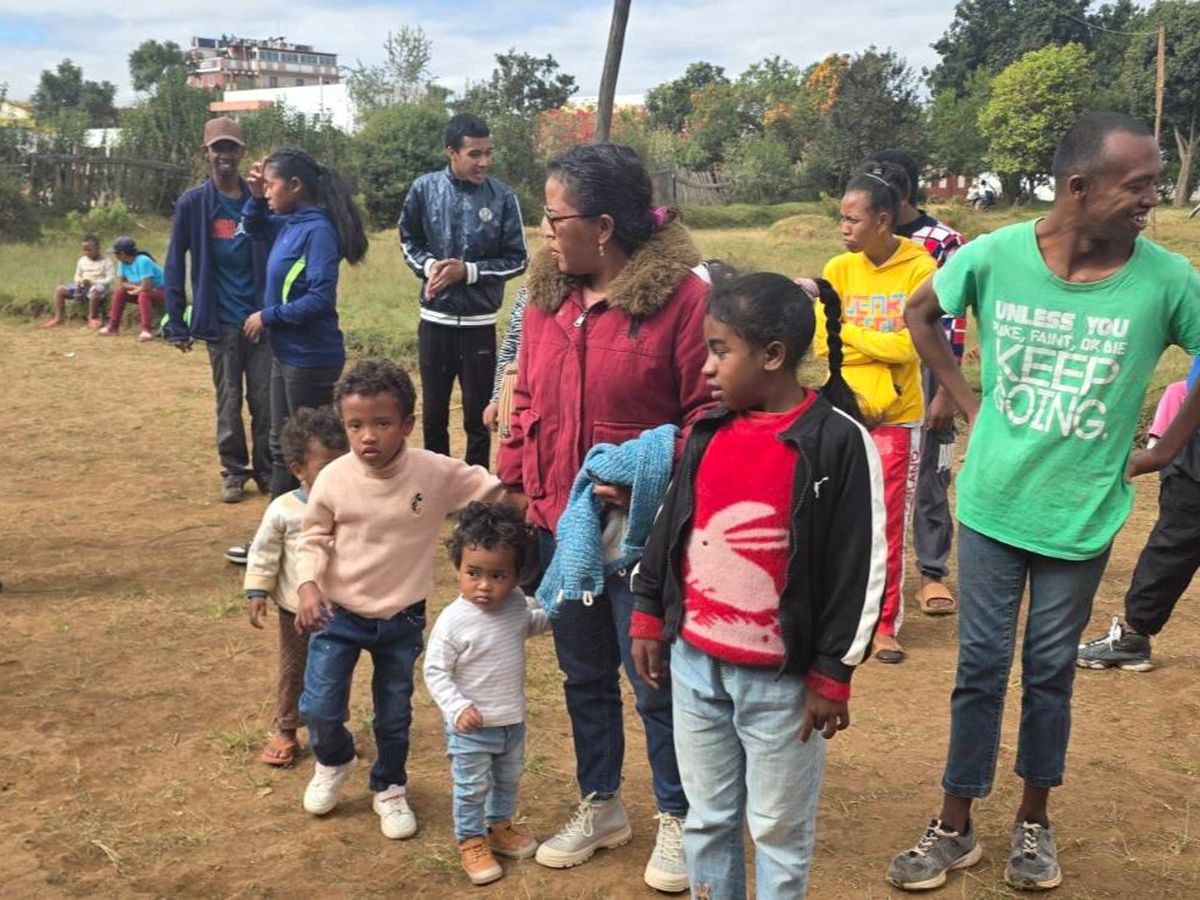
My name is Caleb Rajaonary, and together with Eliette Noromalala, we are supporting the Balisama Kely community in raising funds for autistic children in our hometown of Antsirabe. Enea’s parents, who founded and funded the Balisama Kely community, are deeply committed to providing a safe space for autistic children in Antsirabe. Through their journey with their daughter Enea, a child with special needs, they have come to understand both the challenges autistic children face and the strength, uniqueness, and potential they carry. This experience has inspired them to take action and work toward a more inclusive, understanding, and supportive environment for some autistic children in Antsirabe. Their story and vision form the foundation of this initiative and the community they are building today. Please read their vision and support in any way you can, through ideas, collaboration, or financial contributions if you are able.
Goal: To improve the well-being, development, and inclusion of autistic children in Antsirabe through a parent-led, community-based support system.
Duration: 12 months
Target group per year
25 autistic children
25 autistic families
5 Local teachers and unlimited community volunteers
Request: $10,000
We are seeking not only financial support, but also partnerships with organizations, professionals, and community groups to strengthen autism support in Antsirabe, Madagascar.
Activities:
- Parent support: Monthly workshops on communication, behavior support, and everyday routines, plus peer sharing.
- Child group session: Small play-based groups focused on communication, social interaction, and everyday skills learned through games, art, and music
- Family: Bimonthly inclusive outings and community events to create safe spaces for interaction and inclusion.
Our story
Autism exists in every part of the world. Across cultures and countries, autistic individuals bring unique perspectives, talents, and ways of experiencing life. However, access to diagnosis, education, and support varies greatly depending on where someone is born. In many parts of the world, especially in low-resource settings, autism remains misunderstood, underdiagnosed, and unsupported.
In Madagascar, many children are labeled with hurtful terms or seen as “difficult,” “possessed,” or “mentally ill,” rather than recognized as autistic. Because of this, they often face social exclusion, emotional abuse such as mockery and humiliation, and even physical punishment. They may be left out of play, ignored in classrooms, or treated unfairly because their behaviors are misunderstood. Awareness of autism is still limited, and resources for families are scarce. Many children are never formally diagnosed, and parents often face stigma, isolation, and a lack of guidance. Schools and healthcare systems are not always equipped to support autistic individuals, leaving families to navigate these challenges on their own with little to no assistance.
Access to care is also extremely limited. Specialized professionals, such as neurologists, psychologists, and speech therapists, are few, mostly located in larger cities, and often too expensive for families. Education is another major challenge: most mainstream schools are not equipped or trained to support autistic children, leading to further isolation and lost opportunities to learn and grow. Despite the National Association of Autism in Madagascar, which works with specialists and educators, they are overwhelmed by the amount of responsibility and sponsorship they have.
In our hometown, Antsirabe, the reality for autistic children and their families is deeply challenging, even within schools that aim to be inclusive. A few schools, such as ASIMCA, EPP Bemasoandro, EPP Sahatsara, Akany Tsiriry, EPP Mahazoarivo, Au Beau Lieu, and Les Beaux Printemps, accept children with special needs. However, autistic children are placed in general classrooms, with one or two teachers responsible for many students. Most teachers have not received specialized training in autism, making it difficult to provide the individualized attention these children need. As a result, autistic students are often overlooked or unintentionally excluded.
Our daughter, Enea, attended what was described as an “inclusive” school. At times, she had supportive teachers, but their frequent absence and turnover meant she never had consistent care. This instability deeply affected her. She became withdrawn, cried often before and after school, and struggled to connect with others. At times, she reacted with frustration, throwing objects or lashing out, not because she was “difficult,” but because her needs were not understood. Faced with these challenges, we chose homeschooling with a flexible approach suited to Enea’s pace. We soon realized we could not do it alone; the lack of therapies, trained educators, and inclusive spaces affected many families like ours.
In response, we legally built a community, “Balisama Kely”, for autistic children and their families in Antsirabe, to join the effort started by the National Association of Autistic Children. What started as a small effort to support our own child has grown into a shared commitment to create a safe, understanding, and inclusive space for others facing similar challenges. By bringing together parents, caregivers, teachers, and community members, we aim to reduce isolation, share practical knowledge, and advocate for acceptance. Through simple yet meaningful activities, parent workshops, child-centered group sessions, and inclusive family events, we are laying the foundation for a support system rooted in empathy, respect, and local collaboration. Our vision is that every autistic child in Antsirabe is seen, supported, and allowed to thrive within their community.
Therefore, the funds requested in this GFM will cover trainer salaries, activity materials for the children, workshop costs, partial scholarships to support parents’ participation fees, and program logistics to ensure consistent and meaningful support for participating families.
We cannot do it alone; we need your help.