
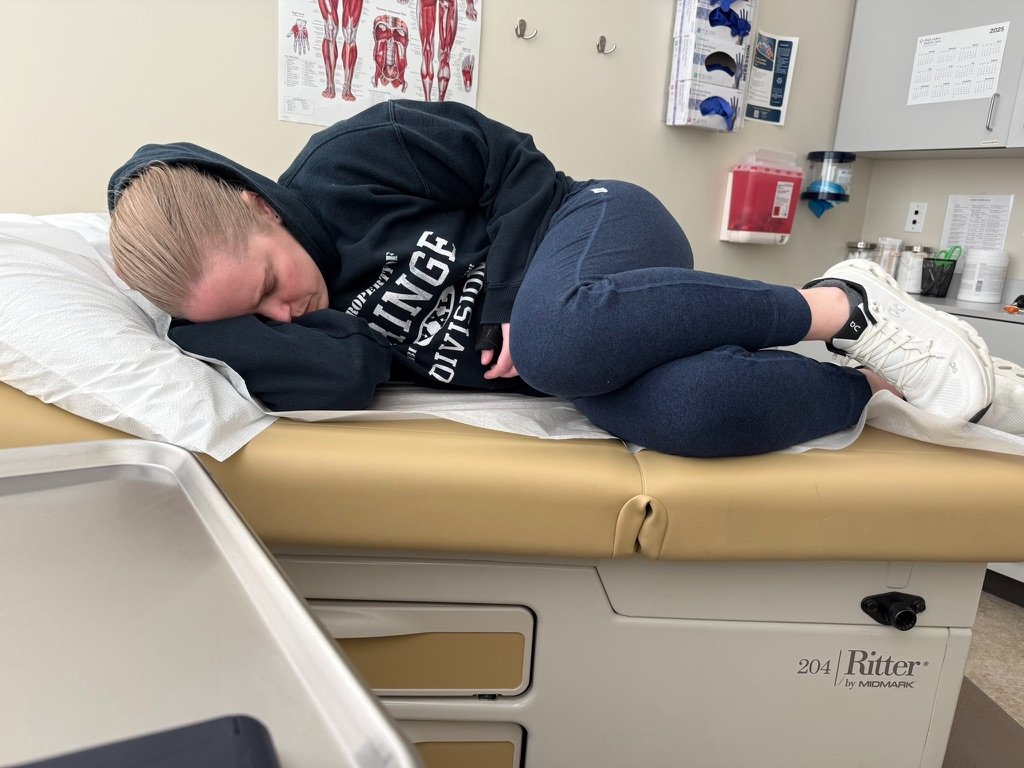
Hope and Healing for Amy's Endometriosis Battle
0% complete
3370 $ recaudados de 6 mil. $
20 donativos
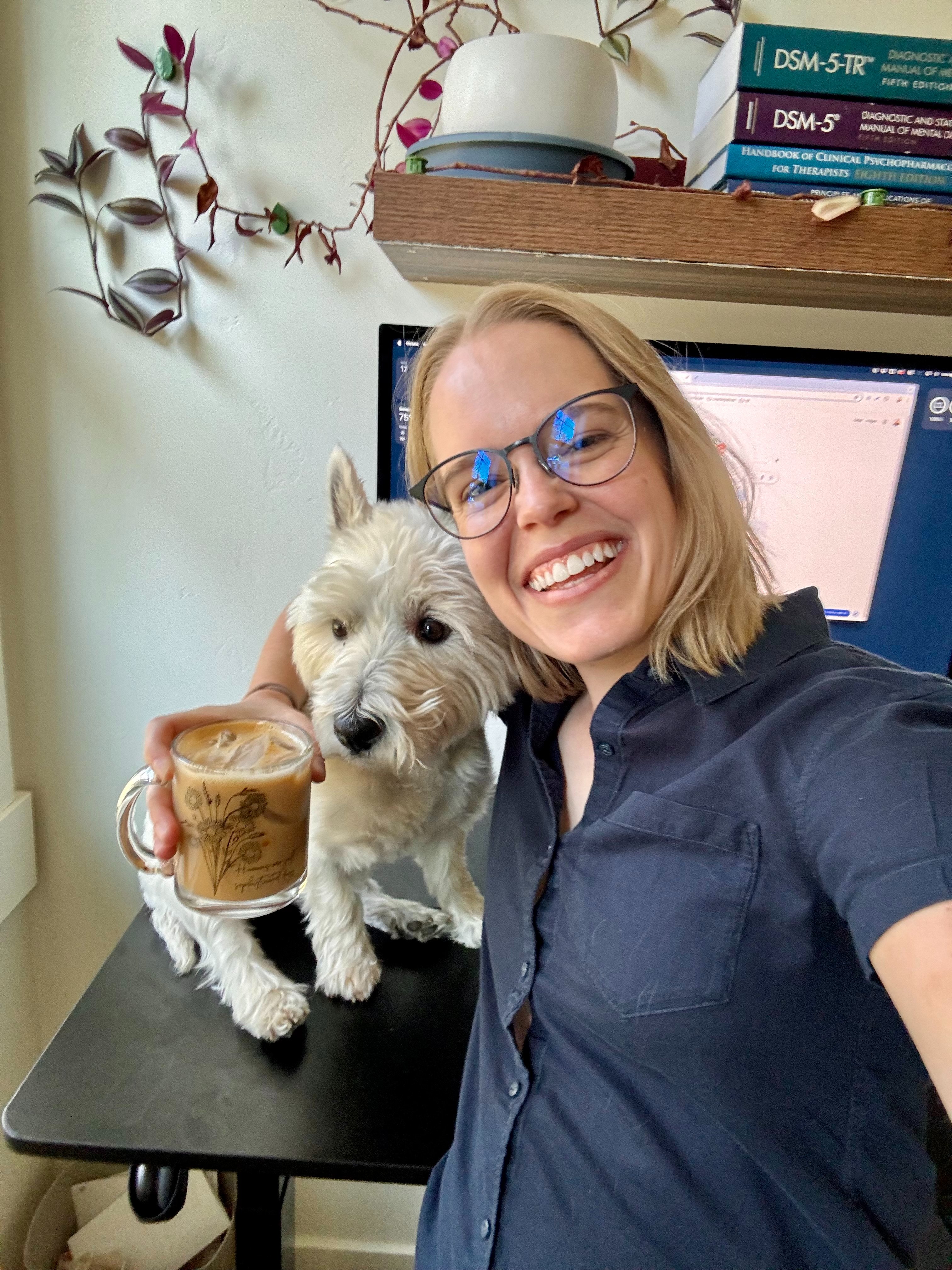
Hi, I'm Amy. I'm a Mental Health Therapist in private practice, and I've spent my entire career sitting with people in their hardest, most vulnerable moments — holding space, offering hope, helping them find a way through. I'm really good at that part.
What I'm not good at is being the one who needs help.
But I'm exhausted. I'm in pain. And I've run out of ways to do this alone.
Here's my story:
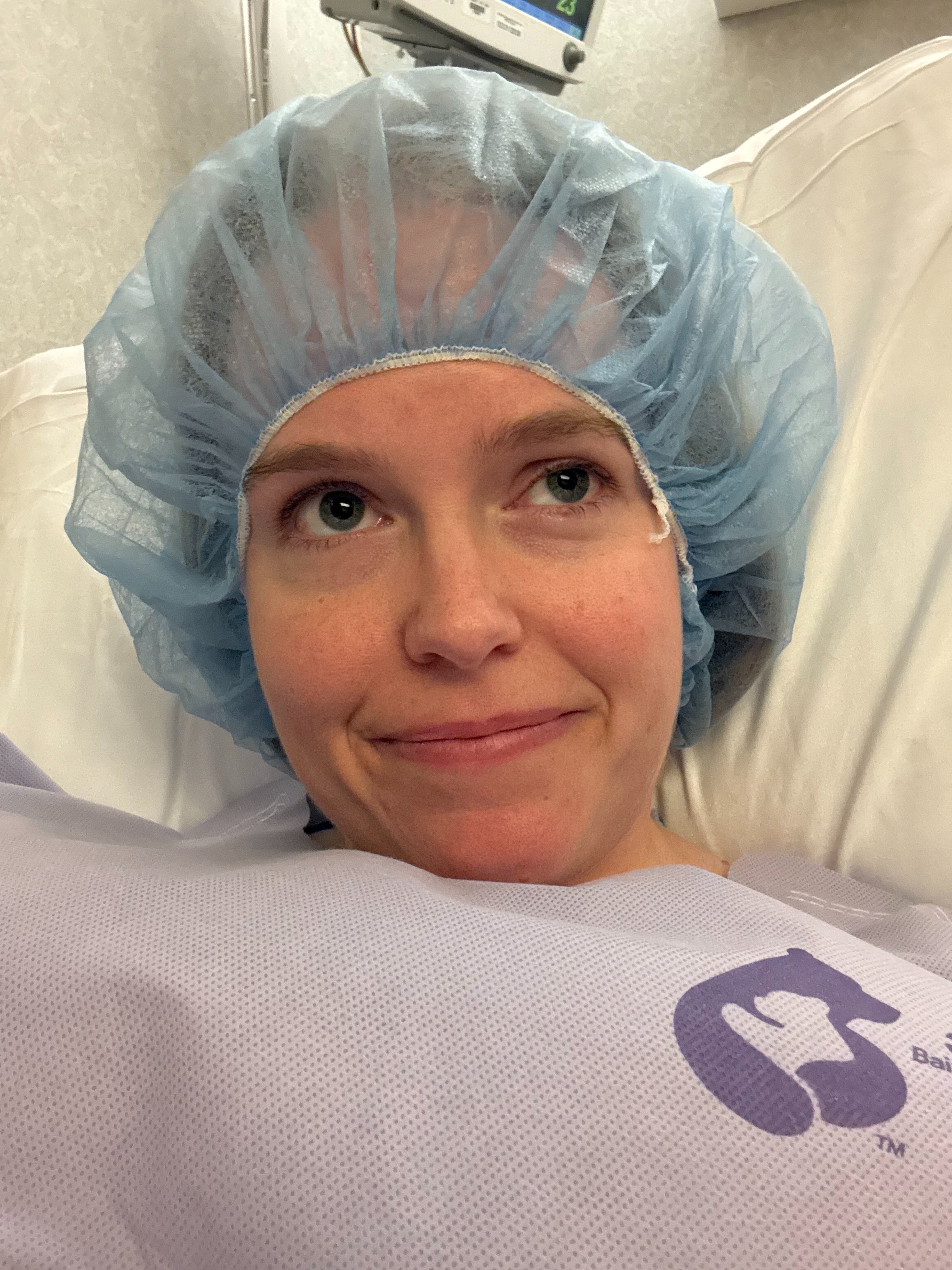
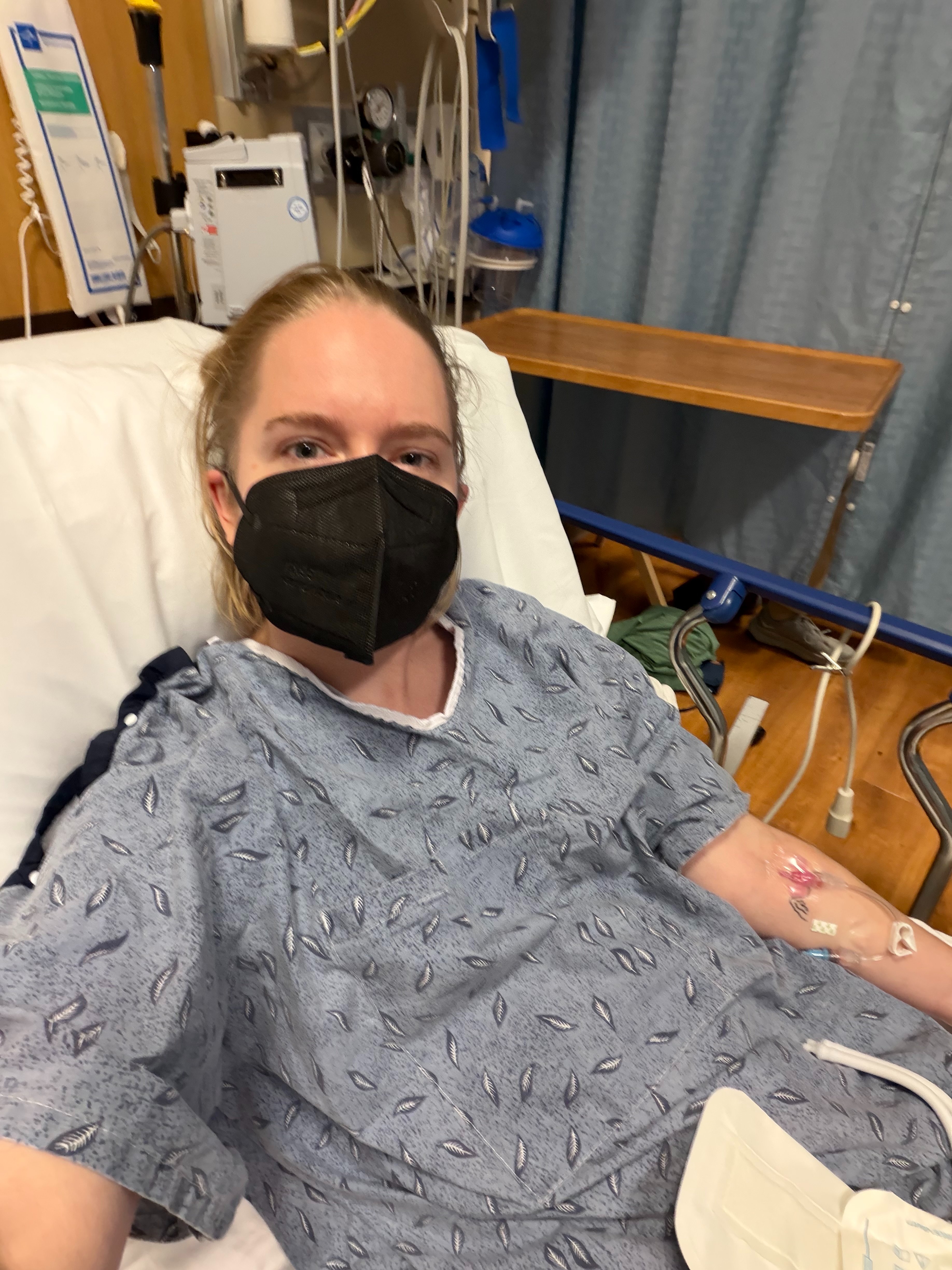
I was hospitalized in February 2025 with pain and bleeding so severe I couldn't manage it at home anymore. I finally got an official endometriosis diagnosis the following month and had my first excision surgery shortly after. I was terrified, but I was also so relieved. Finally, an answer. Finally, a path forward.
Within three months, the pain came back.
My gynecologist — who had told me she specialized in endometriosis, who I trusted completely — told me a hysterectomy would cure me. That this would be it. That I could get my life back. I held onto that promise with everything I had. I had the hysterectomy in August 2025.
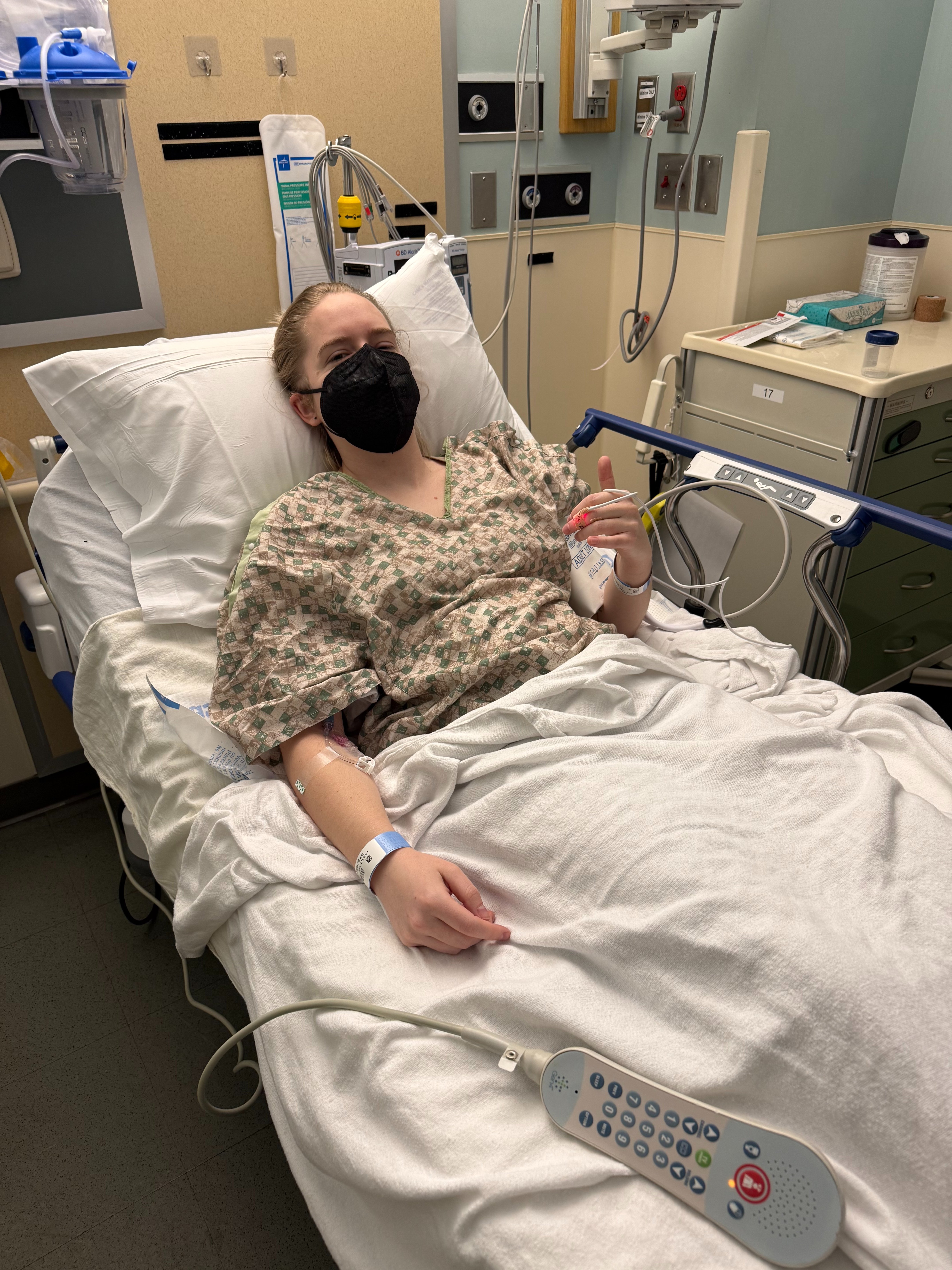
Within a few months, I was in pain again. And not quietly. In the months following my hysterectomy, I found myself back in the hospital multiple times. I was desperate for someone to help me, desperate for answers, desperate for relief. Each time, I left without real solutions. Just more waiting, more managing, more pushing through.
There are no words for what it feels like to wake up after a major surgery — a surgery that was supposed to be the answer — and slowly realize that nothing has changed. That you went through all of that, and the disease is still there. That the person you trusted didn't actually have the tools to help you.
When I finally got in with Dr. Nicholas Fogelson, a true endometriosis excision specialist, he told me gently but clearly: my previous two surgeries weren't done by someone with the skill or training to properly excise endometriosis. The disease had never really been addressed and had even progressed further. He came up with a new treatment plan and for the first time in a long time, I felt something I hadn't felt in a while.
Hope.
What this disease actually feels like:
I want you to understand what I, and so many other people assigned female at birth, are living with — because endometriosis is one of those diseases that's easy to minimize from the outside.
There are days when the pain radiates from my abdomen all the way down into my feet. Days when eating a normal meal triggers immediate stabbing pain and bloating — not hours later, but within minutes, because my body is so inflamed that even digesting food sets it off. The pain that started out cyclical has become an expected constant. The disease has spread to my belly button, to my groin, to surrounding organs, and to places I never expected. There are days when I push through a full day, and then I go home, get into bed, and just try to rest until the next day — hoping for a little relief.
The damage from my prior surgeries has left its own mark on my body as well. I now have endometriosis of the skin — endo that has implanted in my surgical scars from previous procedures due to the use of surgical glue rather than sutures to close. The inadequate care didn't just fail to fix the disease. It created new problems I now have to carry.
That has been my life.
What most people don't know about endometriosis:
There is a myth that endometriosis is just a "bad period disease." That it's cramps. That it's something you manage with ibuprofen and a heating pad. I wish that were true.
Endometriosis is a full-body disease. It doesn't stay neatly contained to the reproductive system — it spreads. It attaches to other organs. It can involve the bowel, the bladder, the diaphragm, the lungs, the ligaments, the nerves. In my case, it has reached my digestive system and bladder. It has wrapped around nerves that run into my lower back, legs, and groin, which is why some of my worst days involve pain that radiates far beyond my abdomen. It creates scar tissue and adhesions that essentially glue organs together. It is relentless, and it does not care which part of your body it disrupts next.
The consequences of inadequate treatment don't stay contained either. Endometriosis can implant in surgical scars, creating what is known as cutaneous or skin endometriosis — a direct result of improper surgical technique. Poor wound closure decisions, like the use of surgical glue instead of sutures, can leave patients with incomplete healing that compounds an already complicated recovery. These aren't rare worst-case scenarios. They are the real and lasting consequences of this disease being undertreated and misunderstood for decades.
And then there is the mental health toll. Living with chronic pain changes you. It changes the way you relate to your body, which starts to feel like something working against you rather than with you. It changes the way you plan your days, because you never know which version of your body you're going to wake up with. It chips away at your sense of identity, your confidence, your hope. It impacts relationships with everyone — family, partners, friends. There is grief in this disease — real, legitimate grief for the life you had before, for the things you've had to cancel or give up, for the version of yourself that didn't have to think about any of this.
There is also a specific kind of trauma that comes from being dismissed, misled, and told you were fixed when you weren't. From trusting a doctor completely and having that trust broken. From spending nearly $20,000 and enduring two major surgeries only to be told by a real specialist that none of it was done correctly. That kind of experience leaves a mark. I know what it does to a person, because I've sat with people carrying similar wounds. And now I'm carrying my own.
I have done my best to keep showing up — for my clients, for my friends and family, for my life, and for myself. But chronic illness has a way of quietly hollowing things out, even when you're doing everything right. I am not okay in the way I used to be okay. And I am hoping this surgery is the beginning of finding my way back home to myself.
What this has taken from me:
I have kept working through all of it. The hospitalizations, the surgeries, the recoveries, the flares that come out of nowhere and take me to my knees — or worse, back to the ER. Because I'm in private practice, if I'm not in that chair across from my clients, I don't get paid. No sick leave. No short-term disability. No safety net. Every day I've had to cancel or call out is a day I've lost income on top of everything else I was already losing.
My first two surgeries cost me nearly $20,000 out of pocket. Twenty thousand dollars for surgeries that left the disease untreated.
This third surgery, with the specialist who finally has the training and tools to actually help me, is estimated at $10,000–$15,000 or more — and that is just Dr. Fogelson's surgical fee alone. That number does not include hospital fees (an estimated $10,000 out of pocket at 70% of in-network costs), anesthesiology (an additional $2,000+), travel between Bend and Portland for pre-op, surgery, and post-op appointments, Airbnb during my Portland recovery stay, or the income I will lose during four to six weeks of unpaid recovery time. When I add it all up, the true cost of this surgery exceeds $43,000.
My insurance refuses to cover Dr. Fogelson's fees since he's out of network. And here's the painful truth about that: there are virtually no endometriosis specialists who are in-network anywhere in the United States. This isn't an accident. It's a reflection of decades of underfunding, dismissed research, and systemic indifference toward women's healthcare. Endometriosis affects 1 in 10 women, yet it takes an average of 7–10 years just to get a diagnosis — and the specialists with the actual training to treat it properly are so rare, and so outside the broken system, that insurance companies simply don't cover them. People are left to either accept inadequate care that's covered, or pay out of pocket for the real thing. I've already done the first option twice. It didn't work. The hospital portion will go through insurance, but my deductible hasn't been met, so I'm responsible for 70% of that too. The costs are enormous, and they just keep adding up.
And then there's recovery. My first surgery took two weeks away from work. The hysterectomy took six. This next surgery is estimated at four to six weeks of recovery time. Every single one of those weeks is unpaid. No clients, no income — just lost time on top of surgical costs, on top of everything this disease has already taken from me.
I am setting my starting goal at $6,000 — because I don't like asking for help, and I never want to ask for more than people can give. But I want to be transparent: every dollar raised beyond that goal goes directly toward hospital fees, anesthesiology, travel, and the weeks of lost income while I recover. Nothing will go to waste. Every single dollar moves me closer to the other side of this.
Why I'm asking:
I know how to hold other people's pain. I do it every day, and it is an honor of a lifetime. But I have spent so long being strong — for my clients, for the people I love, for myself — that I forgot I'm allowed to ask for help too.
I'm so tired of just surviving this.
So here I am, asking.
I'm not asking to be rescued. I'm asking for a chance — one real chance, with the right doctor, to finally get some of my life back. To wake up without dreading what my body is going to put me through that day. To eat a meal without bracing for pain. To just, for once in the past year and a half, be okay.
If you can give, even a little, I am more grateful than I know how to say. If you can share this post, that matters too — more than you know.
I'll be honest about something: I don't have social media. It's a decision I made years ago for my own mental health, and it's one I don't regret. But it does mean that this post lives or dies by the people who choose to share it. I don't have a platform to amplify my own voice here. You are my platform. If this story moved you, if you know someone who has been dismissed by the medical system, if you've ever loved someone living with chronic pain — please share this. It is one of the most meaningful things you can do for me.
Organizador