Saved From Traffickers: Help Them Return to the Wild
0% complete
$4,691 raised of $155K
47 donations
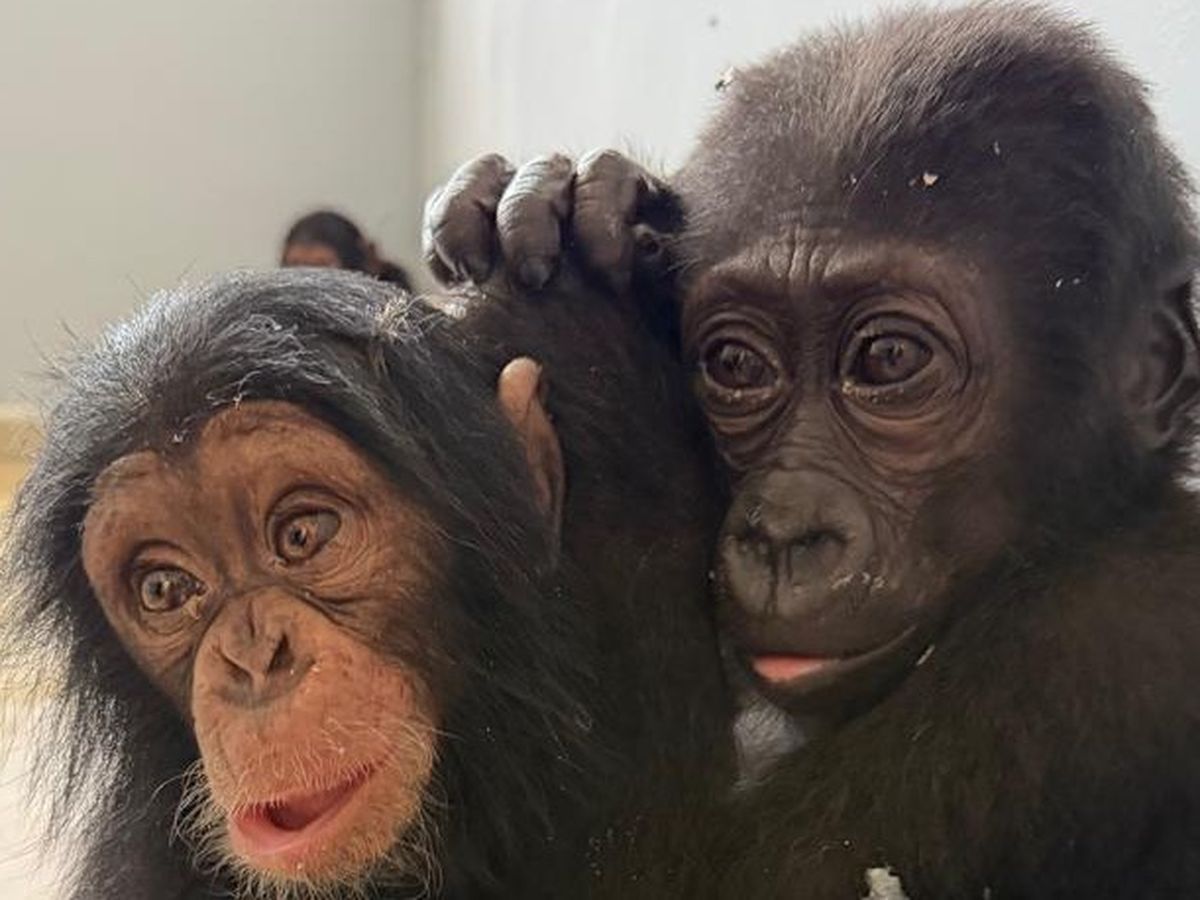
Six Young Apes Were Saved From Traffickers — and They’re Not the Only Ones.
Help us fund emergency care for four young chimpanzees, two infant gorillas, two young lions, and the many other animals seized from the illegal wildlife trade through our partnership with the Nigeria Customs Service.
What Happened
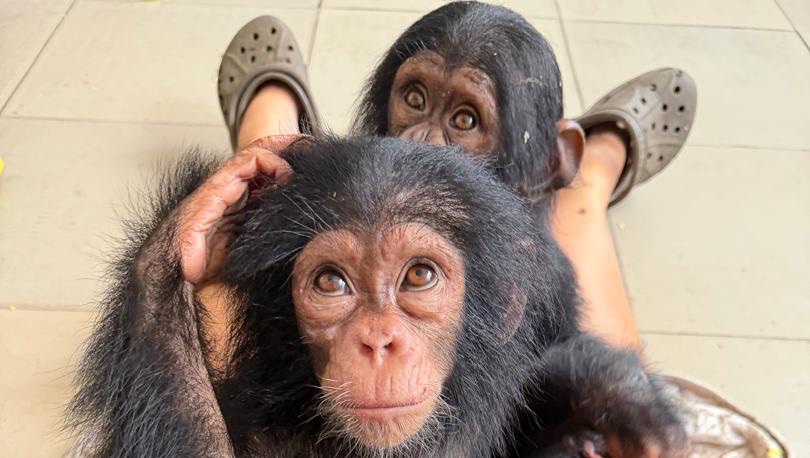
On the night of August 25, officers of the Nigeria Customs Service acted on credible intelligence and intercepted a wildlife trafficking movement in northern Nigeria. Three suspects were arrested, and 48 live animals were seized, among them four young chimpanzees and two infant gorillas. Only three weeks earlier, two lion cubs were rescued from traffickers attempting to illegally transport them to Congo-Brazzaville through the Nnamdi Azikiwe International Airport.
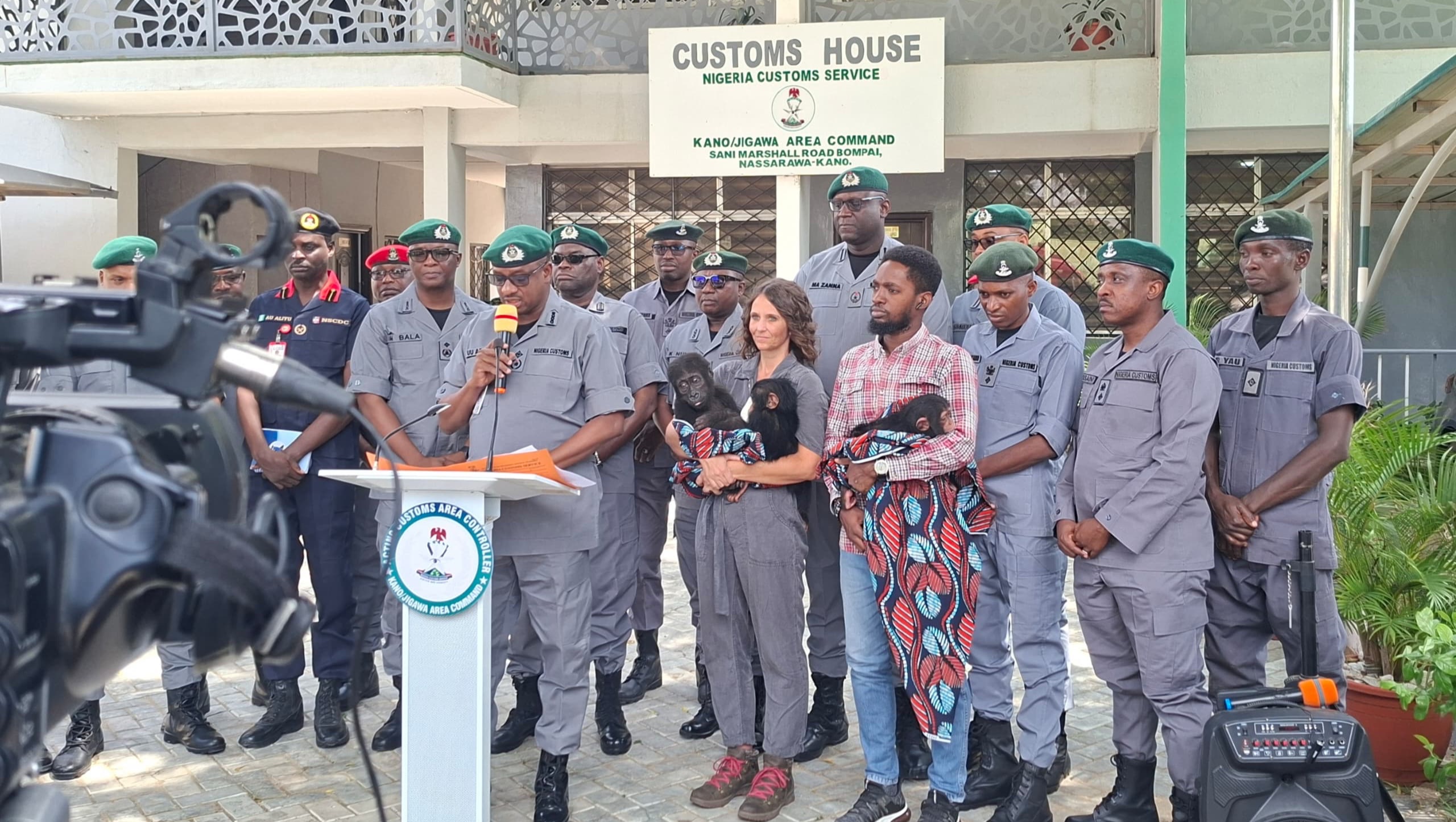
Thanks to the extraordinary work of the officers who refused every attempt of a bribe and stayed dedicated to obtaining justice, these animals are safe instead of disappearing into the black market. The infant great apes, ripped from mothers who are often killed by traffickers while protecting their young, now have a chance to one day return to the wild. The lions will be able to recover and live out the lives they were nearly robbed of.
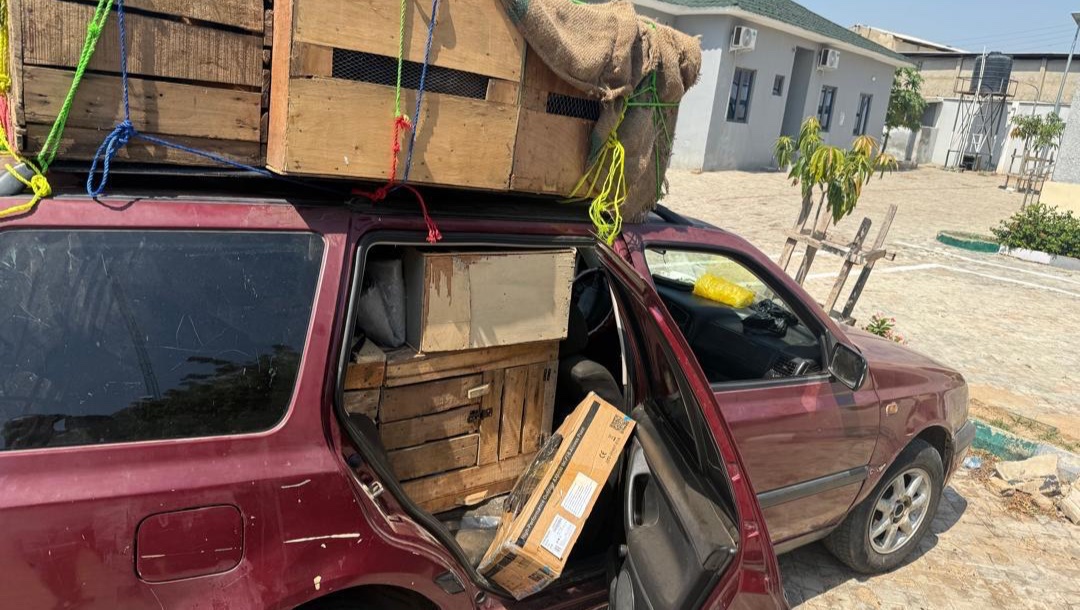
But they are not alone. These seizures are only two of many recent operations by the Nigeria Customs Service supported by Focused Conservation’s ongoing mentorship. Apes, lions, caracals, honey badgers, albino alligators, and many other animals, all pulled from the cruel hands of traffickers, now depend on us for their survival and future. Those seizures gave these animals a second chance. What happens next is up to us.
What They Need Now: PHASE ONE
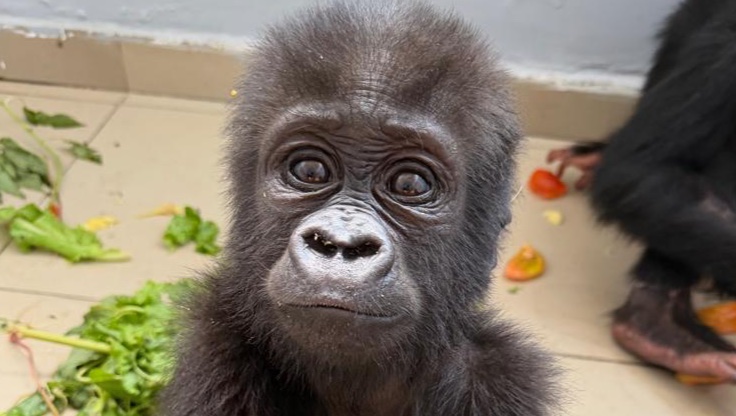
Animals rescued from trafficking arrive traumatized, often malnourished, dehydrated, injured, and vulnerable to disease. For the young lions and infant great apes taken far too early, the first days and weeks are critical.
They cannot wait. Right now, they need:
● Emergency veterinary care, including full health assessments and treatment for injuries, illness, and the effects of malnutrition and stress: $20,000
● Specialized nutrition and 24/7 hands-on care from experienced keepers: $40,000
● Safe quarantine and species-appropriate transport: $15,000
● Genetic testing to determine their geographical origin: $10,000
● The facilities (e.g., fencing, solar panels, generator, clean water access, and building materials) that give them a real chance at recovery and, one day, a return to the wild where they belong: $70,000
For this, we need your help.
Every dollar of support will go directly toward the emergency care of the animals we’ve rescued.
Saving these animals isn’t a single project. This first phase is for emergency care and facilities, the foundation everything else depends on. Later funding phases will focus on rehabilitation and ongoing care, then the careful work of returning these animals to protected habitats where they belong.
They should never have left the wild. Help us take them back.
Who We Are:
This emergency response is a partnership between the Nigeria Customs Service and three organizations with the expertise to see it through:
● Focused Conservation — a U.S. 501(c)(3) nonprofit that established the Nigeria Special Wildlife Office (SWO) in partnership with the Nigeria Customs Service and provides it with ongoing mentorship, training, and support. Focused Conservation-supported units have carried out over 1,000 counter-trafficking investigations across Africa.
● Aspinall Wildlife Trust — a 501(c)(3) world leader in rehabilitation and re-wilding with extensive experience in ape reintroduction projects. Aspinall Wildlife Trust provides the specialized emergency care and rehabilitation expertise these animals need to prepare for release back into the wild.
● The Last Animals Foundation — a 501(c)(3) nonprofit dedicated to raising awareness of wildlife trafficking that supports people on the frontlines working to stop the illegal trade and efforts to provide critical care to seized animals.
Together, we have the enforcement partnerships, the rehabilitation expertise, and the long-term vision of rewilding — but we need funding to act now.
Please donate whatever you can, and share this campaign as widely as possible. Every gift and every share helps give these rescued animals emergency care today, and a path home tomorrow.
Thank you for standing with them.
Kate Brooks, Executive Director The Last Animals Foundation
Organizer

The Last Animals Foundation
Beneficiary