Support Life-Saving Treatment in Japan
0% complete
8 605 $ récoltés sur 8,7 k $
91 dons


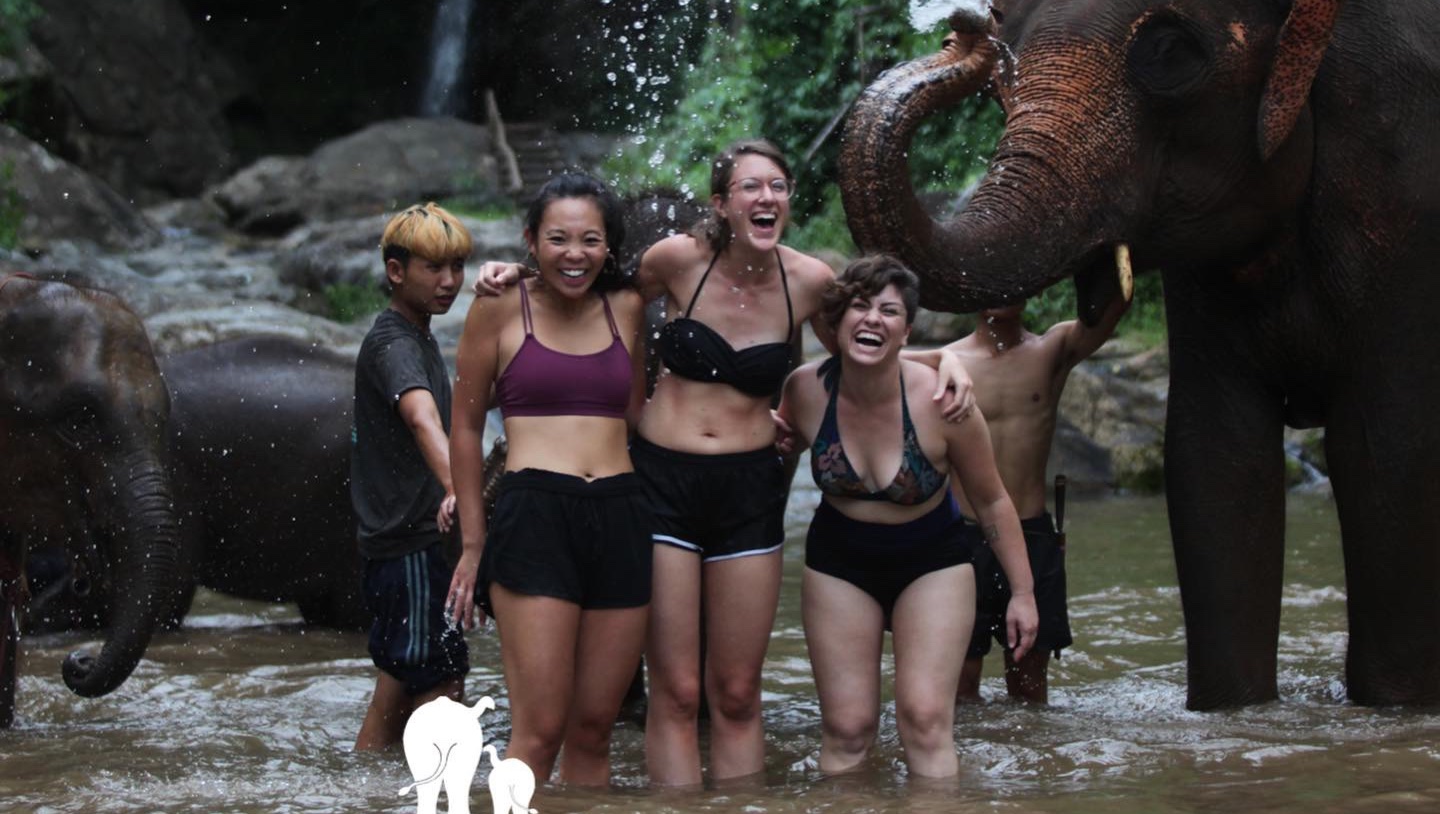
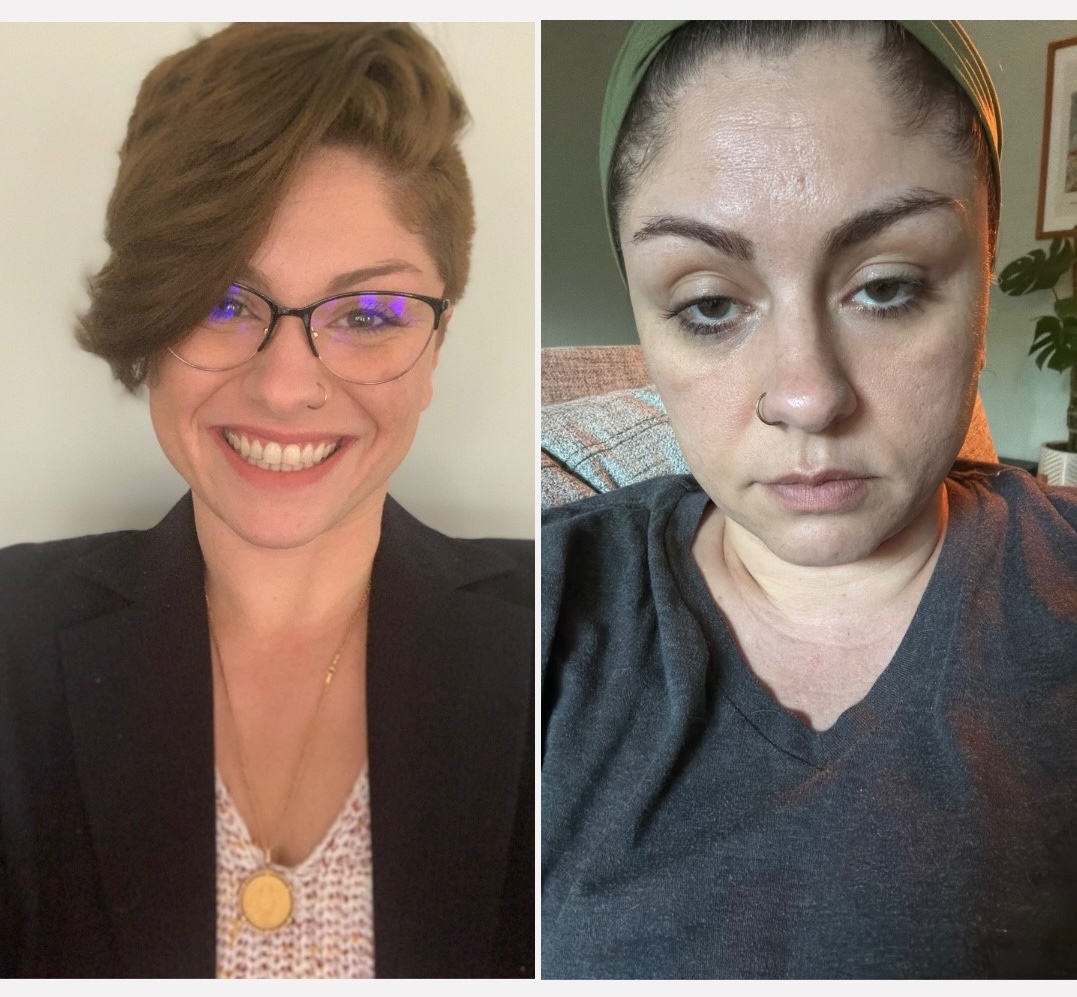
Kira was a person who said yes to life. Before 2022, she was dancing, traveling, and making plans for her future.
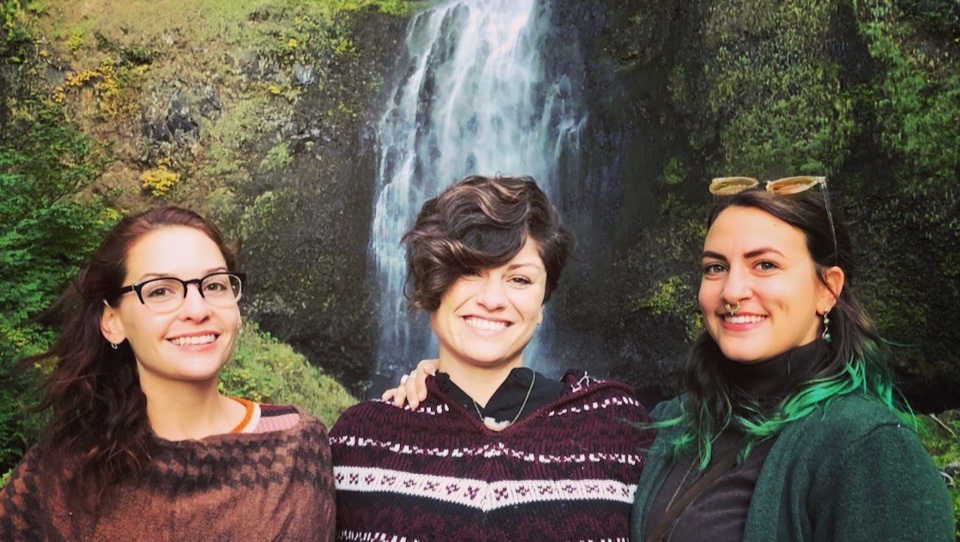

Then her health started to fall apart.
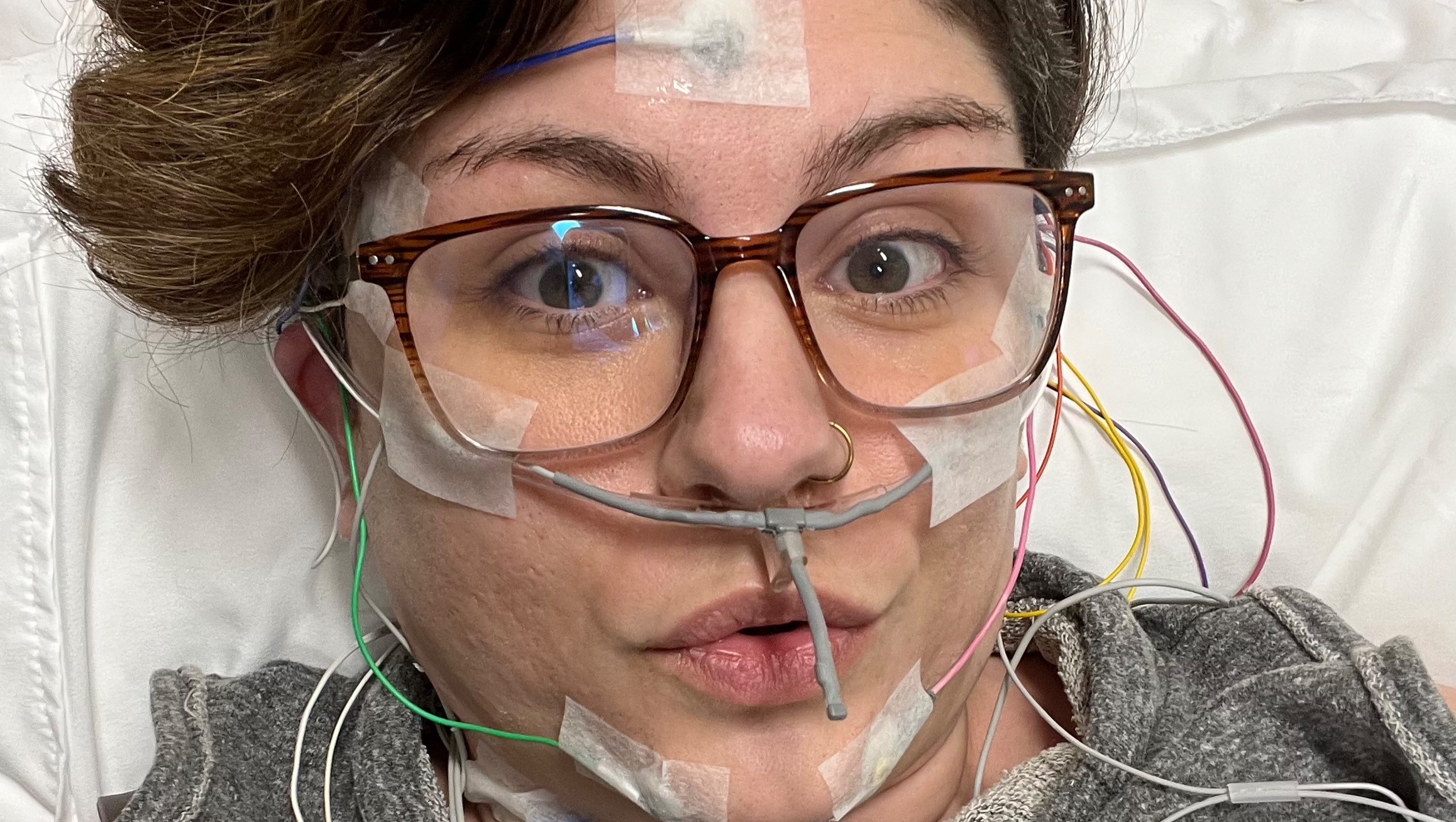
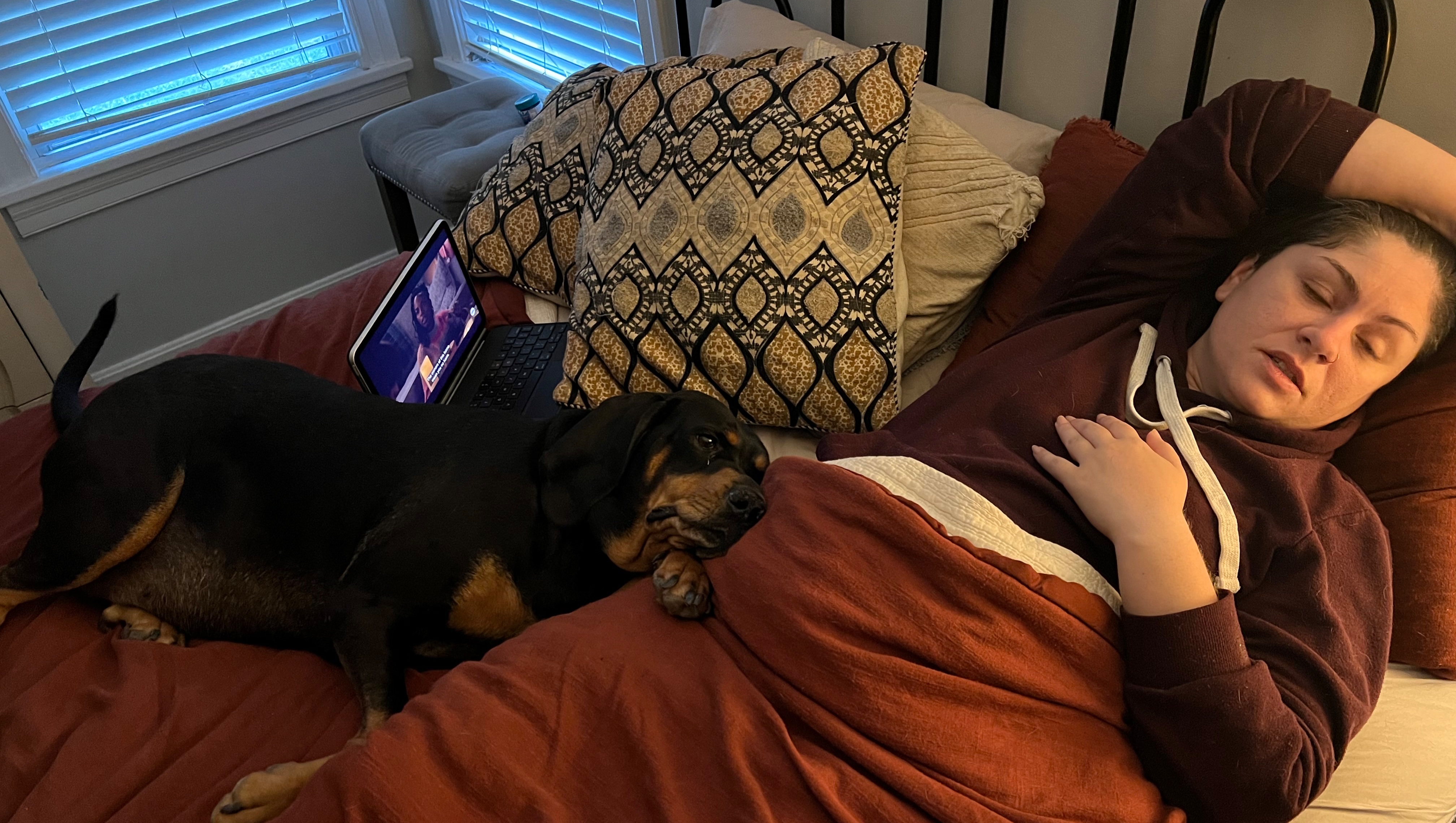
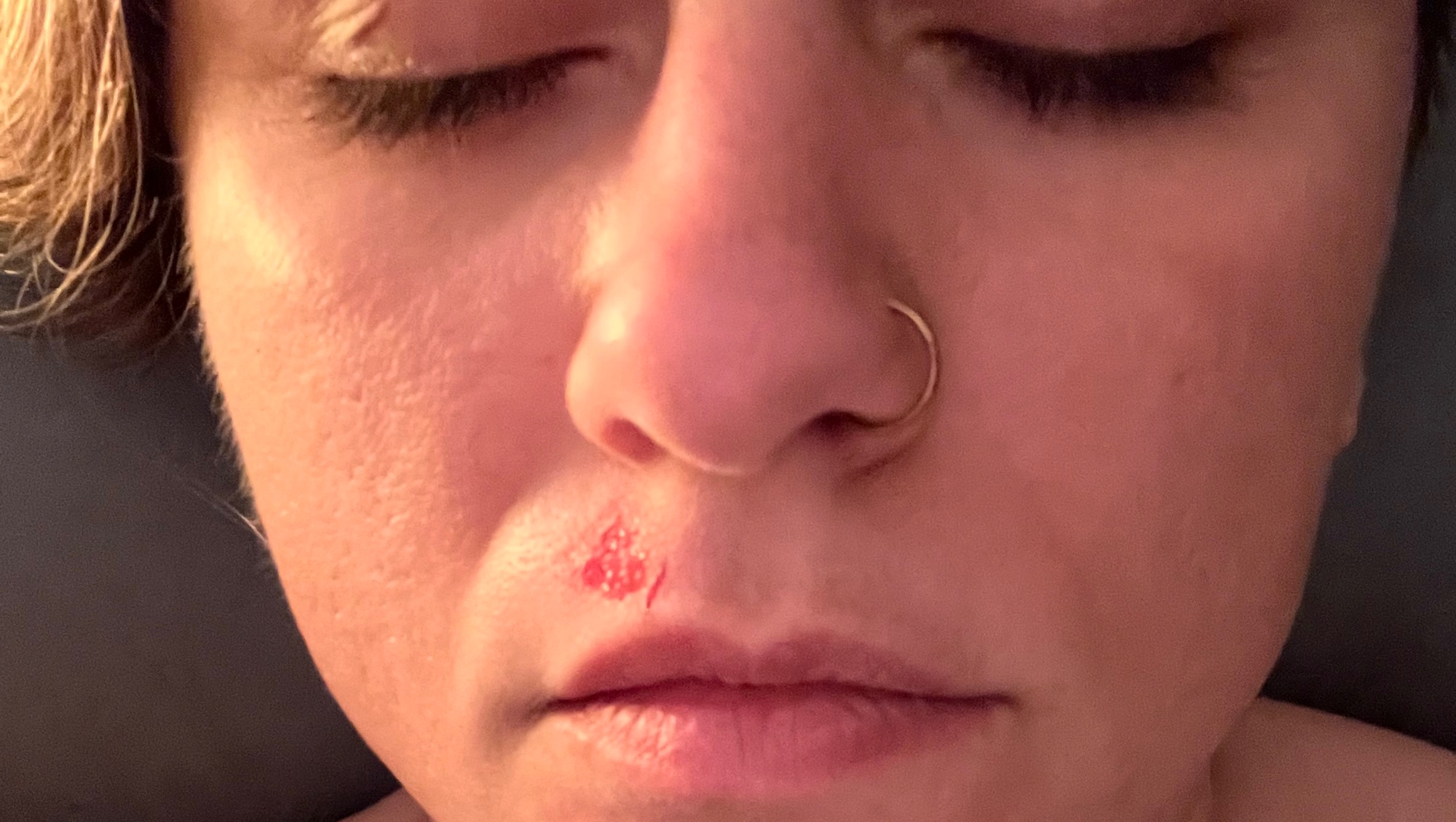
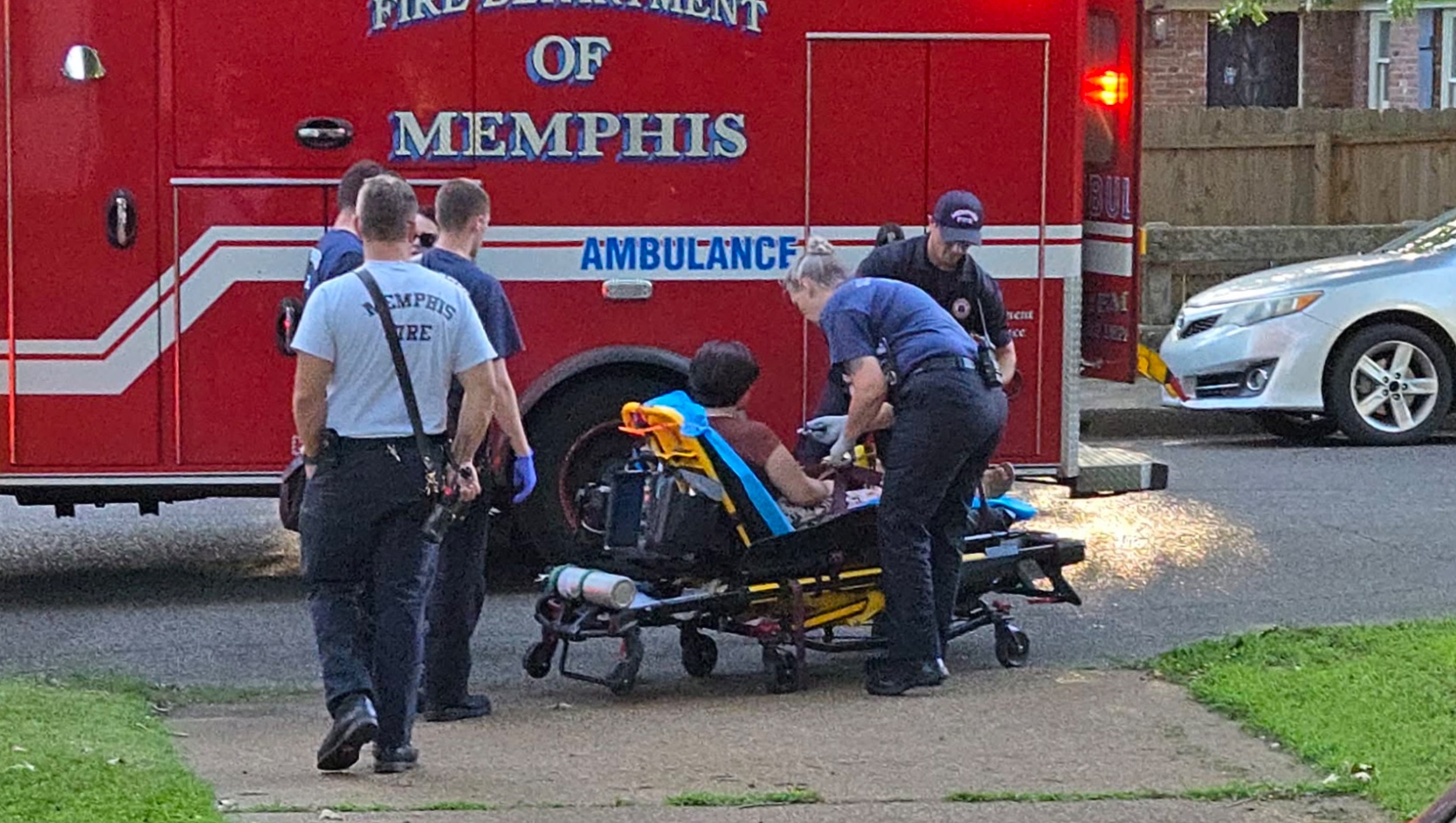
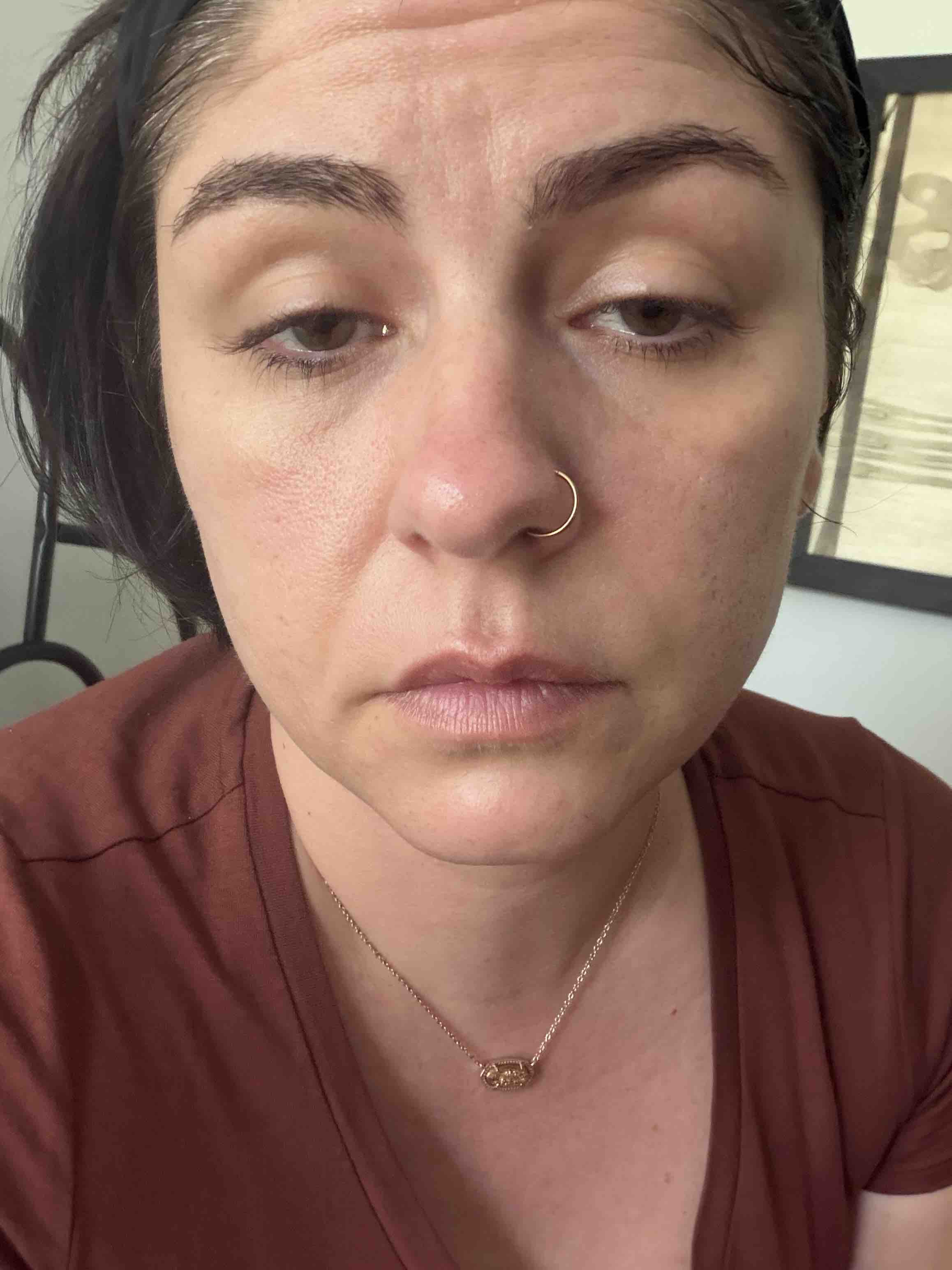
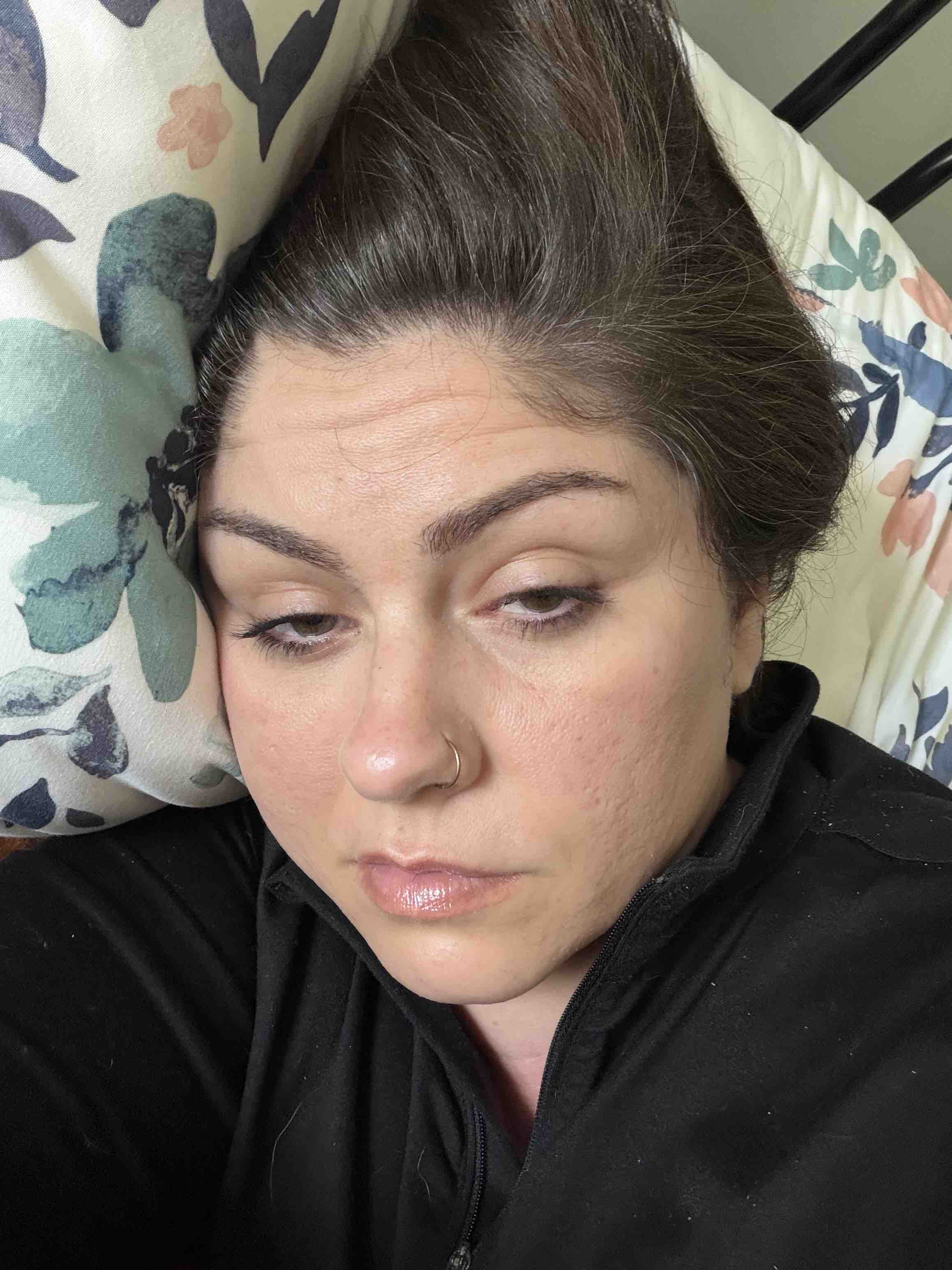
What began as fatigue and dizziness became an illness that looks like ME/CFS, a severe neuro-immue illness with no cure. She has crushing exhaustion, dizziness, a racing heart, hormonal abnormalities, and inflammation. Above all, her body can't recover from exertion. Cooking, cleaning, running errands, or walking her dogs trigger post-exertional malaise (PEM), a crash that leaves her in bed for days with flu-like symptoms and severe brain fog. So she can't do them at all.
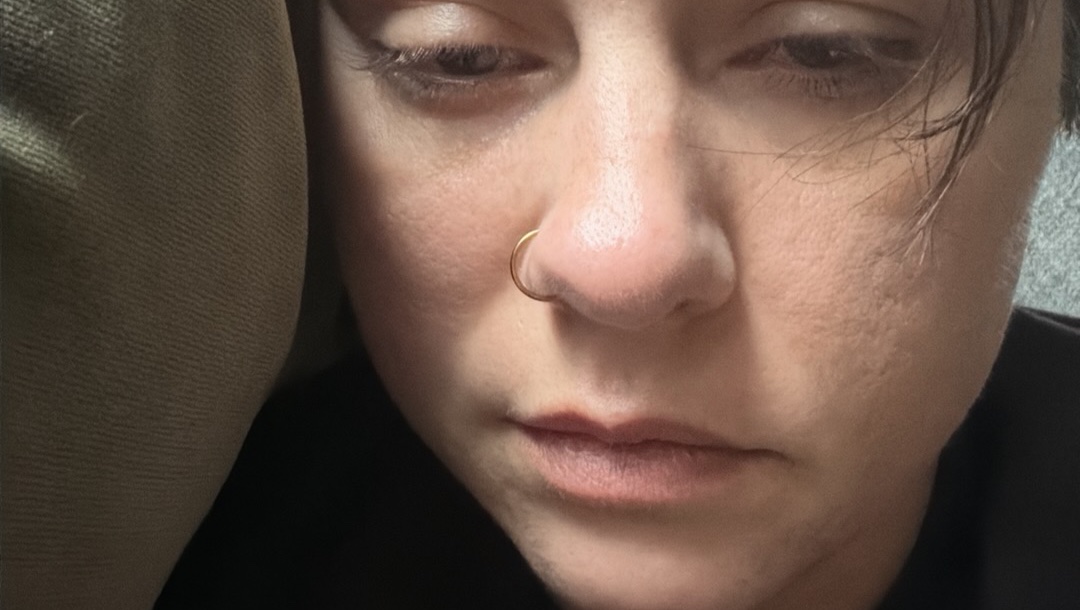
The hardest part hasn't been the symptoms. It's been the life she's missed: first the dance classes and long walks, then the engagements, weddings, and baby showers. She has watched life keep moving while she stayed home, conserving every bit of energy to make it through the next day.
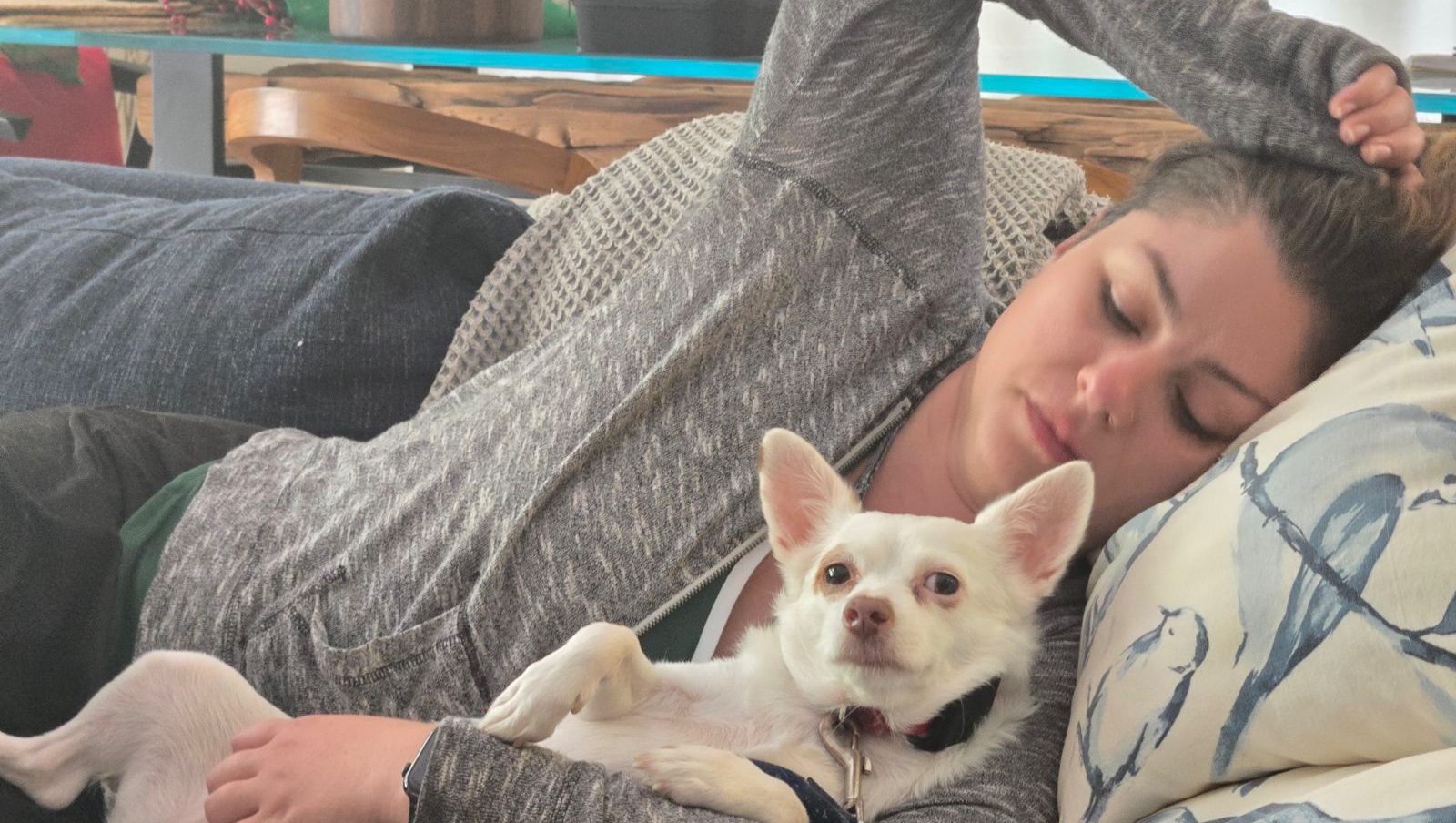
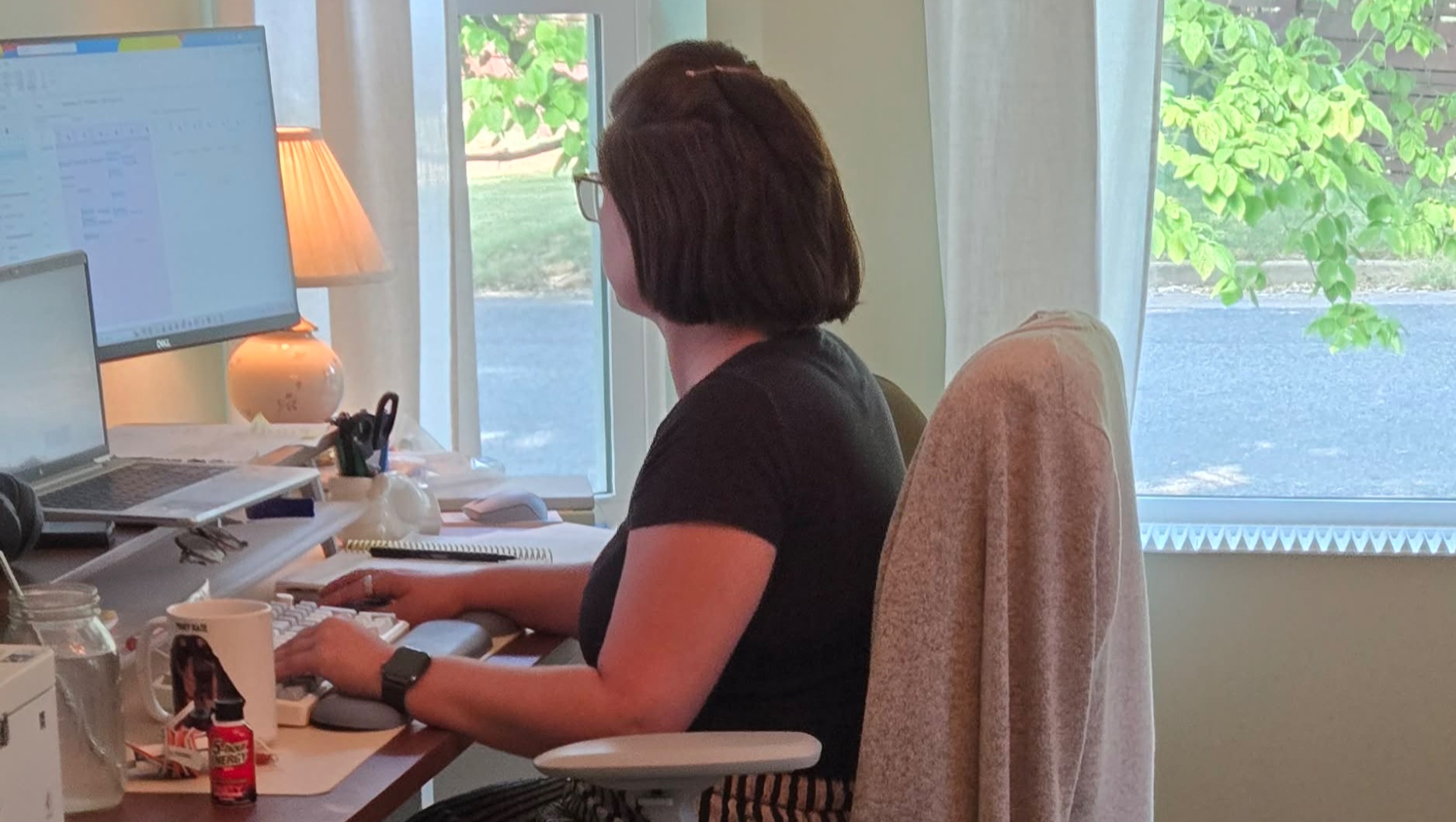
Through all of it, Kira has kept working full-time from home, supported by a team and an employer who make it possible. She's not asking to stop. She's trying to keep going.
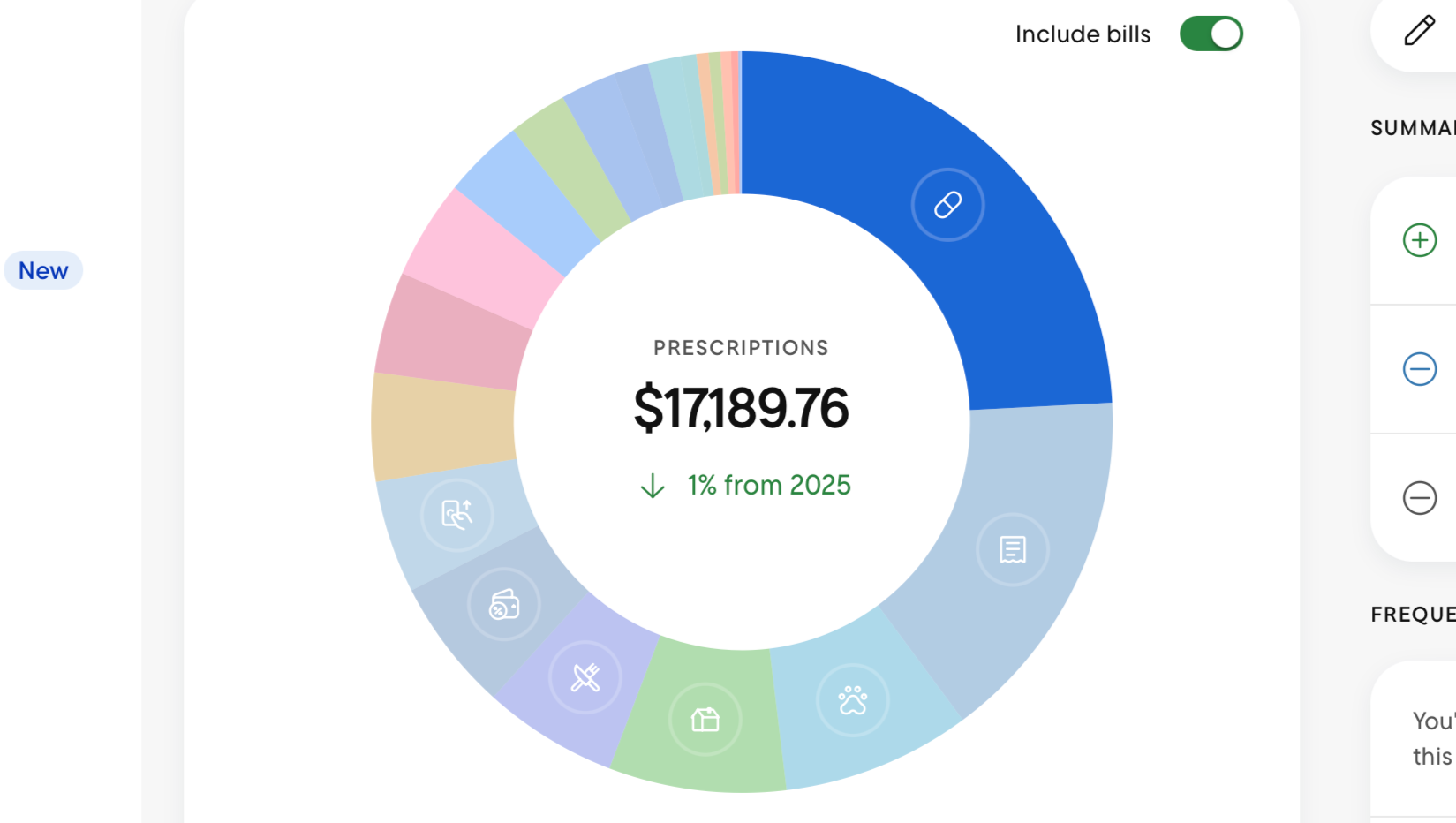
Kira isn't asking anyone to pay for her day-to-day care. She has covered that herself for four years, and it has taken everything she could have saved. Because ME/CFS has no approved treatments, the off-label medications and supplements that keep her functioning aren't covered by insurance, so about 85% of her care comes out of pocket.
Why Japan
ME/CFS looks different in every person, and researchers are still working out why. Approved treatments are still years away, and Kira has already spent four years waiting. Testing can show what's actually driving her illness, so she and her doctors can work out which treatments are worth trying for her body specifically, in Japan or at home.
In the US, that testing is either out of financial reach or no one is willing to look. Testing autoantibodies through Mayo alone costs $1,200 out of pocket, and that's one test of many. Without a diagnosis, insurance covers very little of it.
Next week, Kira leaves for 30 days in Japan for specialist evaluations and testing, including nerve and muscle studies, vascular imaging, and eye exams for a growth pressing on her optic nerve. Japan offers advanced diagnostics at a fraction of the US cost, at clinics that welcome international patients. Her parents are covering the trip and the treatment cost. She is short for medical coordination, translation, consults, and testing.
If the results support it, she may begin an experimental procedure at a Japanese clinic. It isn’t approved in the US, it hasn’t been tested in large trials, and nothing is guaranteed.
If you can give, any amount helps. If you can't, sharing this helps just as much. Kira will post as many updates as she can while there and when she's back.
Thank you for reading, for sharing, and for believing a fuller life may still be ahead.