How long does it take to run a 5K? Steps, miles and 5K training plan for charity runners
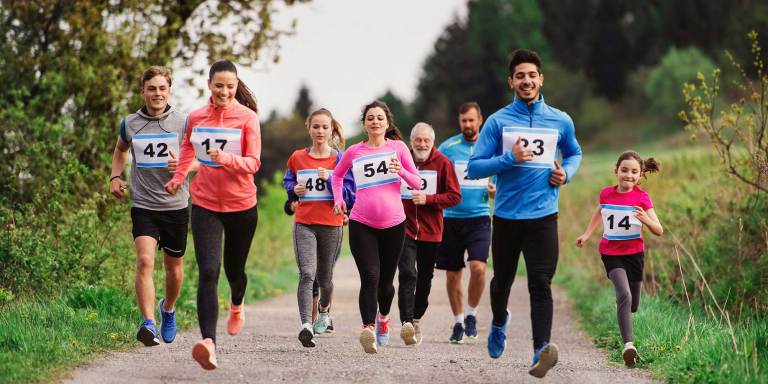
Whether you’re new to running, trying to get a personal best or you’re lacing up your trainers to start exercising again – everyone’s 5k time is different.
If you’ve not run that far before, it can be a daunting challenge and it can be hard to know what you should be aiming for. Every runner is different and has varying levels of fitness, so it can be tricky to know what 5k time is achievable and worth striving for.
If you’re taking on a 5k park run, running in an organised event or simply fundraising by running 5k in your spare time, having a goal time in mind can really help when raising funds. Trying to achieve a personal best when fundraising is a great way to motivate you when your legs are feeling tired and you want to stop. Keeping track of your timings is also a great way to let your donors know how you’re getting on and how the training is going.
With our tips, we can help you to understand what time to aim for during your next 5k fundraising race.
How many miles is a 5K run?
A 5K run is 5 kilometres, which is 3.1 miles. That distance also equals 5,000 metres.
A 5K is a popular charity challenge because it’s long enough to feel like an achievement but short enough that beginners and experienced runners alike can take part.
A 5K is achievable for many people, so it’s ideal for things like charity events, community challenges, and fundraisers where a wide range of participants can take part, whether they walk, jog, or run.
What is the average 5k time?
Average 5k times can vary widely depending on a runner’s fitness, height, and age, so it’s hard to say exactly how long it takes to run a 5k.
Other factors can influence speed, but there are some general average times which could be good to understand as you’re training.
A state of running report found that both male and female runners perform best at a half marathon distance (13.2 miles).
The report also broke down average 1k and 5k times.
Its conclusions were as follows:
- Male: average 1k split time is 7:04
- Male: average 5k finish time – 35:20
- Female: average 1k split is – 8:18
- Female: average 5k finish time – 41:30
Average 5K times by age and fitness level
As well as fitness levels, age plays a massive part in determining average 5k times. If you’re new to running, finishing a 5K in 30-35 minutes is a solid achievement and a great first goal to aim for. Finishing a 5K alone is something to celebrate.
Below is a combined look at typical 5K running times by age group and runner level, based on real race result data and widely referenced running standards.
Elite 5K times
Elite runners are far faster than typical age group finishers, and their performances help show the upper end of human ability.
When competing at the Olympics, Sir Mo Farah was able to complete a 5k in an unbelievable time.
At the London 2012 Olympics, he clocked a gold-medal winning time of 13:41.66, and in Rio in 2016, won the title again in an even quicker 13:03.30.
| Age group | Beginner | Intermediate | Advanced | Elite |
| 20 – 29 | +-31:29 | +-22:31 | +-19:44 | +-17:40 |
| 30 – 39 | +-31:29 | +-22:32 | +-19:44 | +-17:40 |
| 40 – 49 | +-33:09 | +-23:43 | +-20:46 | +-18:36 |
| 50 – 59 | +-35:47 | +-25:36 | +-22:26 | +-20:05 |
| 60+ | +-38:53 | +-27:49 | +-24:22 | +-21:49 |
Calories burned and nutrition tips
How many calories you burn in a 5K depends on your bodyweight and effort. As a rough guide, many runners burn between 300 and 400 calories during a 5K. Heavier runners and those running faster will burn more, while lighter runners burn slightly fewer.
Good nutrition will help keep your training consistent and make you feel stronger while you’re running and during rest days.
Pre-run nutrition
Eat easily digested carbohydrates and some protein around 1-2 hours before a run to fuel your body. Some light options include:
- Oatmeal with fruit
- Toast with peanut butter and banana
- Yogurt with berries
- Drink water before you start so you’re well hydrated.
Post-run recovery nutrition
After a run, refuel with protein and carbs to replenish your energy and support muscle repair. Some easy choices include:
- A fruit and yogurt smoothie
- A chicken or turkey sandwich on wholegrain bread
- A rice bowl with lean protein and veg
- Chocolate milk with fruit
- Keep drinking water to replace fluids lost through sweat.
What are the health benefits of regular 5K running?
Running a 5K regularly can improve heart and lung health, help manage weight, strengthen muscles, and boost mood. It makes your body work more efficiently and supports overall fitness.
Tips for running a 5k fundraiser
If you’re new to running or training for an event, 5k is a great milestone to aim for. It may seem like miles away and something you may not be able to achieve, but with our tips about how to get into running, you can get there.
See here for more tips about how to take those first steps.
1. Time your training runs
Once you get comfortable running, it’s a great idea to time your runs and monitor your progress.
Depending on the weather, how much you’ve eaten and how hydrated you are, some days you may be quicker and you may be slower. But overall, you will see your running times improve as the weeks go on.
There’s a load of easy ways you can record your progress, including free fitness apps, stopwatches, or fitness trackers. As your times improve, this can be a great motivator to keep going and keep training. Measuring your progress can also give you something to aim for when you run the 5k fundraiser.
2. Aim for a realistic finish time
When the time finally arrives for your fundraising run, try not to put too much pressure on yourself and your finish time. If this is one of your first events, or if you’re an inexperienced runner, try to aim for the best time you’ve set in training or your average 5k time.
You don’t need to be the person at the front of the race, and if you’re having a slow day, that’s also ok. Set yourself a realistic goal and consult the times you’ve done in training. Try to think what the best average of these could be.
3. Don’t rush the start
Many runners find their first 1k and last 1k can be much quicker than the rest of the run. With all the determination to finish and set off strong, sometimes you can tire yourself out before you’ve even reached 2k. Try to start off at a settled pace and build up to gradually going quicker once your breathing is in a good rhythm.
Remember, on the day, it may be crowded at the start line. You may not be able to go as quickly as you’d like, so it’s good to be patient in this situation. Try to treat it as any other run and remember you have a big distance to go.
4. Remember to warm up
With all the excitement of the race, it’s natural to just want to set off and get going. As your adrenaline is starting to build, it may feel boring or unnecessary to do all the adequate stretching before a run.
It’s crucial you stretch and hydrate before a big period of exercise. You lessen the risk of injury and the chances of you being in pain afterward decrease massively. Once you’re stretched out, it’s also hugely important to warm up before a race to avoid injuring yourself. This can be anything from running on the spot, walking or loosening your body up.
5. Enjoy the race
There’s so much to think about on the day like timings, warming up, and the aftermath. But the most important thing is you enjoy the race. It’s something you’ve trained long and hard for, so it should be something you have good memories of after.
Keep in mind the cause you’re raising funds for and how this race can help others. Starting a GoFundMe is incredibly easy and can be successful when you share on social media and reach out to your community.
Kickstart your fundraiser today and learn how GoFundMe works.
5K training plan for fundraising success
Below is a simple 8-week progression designed for beginners who want to train for a 5K while creating a fundraiser. It combines regular running sessions with rest and fundraising milestones you can use.
Weeks 1 to 2: Foundation building
- Training: 3 sessions per week of walk/run intervals, aiming for 20-30 minutes each. Alternate walking with short jogs to help your body adapt and reduce injury risk.
- Rest: Take rest days between sessions to let muscles recover and grow stronger.
- Fundraising milestone: Set up your GoFundMe page and share your initial goal so supporters know what you’re aiming for.
Weeks 3 to 4: Building endurance
- Training: Increase to 3-4 sessions per week. Extend running intervals to 5-10 minutes with walking recovery in between. Add one longer session of 25-35 minutes at full effort to help your body learn sustained movement.
- Rest: Keep at least one full rest or easy cross-training day to help recovery.
- Fundraising milestone: Aim to reach about 25% of your donation target. Share a progress update with supporters to show there’s momentum.
Weeks 5 to 6: Consistency focus
- Training: Move to 4 sessions per week. Try sustained runs of 15-20 minutes without walking breaks, plus one tempo session where you run at a slightly faster, but controlled pace to build fitness and confidence.
- Fundraising milestone: Share training progress videos or photos with supporters.
Weeks 7 to 8: Race preparation
- Training: Maintain your fitness with similar sessions but avoid overtraining. Too much volume at this stage increases risk of fatigue. Spend more time practising your race-day routine and pace so you know what to expect.
- Rest: Include lighter sessions and rest to arrive at race day feeling fresh and ready.
- Fundraising milestone: Make a final push toward your 100% target. Let supporters know the event is coming up and invite them to cheer you on.
Session types explained
Different session types help improve different aspects of your running:
- Easy runs help to build endurance without any strain.
- Intervals help improve your speed and stamina.
- Long runs help you build endurance and confidence and gets you used to some strain.
- Rest days give you enough time to recover and help your body do the same.
What’s the best warm-up before a 5K race?
Before every session, start with a 5-10 minute warm-up like a brisk walk followed by dynamic movements like leg swings, arm circles, and light jogging to raise blood flow, loosen muscles and get your body ready for effort.
Walking 5K: times, pace, and training
Walking a 5K is completely valid for fundraising efforts too. You don’t have to run the whole distance to take part. Many people walk all or part of a 5K, and most events warmly welcome walkers of all ages and abilities.
Realistic walking times
At a typical walking pace, most people will finish a 5K in about 45-60 minutes. A slower or more relaxed pace might take closer to an hour or more, and a brisk walk may be slightly faster.
Walking and calories
Walking 5K also burns calories. Most people burn around 200-400 calories over that distance, depending on bodyweight, pace and terrain. Heavier walkers and those moving faster tend to burn more.
Training to walk a 5K
You don’t need a strict plan to prepare. Gradually building up your walking time each week, aiming for frequent walks of 30-45 minutes or more. This’ll help you feel confident on event day.
Is it okay to walk during a 5K race?
Yes, definitely. Walking a 5K is accessible for beginners, kinder on joints than running, and still a visible achievement supporters can relate to. It also makes your challenge inclusive, encouraging people of all fitness levels to join or donate.
5K races and events in Ireland
Ireland has lots of opportunities to take part in 5K events outside of your own fundraiser, with options across regions and seasons that suit walkers, joggers, and runners. A great way to find local races and fun runs is to use a running events calendar, which lists 5K races nationwide.
Regular and popular 5K events
- parkrun Ireland: Free, weekly 5K community runs where you can walk, jog or run in many park locations across the country.
- Brain Tumour Ireland Annual 5K Run/Walk: A popular annual 5K event in Corkagh Park, Dublin, open to runners and walkers.
- Irish Runner 5K in Phoenix Park, Dublin. Part of the Athletics Ireland Race Series, this timed 5K attracts runners of all levels.
- Other community 5K road races and fun runs appear regularly on race calendars around the country, such as the Claughaun GAA 5K in Limerick and the Run the Banner 5K Challenge.
If you enjoy this distance and want to try a longer challenge, you might be interested in learning about 10K races and times as well.