The complete financial guide to excess skin removal surgery
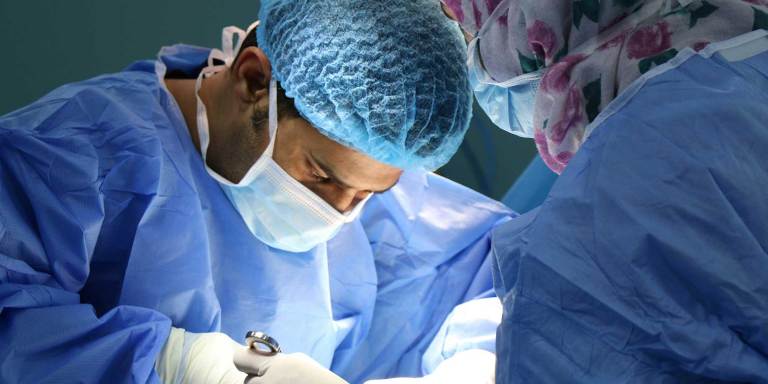
There’s so much to celebrate after a serious weight loss journey including newfound health, confidence, and a dramatically different lifestyle. But even after working hard at losing weight, pounds and pounds of heavy skin can stick around and cause both physical and psychological pain.
Thankfully, excess skin removal surgery can eliminate 15 pounds or more of weight and help you conquer all of your weight loss goals. Below, you can find out how to get loose or excess skin removal surgery covered by insurance, as well as other ways to pay for the expensive procedure.
What is excess skin removal surgery?
Excess skin removal surgery (also sometimes called loose skin removal surgery), also known as body contouring, involves various procedures which include lower and upper body lifts, thigh and buttock lifts, panniculectomy, and more. These procedures are performed after major weight loss to target the extra skin folds on the body in areas such as the legs, stomach, and arms.
Eliminating extra skin after weight loss can improve your comfort and the way clothes fit on your body, as well as make exercising easier.
Facts to know about excess skin removal
- 171,064 tummy tuck procedures were performed in 2024.
- In the same year, the demand for upper arm lifts grew 2% and demand for lower body lifts remained stable.
- 9,914 thigh lifts were recorded.
- Eyelid surgery, which removes excess skin, fat, or muscle from the upper or lower eyelids, was in the top five procedures.
- 48% of all tummy tuck procedures were on people aged between 40 and 54.
- The second most in-demand procedure for men is a tummy tuck.
*Statistics are from a 2024 report by the American Society of Plastic Surgeons, which represents plastic surgeons in the United States and Canada.
Excess skin removal surgery costs
So, exactly how much does skin removal surgery after weight loss cost? Costs vary depending on the procedure, the province where the surgery is performed, the surgeon’s experience, and whether treatment is provided through a private clinic or in a hospital setting. Based on pricing published by Canadian plastic surgery clinics in 2024–2025, including The Plastic Surgery Clinic (Ontario), Pacific Plastic Surgery Group (British Columbia), and Power Plastic Surgery (Ontario), typical costs include:
- Tummy tuck (abdominoplasty): approximately CAD $10,000–$16,000
- Lower body lift: approximately CAD $15,000–$22,000
- Upper arm lift (brachioplasty): approximately CAD $6,000–$10,000
- Thigh lift: approximately CAD $7,000–$12,000
- Breast lift (mastopexy): approximately CAD $8,000–$13,000
- Panniculectomy: costs vary significantly and may be partially or fully covered by provincial health insurance when deemed medically necessary (see insurance section below)
Costs vary by province, surgeon’s experience level, procedure complexity, and whether facility and anaesthesia fees are included.
For readers considering treatment outside Canada, the American Society of Plastic Surgeons (ASPS) reports the following average U.S. surgeon fee ranges for 2024:
- Tummy tuck (abdominoplasty): USD $8,000–$13,500
- Lower body lift: USD $10,000–$16,500
- Upper arm lift (brachioplasty): USD $6,000–$10,500
- Thigh lift: USD $7,000–$12,000
- Breast lift (mastopexy): USD $6,500–$11,000
- Buttock lift: USD $7,000–$11,500
There may also be other costs to consider, such as anaesthesia fees, facility and material costs, and prescription costs.
4 ways to pay for skin removal surgery
Surgery isn’t cheap. However, there are several ways to save money or even get your surgery paid for in full. Here are some methods of paying for skin removal surgery.
Insurance
Not every insurance company will pay for skin removal surgery. You need to be able to prove that the surgery is medically necessary and will significantly improve your health and quality of life.
- Talk to your doctor: Speak to a doctor about why the surgery is medically necessary and document the steps you’ve taken to overcome your medical issues to show surgery is truly a last resort. To qualify for insurance, your doctor will need to provide a record that states your excess skin has caused skin rashes or skin ulcers, back problems, or is generally inhibiting you from participating in normal, daily activities.
- Decide which type of surgery is best: Most insurance companies consider an abdominoplasty, or tummy tuck, a cosmetic procedure and will not cover it. On the other hand, a panniculectomy is usually labelled as a reconstructive procedure, which insurance companies are more likely to pay for. Speak with your doctor about which type of surgery is best for your needs, taking into consideration what your insurance company is most likely to cover.
- Work with your insurance company: Find out if your insurance will pay for all or a portion of the surgery. Have the correct insurance code for your surgical procedure handy so there’s no confusion about the procedure you’re asking about.
In Canada, provincial health insurance plans such as OHIP in Ontario may cover a panniculectomy when it is considered medically necessary. Coverage is generally limited to cases where excess skin causes documented medical issues such as chronic rashes, recurring infections, ulcers, or significant functional problems. Cosmetic procedures such as abdominoplasty (tummy tuck) are not typically covered.
Many Canadians also have access to employer-sponsored extended health benefits, which may provide partial coverage for certain reconstructive procedures. Before booking surgery, contact your plan administrator and provide the correct surgical procedure code to confirm what documentation is required and whether any portion of the costs will be reimbursed.
Bundle surgeries and pay in cash
Some hospitals and plastic surgery clinics offer small 5-10% cash discounts for paying in cash up front. Also, many clinics offer discounts if you get more than one procedure done at the same time. Always do your research to find out if there are any other ways to save money.
Use an HSA or health spending account
Some Canadians have access to a Health Spending Account (HSA) through their employer’s group benefits plan. An HSA can be a tax-efficient way to pay for eligible medical expenses, including certain reconstructive surgical procedures that are not covered by provincial health insurance.
Eligibility varies depending on the terms of the plan and how the procedure is classified. Before booking surgery, check with your employer or plan administrator to confirm whether the procedure qualifies for reimbursement and what supporting documentation is required.
Crowdfund to cover costs
Thousands of people have turned to crowdfunding to get help paying for out-of-pocket medical expenses or to avoid medical bankruptcy. When insurance coverage fails or you need to raise funds quickly, crowdfunding can be a lifeline.
You might be hesitant to share your weight loss story publicly and ask for financial support. But if you’ve worked hard to shed extra weight and live a healthier life, you’ll likely find that your family and friends will be excited to support you through this final leg of your weight loss journey.
How crowdfunding has helped fund skin removal surgery
These are just a few people who asked their networks to help them pay for skin removal surgery and received support:
Jake’s Skin Removal Surgery
Ontario resident Jake Pantalleresco launched a GoFundMe after losing more than 300 pounds following gastric bypass surgery. Although his weight-loss journey dramatically improved his health, he was left with excess skin that affected his quality of life. As of the latest update, the fundraiser has raised CA$1,594 toward a CA$4,000 goal through 10 donations, with recent donation activity still occurring.
Clean up on Aisle 61 – cosmetic update to loose skin removal
British Columbia resident Sue Breisch launched a GoFundMe after losing 160 pounds through major diet and lifestyle changes. While her weight-loss journey significantly improved her health, she was left with excess skin and was scheduled for medically necessary skin removal surgery. The fundraiser aims to help cover additional cosmetic contouring, performed at the same time as the surgery, as well as travel expenses, allowing her to avoid a much more expensive procedure later.
Casey was on the show My 600-Lb Life and has lost over 595 pounds, but he now wants to take the next step in getting all of his excess skin removed. Ethan started a GoFundMe on Casey’s behalf and has raised over $18,000 to help Casey with the cost of skin removal surgery.
Find financial relief for weight loss surgery today
You’ve worked hard to lose weight and get healthy, and you deserve to feel confident and healthy in your new body. If you don’t know how to pay for your skin removal surgery, GoFundMe can help. You can create a fundraiser in minutes, and our sharing tools make it simple to reach out to your network.
Start your GoFundMe and take the next step in your weight loss journey.
Skin removal surgery costs in Canada FAQs
Skin removal surgery costs in Canada vary by procedure and province. A tummy tuck (abdominoplasty) typically ranges from CAD $10,000 to $16,000, while a lower body lift often starts around CAD $15,000 and can exceed CAD $22,000. Costs tend to be higher in Toronto and Vancouver than in other provinces, and additional fees for anaesthesia, facility use, and prescriptions also apply.
In most provinces, cosmetic procedures like tummy tucks are not covered by provincial health insurance. However, a panniculectomy, the removal of a hanging skin apron (pannus), may qualify for provincial coverage such as OHIP if the excess skin causes documented medical problems like skin infections, rashes, or back pain. Contact your provincial health plan and surgeon to confirm whether your procedure qualifies as medically necessary.
A panniculectomy removes the hanging apron of skin and fat below the belly button and is classified as a reconstructive procedure, making it more likely to qualify for provincial health insurance coverage. A tummy tuck (abdominoplasty) also tightens the abdominal muscles and reshapes the area for cosmetic improvement but is generally considered a cosmetic procedure and is not covered by provincial plans. If insurance coverage is a priority, speak with your surgeon about which procedure applies to your situation.
Options include paying out of pocket (some clinics offer 5-10% discounts for cash payments), using a Health Spending Account (HSA) through an employer benefit plan, bundling multiple procedures to reduce per-procedure costs, or applying for a medical financing plan through your clinic. Crowdfunding through GoFundMe is also commonly used by Canadians to cover the gap between what insurance covers and the total procedure cost.
For many people following significant weight loss, removing loose or excess skin can meaningfully improve physical comfort, hygiene, and mobility, in addition to the psychological benefits. The decision is personal and depends on the extent of excess skin, your overall health, and your financial situation. Consulting with a board-certified plastic surgeon who has experience with post-weight-loss body contouring is the recommended first step.