Only 21 children worldwide have PGAP1 disorder.
They can’t speak, many can’t walk — but scientists have found a promising lead towards the first ever treatment. With your help, we can bring hope to these children and their families.
Only 21 children worldwide have PGAP1 disorder.
They can’t speak, many can’t walk — but scientists have found a promising lead towards the first ever treatment. With your help, we can bring hope to these children and their families.
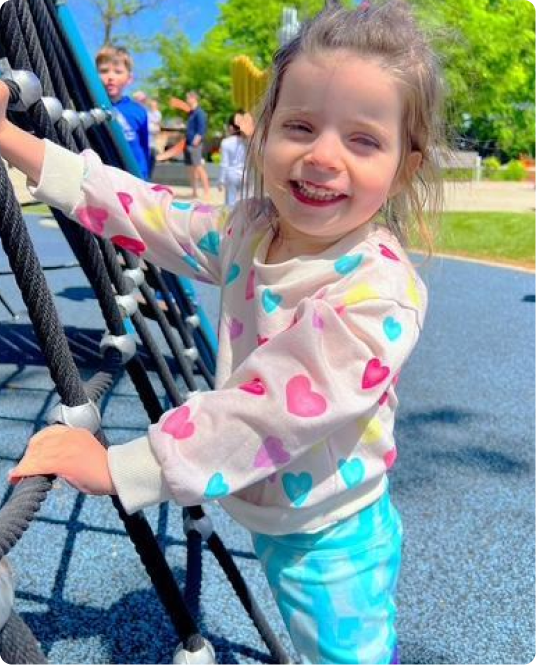
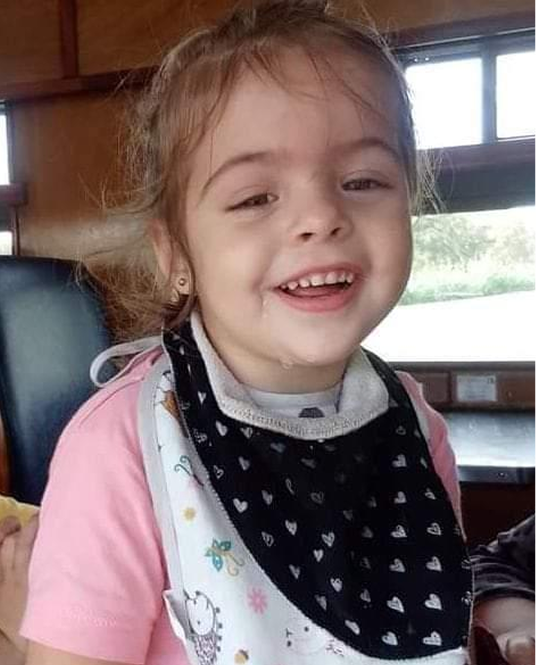
Beautiful Charnice cannot speak, and can only stand and walk for a short time with assistance. She has a global development delay, tremors and sometimes exhibits self-harm behaviour – but her smile warms everyone’s heart.
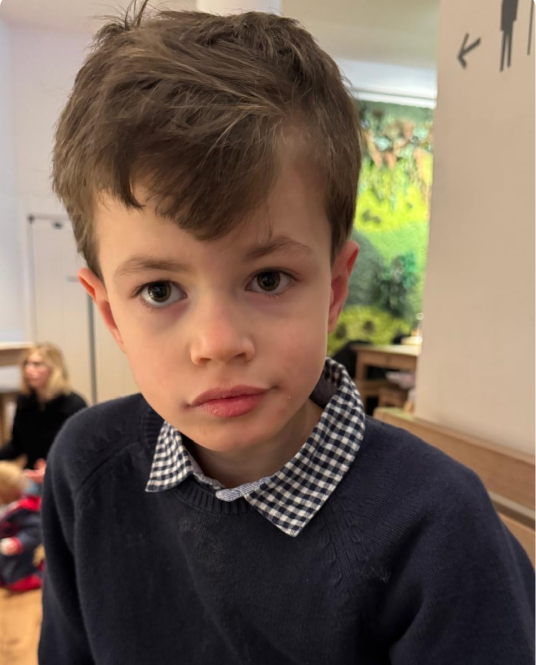
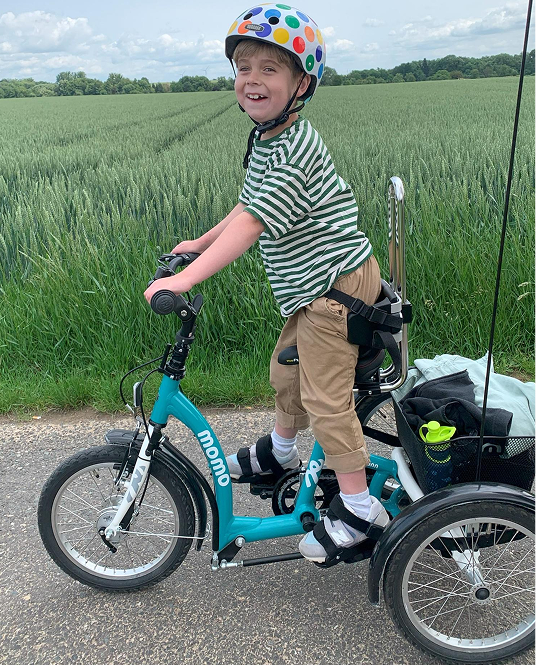
Full of joy, Emil loves making music and uses simple signs to communicate. Though his motor skills are weak due to hypertonia, he loves cycling on his specially adapted bicycle.
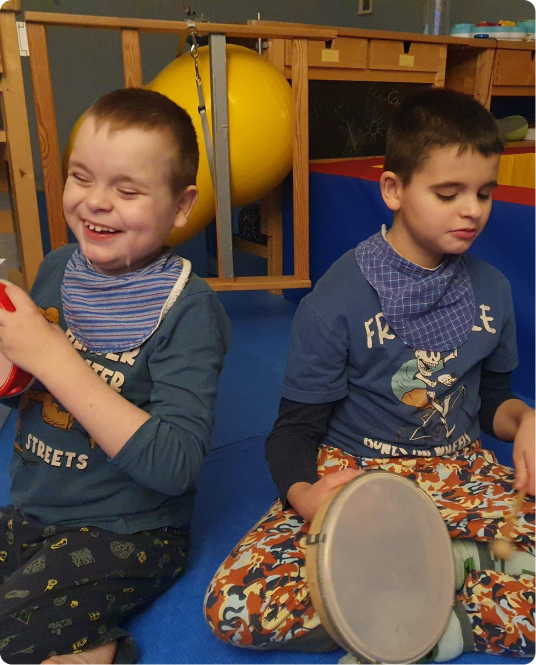
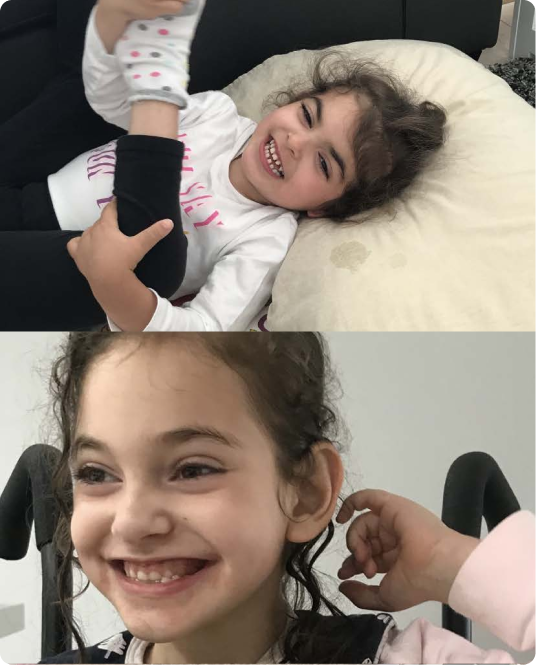
These gorgeous girls are the light of their parent’s lives. They cannot speak, struggle to stand or walk without assistance, and suffer constant night seizures. Their parents’ greatest wish is that a PGAP1 treatment could be found for their beloved daughters.
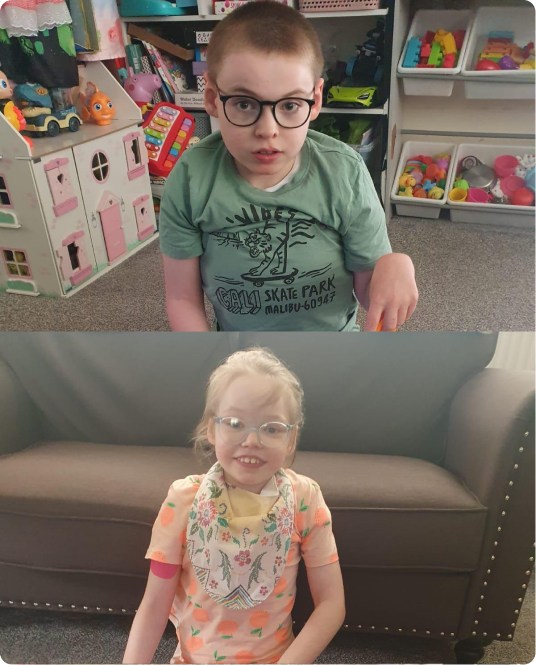
Austin is a happy quiet little boy. He has sight issues, is non verbal, and cannot walk.
Abigail is a happy little girl that loves singing. Her symptoms include scoliosis, hypotonia, fidgets with fingers, and is non verbal.

Elena has a radiant smile and loves cartoons. In her first months of life, her parents noticed some irregularities such as motor difficulties, lack of speech and epileptic seizures.
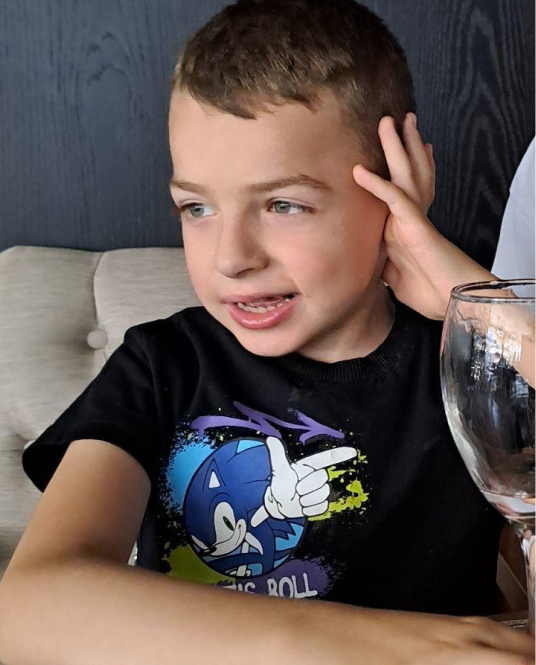
Omar is brave, persistent, and continues to work hard every single day. Our greatest wish is that a cure for PGAP1 will be found, so that all children with this diagnosis may have the chance for a healthier and happier life.
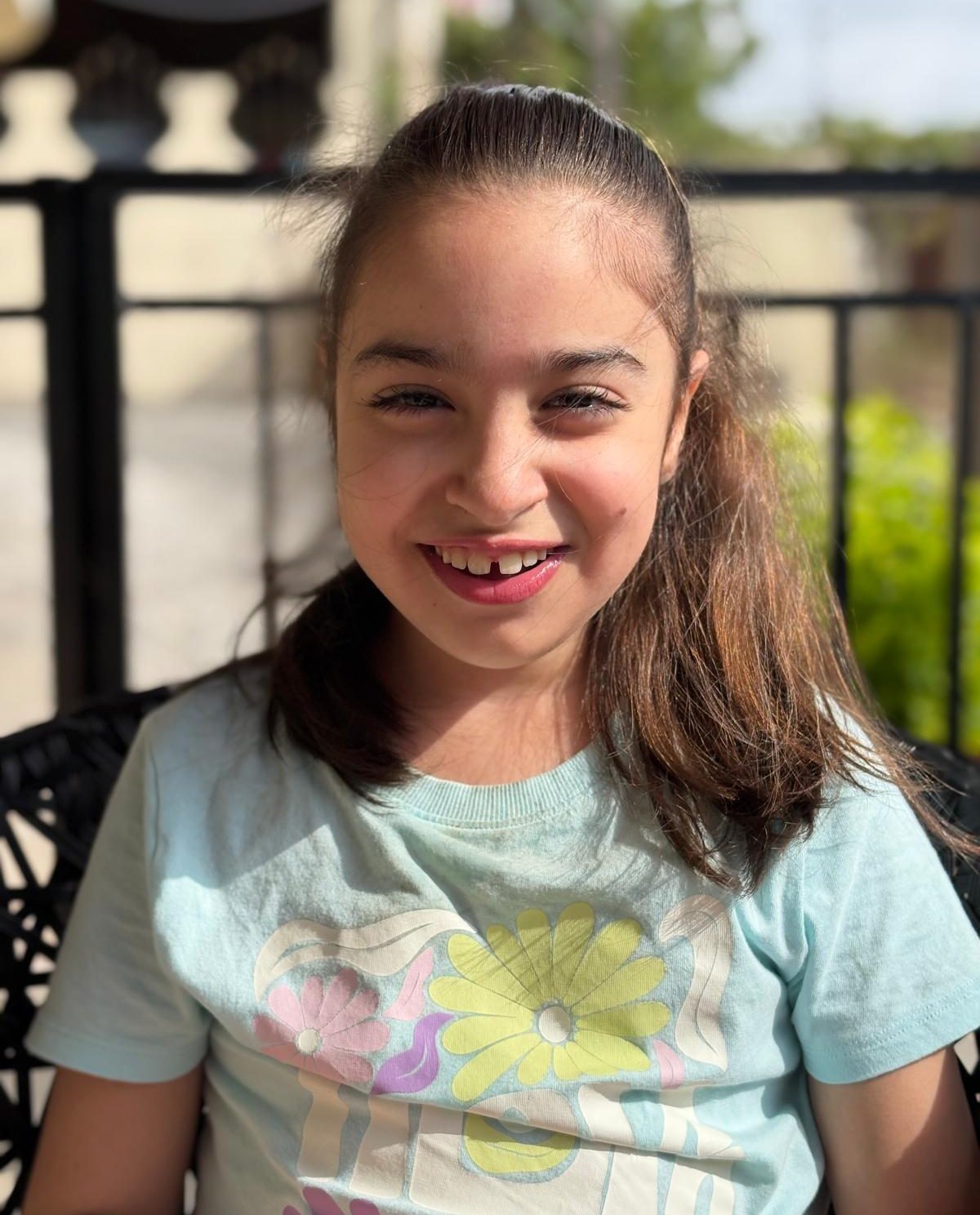
Sophia is an enthusiastic girl with a charismatic presence that everyone can feel. She is she is a vibrant and joyful spirit to her siblings Tristen and Jayden.
PGAP1-neurodevelopmental disorder is an ultra-rare genetic condition. It has stolen the voices and mobility of children, and daily life requires constant support.
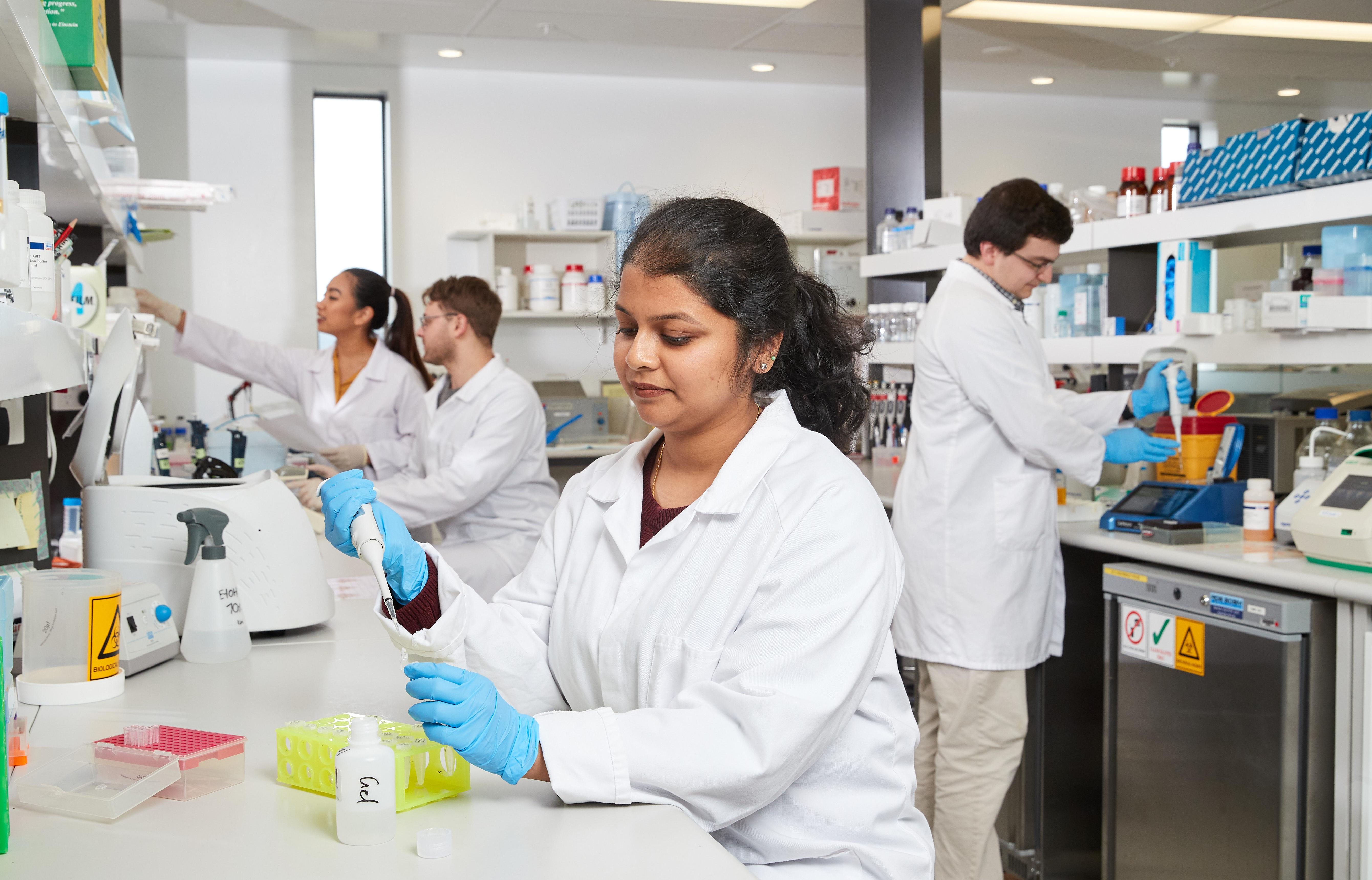
At Children’s Medical Research Institute (CMRI) in Sydney, scientists have discovered a small molecule that can “switch on” the faulty PGAP1 gene. Early lab tests are promising. The next urgent step is to test this molecule on models built from affected children’s cells – a crucial milestone towards clinical trials and, ultimately, a therapy.
Help make this breakthrough possible and give these children the chance at a brighter future.