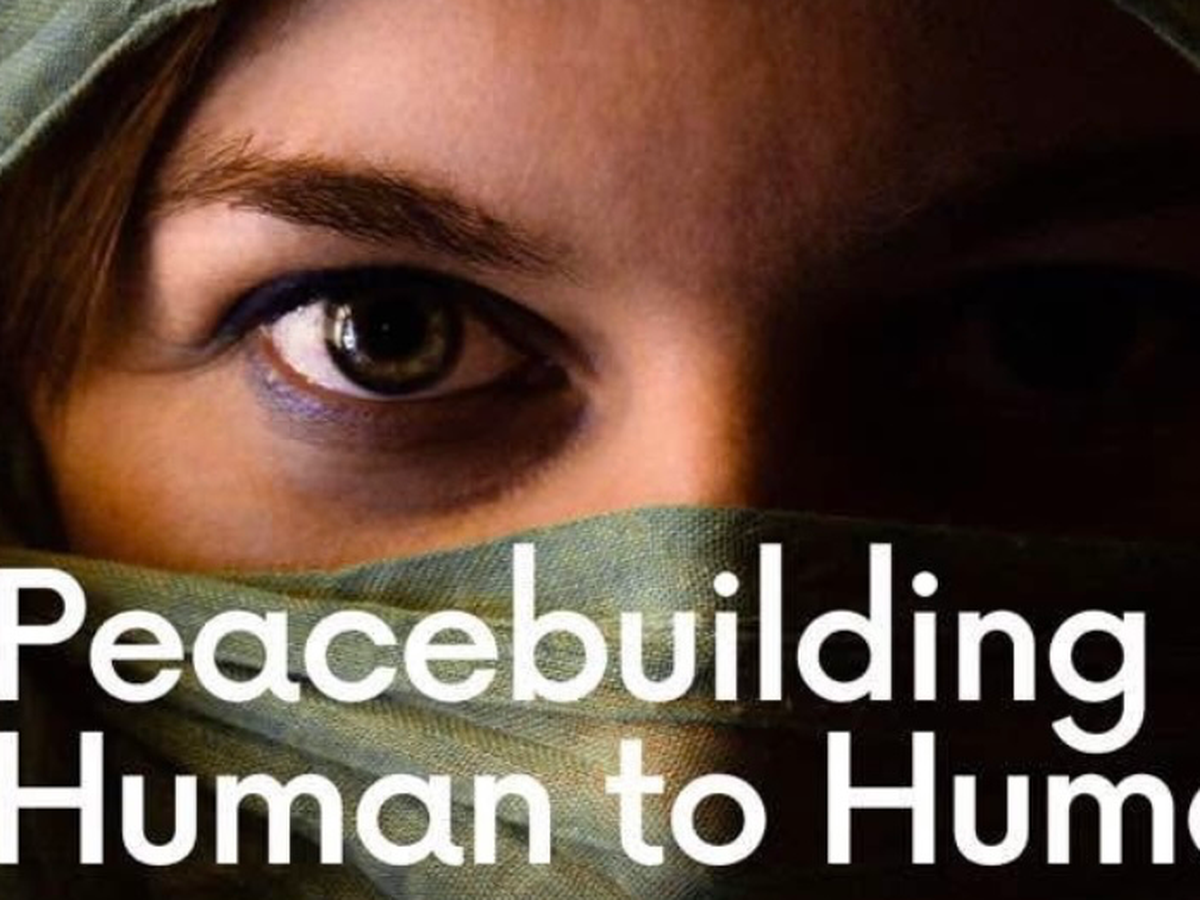
Peacebuilding Human to Human
0% complete
kr 5,250 raised of kr 50K SEK
12 donations
Dear Supporter,
My name is Johanna Richardsson and my dream ringt now is to communicate why “Peacebuilding Human to Human” matters and how it can help shape our future. While working in the Humanitarian field I encountered women that really had an impact in their communities and also on me personally. Impact that I would like to share in filmed interviews with these women. There are eight that I have in mind.
In a world marked by rapid change, geopolitical tensions, and deepening social divides, the concept of peacebuilding human to human represents one of the most powerful forces for long-term transformation. It is rooted in a simple yet profound truth: peace does not begin with institutions; it begins between people.
This project, which amplifies the voices of women working in humanitarian contexts, highlights this phenomenon in its purest form. These women witness daily how genuine human connection—listening, empathy, trust, and shared dignity—can shift mindsets, rebuild broken social fabrics, and create ripples that extend far beyond the immediate moment.
It restores humanity where conflict tries to erase it
War and displacement strip people of identity, agency, and hope. Human-to-human peacebuilding counters that erosion by affirming each individual’s worth. A single conversation, an act of compassion, or a moment of mutual recognition can reconnect someone to their own humanity. This is not symbolic—it is psychologically restorative and often life-changing.
It builds resilience from the ground up
Top-down peace agreements may end violence, but bottom-up peacekeeping sustains peace. When people have personal relationships that cross cultural, ethnic, or political divides, they become anchors of stability within their communities. These quiet bridges of trust often endure when formal processes fail.
Women are core drivers of these invisible peace systems
Women in humanitarian work often operate closest to families, communities, and the emotional realities of crisis. They understand that healing and dialogue happen through everyday encounters—sharing a meal, caring for children, holding space for grief, or guiding a difficult conversation. Their work demonstrates that peace is not only negotiated; it is nurtured.
It creates ripple effects across generations
Small acts of peacebuilding accumulate. A woman who feels seen may parent differently. A child who encounters empathy instead of fear may grow up with less anger. A community that experiences compassion from an outsider may reconsider prejudice. Peace spreads not through grand gestures but through repeated human moments that reshape what people believe is possible.
It challenges the narrative of power
Human-to-human peacebuilding shifts the lens from power over people to power with people. It recognizes that solutions to conflict are not imposed but co-created. This mindset is essential for the future: a world shaped by inclusion, dialogue, and shared responsibility.
It offers a blueprint for the world we need
As climate stress, migration, inequality, and political polarization accelerate, the capacity to connect across difference will define the stability of our societies. Human-to-human peacebuilding equips us with the emotional intelligence, empathy, and trust-building skills that global systems desperately need.
Funding this project means helping the world understand not only how peace is negotiated, but how it is lived.
Organizer

Johanna Richardsson
Organizer