- K
- A
- K
Welcome!
My name is Logan McGill and I am raising money for rainforest, ocean and coral cleanup and research in Southeast Asia. I recently became a certified diver and though the experience was awe inspiring and completely breathtaking, I was forever impacted by the sight of coral bleaching and entangled fishing nets in the reefs. I am planning a trip to Southeast Asia and want to use my new certification to aid in the ongoing conservation work to preserve coral and wildlife in the area. Southeast Asia possesses the greatest biodiversity in the world, with massive coral systems and rainforests. This ecosystem, therefore, is critically important to our global environment. Please help me do my part to save our beautiful coral reefs and rainforests and, in the process, combat climate change!
I will be leaving in December, 2019 and will be raising money from now on through my indefinite trip. I will start a blog and provide updates on social media about my progress and what I am doing at that moment. Unused donations will be given to an organization combating climate change (more info to come on this). All donations will be used strictly for conservation purposes. I will be personally funding my own flights and extra excursions and travel.
Where your money will go:
- Most conservation centers cost anywhere from $200-$1000 per week depending on the activities and equipment required. Most conservation centers cover cost, certain certifications, education, food, accommodation, and equipment when required. On top of this cost, I will have to pay for my transportation to and from programs, as well as food and lodging in-between programs.
- If there are unused proceeds they will all go to organizations supporting marine life and combating climate change.
Here will be my 4 targets while I am there:
1) Ocean and Beach Cleanup
- Beach trash pickup
- Trash pickup on the surface of the water and in the ocean
- Removing tangled and loose fishing nets from coral reef systems
- Removing general debris
2) Coral Research and Restoration
- Researching types of coral and methods for restoration
- Diving to clean debris off of coral to help it grow and thrive
- Growing coral in a lab and then diving to transplant it at the bottom of the ocean floor, creating new marine habitats
3) Marine Animal Identification, Tracking and Reporting
- Learning how to identify different types of coral, plants, and marine animals
- Track the progress of the detriments facing coral and marine life in the area
- Report recorded data to a international database for marine and climate scientists
4) Land Animal Research and Conservation
- Track and survey endangered animals and report into a database
- Elephants
- Orangutans
- Reptiles, insects, big cats, other mammals, dogs, cats
- Learn and apply conservation techniques for local flora and fauna
- Maintain habitats for rescued, formerly abused animals
- Replant the habitat destroyed by extreme weather and deforestation
Ecological Problems Facing Southeast Asia
1) Endangered Species
Many species in Southeast Asia are facing extinction for a variety of reasons. Climate change and deforestation are causing animals to have more contact with humans. As a result, animals become victims of the tourism industry, poaching and rapid urbanization.
Asian elephant - There are only 30,000 Asian elephants left in the world. At the beginning of the 20th century there were over 100,000 elephants in Thailand alone. Poaching and deforestation are two major factors contributing to the decline.
Orangutan - The orangutan is currently critically endangered. The Bornean orangutan population has declined 60% since 1950. Orangutans play a vital role in our environment by dispersing seeds, stimulating the growth of new trees and plants.
2) Destruction of Coral Reefs
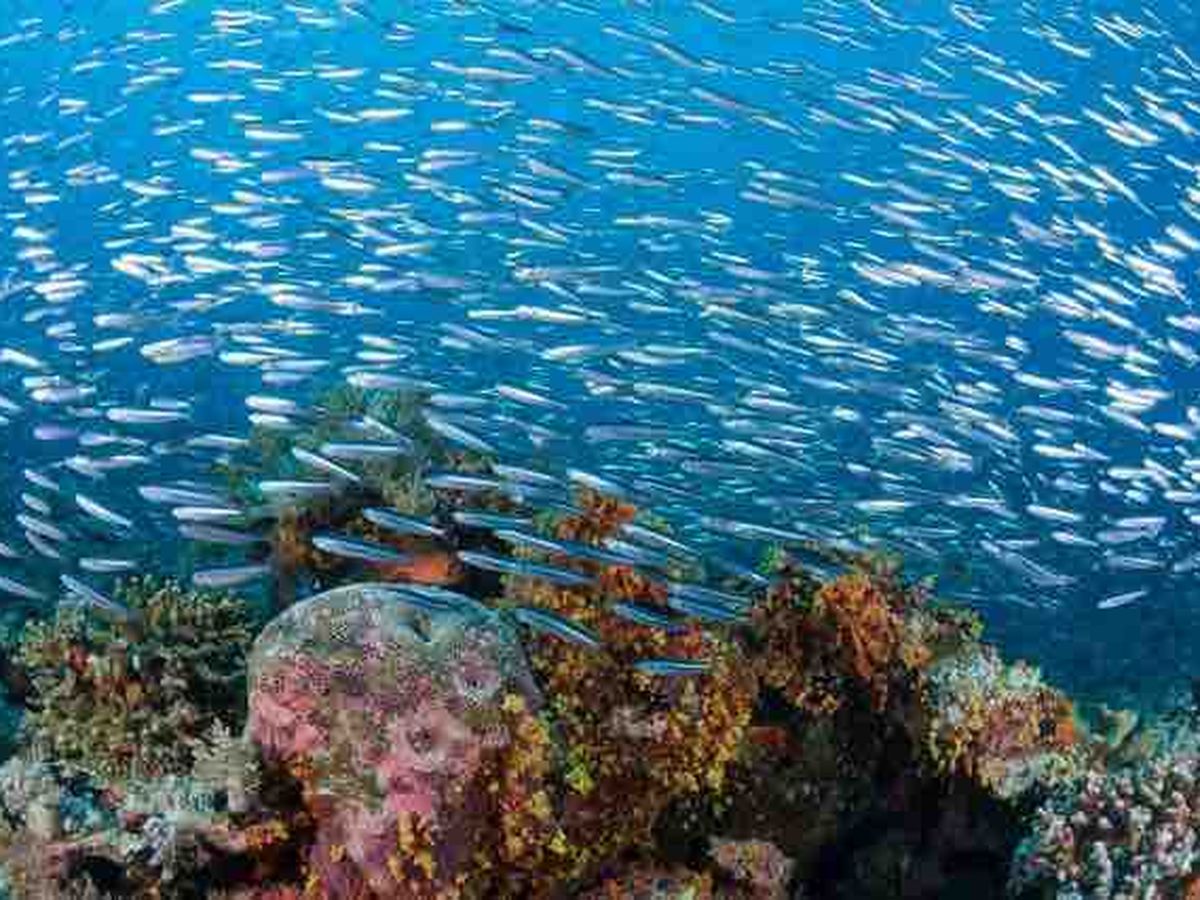
The coral triangle is the most biologically diverse marine environment in the world. Coral is the basis of life in the ocean. It provides fish with homes, cleaning stations, breeding grounds, and predators with hunting grounds. If corals disappear then so do fish. Additionally, local people and fishermen rely heavily on fish to subsist on and for an income. This affects not only life underwater, but on land as well.
Oceans absorb a great amount of the carbon dioxide in our atmosphere. This is converted into carbonic acid, which accelerates the acidification of our oceans. Acidification weakens coral reefs and hinders their ability to recover from disease or from other issues they face. Additionally, if the ocean becomes oversaturated with CO2, it will be unable to absorb anymore, which will cause temperatures on earth to rise drastically. The heating of our oceans causes coral reefs to eject the organisms living in them that provide the coral with energy. This causes coral bleaching, leaving the bare skeleton of the coral. If coral cannot recover from the bleaching, then it risks death.
Overfishing leads to the disappearance of vital fish from reef ecosystems. It also leads to nets and other fishing gear polluting the ocean and becoming entangled with reefs and fish. Certain methods of fishing, such as blast fishing, can destroy entire reef ecosystems that take hundreds of years to build.
Human ignorance contributes to the destruction of coral as well. Taking “souvenirs” while snorkeling or diving could destroy years of progress.
3) Deforestation
Deforestation causes the destruction of vital habitats. Southeast Asia possesses vast areas of rainforests, so rainforest is what is destroyed when development happens. Rainforests absorb a quarter of the world’s carbon dioxide, so the destruction of rainforests increases the levels of greenhouse gases in our atmosphere, causing temperatures to rise.
As the most biologically diverse region in the world, deforestation in the “Coral Triangle” results in a mass extinction of species and endangers many others.
Example Projects:
Batu Kapal Conservation Project - Bukit Lawang, Indonesia
- Sumatra is the last remaining natural habitat for Orangutans in Indonesia
- The Sumatra Orangutan population has declined by 86% in the last 100 years, only 7,300 left in the wild
- Works for the conservation of orangutans among other animals like geckos, insects and small mammals
Kindred Spirit Elephant Sanctuary - Chiang Mai, Thailand
- Clean and feed elephants
- Bring elephants rescued from the tourism industry back into their natural habitat
- Raise awareness in local communities about the harms of the elephant tourism industry, poaching and the endangerment of the Asian elephant
- Conduct surveys of elephants in their natural habitat and analyze data
Save Cambodian Marine Life - Sihanoukville, Cambodia
- Intern as a Coral Farming Assistant
- Collect broken coral fragments and regrow and clean them in the nursery. When they are ready take them back and down and attach them to rocks, reintroducing the coral to its environment
- Conducting surveys and research of seahorses in the area
- Clean reefs in the lab and in the ocean
- Build artificial reefs to plant at the sea bottom to provide fish with habitats
Sea Turtle Conservation Center - Sanur, Indonesia
- Protect sea turtles from the illegal trade, poaching, and the tourism industry
- Work to provide food for the sea turtles, preparing their environment to be released into the wild
- Educate visitors and local schools about sea turtle endangerment
The Mighty Roar - Marine Life Caretaker - Tianyar, Indonesia
- Construct artificial reef structures for marine animals
- Conduct beach and ocean cleans
- Provide education about marine education
- There is a large amount of plastic and discarded fishing equipment threatening the ecosystems of this area so I will be removing large amounts of nets on reefs
Marine Conservation Philippine - Zamboanguita, Philippines
- Take care of the mangrove nursery and replant the mangroves in natural habitat
- Conduct seagrass surveys
- Clean reefs and beach of plastic
- Conduct educational outreach activities
- Survey reef damage
Gili Shark Conservation - Gili, Indonesia
- Underwater video surveillance
- Roving survey dives
- Underwater cleanup dives
- Underwater identification and photography
- Community outreach and educational programs
- Analyze data and learn conservation techniques
North Bali Reef Conservation - Amlapura, Indonesia
- Teach in local schools about marine conservation and and plastic usage
- Participate in beach cleans with local schools
- Reef cleans, coral transplanting, deploying artificial reefs
Coral Cay Conservation - Southern Leyte, Philippines
- Assess the health of the coral reefs by conducting intensive surveys
- Supply information to local governments and NGOs
- Complete a variety of tests to become certified to identify 14 types of coral and over 50 types of fish
- Conduct snorkeling lessons for local children
The Great Projects - Sabah, Malaysia
- Orangutan and Pygmy Elephant Conservation
- Survey Orangutans in their natural habitat by boat and by trekking
- Study and survey local flora and fauna
- Reforestation - planting trees
- Work with local school children for conservation efforts
Thank you so much for reading and visiting my page!
Love,
Logan
My name is Logan McGill and I am raising money for rainforest, ocean and coral cleanup and research in Southeast Asia. I recently became a certified diver and though the experience was awe inspiring and completely breathtaking, I was forever impacted by the sight of coral bleaching and entangled fishing nets in the reefs. I am planning a trip to Southeast Asia and want to use my new certification to aid in the ongoing conservation work to preserve coral and wildlife in the area. Southeast Asia possesses the greatest biodiversity in the world, with massive coral systems and rainforests. This ecosystem, therefore, is critically important to our global environment. Please help me do my part to save our beautiful coral reefs and rainforests and, in the process, combat climate change!
I will be leaving in December, 2019 and will be raising money from now on through my indefinite trip. I will start a blog and provide updates on social media about my progress and what I am doing at that moment. Unused donations will be given to an organization combating climate change (more info to come on this). All donations will be used strictly for conservation purposes. I will be personally funding my own flights and extra excursions and travel.
Where your money will go:
- Most conservation centers cost anywhere from $200-$1000 per week depending on the activities and equipment required. Most conservation centers cover cost, certain certifications, education, food, accommodation, and equipment when required. On top of this cost, I will have to pay for my transportation to and from programs, as well as food and lodging in-between programs.
- If there are unused proceeds they will all go to organizations supporting marine life and combating climate change.
Here will be my 4 targets while I am there:
1) Ocean and Beach Cleanup
- Beach trash pickup
- Trash pickup on the surface of the water and in the ocean
- Removing tangled and loose fishing nets from coral reef systems
- Removing general debris
2) Coral Research and Restoration
- Researching types of coral and methods for restoration
- Diving to clean debris off of coral to help it grow and thrive
- Growing coral in a lab and then diving to transplant it at the bottom of the ocean floor, creating new marine habitats
3) Marine Animal Identification, Tracking and Reporting
- Learning how to identify different types of coral, plants, and marine animals
- Track the progress of the detriments facing coral and marine life in the area
- Report recorded data to a international database for marine and climate scientists
4) Land Animal Research and Conservation
- Track and survey endangered animals and report into a database
- Elephants
- Orangutans
- Reptiles, insects, big cats, other mammals, dogs, cats
- Learn and apply conservation techniques for local flora and fauna
- Maintain habitats for rescued, formerly abused animals
- Replant the habitat destroyed by extreme weather and deforestation
Ecological Problems Facing Southeast Asia
1) Endangered Species
Many species in Southeast Asia are facing extinction for a variety of reasons. Climate change and deforestation are causing animals to have more contact with humans. As a result, animals become victims of the tourism industry, poaching and rapid urbanization.
Asian elephant - There are only 30,000 Asian elephants left in the world. At the beginning of the 20th century there were over 100,000 elephants in Thailand alone. Poaching and deforestation are two major factors contributing to the decline.
Orangutan - The orangutan is currently critically endangered. The Bornean orangutan population has declined 60% since 1950. Orangutans play a vital role in our environment by dispersing seeds, stimulating the growth of new trees and plants.
2) Destruction of Coral Reefs
The coral triangle is the most biologically diverse marine environment in the world. Coral is the basis of life in the ocean. It provides fish with homes, cleaning stations, breeding grounds, and predators with hunting grounds. If corals disappear then so do fish. Additionally, local people and fishermen rely heavily on fish to subsist on and for an income. This affects not only life underwater, but on land as well.
Oceans absorb a great amount of the carbon dioxide in our atmosphere. This is converted into carbonic acid, which accelerates the acidification of our oceans. Acidification weakens coral reefs and hinders their ability to recover from disease or from other issues they face. Additionally, if the ocean becomes oversaturated with CO2, it will be unable to absorb anymore, which will cause temperatures on earth to rise drastically. The heating of our oceans causes coral reefs to eject the organisms living in them that provide the coral with energy. This causes coral bleaching, leaving the bare skeleton of the coral. If coral cannot recover from the bleaching, then it risks death.
Overfishing leads to the disappearance of vital fish from reef ecosystems. It also leads to nets and other fishing gear polluting the ocean and becoming entangled with reefs and fish. Certain methods of fishing, such as blast fishing, can destroy entire reef ecosystems that take hundreds of years to build.
Human ignorance contributes to the destruction of coral as well. Taking “souvenirs” while snorkeling or diving could destroy years of progress.
3) Deforestation
Deforestation causes the destruction of vital habitats. Southeast Asia possesses vast areas of rainforests, so rainforest is what is destroyed when development happens. Rainforests absorb a quarter of the world’s carbon dioxide, so the destruction of rainforests increases the levels of greenhouse gases in our atmosphere, causing temperatures to rise.
As the most biologically diverse region in the world, deforestation in the “Coral Triangle” results in a mass extinction of species and endangers many others.
Example Projects:
Batu Kapal Conservation Project - Bukit Lawang, Indonesia
- Sumatra is the last remaining natural habitat for Orangutans in Indonesia
- The Sumatra Orangutan population has declined by 86% in the last 100 years, only 7,300 left in the wild
- Works for the conservation of orangutans among other animals like geckos, insects and small mammals
Kindred Spirit Elephant Sanctuary - Chiang Mai, Thailand
- Clean and feed elephants
- Bring elephants rescued from the tourism industry back into their natural habitat
- Raise awareness in local communities about the harms of the elephant tourism industry, poaching and the endangerment of the Asian elephant
- Conduct surveys of elephants in their natural habitat and analyze data
Save Cambodian Marine Life - Sihanoukville, Cambodia
- Intern as a Coral Farming Assistant
- Collect broken coral fragments and regrow and clean them in the nursery. When they are ready take them back and down and attach them to rocks, reintroducing the coral to its environment
- Conducting surveys and research of seahorses in the area
- Clean reefs in the lab and in the ocean
- Build artificial reefs to plant at the sea bottom to provide fish with habitats
Sea Turtle Conservation Center - Sanur, Indonesia
- Protect sea turtles from the illegal trade, poaching, and the tourism industry
- Work to provide food for the sea turtles, preparing their environment to be released into the wild
- Educate visitors and local schools about sea turtle endangerment
The Mighty Roar - Marine Life Caretaker - Tianyar, Indonesia
- Construct artificial reef structures for marine animals
- Conduct beach and ocean cleans
- Provide education about marine education
- There is a large amount of plastic and discarded fishing equipment threatening the ecosystems of this area so I will be removing large amounts of nets on reefs
Marine Conservation Philippine - Zamboanguita, Philippines
- Take care of the mangrove nursery and replant the mangroves in natural habitat
- Conduct seagrass surveys
- Clean reefs and beach of plastic
- Conduct educational outreach activities
- Survey reef damage
Gili Shark Conservation - Gili, Indonesia
- Underwater video surveillance
- Roving survey dives
- Underwater cleanup dives
- Underwater identification and photography
- Community outreach and educational programs
- Analyze data and learn conservation techniques
North Bali Reef Conservation - Amlapura, Indonesia
- Teach in local schools about marine conservation and and plastic usage
- Participate in beach cleans with local schools
- Reef cleans, coral transplanting, deploying artificial reefs
Coral Cay Conservation - Southern Leyte, Philippines
- Assess the health of the coral reefs by conducting intensive surveys
- Supply information to local governments and NGOs
- Complete a variety of tests to become certified to identify 14 types of coral and over 50 types of fish
- Conduct snorkeling lessons for local children
The Great Projects - Sabah, Malaysia
- Orangutan and Pygmy Elephant Conservation
- Survey Orangutans in their natural habitat by boat and by trekking
- Study and survey local flora and fauna
- Reforestation - planting trees
- Work with local school children for conservation efforts
Thank you so much for reading and visiting my page!
Love,
Logan