- C
- A
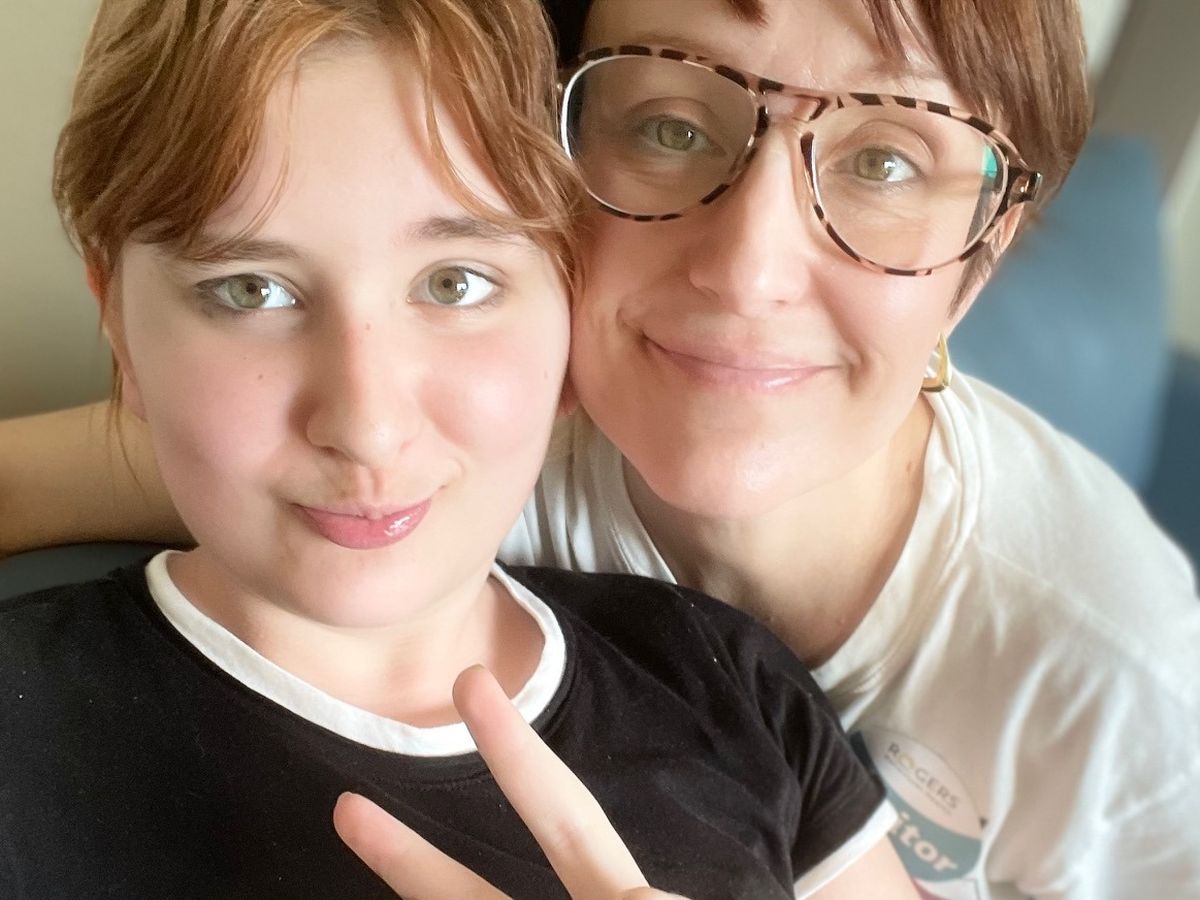
Thank you for taking the time to read this and help me reach the goal of easing the financial burden of out-of-state residential OCD treatment for my niece, my sweet June Bug.
My niece is currently undergoing a 90-day residential treatment program for severe OCD in Wisconsin, as there are no treatment centers that provide this level of specialty care in Oklahoma. This will be followed by three months of partial hospitalization. There is no doubt that this is a life-saving medical treatment. Being in Wisconsin, my sister’s family must juggle frequent flights back and forth. It’s taxing, terrifying, and expensive. Please help me ease the financial burden of treatment for this brave family so they may focus instead on healing. This money will help cover flights, copays and services not covered by insurance, and expenses related to having family divided between two states over the course of six months. Together, we can help my June Bug find her way back to a life full of hope, happiness, and fulfillment.
In 2017, the World Health Organization included OCD in the #6 rank for one of the most disabling disorders in the world. And yet, it is wildly misunderstood. OCD is so much more than the “quirky” condition it is often stereotyped to be. Many joke about being “a bit OCD” because they like to keep things clean and organized but the reality of OCD is so much more complicated than that.
The reality of OCD for people like my niece is a living hell from minute to minute, hour to hour, day to day as she is bombarded by intrusive thoughts and compulsions that have literally robbed her of any of the typical joys of childhood. My sister and her family are left navigating incredibly complex and painful situations every day of their lives without the level of awareness and support from their community that it wholly deserves. For example, I have watched my niece’s middle school minimize her symptoms and attempt to pass them off to “girl drama” and willful choice, meanwhile creating even more stress for the family via lack of support and accommodations for maintaining her education and creating an atmosphere of shame and blame around a mental health condition… and so the torch of stigma is carried on. Together, we can create a sense of understanding and support for this family and help break the silent suffering that mental health stigma creates.
Please feel free to private message me if there are other or additional ways in which you care to show support.
UPDATE from the Marusa’s;
I wanted to take a moment to express our deepest gratitude for your incredible generosity and support for Mia's journey toward recovery from OCD.
Thanks to your kindness, we were able to spend a meaningful Thanksgiving together as a family, and we look forward to cherishing the upcoming Christmas holiday as well. These moments of togetherness have been a lifeline, helping us navigate the challenges that come with Mia's treatment.
I'm thrilled to share that Mia is making remarkable progress during her time at Rogers Behavioral Health. The dedicated care she has received has been instrumental in her journey. We are excited to announce that she will be discharging this week to transition into the partial hospitalization program—a significant step forward.During this next phase, Mia will be participating in the partial hospitalization program in Wisconsin for the next two months.
Your support extends beyond the financial realm; it reinforces our belief that we are not alone in this journey. The knowledge that people like you stand by us makes us stronger, instilling a sense of community and resilience. Together, we are making strides toward Mia's well-being, and your role in this journey is immeasurable.
Once again, thank you from the depths of our hearts for your compassion and generosity. Your kindness has touched our lives in ways words cannot fully capture.
Wishing you a joyous holiday season filled with love and warmth.