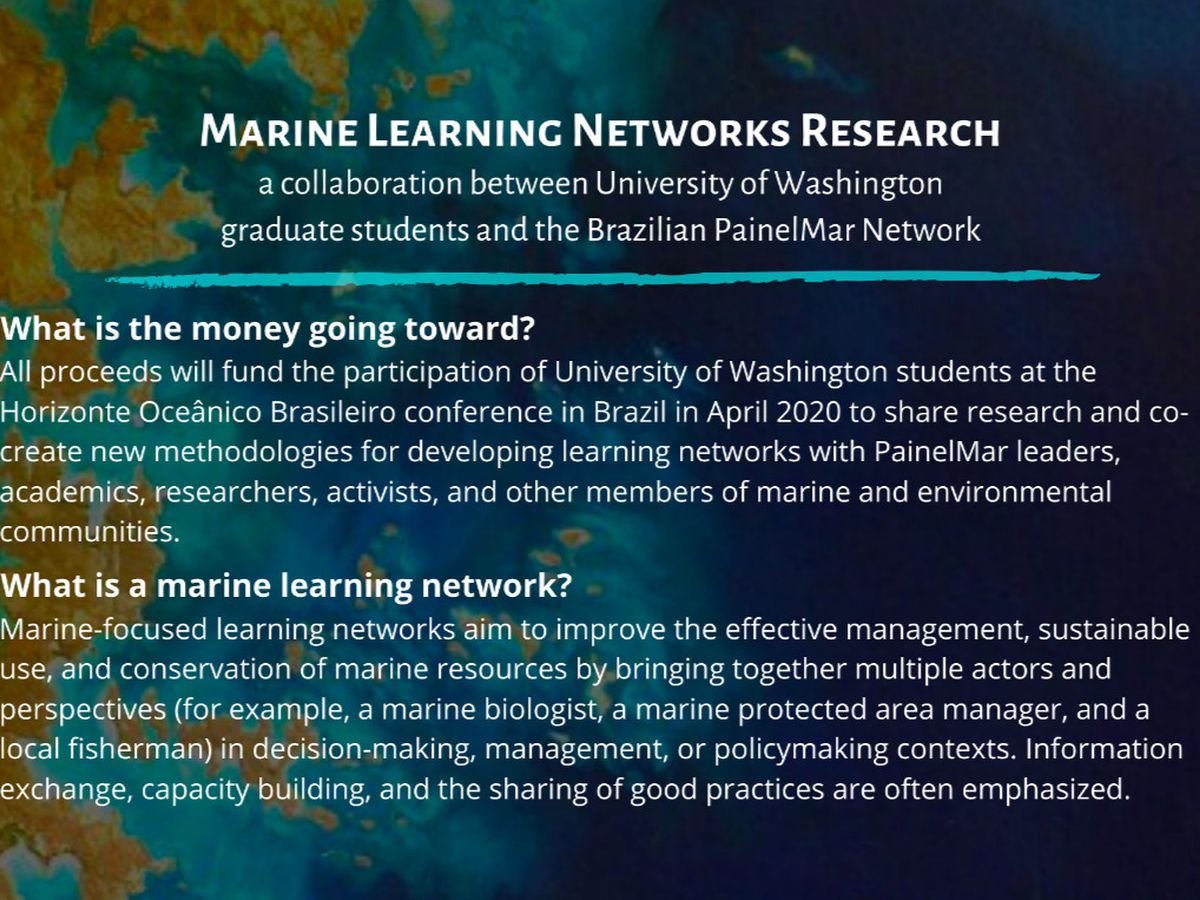
- M
- C
We have reached our fundraising goal and have ended our campaign. Please see our latest update below for more information. Thank you all!
Background and Context: Brazil's ocean environments are some of the most extensive in the world. Sometimes called the “Blue Amazon,” this region supports an immense variety of vibrant and diverse marine environments and stretches along a coastline of 4,650 miles - 1,000 miles longer than the US east and west coasts combined. Sharing knowledge, coordinating activism, and collaborating on policy related to protecting these ocean environments and the communities that rely on them are massive tasks, and in Brazil's current anti-environmental political climate, the challenge has never been greater. An emerging Brazilian environmental learning network, PainelMar, connects individuals across Brazil - academics, small-scale fishers, government officials, and others - that share the common goal of working toward these conservation and management objectives.
Our Project: The five of us - Henry Bell, Dave Berndtson, Katy Dalton, Benjamin Kantner, and Marlena Skrobe - are graduate students at the University of Washington. Over the past twelve months, we've been working together on our master’s research project that focuses on marine and environmental learning networks around the globe that are all working to accomplish goals similar to PainelMar. Learning networks have existed in the marine realm for years, but very little academic research has explored their functionality and the types of outcomes and impacts they can have. Early last year, one of the leaders of PainelMar, Leopoldo Gerhardinger, asked our team to collect and analyze good practices and lessons learned from other ocean-related networks, and we have since conducted interviews with expert informants from fourteen countries across thirteen different networks. One of the resounding messages from our interviews is that face-to-face engagement between individuals, organizations, and networks committed to the exchange of knowledge centered on the ocean is vital for achieving real, substantial impacts.
What we need: We are the first School of Marine and Environmental Affairs (SMEA) capstone students to pursue primary research in an international setting, and for this reason we have encountered significant challenges in securing funding for our work. We are raising money to travel to Brazil in April to present at the 2020 Brazilian Oceanic Horizon conference and to co-create new methodologies for developing marine learning networks with our partners and collaborators at PainelMar. While we have been awarded several funding grants, including the Dr. Clyde Snow Fund and the Maxon Endowment, we have been rejected by most others on the grounds that the purpose of our travel is too "applied" - in other words, many conference attendees are not established academics, but rather those on the front lines of conservation that are not often engaged in academia: small-scale fishers, managers, environmental activists, young professionals, and government officials. While it is the right of funders to set their own priorities, we feel that in order for our work to generate true impact, we must take a step beyond attending traditional academic forums and engage directly with community members and difference-makers in Brazil.
Please join us in seeing out our vision by supporting our research and continued collaboration with PainelMar.
Much love & obrigado!
Henry, Dave, Katy, Benjamin, & Marlena
Budget:
Airfare: $1300 (round trip) x 5 = 6500
Transportation in Brazil: $60 x 5 = $300
Lodging in Brazil: $160 x 5 = $800
= $7,600 Total
Other Funding Sources:
Dr. Clyde Snow Fund for Latin American and Caribbean Studies: $500
Linda J. Maxon Endowment in Marine Policy: $1,000
Beijos Do Mar Benefit Party: $500 (estimated)
Additional Grants: $600 (estimated)
Remainder to raise: $5,000
Benjamin Kantner:
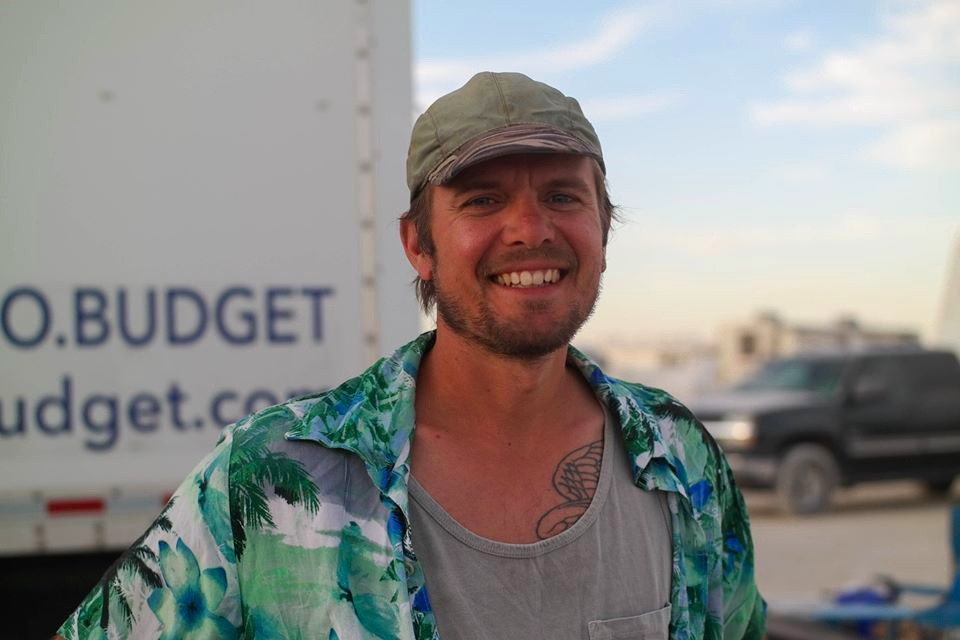
Dave Berndtson:
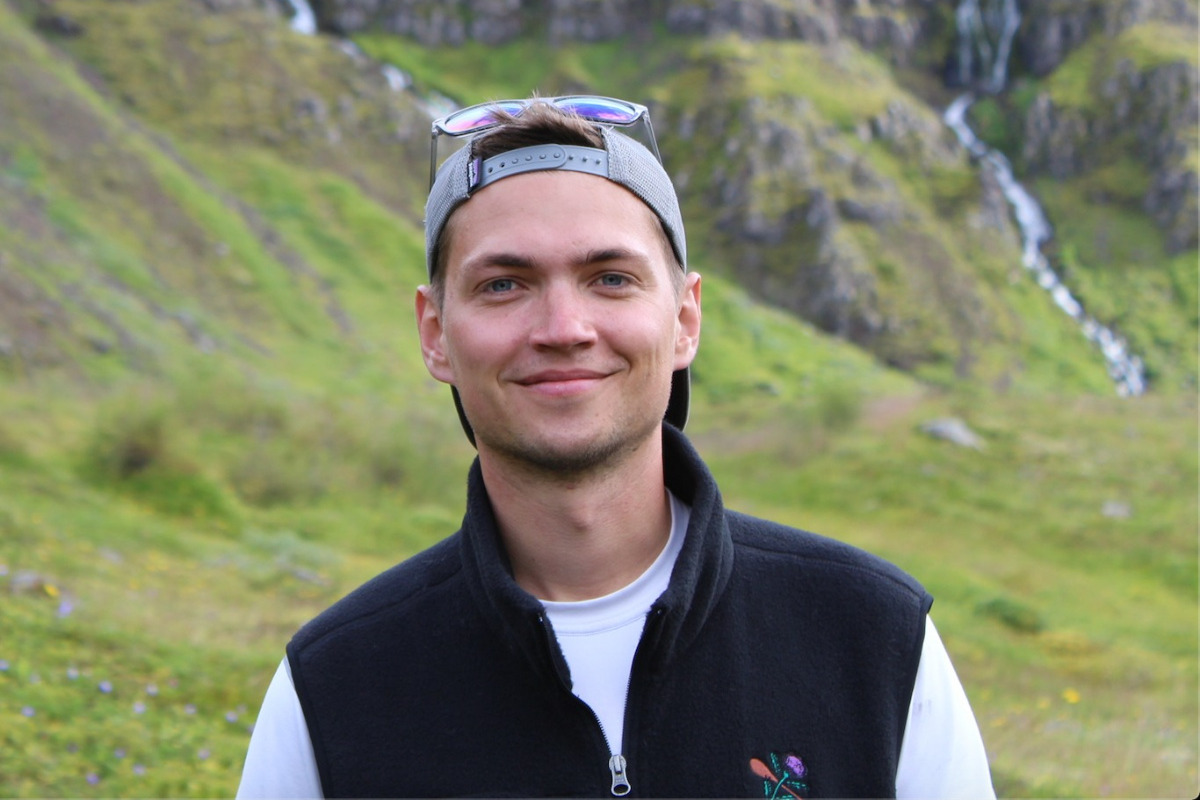
Marlena Skrobe:
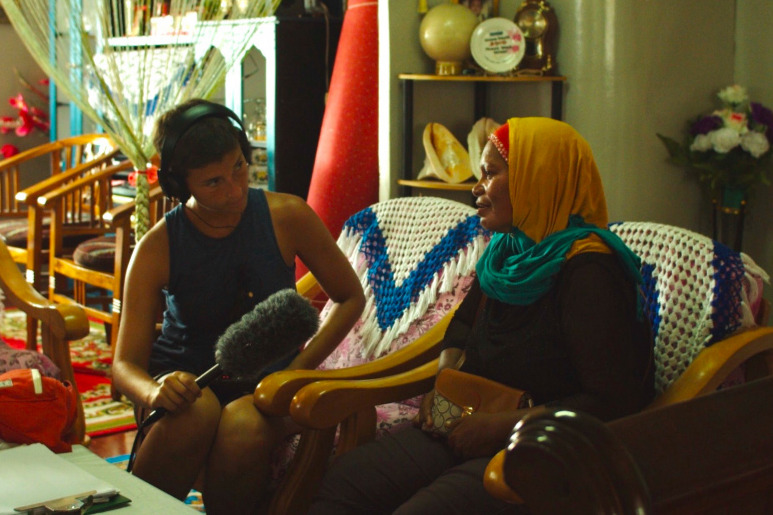
Henry Bell:
Katy Dalton:
Background and Context: Brazil's ocean environments are some of the most extensive in the world. Sometimes called the “Blue Amazon,” this region supports an immense variety of vibrant and diverse marine environments and stretches along a coastline of 4,650 miles - 1,000 miles longer than the US east and west coasts combined. Sharing knowledge, coordinating activism, and collaborating on policy related to protecting these ocean environments and the communities that rely on them are massive tasks, and in Brazil's current anti-environmental political climate, the challenge has never been greater. An emerging Brazilian environmental learning network, PainelMar, connects individuals across Brazil - academics, small-scale fishers, government officials, and others - that share the common goal of working toward these conservation and management objectives.
Our Project: The five of us - Henry Bell, Dave Berndtson, Katy Dalton, Benjamin Kantner, and Marlena Skrobe - are graduate students at the University of Washington. Over the past twelve months, we've been working together on our master’s research project that focuses on marine and environmental learning networks around the globe that are all working to accomplish goals similar to PainelMar. Learning networks have existed in the marine realm for years, but very little academic research has explored their functionality and the types of outcomes and impacts they can have. Early last year, one of the leaders of PainelMar, Leopoldo Gerhardinger, asked our team to collect and analyze good practices and lessons learned from other ocean-related networks, and we have since conducted interviews with expert informants from fourteen countries across thirteen different networks. One of the resounding messages from our interviews is that face-to-face engagement between individuals, organizations, and networks committed to the exchange of knowledge centered on the ocean is vital for achieving real, substantial impacts.
What we need: We are the first School of Marine and Environmental Affairs (SMEA) capstone students to pursue primary research in an international setting, and for this reason we have encountered significant challenges in securing funding for our work. We are raising money to travel to Brazil in April to present at the 2020 Brazilian Oceanic Horizon conference and to co-create new methodologies for developing marine learning networks with our partners and collaborators at PainelMar. While we have been awarded several funding grants, including the Dr. Clyde Snow Fund and the Maxon Endowment, we have been rejected by most others on the grounds that the purpose of our travel is too "applied" - in other words, many conference attendees are not established academics, but rather those on the front lines of conservation that are not often engaged in academia: small-scale fishers, managers, environmental activists, young professionals, and government officials. While it is the right of funders to set their own priorities, we feel that in order for our work to generate true impact, we must take a step beyond attending traditional academic forums and engage directly with community members and difference-makers in Brazil.
Please join us in seeing out our vision by supporting our research and continued collaboration with PainelMar.
Much love & obrigado!
Henry, Dave, Katy, Benjamin, & Marlena
Budget:
Airfare: $1300 (round trip) x 5 = 6500
Transportation in Brazil: $60 x 5 = $300
Lodging in Brazil: $160 x 5 = $800
= $7,600 Total
Other Funding Sources:
Dr. Clyde Snow Fund for Latin American and Caribbean Studies: $500
Linda J. Maxon Endowment in Marine Policy: $1,000
Beijos Do Mar Benefit Party: $500 (estimated)
Additional Grants: $600 (estimated)
Remainder to raise: $5,000
Benjamin Kantner:
Dave Berndtson:
Marlena Skrobe:
Henry Bell:
Katy Dalton:
Co-organizers5
Benjamin Kantner
Co-organizer
Dave Berndtson
Co-organizer
Katy Dalton
Co-organizer
Marlena Skrobe
Co-organizer