- G
- E
 View more project photos at: www.mbonfigli.com
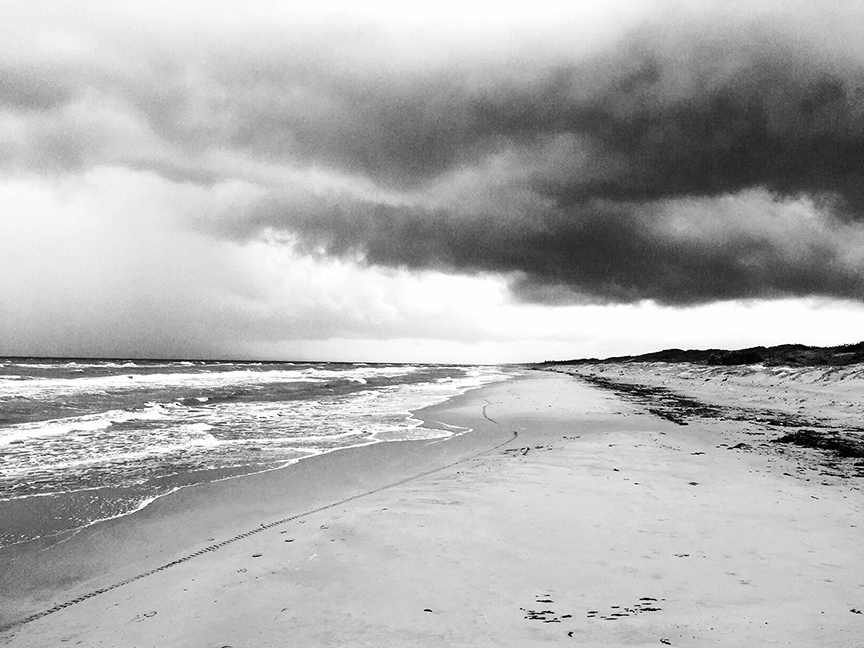
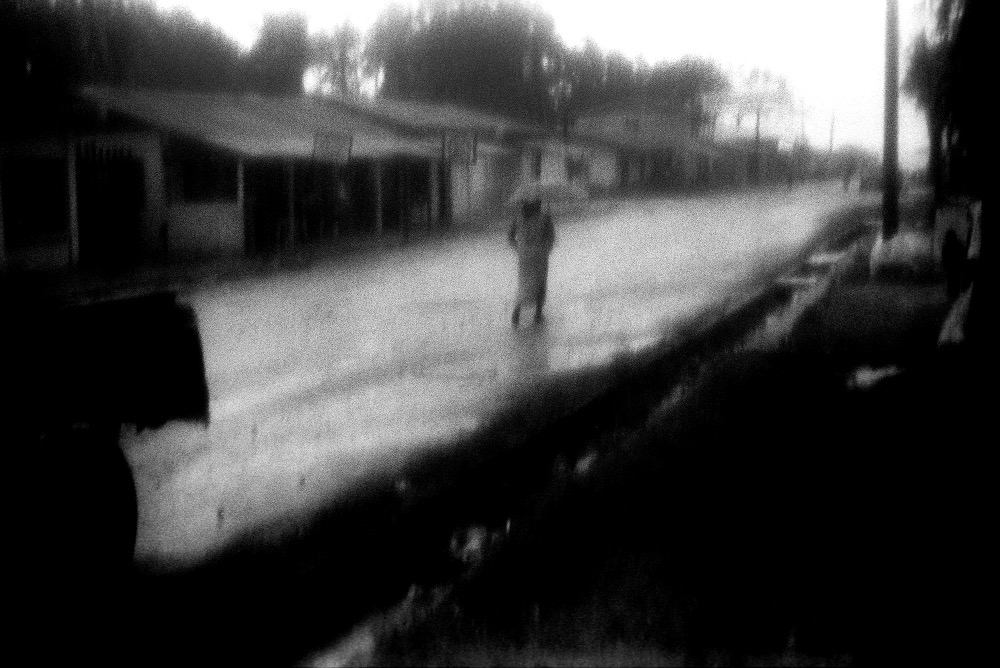
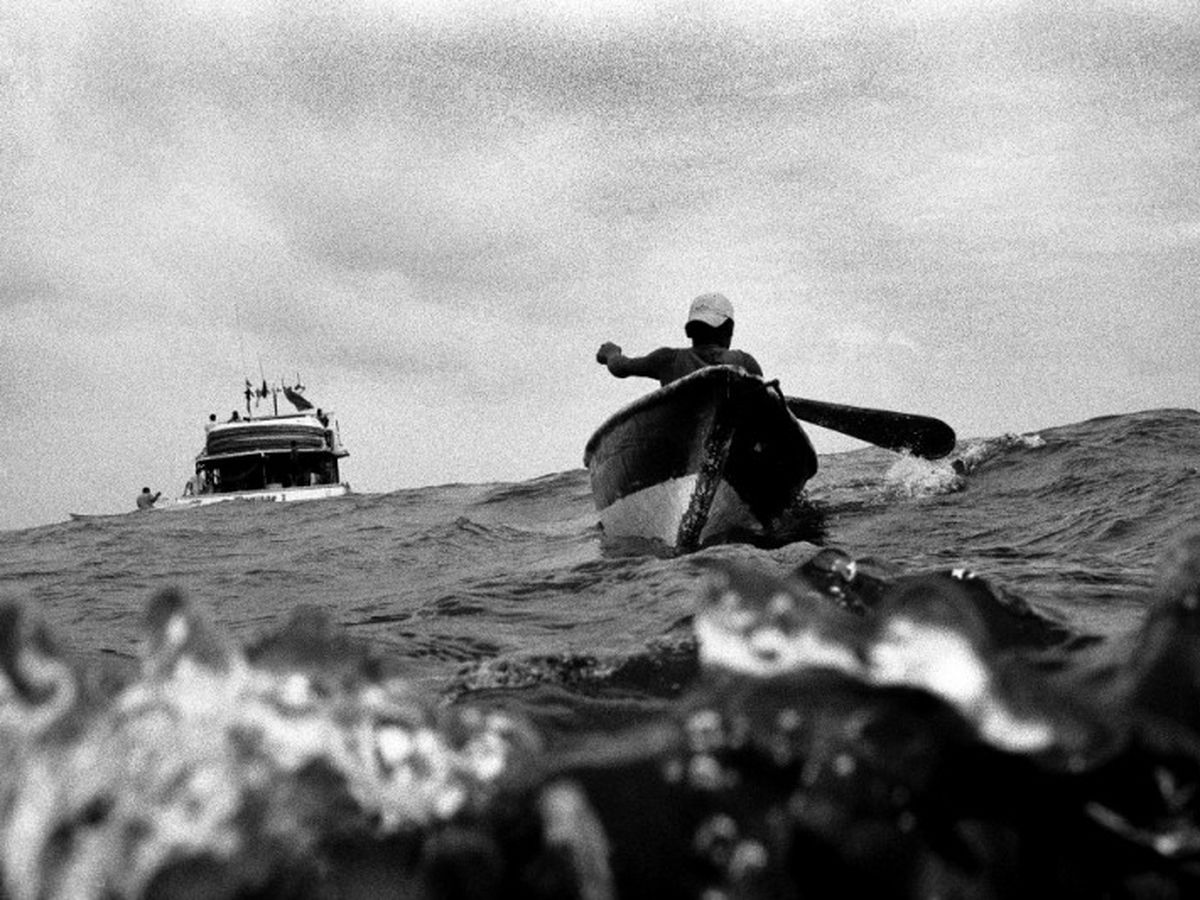
 I am raising money to finish a long term photography project about the Miskito people, their envirnoment and their disapearing culture and way of life. I will be using the funds to pay for round trip airfare to The Mosquitia, Honduras from Washington DC, travel within the country and daily living expenses. I will be photographing mostly with black and white film as that is how I started working on this project over 15 years ago. The cost of processing and scanning will make up almost half of the budget. Up to now the project has been mostly self-financed. My goal after this final trip will be to produce a book about this very remote, unique and special place on earth.
The Miskito Coast was first contacted from the outside world by Columbus on his fourth and final voyage in 1502. Amazingly, the Miskito Indians have been able to maintain their culture despite the influx of a variety of different races by absorbing and integrating newcomers into their society. The Miskito have developed a way of life directly linked to their reliance on the abundant wildlife that inhabits the rivers and ocean as well as the land that they cultivate in the tropical forest. Unfortunately that is changing fast as more and more people from the interior of the country discover the beauty of this region without necesarily respecting the Miskito people and their way of life.
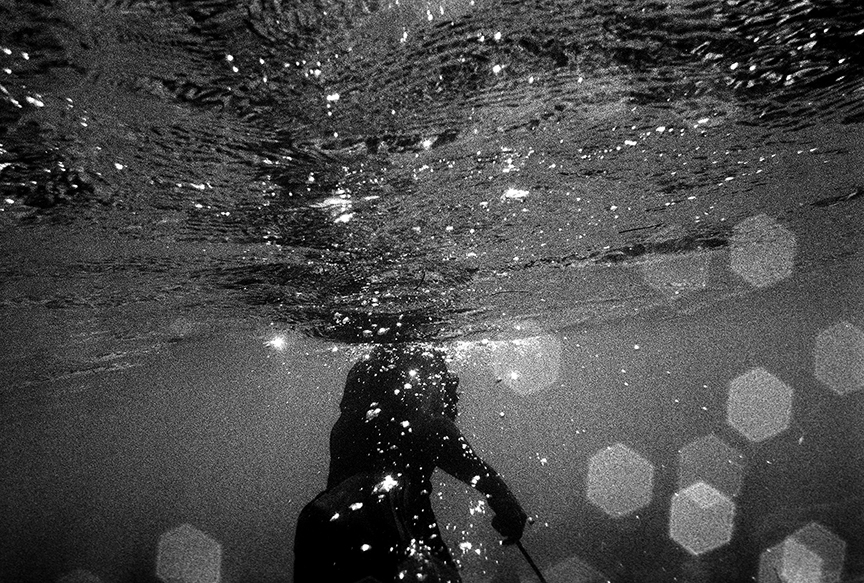
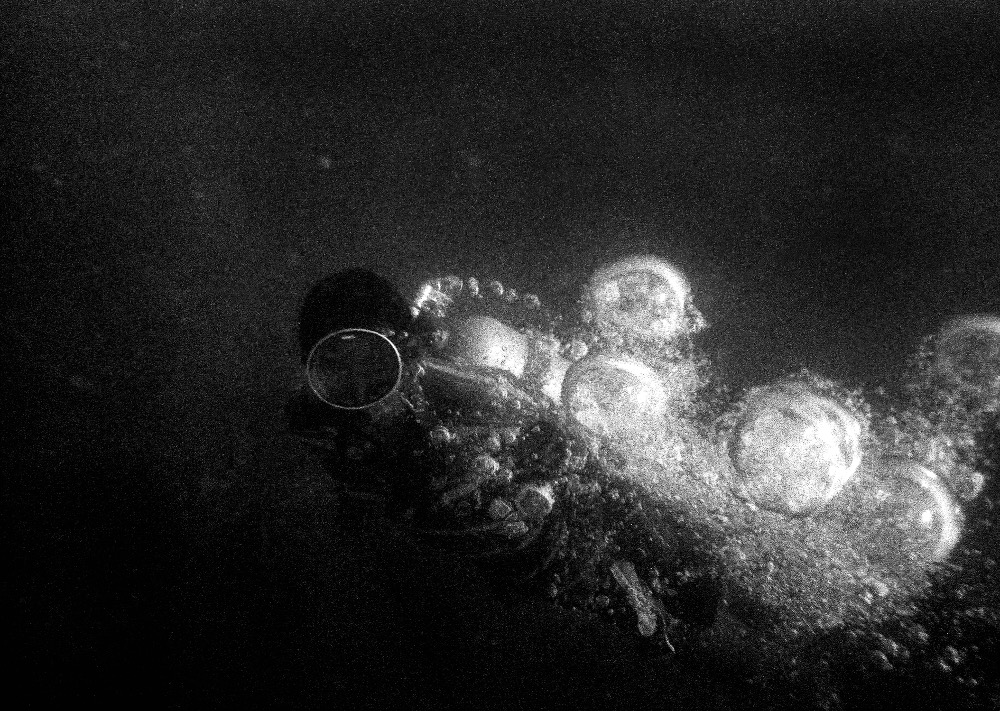
Because of the remoteness and dependence on the ocean and river ways for substinance and for transportation the Miskito rely heavily on the lobster trade for work. Since the 1960s, the Miskito have used free-diving techniques to harvest lobsters as their primary source of income. In the early years of the lobster boom, large and plentiful lobster were found close to shore in shallow waters, and could be accessed easily by free-diving. Scuba diving techniques were introduced around 1980 to enable the Miskito to expand their area for harvesting into deeper waters. Fewer lobster have forced divers to dive more often, deeper, and for longer, using pressurized tanks to maintain their income. In response to declining lobster populations, the governments of Honduras and Nicaragua created a fishing season - restricting lobster exploitation to between March 1 and July 30. The goal is to reduce pressure on lobster populations, but the result has also increased pressure on lobster divers. Many divers make 12-16 dives per day to depths of 100–120 ft. in an effort to maintain their incomes. The result has been an increase in the number of cases of decompression sickness (the bends) and decompression related deaths. In 2012 Honduras had the highest number of decompression related deaths and sickness in the world.
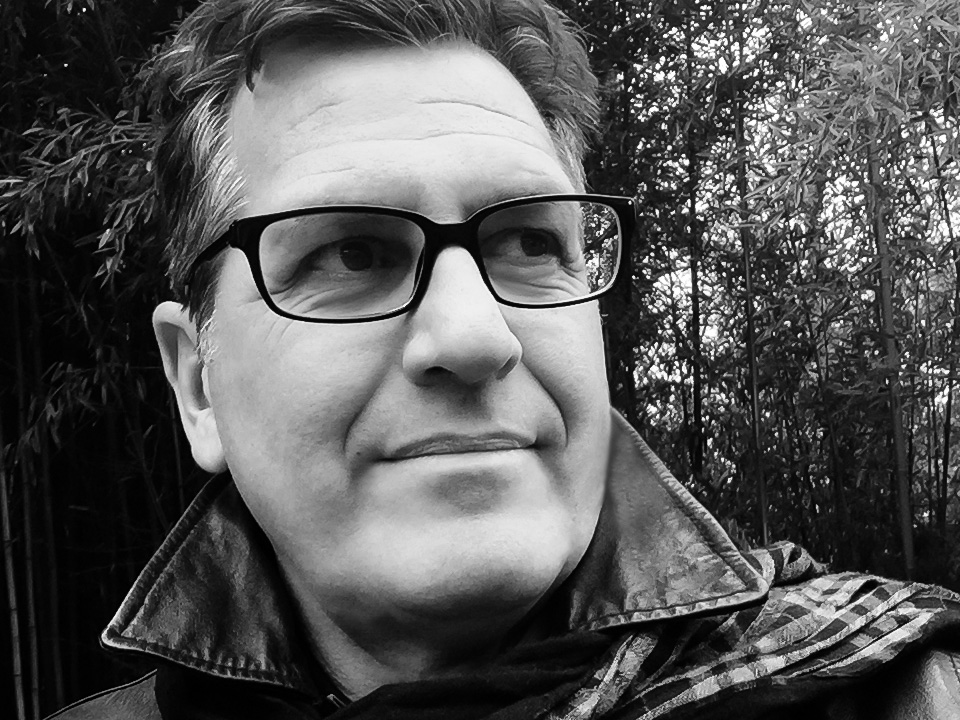
I served 2 years in the Honduran Miskito Coast as a Peace Corps volunteer in the mid 1980's mostly working with different small groups of Miskito leaders in Puerto Lempira and surrounding villages. One of my first assignments was to organize and help the young lobster divers of the region learn the importance of proper diving techniques to avoid getting the bends. Together with the Honduran NGO MOPAWI and Agency for International Development I was able to put together a radio program that transmitted the educational messages in the Miskito language. As a Peace Corps volunteer I was very fortunate to have been placed with MOPAWI who works directly with the Miskito people in sustainable development. I have stayed in touch with them through the past 3 decades. As with previous trips they will be able to assist me with logistics during my time there. My attempts to bring awareness to the plight of the Miskito lobster divers and their environment is what got me involved in this project in the first place. I’m more aware of the economic value chains and sources of seafood and other products on our supermarket shelves, as well as the importance of our oceans to the survival of our species. Although this is not the only reason I am producing this body of work it is a major motivating factor.
To this day I still have fond memories of spending evenings under palm trees listening to their beautiful music and talking to them about the day's work and adventures paddling around in dug-out canoes.
The Miskito Coast has held a very special place in my heart since I went there as an idealistic kid out of college so many years ago. I will continue to photograph the Miskito lobster divers and their work life at sea but I will be focusing more attention on their time with family and community on land. The people and their way of life has had a great impact on me and my hope is that my work will also have an impact on those who see it in print and other forms of media.
I am planning on traveling April 17 to the 27th, 2017.
The funds will enable me to complete photographing this project so I will be able to finally put together a book on the Miskito Coast. The photography part of this project is almost done, one more trip and I can get started with working on the book. I would be so grateful if you could help me complete this project that means so much to me. I will be sending travel updates on my facebook and instragram accounts so you can follow along on my photographic journey.
More photos of my project can be viewed here:
www.mbonfigli.com